Why Some Watches Look Awkward On The Wrist: It Is Not Just About Size
A watch can fit perfectly on paper yet look wrong on the wrist. Size is not the only culprit. Case shape, lugs, thickness, straps and lifestyle all play a role in why some watches feel awkward despite the right measurements.
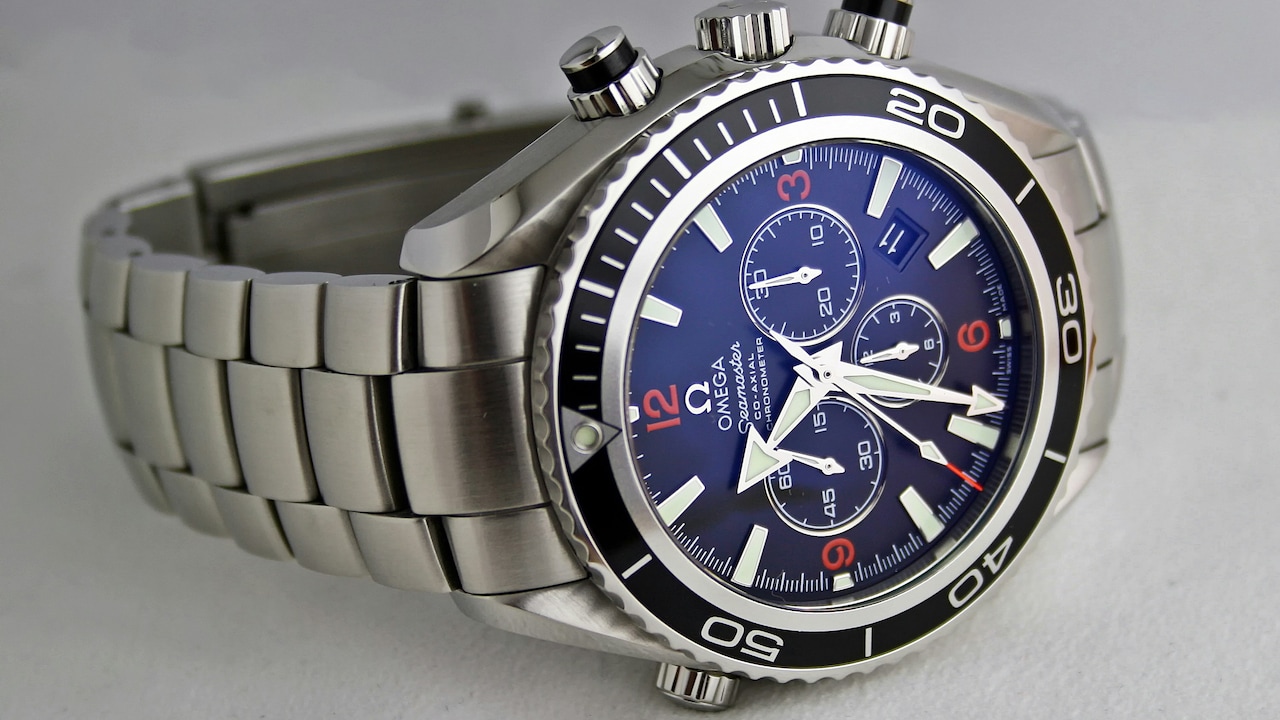
Why Some Watches Look Awkward On The Wrist And Why Size Isn't The Only Reason.
Almost everyone has experienced it. A watch looks perfect in the shop window, impressive in photos, and even feels solid in the hand. Then it goes on the wrist, and something feels… off. Friends may not say anything, but the discomfort lingers. The watch feels bulky, awkward, or strangely toy-like. Size often gets blamed first, yet many large watches look balanced, while smaller ones sometimes appear clumsy.
Watches interact with the body in complex ways. The wrist has curves, bones, movement, and personality. Clothing, climate, daily habits, and even local commuting styles influence how a watch appears and feels. A chunky diver might look heroic on a beach holiday, but seem ridiculous while squeezing into a packed metro. A slim dress watch may shine at a wedding but feel fragile during a long workday.
Understanding why watches look awkward helps buyers make better choices and enjoy what they wear. The reasons often hide in details that rarely get discussed. Size matters, yes, but it tells only half the story.
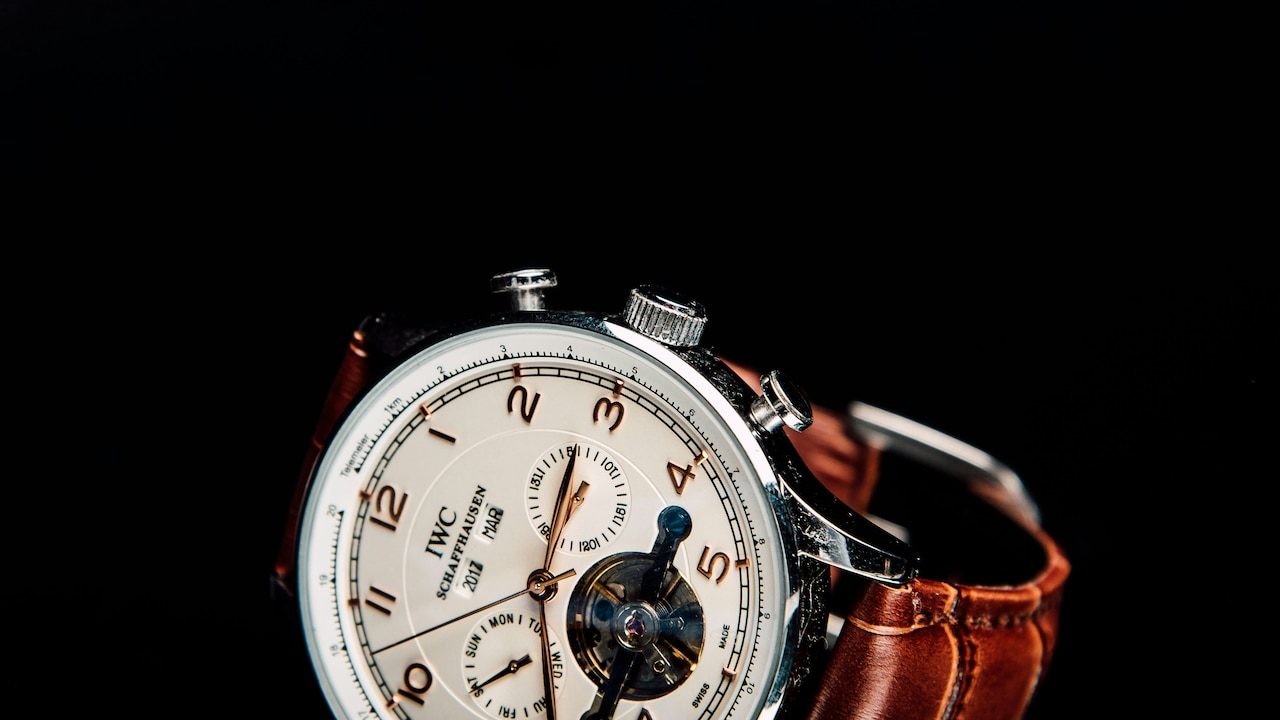
Why Some Watches Look Awkward On The Wrist And Why Size Isn't The Only Reason
Photo Credit: Pexels
Why The Wrist Often Rejects A Watch Long Before The Mind Does
1. Case Shape Matters More Than Diameter
Most buyers fixate on case diameter, usually measured in millimetres. Yet the shape of the case plays a far bigger role in how a watch sits. A 42mm round case may wear smaller than a 40mm square one. Square and tonneau cases spread across the wrist differently, often covering more surface area and exaggerating bulk.
Round cases follow the natural curve of the wrist. Cushion cases soften edges and sit flatter. Angular designs create visual tension, which can look striking on some wrists and awkward on others. The thickness of the case sides also changes perception. Slab-sided cases appear heavier, while tapered edges create elegance.
Many people discover this only after purchase. That stylish square watch priced at ₹18,000 suddenly feels oversized despite modest measurements. Meanwhile, a well-designed round case feels comfortable even during long hours at work. Case shape works quietly but powerfully, often deciding whether a watch feels like jewellery or equipment strapped on reluctantly.
2. Lug Length Can Make Or Break Comfort
Lugs rarely get the attention they deserve. These small extensions that hold the strap determine how the watch hugs the wrist. Long, straight lugs push the strap outward, making the watch appear larger and causing it to overhang smaller wrists. Short, curved lugs pull the strap downwards, improving balance and comfort.
Two watches with the same diameter can feel worlds apart due to lug-to-lug length. A 40mm watch with long lugs may stretch wider than a 44mm model with compact ones. Overhanging lugs often cause the watch to wobble, catch on sleeves, and look awkward from the side.
This becomes noticeable during daily wear. While riding a scooter or typing for hours, an ill-fitting lug design constantly reminds the wearer of its presence. Well-designed lugs disappear into the wrist, allowing the watch to feel secure and natural. Lug length may not feature boldly on marketing posters, but it often decides whether a watch feels wearable or irritating.
3. Thickness Often Gets Ignored
Thickness remains one of the most overlooked dimensions. A watch may have a reasonable diameter yet look clumsy due to excessive height. Thick watches sit higher on the wrist, increasing visual bulk and reducing comfort under shirt cuffs.
Sports watches often justify thickness with water resistance or complications. Yet everyday wear does not always demand 300 metres of depth rating. A thick watch paired with formal clothing can feel mismatched, like wearing sports shoes with a kurta-pyjama set at a family function.
Climate also plays a role. In warm weather, thicker watches trap sweat and feel heavier. A slimmer profile allows airflow and comfort during long days outdoors. Many people discover that shaving even 2mm off the thickness transforms how a watch wears. Thickness does not show clearly in photos, but the wrist never forgets it.
4. Strap Width And Taper Affect Visual Balance
Straps do more than hold the watch in place. Their width, taper, and material strongly influence how the watch appears. A wide strap on a small wrist can overwhelm the watch head, while a narrow strap on a large case creates an imbalance.
Taper matters too. Straps that narrow towards the buckle add elegance and reduce visual bulk. Straight-cut straps maintain uniform width, often making watches feel sportier or heavier. Poor strap choices can ruin an otherwise well-designed watch.
Many watches ship with generic straps to cut costs. Swapping to a better-fitting strap often transforms comfort and appearance. A ₹1,500 strap upgrade can make a ₹15,000 watch feel custom-made. Strap colour also influences perception. Dark straps slim the look, while lighter ones draw attention and exaggerate size. The right strap quietly fixes many awkward watches without changing the watch itself.
5. Wrist Shape And Bone Structure Play A Role
Not all wrists measure the same, even at identical circumferences. Some wrists appear flat, others round. Prominent wrist bones affect how watches sit and move. A flat wrist supports wider cases better, while a round wrist benefits from curved designs.
People often blame their wrist size when a watch looks awkward. The real issue lies in shape compatibility. A watch that fits one person beautifully may look odd on another with the same measurement. This explains why trying watches matters more than reading specifications.
Movement also matters. During daily activities like commuting, lifting groceries, or attending long meetings, the wrist flexes constantly. Watches that fail to accommodate this movement feel uncomfortable and look misaligned. Understanding wrist shape encourages smarter choices and reduces regret after purchase.
6. Dial Design Creates Optical Illusions
Dial design changes perceived size dramatically. Busy dials with multiple sub-dials, bold numerals, or thick markers appear larger. Minimalist dials with clean layouts often feel smaller and more refined.
Colour plays its tricks too. Dark dials recede visually, while light or white dials expand presence. A 39mm black dial watch may appear smaller than a 37mm silver one. Bezel width also matters. Thick bezels reduce dial size, making watches look compact. Thin bezels expose more dial, increasing visual impact.
Design choices influence how the eye reads the watch. A poorly balanced dial can feel cluttered and awkward, even if the case fits well. Meanwhile, a thoughtfully designed dial brings harmony, making the watch feel proportionate and pleasing.
7. Lifestyle Mismatch Causes Discomfort
A watch should match daily life, not fight it. Wearing a heavy chronograph during long hours of desk work can feel tiring. A delicate dress watch during frequent travel may feel impractical.
Lifestyle shapes perception. Someone who rides public transport daily may find large watches constantly bumping into surfaces. Office environments favour slimmer designs that slide under cuffs. Weekend activities may demand durability and legibility.
Many watches look awkward because they live in the wrong context. That rugged diver might feel excessive during casual outings. That elegant leather-strapped watch may feel out of place in humid weather. Choosing a watch aligned with routine creates harmony and confidence, while mismatches create silent frustration.
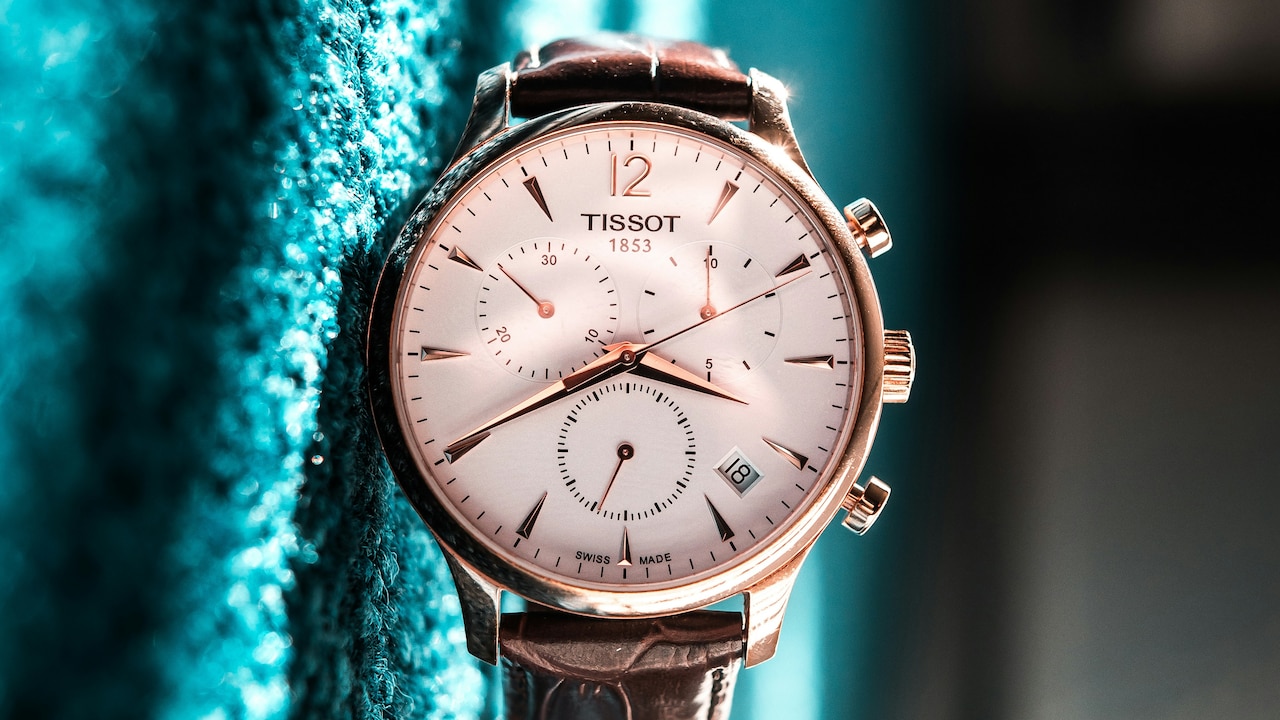
Why Some Watches Look Awkward On The Wrist And Why Size Isn't The Only Reason
Photo Credit: Pexels
8. Cultural Dressing Habits Influence Fit
Watches interact with clothing styles. Traditional attire often features looser sleeves, changing how watches sit. Formal shirts demand slim profiles. Casual wear allows more freedom.
Accessories also matter. Bracelets, rings, or threads worn alongside watches influence spacing and comfort. Layering too many wrist accessories can make any watch feel crowded and awkward.
Occasions shape expectations. Weddings, festivals, and family gatherings create different visual standards. A flashy watch may suit celebratory moods, but it feels loud during solemn events. Cultural sensitivity subtly influences whether a watch feels right or out of place.
9. Psychological Expectations Affect Perception
Expectation shapes experience. Buying a watch after weeks of online research builds an image in the mind. Reality may differ slightly, creating disappointment even if the watch fits well.
Price also influences judgment. A ₹50,000 watch feels expected to impress instantly. Minor flaws feel magnified. Affordable watches often get forgiven more easily. Brand reputation shapes perception, too. Wearing an unfamiliar brand may feel awkward despite good design.
Confidence matters. Watches worn with confidence look better. Constantly adjusting or hiding the wrist signals discomfort. Choosing a watch that feels personally right reduces overthinking and enhances presence.
10. Poor Fit Compounds Over Time
An awkward watch rarely improves with time. Minor discomfort grows noticeable during long wear. Constant readjusting becomes annoying. Eventually, the watch stays in a drawer.
Fit issues often appear gradually. A watch may feel fine for an hour, but irritating after a full day. Weight distribution, strap stiffness, and case edges reveal flaws over time.
Testing watches beyond brief trials helps avoid regret. Wearing a watch around the house or during errands exposes real-world comfort. Good fit disappears from awareness. Poor fit demands attention. Over time, comfort always wins.
Products Related To This Article
1. Timex Men Analogue Chronograph Watch
2. Sonata Eternia Women Brass Dial & Leather Straps Analogue Watch
3. Fastrack Vyb 6.0 Aviator Men Dial & Bracelet Style Straps Analogue Watch
4. Daniel Klein Dk11683-5 Black/Black Analogue Watch
5. BENLING Women Dial & Stainless Steel Bracelet Style Straps Analogue Watch
6. CASIO Men Black Digital Watch D218
7. GIORDANO Women Rose Gold Diamond-Shaped Analog Watch With Bracelet
Watches look awkward for many reasons, and size rarely tells the full story. Case shape, lug design, thickness, straps, dial layout, lifestyle, and expectations quietly influence how a watch feels and looks. Understanding these elements empowers better choices and a deeper appreciation.
A well-chosen watch blends seamlessly into daily life. It complements clothing, respects comfort, and reflects personality without shouting. When a watch fits right, it disappears into the rhythm of the day, quietly keeping time while adding confidence. That harmony, more than millimetres on a spec sheet, defines true wrist presence.
(Disclaimer: This article may include references to or features of products and services made available through affiliate marketing campaigns. NDTV Convergence Limited (“NDTV”) strives to maintain editorial independence while participating in such campaigns. NDTV does not assume responsibility for the performance or claims of any featured products or services.)