Why Straight-Fit Jeans Feel Tight After Sitting For Hours And What To Buy Instead
Straight-fit jeans often feel tight after long hours of sitting due to fabric rigidity and body changes. This is why it happens, and the smarter, more comfortable alternatives to consider.
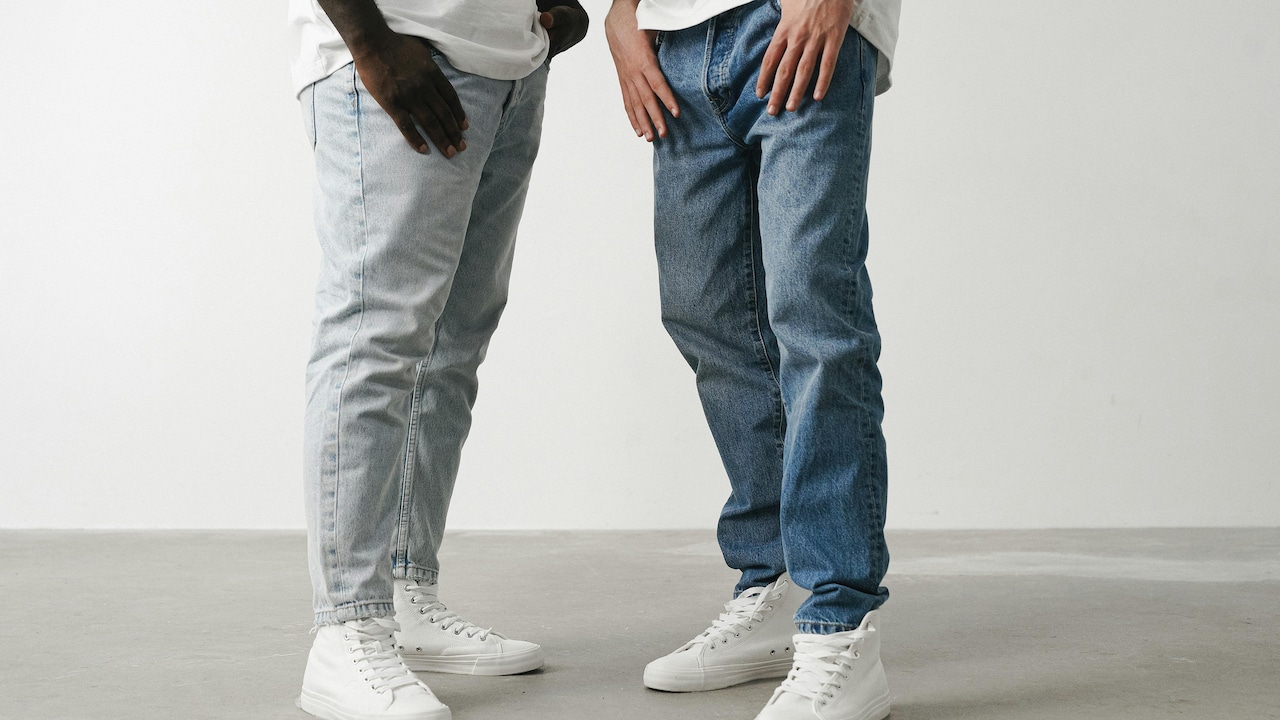
Tight Jeans After Sitting All Day? Causes, Fixes And Better Denim Options
Few wardrobe staples feel as dependable as a pair of straight-fit jeans. They slip seamlessly into workdays, weekend outings, and those in-between moments when dressing up feels like too much effort. Yet, there's a quiet frustration that creeps in after hours of sitting, a waistband that suddenly feels tighter, thighs that resist movement, and an overall sense of discomfort that wasn't there in the morning.
It's a common experience, especially during long commutes, desk jobs, or binge-watching sessions that stretch far beyond intention. The jeans haven't shrunk mid-day, yet they seem to have developed a personality of their own. The culprit lies somewhere between fabric science, body mechanics, and evolving fashion habits.
Understanding why this happens opens the door to better choices, options that offer the same style without the struggle. Comfort, after all, no longer needs to come at the cost of looking sharp.
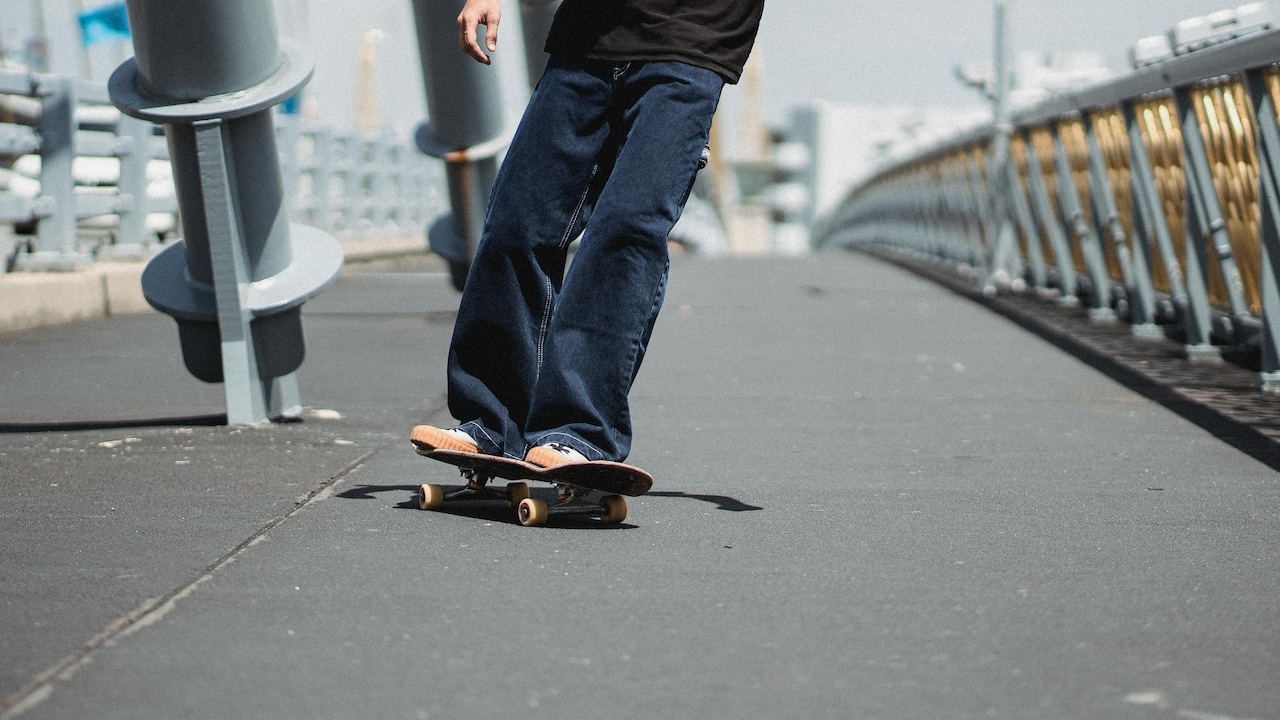
Tight Jeans After Sitting All Day? Causes, Fixes And Better Denim Options; Photo Credit: Pexels
How Straight-Fit Jeans Feel Tight After Sitting For Hours
The Hidden Reality Of Fabric Behaviour
Denim may appear tough and unyielding, but it reacts more than expected to body heat and pressure. Traditional straight-fit jeans often use rigid cotton denim with minimal stretch. While this gives structure, it also limits adaptability.
After sitting for long periods, the fabric warms up and subtly moulds to the body's position. The moment one stands, the jeans resist returning to their original shape immediately. This creates that unmistakable tightness, especially around the waist and thighs.
The issue becomes more noticeable in humid weather, where fabric absorbs moisture and feels heavier. A pair that felt perfect during a morning trial can turn restrictive by afternoon.
Modern denim blends with elastane or stretch fibres reduce this problem significantly. They allow the fabric to bounce back rather than cling stubbornly to the body's seated shape. It's less about abandoning denim and more about choosing versions that understand movement.
Also Read: Best Straight-Fit Jeans Under ₹1,500 That Fit Better Than A Custom Tailored Pair
Sitting Changes Body Shape More Than Expected
A seated posture does more than bend knees. The torso compresses, the waist expands slightly, and the hips shift position. Straight-fit jeans, designed for standing alignment, struggle to accommodate this natural transformation.
Over time, especially during extended sitting, this mismatch creates pressure points. Waistbands dig in, seams tighten, and circulation feels restricted. It's not a sizing issue but a structural limitation of the fit.
Consider long metro rides or hours at a desk. The body isn't static; it subtly adjusts, leans, and shifts weight. Jeans that don't flex with these changes end up working against comfort rather than supporting it.
Clothing that adapts to posture changes makes a noticeable difference. Slightly relaxed fits or fabrics with stretch respond better to these shifts, reducing that end-of-day discomfort that many quietly tolerate.
The Waistband Dilemma
The waistband is often the first to betray comfort. Straight-fit jeans typically feature firm waistbands that maintain shape but lack elasticity. After hours of sitting, this rigidity becomes the main source of discomfort.
When seated, the abdomen expands naturally. A non-flexible waistband presses against this expansion, creating that tight, almost pinching sensation. It's particularly noticeable after meals or during long periods of inactivity.
This is where design innovations come into play. Elasticated or partially elastic waistbands, once dismissed as too casual, now appear in stylish iterations. Hidden stretch panels and adjustable waists provide relief without compromising aesthetics.
Investing ₹1,500 to ₹3,000 in jeans with a thoughtfully designed waistband often proves more rewarding than sticking to rigid styles that look good but feel restrictive by midday.
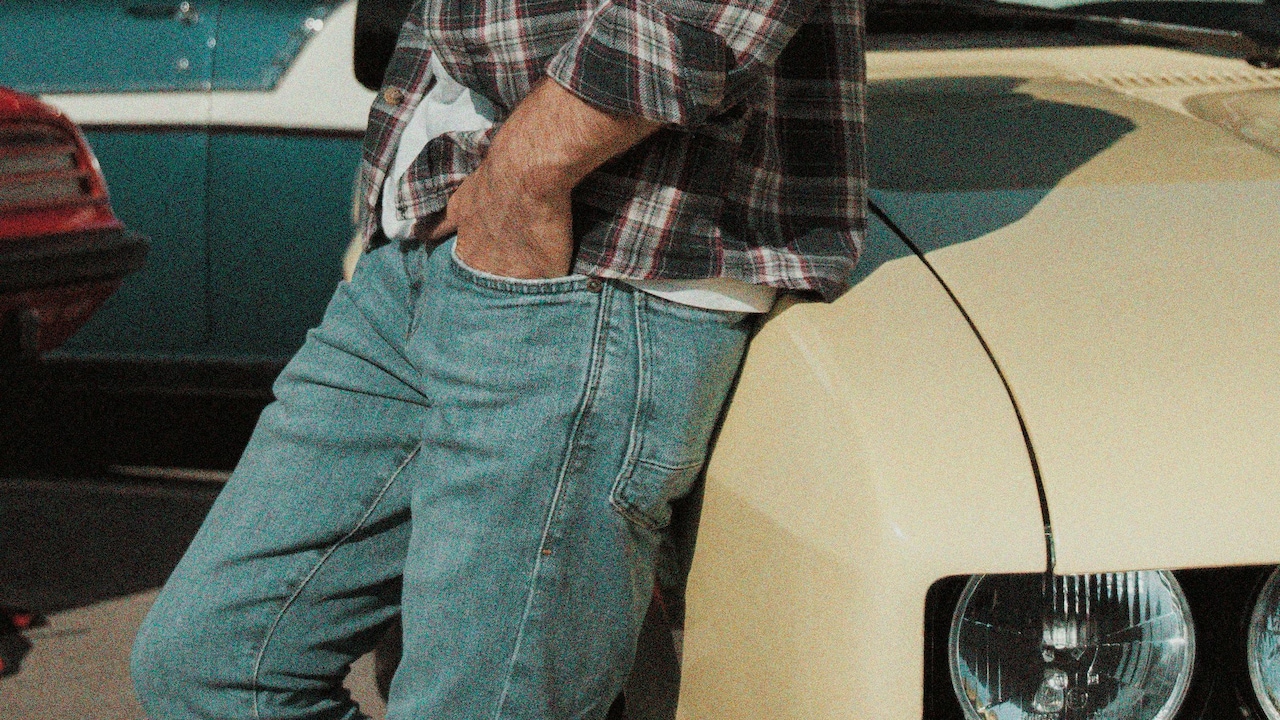
Tight Jeans After Sitting All Day? Causes, Fixes And Better Denim Options; Photo Credit: Pexels
Why Straight-Fit Isn't Always Universally Flattering
Straight-fit jeans gained popularity for their balanced silhouette. Neither too tight nor too loose, they promised versatility. However, this “middle ground” doesn't suit every body type equally.
After prolonged sitting, areas like the thighs and hips may feel tighter because straight-fit jeans don't taper or expand where needed. They maintain a uniform width, which can work against natural body contours.
Bodies are dynamic, not static mannequins. What fits well in a trial room may not translate to real-life scenarios involving movement, sitting, and daily activity.
Exploring fits that consider body variation, such as relaxed or tapered styles, often results in better comfort without sacrificing appearance. Fashion has evolved beyond one-size-fits-all solutions, and wardrobes deserve that flexibility.
The Rise Of Stretch Denim And Why It Matters
Stretch denim has quietly transformed everyday dressing. Blends that include elastane or spandex allow jeans to move with the body rather than resist it.
This innovation addresses one of the biggest complaints about traditional denim, lack of flexibility. After sitting for hours, stretch denim recovers faster and maintains comfort throughout the day.
The difference becomes clear during long workdays or travel. Jeans that stretch adapt to posture changes, reducing pressure and improving ease of movement.
While some hesitate due to concerns about durability, modern stretch denim balances resilience with comfort. Spending slightly more upfront often leads to longer-lasting satisfaction.
A pair priced around ₹2,000 to ₹4,000 in stretch denim can outperform cheaper rigid options that lose comfort quickly.
Relaxed Fit: Comfort Without Compromise
Relaxed-fit jeans offer a subtle shift from straight-fit rigidity. They provide more room in the thighs and hips, allowing natural movement without looking oversized.
This extra space becomes invaluable after long hours of sitting. Instead of clinging to the body, the fabric allows breathing room, reducing that tight, restrictive feeling.
The key lies in choosing a tailored, relaxed fit rather than baggy styles. Modern designs maintain a clean silhouette while offering comfort.
Pairing relaxed jeans with structured shirts or fitted tops balances the look. It's a practical approach for those who want ease without sacrificing style.
Comfort no longer needs to feel like a compromise. Relaxed fits prove that functionality and fashion can coexist seamlessly.
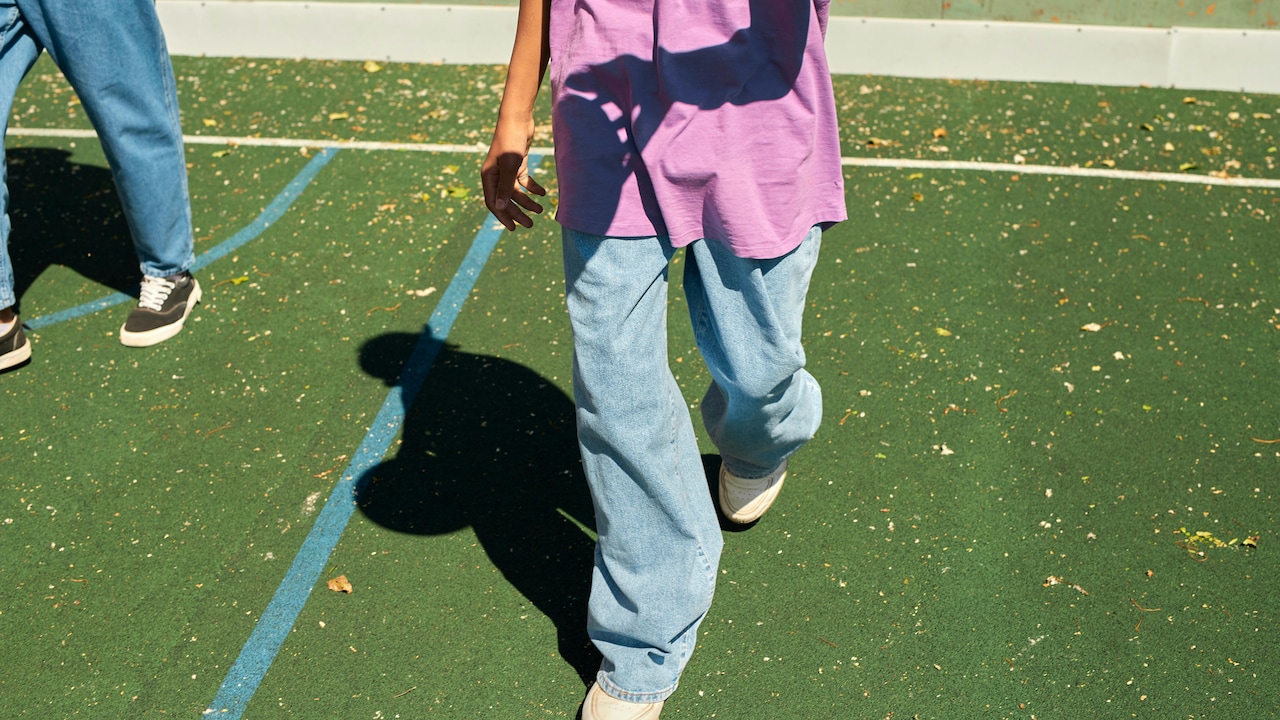
Tight Jeans After Sitting All Day? Causes, Fixes And Better Denim Options; Photo Credit: Pexels
Tapered Jeans: A Smart Middle Ground
Tapered jeans combine the best of both worlds, roomier at the top and narrower towards the ankle. This design accommodates natural body movement while maintaining a polished appearance.
After sitting for long periods, the added space in the upper leg area prevents that uncomfortable tightness associated with straight-fit styles.
The gradual taper ensures the jeans still look sharp, making them suitable for both casual and semi-formal settings. It's a practical upgrade for those hesitant to move away from structured silhouettes.
Tapered jeans also work well with various footwear, from sneakers to loafers, making them a versatile addition to any wardrobe.
Investing in a well-fitted tapered pair often feels like discovering a smarter version of an old favourite.
Jogger-Style Denim: Where Comfort Meets Style
Jogger-style denim blends the relaxed feel of joggers with the look of jeans. Elasticated waists and cuffs make them incredibly comfortable for extended wear.
These jeans are particularly suited for long travel days or work-from-home routines where comfort takes priority. Yet, they don't appear overly casual when styled well.
The elastic waistband eliminates the pressure issues associated with traditional jeans. After hours of sitting, they remain forgiving rather than restrictive.
Modern designs feature sleek cuts and minimal detailing, making them suitable beyond purely casual settings.
Prices typically range from ₹1,200 to ₹3,000, offering an accessible entry into comfort-focused fashion without sacrificing style.
Fabric Blends That Make A Difference
Not all denim is created equal. Fabric composition plays a crucial role in how jeans feel throughout the day.
Blends that include materials like elastane, polyester, or viscose enhance flexibility and durability. They allow jeans to stretch, breathe, and recover better after prolonged sitting.
Lightweight denim options also reduce discomfort, especially in warmer climates. Heavier fabrics tend to trap heat and feel restrictive over time.
Understanding fabric labels helps in making smarter choices. A slight stretch component can significantly improve comfort without altering the overall look.
Choosing the right fabric often matters more than the fit alone. It's a detail that transforms everyday wear into a more enjoyable experience.
The Psychological Side Of Comfort
Clothing doesn't just affect the body; it influences mood and confidence. Tight, uncomfortable jeans can subtly impact focus and productivity.
That constant awareness of discomfort, adjusting waistbands or shifting positions, distracts from daily tasks. Over time, it creates a negative association with certain outfits.
On the other hand, comfortable clothing enhances ease and confidence. It allows attention to remain on work, conversations, or simply enjoying the day.
Switching to better-fitting or more flexible jeans isn't just a style decision. It's a lifestyle upgrade that improves overall well-being.
Feeling good in what's worn often matters more than adhering strictly to traditional fashion norms.
Products Related To This Article
1. HUNTER & HAYES Women Baggy Fit High Rise Blue Jeans
2. HOC Men Straight Fit Mid Rise Light Blue Jeans
3. KLUVS Women Relaxed Fit High Rise Light Blue Jeans
4. WAZWEAR Men Straight Fit Mid Rise Grey Jeans
5. Angela Women Straight Fit Mid Rise Black Jeans
Straight-fit jeans have long held their place as a wardrobe essential, but evolving lifestyles demand more adaptable clothing. Long hours of sitting, whether during commutes or desk work, reveal the limitations of rigid denim.
The discomfort isn't imagined. It stems from fabric behaviour, body movement, and design constraints that don't align with modern routines. Fortunately, alternatives exist that offer both comfort and style.
From stretch denim to relaxed and tapered fits, today's options cater to real-life needs without compromising appearance. Small changes in fabric and fit can transform daily comfort significantly.
The next time a pair of jeans feels tighter than expected, it might be worth reconsidering not the size, but the style itself. After all, clothing should work with the body, not against it.
(Disclaimer: This article may include references to or features of products and services made available through affiliate marketing campaigns. NDTV Convergence Limited (“NDTV”) strives to maintain editorial independence while participating in such campaigns. NDTV does not assume responsibility for the performance or claims of any featured products or services.)