The Real Reason Transparent Heels Hurt More During Weddings And Smarter Alternatives
Transparent heels may look glamorous at weddings, but sweaty feet, poor grip, and painful pressure make them harder to wear for long hours. Here’s why they hurt more, and which stylish alternatives work better.
The Reason Transparent Heels Hurt More During Weddings
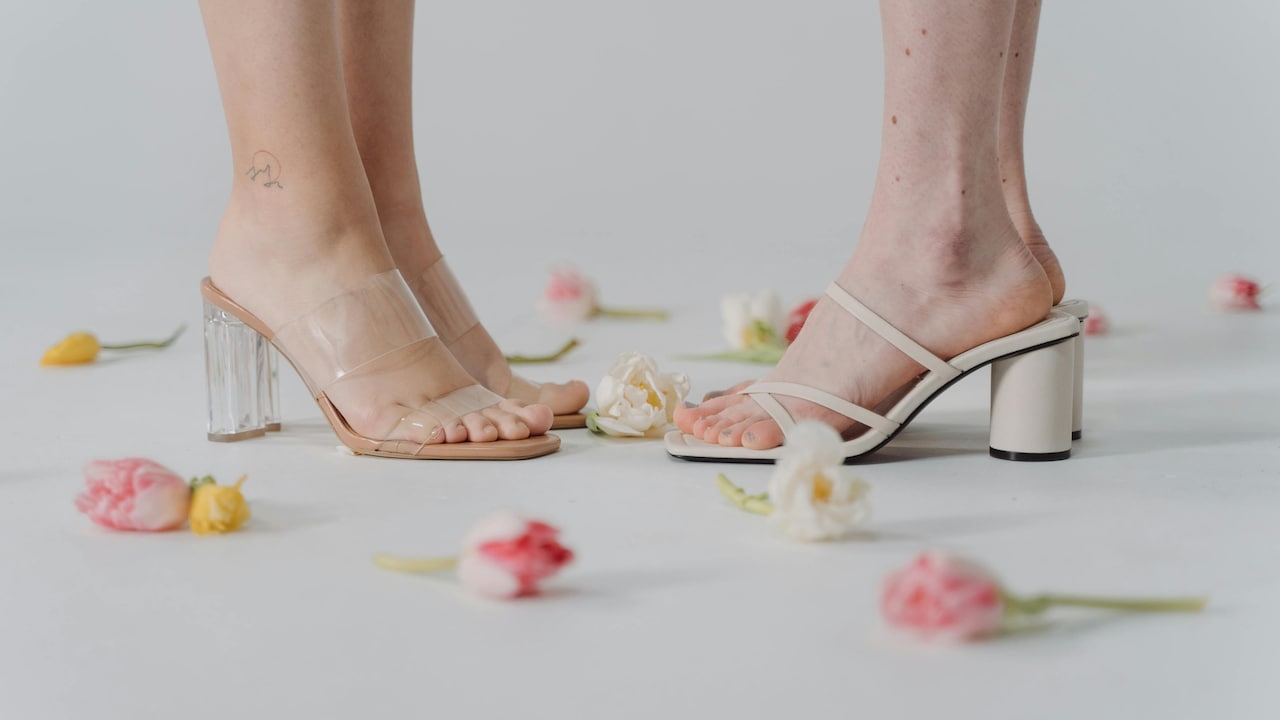
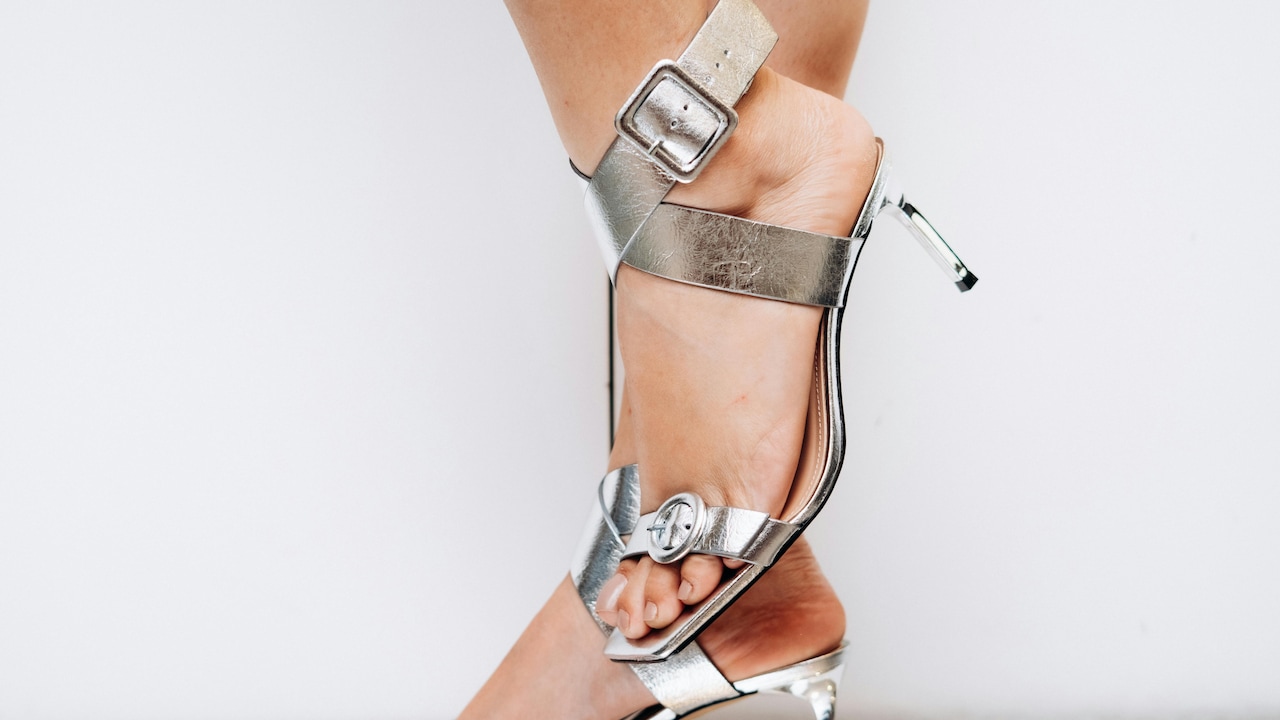
Every wedding season brings one fashion obsession that quietly takes over wardrobes. One year, it was mirror work lehengas. Another year, it was exaggerated sleeves. Lately, transparent heels have claimed the spotlight. They appear everywhere, bridal entries, sangeet dance floors, cocktail parties, and endless Instagram reels filmed under warm golden lighting. At first glance, they seem perfect. Transparent straps create the illusion of longer legs, match almost every outfit, and photograph beautifully. A pair priced around ₹2,500 to ₹6,000 often looks far more luxurious than it actually costs. Naturally, they became the go-to choice for weddings.
The Real Reason Transparent Heels Hurt More During Weddings And Smarter Alternatives
Photo Credit: Pexels
But somewhere between the haldi ceremony and the late-night dessert counter, reality strikes. Feet start swelling. Toes slide forward. Ankles wobble. Smiles begin hiding silent pain. By the time the DJ plays the final dance track, many guests secretly remove their heels under the table.
The problem isn't imagination or poor tolerance for discomfort. Transparent heels genuinely hurt more than traditional footwear, especially during long celebrations that involve standing, dancing, climbing stairs, and surviving crowded banquet halls. The design itself creates several hidden issues that fashion trends rarely mention.
Thankfully, style has evolved. Looking elegant no longer requires sacrificing comfort for ten exhausting hours. Smarter footwear options now combine glamour with practicality, making weddings enjoyable again instead of painful marathons disguised as celebrations.
Why Transparent Heels Become A Wedding Nightmare And What To Wear Instead
Why Plastic Straps Trap Heat And Sweat
Transparent heels usually rely on PVC or acrylic straps. These materials may look sleek, but they trap heat far more than fabric or leather. Weddings already involve heavy outfits, packed venues, bright lights, and endless movement. Feet naturally sweat under those conditions. Plastic straps simply make things worse.
Unlike softer materials, transparent straps do not breathe. Moisture stays trapped against the skin, creating friction with every step. That friction slowly turns into redness, irritation, and eventually painful blisters. Many people notice the problem only after a few hours because the discomfort builds gradually.
The situation becomes even more uncomfortable during outdoor functions. A garden wedding in humid weather can make transparent straps feel almost sticky against the skin. Some women even joke that their feet feel vacuum-packed by midnight.
Traditional embroidered sandals or soft leather block heels allow some airflow. Transparent styles rarely offer that luxury. Ironically, the “barely-there” design often feels more suffocating than heavily embellished footwear.
Fashion trends often prioritise appearance over practicality, and transparent heels fit perfectly into that category. They look light and delicate, but the material behaves completely differently once real movement and heat enter the picture.
Why Feet Slip Inside Transparent Heels
One major reason transparent heels feel unstable involves grip. Plastic surfaces become slippery once feet begin sweating. Unlike suede or cushioned insoles, transparent heels often provide little traction.
This creates a frustrating cycle. Feet slide forward constantly, toes press against the front edge, and balance becomes harder to maintain. During weddings, where people walk across marble floors, polished banquet halls, and sometimes even grassy lawns, that lack of grip quickly turns dangerous.
Many guests unconsciously curl their toes while walking in transparent heels just to stay stable. That tiny adjustment strains foot muscles more than expected. After several hours, arches begin aching and calves tighten painfully.
The issue becomes obvious during dancing. A person may enter confidently during the sangeet but end up clutching nearby chairs after two energetic songs. Transparent stilettos rarely support natural movement because the foot keeps shifting inside the shoe.
Footwear should work with the body, not force constant correction. Yet transparent heels demand continuous balancing acts. The result often includes sore ankles, cramped toes, and exhaustion that appears long before the wedding dinner even begins.
Why Weddings Make Foot Pain Worse
Transparent heels might feel manageable during short dinners or quick parties. Weddings, however, operate on an entirely different scale. Functions stretch for hours. Standing becomes unavoidable. Walking between stages, buffet counters, photo booths, and family groups adds constant pressure.
Heavy outfits also increase strain. A lehenga weighing several kilos changes posture and walking patterns. Sarees require careful steps. Add transparent heels into that equation, and the body starts compensating awkwardly.
Most wedding venues also involve uneven surfaces. Carpeted stages, slippery marble, decorative ramps, and outdoor lawns all challenge balance differently. Transparent heels rarely provide enough support for such unpredictable movement.
Then comes the social expectation to stay cheerful throughout. Nobody wants to complain during family celebrations, so many guests quietly tolerate discomfort instead of changing shoes early. That delay often worsens swelling and blisters.
A common scene unfolds at almost every wedding reception. Elegant heels disappear under tables while guests roam barefoot near the dance floor. The glamour lasts for photos, but practicality eventually wins.
The problem isn't weak feet. Weddings simply expose every flaw in uncomfortable footwear designs because celebrations demand endurance, not just appearance.
Why Transparent Heels Lack Proper Support
Most transparent heels focus heavily on aesthetics. Comfort features often become secondary. Thin straps, narrow soles, and tall stilettos create a sleek look but provide minimal structural support.
Feet need stability, especially during prolonged standing. Proper footwear distributes body weight evenly. Transparent heels rarely achieve that balance because they prioritise the illusion of floating straps and delicate silhouettes.
Arch support becomes another major issue. Flat insoles combined with hard plastic materials force pressure onto specific areas of the foot. Over time, this leads to burning sensations near the ball of the foot and sharp heel pain.
Ankles also suffer because transparent designs often fail to hold the foot securely. Even slight instability forces surrounding muscles to work harder for balance. By the end of a wedding function, many people experience soreness extending from the feet to the calves and lower back.
The irony feels almost cruel. Expensive makeup survives the evening. Jewellery stays intact. Hair remains flawless after layers of hairspray. Yet the one thing carrying the entire outfit, the footwear, causes the most chaos.
Good design should support movement naturally. Transparent heels frequently ignore that principle in favour of visual trends.
Also Read: Carlton London And Marc Loire Flats And Heels At Min 50% Off
Why Fashion Trends Keep Pushing Them Anyway
Despite the discomfort, transparent heels continue dominating wedding fashion. The reason lies largely in visual appeal. They photograph beautifully and match nearly every outfit colour. Stylists love their versatility because one pair can work with multiple looks.
Social media also fuels their popularity. Camera angles rarely capture discomfort. They capture glossy poses, dramatic twirls, and polished close-ups. Nobody uploads photos of blistered toes beside the dessert counter.
Celebrity influence plays a role, too. Many actresses wear transparent heels with couture outfits, creating an aspirational effect. What remains hidden is the reality behind those appearances. Celebrity styling teams often prepare backup footwear immediately after photoshoots or stage appearances.
Fast fashion brands then replicate the trend quickly. Affordable versions flood online stores and local markets, making transparent heels seem like a wedding essential.
There's also psychological pressure attached to wedding dressing. People want outfits to appear modern and fashionable. Transparent heels signal trend awareness instantly, even if comfort disappears entirely.
Fashion cycles often ignore practicality until enough people begin questioning them openly. Fortunately, wedding guests have started prioritising comfort alongside style, especially after several painful seasons dominated by plastic footwear.
Why Block Heels Make Smarter Wedding Choices
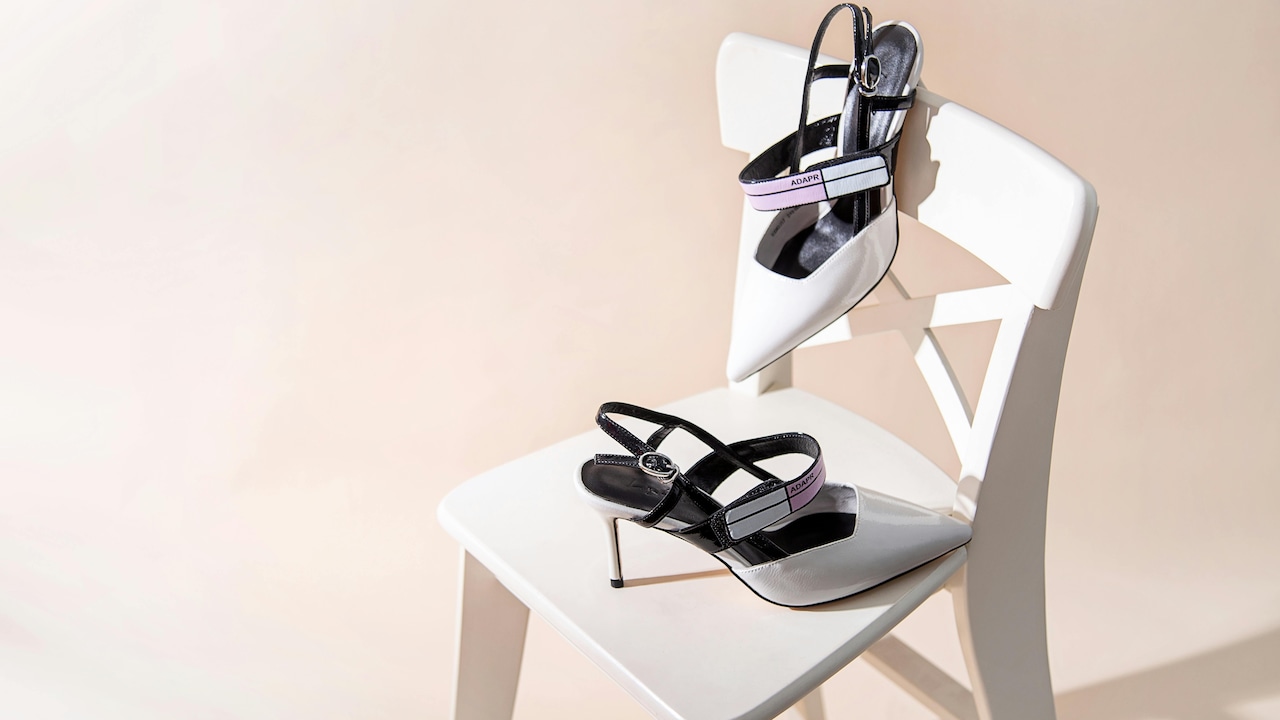
Block heels solve many problems created by transparent stilettos. Their wider base distributes weight more evenly, reducing strain on arches and ankles. They also provide better stability across uneven wedding venues.
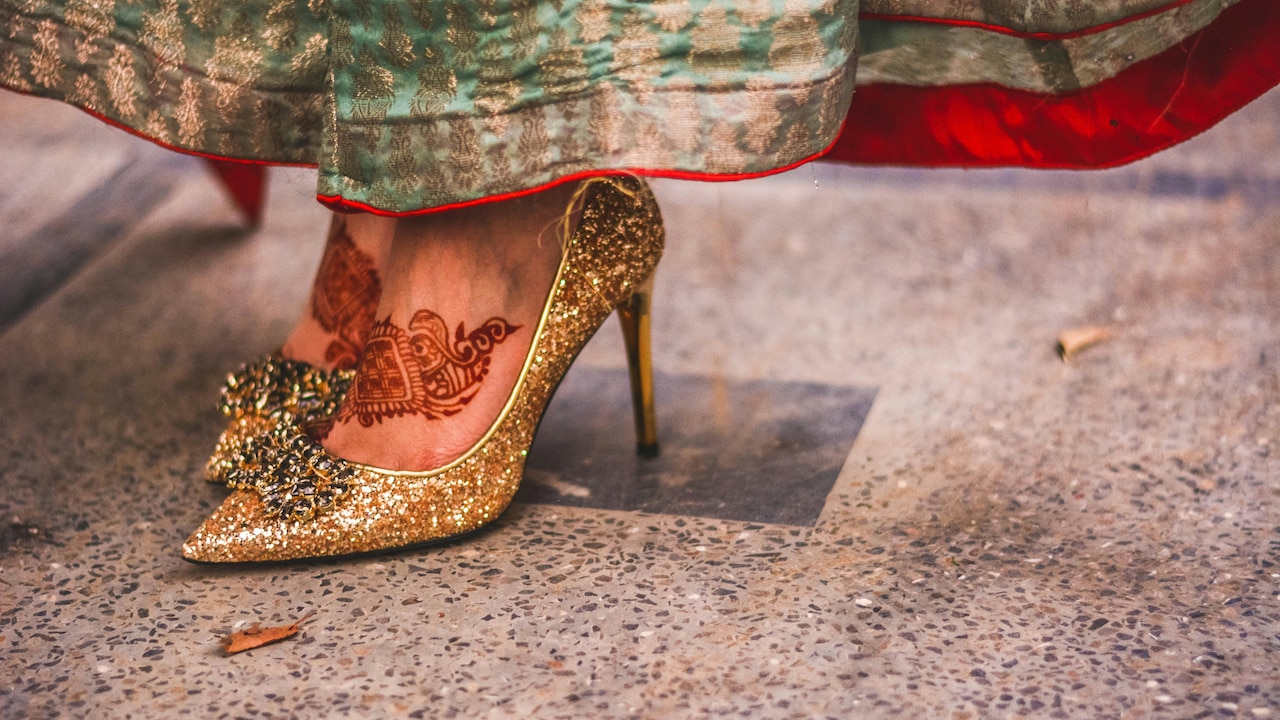
Modern block heels no longer look boring or outdated. Designers now create stunning options with mirror work, pearls, sequins, metallic finishes, and embroidery that pair beautifully with festive outfits.
Comfort improves dramatically because the foot stays more secure. Walking feels natural instead of cautious. Dancing becomes possible without fearing an accidental ankle twist midway through a Bollywood track.
Block heels also suit longer events better. A person attending multiple wedding functions across three days needs footwear that survives extended wear. Nobody enjoys starting the mehendi ceremony already nursing blisters from the cocktail night.
Another advantage involves versatility. A well-designed pair priced around ₹3,000 to ₹5,000 can easily work beyond weddings too. They pair effortlessly with sarees, co-ord sets, and even festive kurtas during celebrations later in the year.
Fashion has finally begun recognising an important truth. Confidence looks far more attractive than visible discomfort hidden behind forced smiles.
The Real Reason Transparent Heels Hurt More During Weddings And Smarter Alternatives
Photo Credit: Pexels'
Why Wedges Work Better Than Expected
Wedges often suffer from an unfair reputation. Some people associate them with outdated fashion trends from years ago. In reality, modern wedges have evolved into stylish, practical wedding footwear.
Their biggest advantage lies in balance. Unlike stilettos, wedges support the entire foot evenly. This reduces pressure points and makes long hours far more manageable.
Outdoor weddings especially favour wedges. Garden lawns and uneven pathways become nightmares for thin heels, but wedges remain stable and practical. Nobody wants their heel sinking dramatically into the grass while trying to pose for photographs.
Designs have also improved significantly. Metallic wedges with embellishments now blend beautifully with festive clothing. Some styles look so elegant that guests barely notice they are comfort-focused shoes.
Wedges also help posture. The body feels more grounded, reducing lower back strain during lengthy ceremonies. That matters more than people realise, especially during wedding seasons packed with back-to-back functions.
There's a quiet confidence in choosing comfort without sacrificing style. It signals practicality rather than blindly following trends. Besides, dancing freely during the final DJ set feels far more satisfying than sitting awkwardly while secretly massaging aching feet.
Why Juttis And Embellished Flats Are Winning Again
Traditional footwear has made a strong comeback recently, and honestly, it deserves the attention. Embellished juttis and festive flats combine comfort, craftsmanship, and elegance beautifully.
Years ago, many people considered flats too casual for weddings. That perception has changed dramatically. Designers now create heavily embroidered pairs featuring pearls, zari work, sequins, beads, and mirror detailing that rival heels visually.
Comfort becomes the obvious advantage. Feet stay relaxed, movement feels effortless, and guests can survive entire celebrations without plotting escape routes toward the nearest chair.
Juttis also suit cultural outfits naturally. They complement lehengas, shararas, sarees, and anarkalis without appearing mismatched. A detailed pair around ₹1,500 to ₹4,000 often delivers far more value than uncomfortable heels worn once and abandoned forever.
Another underrated benefit involves confidence. Comfortable footwear changes body language completely. People walk naturally, mingle longer, and dance without hesitation.
Wedding celebrations should feel joyful, not physically punishing. Traditional footwear understands balance better than many fast-moving fashion trends ever will.
Sometimes the smartest fashion choice involves returning to designs that already worked brilliantly for generations.
Why Cushioning Matters More Than Heel Height
Many people blame heel height alone for wedding discomfort. Surprisingly, cushioning matters just as much. Even moderate heels become painful without proper padding and support.
Cheap transparent heels often cut costs through thin insoles and rigid materials. Initially, they may feel manageable during trial wear at home. Problems emerge only after prolonged standing and movement.
Cushioned footwear absorbs impact more effectively. Every step places pressure on joints, especially during crowded events involving constant walking. Good padding reduces that stress significantly.
Several newer footwear brands now focus specifically on festive comfort. They add memory foam insoles, padded straps, and ergonomic designs without sacrificing aesthetics. Some styles even mimic luxury wedding heels while secretly functioning like comfortable everyday footwear.
Smart shoppers increasingly prioritise these details over trend-driven appearances. The shift reflects changing attitudes toward fashion overall. People want outfits that look beautiful but also allow real enjoyment.
Nobody remembers whether heels featured transparent straps by the end of the night. They do remember who danced confidently till midnight and who disappeared early, searching desperately for slippers.
Comfort quietly shapes the entire wedding experience more than fashion trends admit.
Why Smart Styling Beats Painful Fashion Choices
Wedding fashion often creates unnecessary pressure. Social media encourages perfection, but real celebrations involve movement, laughter, food, dancing, and long conversations with relatives spotted after years.
Footwear should support those moments instead of limiting them.
A beautifully styled outfit does not depend entirely on towering transparent heels. Accessories, draping, makeup, hairstyles, and confidence contribute far more to overall appearance. Smart styling means balancing glamour with practicality.
Many fashion-conscious guests now carry backup flats in embellished potli bags. Others choose lower heels for daytime functions and reserve statement footwear for shorter evening appearances. These small adjustments make celebrations far more enjoyable.
The smartest dressers rarely chase trends blindly. They adapt fashion to suit real life. That mindset creates outfits that feel effortless instead of exhausting.
Transparent heels may still dominate social feeds for now, but comfort-focused fashion keeps growing stronger. Practical elegance has slowly become more desirable than painful perfection.
After all, weddings create memories meant to last forever. Blisters should not become one of them.
The Real Reason Transparent Heels Hurt More During Weddings And Smarter Alternatives
Photo Credit: Pexels
Products Related To This Article
1. Mochi Gold-Toned Embellished T-Strap Wedge
2. Baespice Wedge Sandals
3. madam glorious Women Embellished Wedge Heel Sandals
4. DressBerry Embellished Wedge Sandals
5. Anouk Women Embellished Wedge Heel Sandals
6. Metro Embellished Open Toe Wedge Heels
7. Denill Textured One Toe Wedge Heels
Transparent heels mastered the art of looking glamorous while quietly causing chaos underneath flowing lehengas and sparkling sarees. Their sleek appearance hides genuine design flaws that become painfully obvious during long wedding celebrations. Heat-trapping materials, slippery surfaces, weak support, and unstable structures all contribute to the discomfort many people experience.
Thankfully, fashion no longer revolves around suffering for style. Block heels, wedges, cushioned sandals, embellished flats, and elegant juttis now offer smarter alternatives without compromising sophistication.
The shift toward comfortable fashion feels refreshing because it reflects real priorities. Weddings should involve dancing without fear, walking confidently across crowded venues, and enjoying celebrations fully instead of counting minutes until shoes come off.
Great style has never depended entirely on trends. It comes from feeling comfortable enough to smile naturally, move freely, and stay present throughout the celebration.
And honestly, nothing looks more stylish than someone genuinely enjoying the wedding instead of silently negotiating with aching feet near the buffet counter.
(Disclaimer: This article may include references to or features of products and services made available through affiliate marketing campaigns. NDTV Convergence Limited (“NDTV”) strives to maintain editorial independence while participating in such campaigns. NDTV does not assume responsibility for the performance or claims of any featured products or services.)