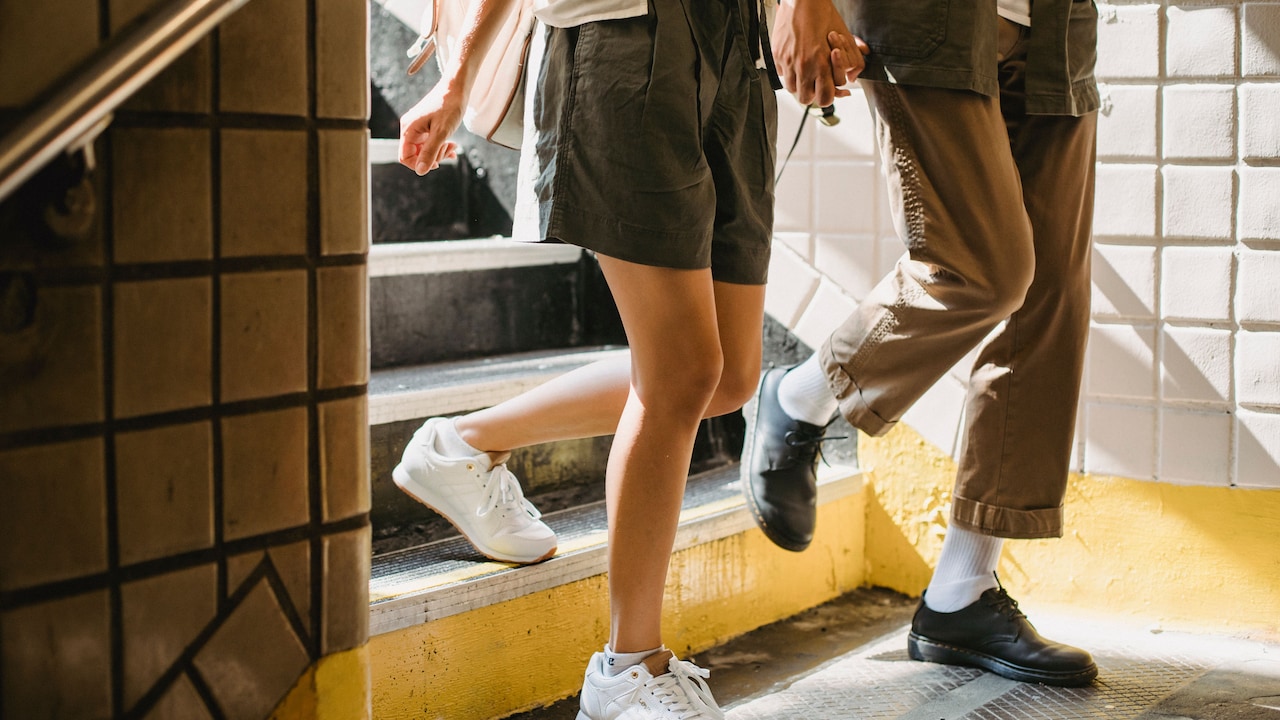
Tired Of Dresses That Add Bulk Instead Of Flow: Fabric Choice Breakdown
Bulky dresses often come down to poor fabric choices. From stiff synthetics to heavy layers, this guide breaks down which materials add weight and which create effortless flow for all-day comfort.
Why Your Dresses Feel Bulky: The Ultimate Fabric Guide For Better Flow
Every wardrobe holds at least one dress that looked perfect on the hanger but felt disappointingly heavy when worn. Instead of graceful movement, the fabric clings, bunches, or adds unnecessary volume. It leaves a lingering question: why does something so beautiful feel so awkward?
The answer rarely lies in the design alone. Fabric plays the quiet yet powerful role of shaping how a dress behaves. A wrong choice can turn even a well-tailored piece into something bulky and unflattering. Meanwhile, the right fabric creates effortless flow, catching the breeze and enhancing natural movement.
With rising temperatures, busy city commutes, and festive gatherings that stretch for hours, comfort and elegance need to go hand in hand. No one wants to feel weighed down while navigating crowded streets or attending a family function. Understanding fabric choices can make all the difference between feeling restricted and feeling radiant.
This breakdown explores how different fabrics behave, why some add bulk, and how others bring that coveted sense of lightness. The goal is simple: to help every dress feel like it belongs, not just in a wardrobe, but in real, everyday moments.

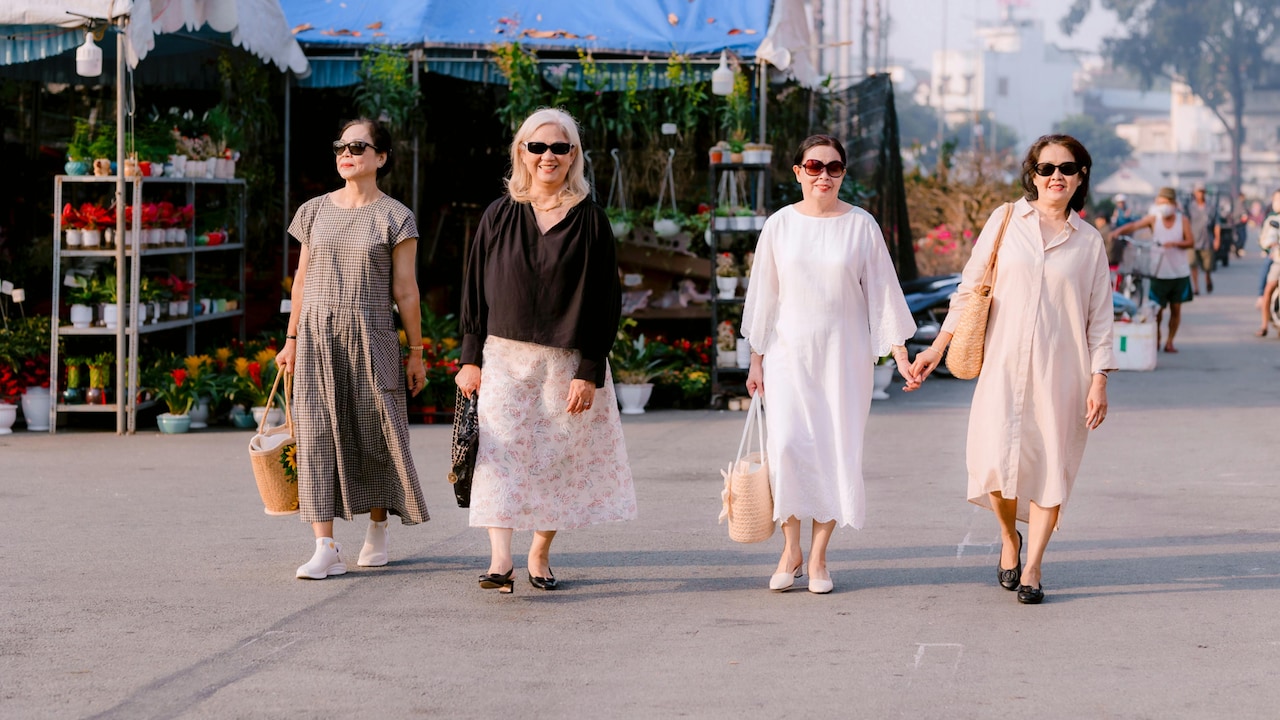
Why Your Dresses Feel Bulky: The Ultimate Fabric Guide For Better Flow; Photo Credit: Pexels
Understanding Fabric And Flow In Everyday Dresses
Why Fabric Weight Changes Everything
Fabric weight often gets overlooked, yet it dictates how a dress sits and moves. Heavier materials like thick polyester blends or dense brocade can create structure, but they also add volume. That volume may look impressive at first glance, especially in festive wear, but it tends to overwhelm the body in everyday settings.
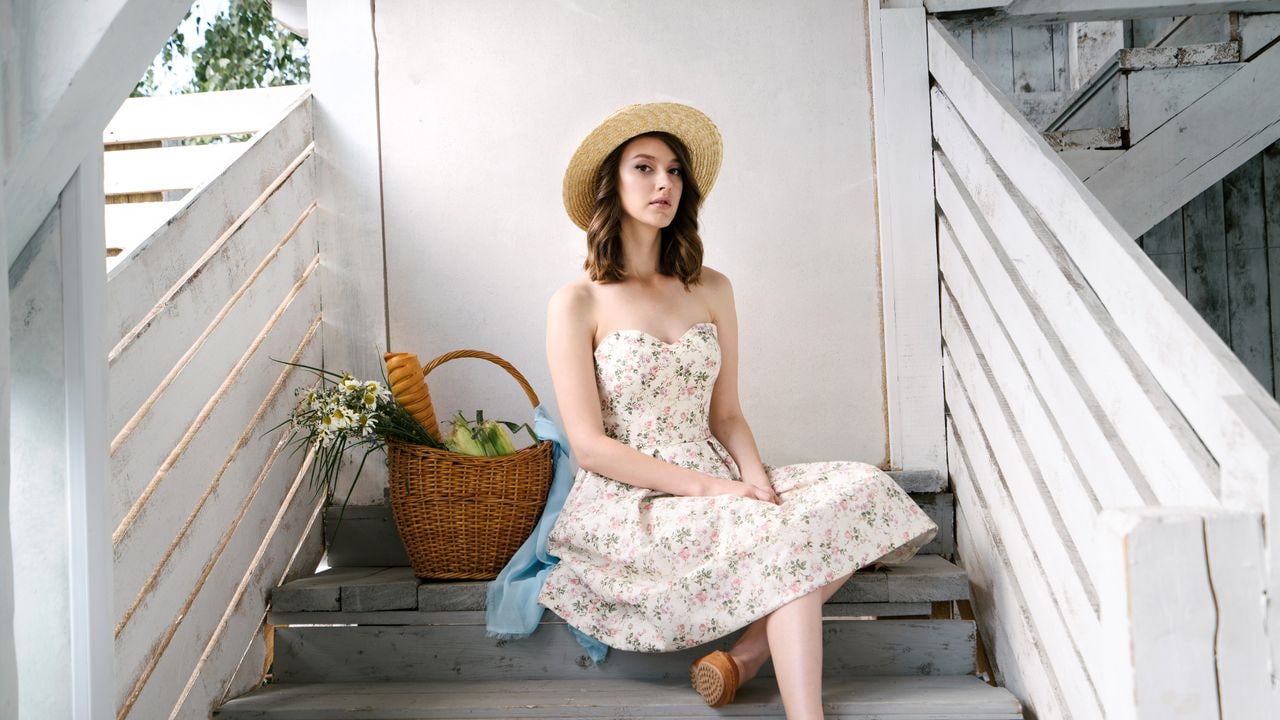
Lighter fabrics, on the other hand, create natural movement. Think of how a soft cotton dress sways during a walk or how chiffon flutters slightly with each step. These fabrics respond to motion instead of resisting it. That responsiveness makes the difference between looking stiff and looking effortless.
In climates where humidity and heat dominate most of the year, heavy fabrics can quickly become uncomfortable. A ₹2,000 dress made from breathable cotton can feel far more luxurious than a ₹5,000 piece crafted from thick synthetic material. Comfort, after all, shapes confidence.
Understanding fabric weight helps avoid that bulky silhouette. It allows a dress to complement the body rather than compete with it. The result feels lighter, both physically and visually, which is exactly what a flowing dress should achieve.
Also Read: 8 Best Affordable Dresses Under ₹1000 For A Premium Look Without The Price
The Trouble With Stiff Synthetics
Synthetic fabrics like polyester and nylon dominate many affordable collections. They hold shape well, resist wrinkles, and often come with attractive price tags. However, they also tend to lack softness and flexibility, which can lead to that dreaded bulky feel.
Stiff synthetics do not drape naturally. Instead, they sit on the body, creating harsh lines and sometimes trapping heat. This becomes especially noticeable during long days out or festive evenings. A dress may look polished in photographs but feel restrictive after just a few hours.
Another issue lies in how these fabrics interact with movement. Instead of flowing, they remain rigid. Walking, sitting, or even standing can highlight awkward folds rather than graceful lines. This creates a silhouette that feels heavier than it actually is.
That said, not all synthetics are problematic. Blended fabrics with a touch of viscose or elastane can improve flexibility and comfort. The key lies in checking how the fabric feels rather than relying on labels alone. A quick touch test in a store often reveals whether a dress will flow or fall flat.
Cotton: The Everyday Hero
Cotton rarely disappoints. It feels breathable, adapts well to heat, and offers a softness that instantly makes a dress more wearable. However, not all cotton fabrics behave the same way, which explains why some cotton dresses still feel bulky.
Heavier cotton, such as canvas or thick khadi, adds structure but can also create stiffness. While perfect for certain silhouettes, it may not suit those seeking flow. Lighter cotton varieties, like voile or lawn, offer a completely different experience. They drape gently and move with ease, making them ideal for daily wear.
The beauty of cotton lies in its versatility. A simple ₹1,500 cotton dress can feel just as elegant as a pricier alternative when the fabric is right. It allows air circulation, reduces discomfort, and keeps the body cool even during long commutes or outdoor gatherings.
For those chasing that effortless, breezy look, lightweight cotton remains a reliable choice. It strikes a balance between comfort and style, proving that simplicity often delivers the best results.
Linen: Effortlessly Relaxed But Tricky
Linen carries a certain charm. It looks relaxed, slightly textured, and undeniably stylish. Yet, it can be a double-edged sword when it comes to flow. While lightweight linen offers breathability, it also wrinkles easily and can appear stiff if not tailored well.
A poorly structured linen dress may sit awkwardly, creating boxy shapes rather than fluid lines. This often leads to the illusion of added bulk, especially in straight-cut designs. However, when crafted thoughtfully, linen can look incredibly graceful.
The trick lies in choosing softer linen blends or garments that allow for movement. Dresses with slight gathers or layered cuts tend to perform better than rigid silhouettes. Pairing linen with relaxed designs enhances its natural appeal instead of fighting against it.
Despite its quirks, linen remains a favourite for warm weather. It feels light on the skin and carries a laid-back elegance that works beautifully for casual outings. When styled well, it offers flow without compromising comfort.
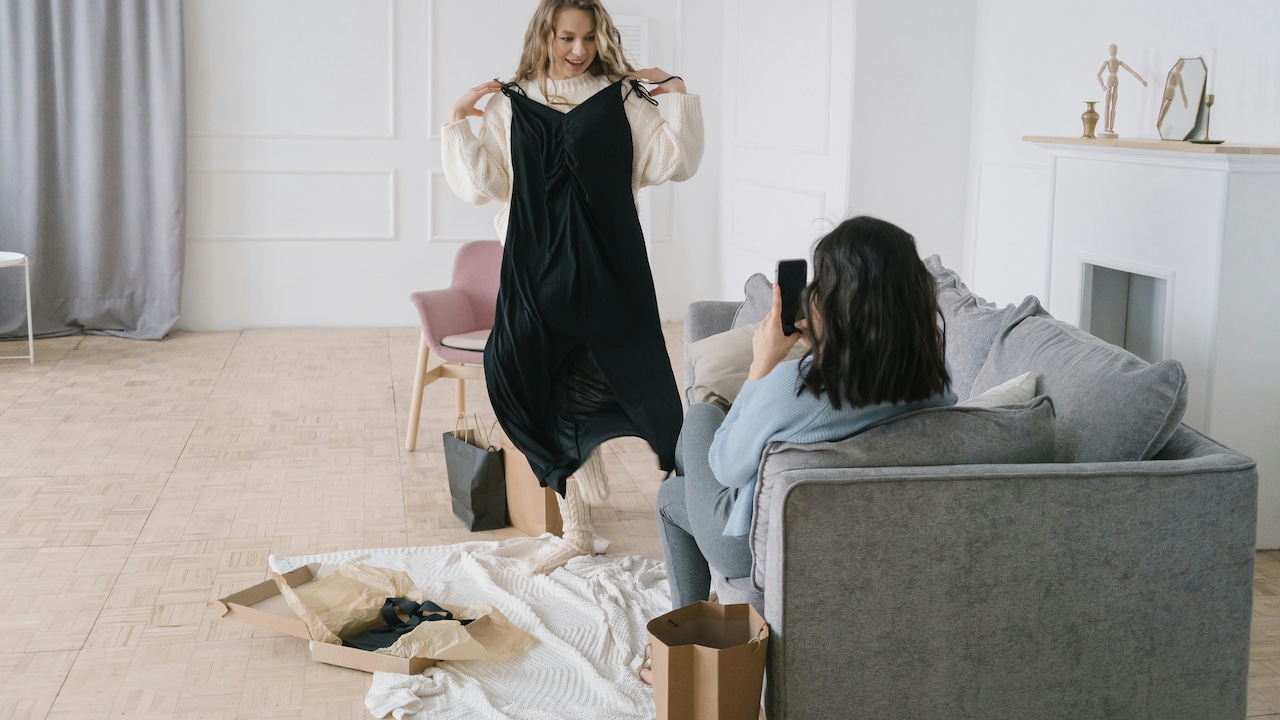
Why Your Dresses Feel Bulky: The Ultimate Fabric Guide For Better Flow; Photo Credit: Pexels
Chiffon: The Ultimate Flow Maker
Chiffon almost defines the idea of a flowing dress. Its sheer, lightweight nature allows it to move with the slightest breeze. Whether worn at a festive event or a casual evening gathering, chiffon brings softness and grace.
Unlike heavier fabrics, chiffon does not cling in awkward places. Instead, it drapes gently, creating layers that add depth without bulk. This makes it particularly flattering for a variety of body types. The fabric works with movement, enhancing every step.
However, chiffon often requires lining, which can influence how it feels. A poorly chosen lining can add weight or restrict movement, defeating the purpose. Choosing breathable linings ensures that the dress retains its airy quality.
Despite being slightly delicate, chiffon remains a popular choice for those seeking elegance without heaviness. It proves that a fabric does not need to be thick to make a statement. Sometimes, the lightest materials leave the strongest impression.
Georgette: Flow With A Bit Of Structure
Georgette offers a balance between structure and fluidity. Slightly heavier than chiffon, it provides more body while still allowing movement. This makes it a versatile option for both casual and semi-formal wear.
The subtle texture of georgette prevents excessive cling, which helps in creating a smoother silhouette. It flows well but does not feel overly delicate, making it easier to manage during long events or busy days.
One reason georgette works so well lies in its adaptability. It suits a range of designs, from layered dresses to simple straight cuts. Unlike stiff fabrics, it responds to movement without losing its shape.
For those who find chiffon too fragile but still want that flowing effect, georgette offers a practical alternative. It delivers elegance without demanding constant adjustment, making it a reliable addition to any wardrobe.
Silk: Luxury That Needs Balance
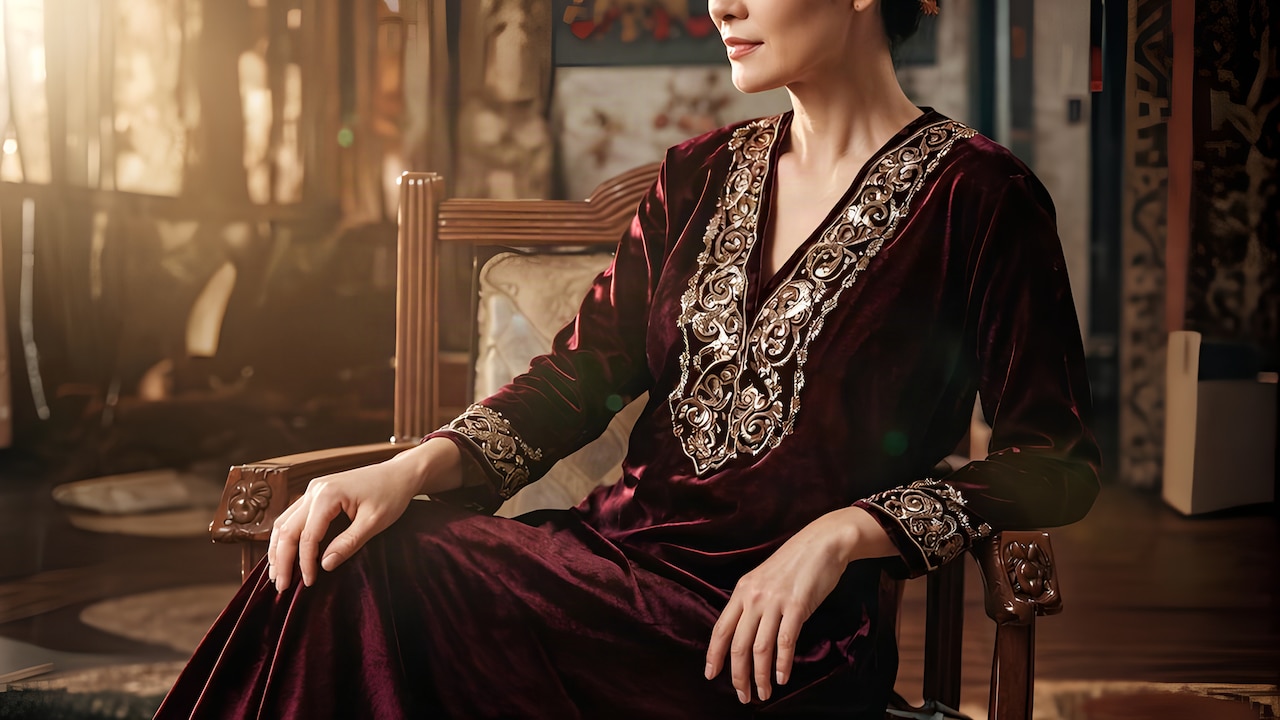
Silk carries an undeniable allure. It feels smooth, looks rich, and instantly elevates any outfit. However, not all silk fabrics guarantee flow. Heavier varieties can add volume, while lighter ones create that coveted graceful movement.
The key lies in choosing the right type. Silk blends and softer variants tend to drape better, while thicker silks may feel rigid. A ₹8,000 silk dress may look stunning but can feel bulky if the fabric lacks fluidity.
Another factor to consider is how silk interacts with humidity. It can cling slightly, which may affect comfort during warmer days. Proper tailoring and breathable linings help maintain ease of wear.
When chosen wisely, silk offers a perfect mix of luxury and movement. It proves that elegance does not need to come at the cost of comfort. Instead, it enhances both when the fabric aligns with the design.
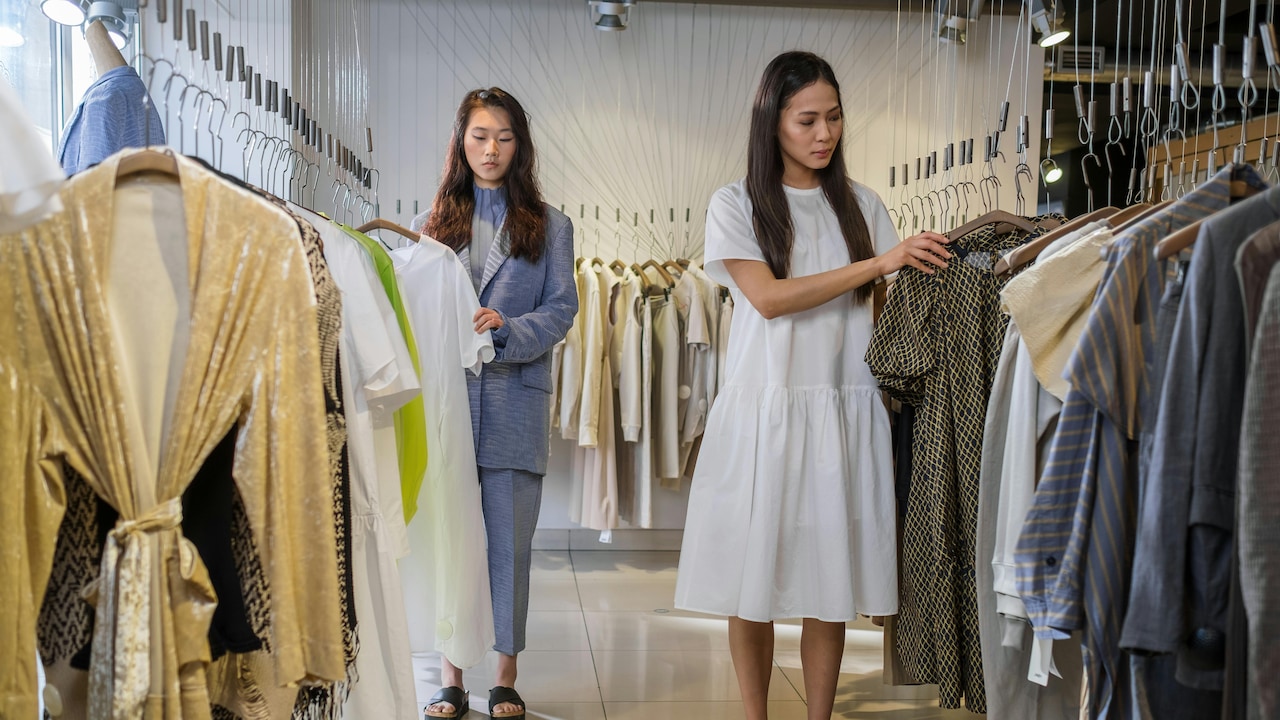
Why Your Dresses Feel Bulky: The Ultimate Fabric Guide For Better Flow; Photo Credit: Pexels
Avoiding The Layering Trap
Layers often promise volume and drama, but they can easily tip into excess. Too many layers, especially in heavier fabrics, create a bulky silhouette that hides natural movement.
The problem lies not in layering itself but in how it is executed. Lightweight layers, such as chiffon over cotton, add dimension without weight. In contrast, multiple thick layers can feel overwhelming, particularly in warm weather.
A dress meant for a festive occasion might justify additional layers, but everyday wear benefits from restraint. Keeping layers minimal allows the fabric to move freely, creating a more relaxed and flattering look.
Choosing smarter layering ensures that the dress enhances rather than overwhelms. It brings balance, allowing style and comfort to coexist without compromise.
The Role Of Fabric Blends
Blended fabrics often go unnoticed, yet they play a crucial role in improving comfort and flow. Combining natural and synthetic fibres can create materials that offer the best of both worlds.
For instance, a cotton-viscose blend feels softer and drapes better than pure cotton. Similarly, adding a small percentage of elastane can improve flexibility, making the dress more adaptable to movement.
These blends often reduce issues like stiffness or excessive wrinkling. They allow fabrics to retain shape while still offering fluidity. This makes them particularly useful for daily wear, where practicality matters as much as style.
Exploring blended fabrics opens up new possibilities. It shows that achieving flow does not always require expensive materials. Sometimes, the right combination creates a perfect balance.
Choosing Fabric Based On Occasion
Not every fabric suits every moment. A flowing chiffon dress may work beautifully for an evening event but feel impractical for a long day out. Similarly, structured cotton may suit office wear but lack the softness needed for relaxed outings.
Understanding the occasion helps in selecting the right fabric. Light, breathable materials work best for daytime activities, while slightly heavier fabrics can add polish to formal settings. The goal remains the same: avoid unnecessary bulk.
Price does not always determine comfort. A ₹1,200 dress chosen thoughtfully can outperform a pricier option if the fabric aligns with the occasion. Paying attention to how a dress feels during movement often reveals its true value.
Matching fabric to context ensures that style feels effortless. It allows the dress to complement the moment rather than complicate it.
Products Related To This Article
1. Sangria Embroidered Cotton Maxi Ethnic Dress
2. Anayna Printed Halter Neck Dress
3. Max Tie-Up Neck Puff Sleeve Fit & Flare Midi Dress
4. Claura Women Floral Print Mandarin Collar Short Sleeves Fit and Flare Midi Dress
5. Boholyfe Women Radiant glow paisley print boho mini dress
6. Mast & Harbour Olive Green Solid Tiered Shirt Dress
7. DressBerry Pure Cotton Colourblocked Ruffled Tiered Fit & Flare Maxi Dress with Bow Detail
A dress should feel like a natural extension of movement, not a constraint. When fabric choices align with comfort and design, the difference becomes immediately noticeable. Flow replaces stiffness, ease replaces discomfort, and confidence follows naturally.
The journey towards better dressing does not require a complete wardrobe overhaul. It begins with awareness. Understanding how fabrics behave helps in making smarter choices, whether shopping at a local market or browsing a premium store.
Every dress tells a story, but the fabric decides how that story unfolds. Choosing lighter, more responsive materials transforms not just the outfit but the experience of wearing it.
In the end, style feels most powerful when it feels effortless. And that effortless charm often begins with something as simple as the right fabric.
(Disclaimer: This article may include references to or features of products and services made available through affiliate marketing campaigns. NDTV Convergence Limited (“NDTV”) strives to maintain editorial independence while participating in such campaigns. NDTV does not assume responsibility for the performance or claims of any featured products or services.)