Best Dishwasher Detergents: Compare Gel Vs Tablet Vs Powder For Sparkling Clean Dishes
Gel, tablet or powder, choosing the right dishwasher detergent can transform your wash results. This guide compares all three to help you get spotless dishes, better shine and value for money, every single cycle.
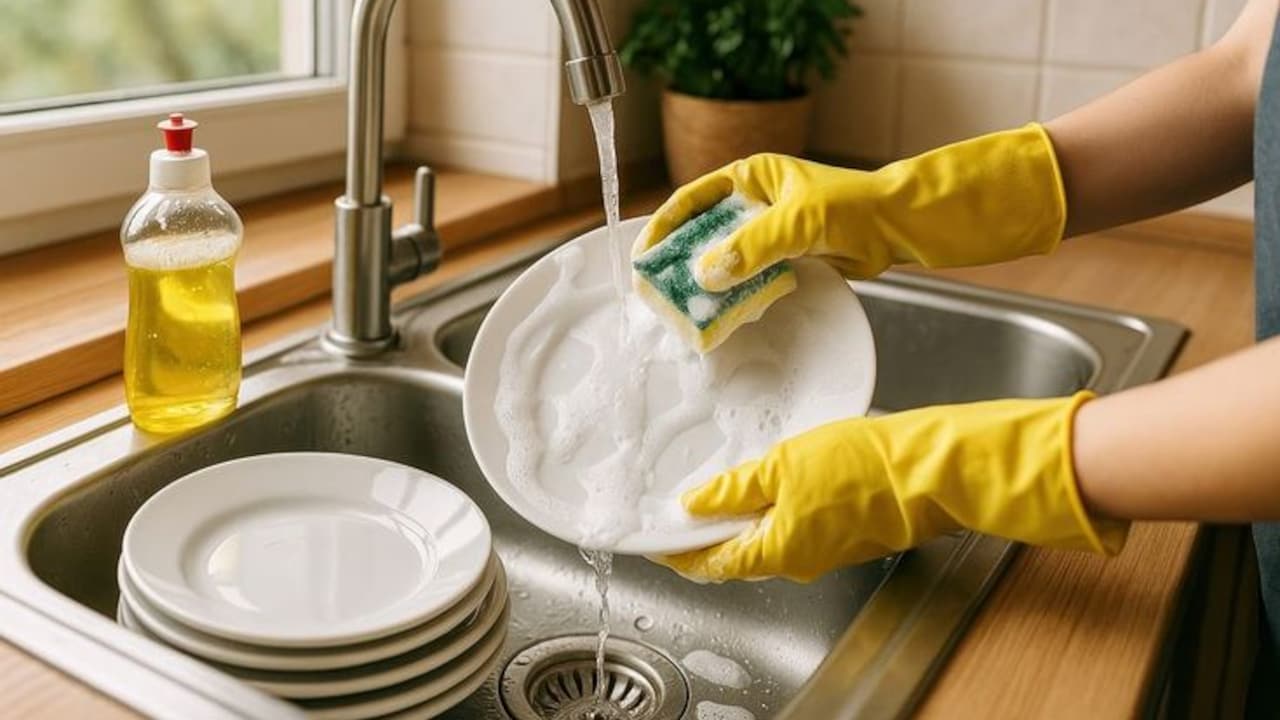
Best Dishwasher Detergents in 2026: Gel vs Tablet vs Powder Compared - Know The Right Choice.
The dishwasher has slowly moved from a luxury item to a practical kitchen companion. Busy mornings, late dinners, and family gatherings often leave behind piles of plates that nobody wants to scrub. A good dishwasher handles the job with ease, but detergent choice makes all the difference.
Supermarket shelves now feature powders, gels, and tablets, each promising “sparkling clean” results. Advertisements make bold claims, yet real-life results depend on water quality, food habits, and daily usage. A detergent that works beautifully for lightly soiled breakfast plates may struggle with oily handi handi dinners.
This article explores the strengths and weaknesses of gel, tablet, and powder dishwasher detergents. It focuses on cleaning performance, convenience, cost, and suitability for everyday cooking styles. Expect practical comparisons, relatable examples, and a few light-hearted truths from modern kitchens. By the end, selecting the right detergent should feel far less daunting and much more satisfying.
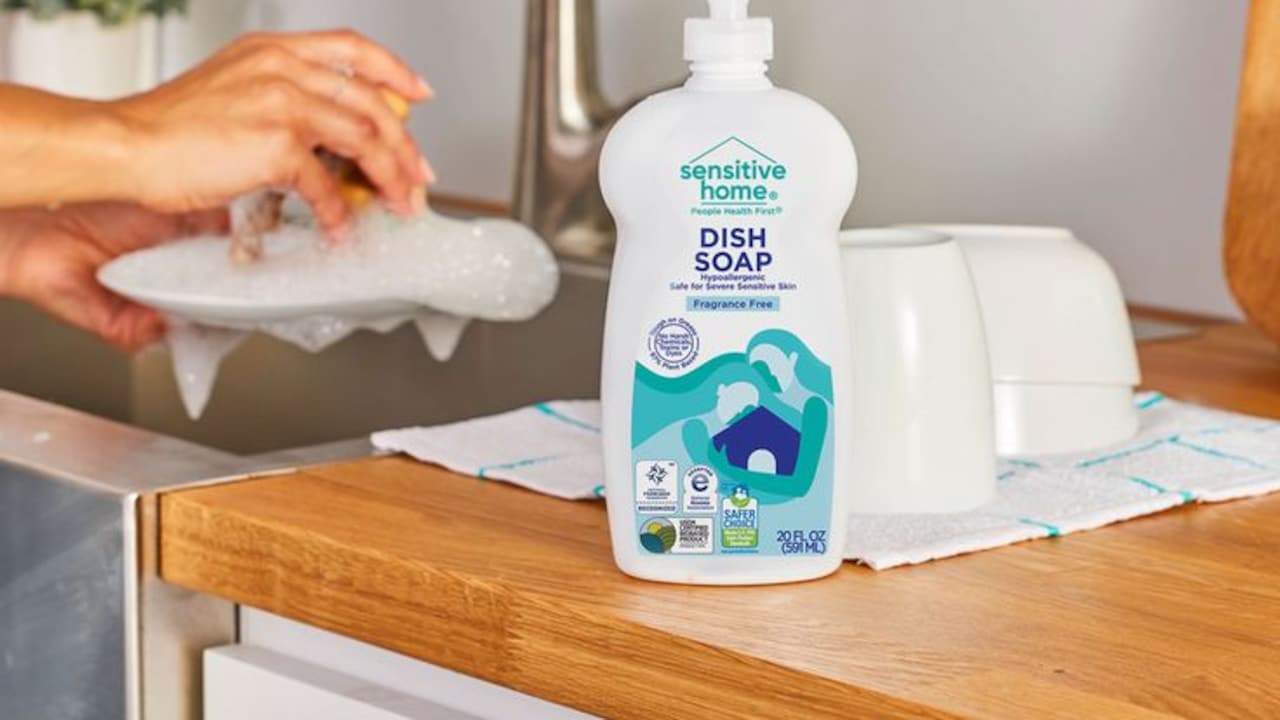
Gel Vs Tablet vs Powder Dishwasher Detergents: Pros, Cons And What To Choose; Photo Credit: Pexels
A Closer Look At Dishwasher Detergents And What Sets Them Apart
1. Understanding Dishwasher Detergents: Why Form Matters
Dishwasher detergents do more than remove visible food. They soften water, break down grease, lift dried-on stains, and protect glassware from cloudiness. The form, gel, tablet, or powder controls how these tasks unfold during a wash cycle.
Powders dissolve gradually, which allows better control over dosage. Tablets arrive pre-measured and convenient, while gels spread quickly and work well in shorter cycles. Each form interacts differently with water temperature and spray pressure inside the machine.
Households that cook rich curries or fry often may notice leftover residue when the detergent struggles to tackle grease. On the other hand, tea cups and steel plates from light meals demand gentler but consistent cleaning. The detergent form influences how enzymes activate and how effectively food particles wash away.
Understanding these basics helps avoid frustration. Instead of blaming the dishwasher, a simple switch in detergent form can transform results. Clean dishes often come down to chemistry, timing, and the right format for daily routines.
2. Dishwasher Gel: Smooth, Simple, and Flexible
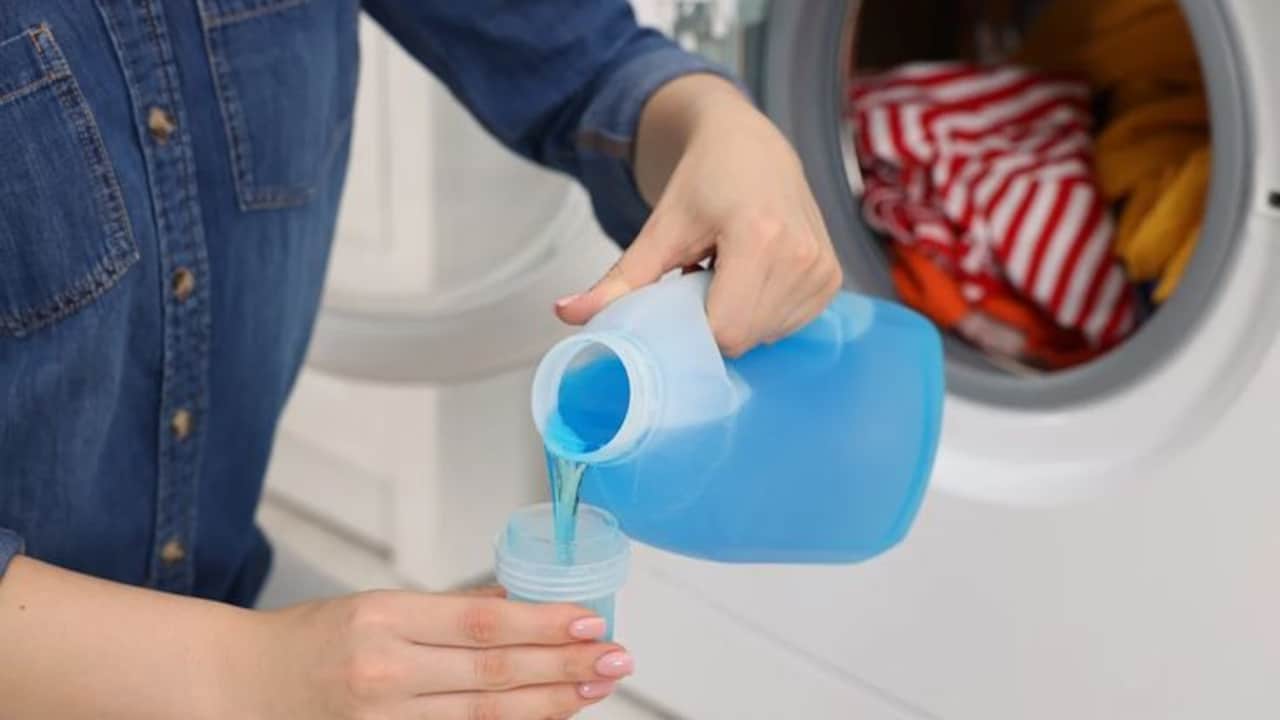
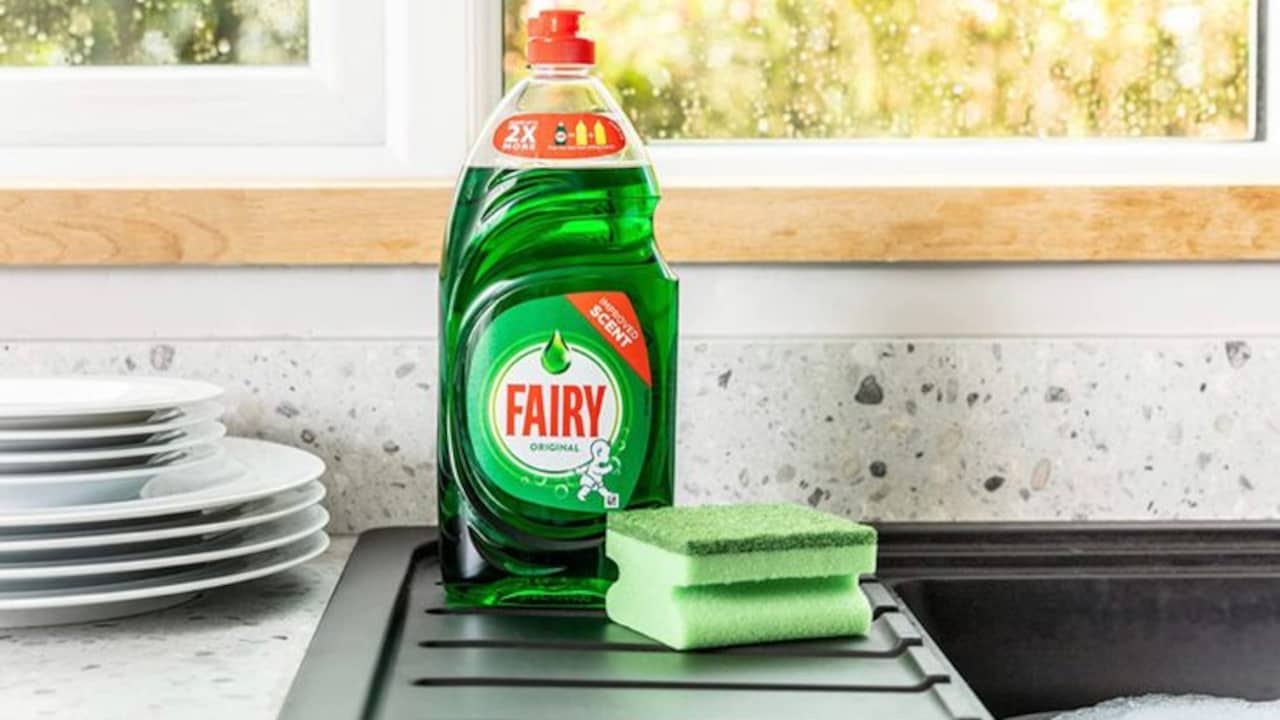
Dishwasher gels appeal to those who prefer control. The liquid form pours easily and dissolves fast, making it ideal for shorter wash cycles. For households running quick evening washes after dinner, gels often deliver reliable results.
Gels work well on fresh food stains. Plates with dal residue or light oil films come out clean when the wash starts soon after use. Measuring the quantity also feels straightforward, especially when loads vary in size. A half-filled machine rarely needs a full dose.
However, gels can struggle with dried, crusty leftovers. A baking tray with baked-on masala or cheese may need a heavier dose or a longer cycle. Storage also demands care, as spills can turn shelves slippery.
Cost-wise, gels usually sit in the mid-range. They suit daily use and offer decent performance without fuss. For families who wash dishes once a day and prefer flexibility over perfection, gels feel like a comfortable middle ground.
Also Read: 5 Best Compact Dishwashers For Homes In 2025 | Space-Saving Picks, From Faber, Bosch to IFB
3. Dishwasher Tablets: Convenience at Its Best
Tablets have become popular for one big reason: zero guesswork. Each tablet contains a measured mix of detergent, enzymes, and sometimes rinse aid. Drop one in, close the door, and relax.
Tablets shine during heavy-duty cycles. After weekend feasts or festive cooking, they handle oily kadhai stains, dried gravies, and greasy plates with impressive consistency. Multi-action tablets also reduce the need for extra salt or rinse aid, which simplifies maintenance.
The downside appears when loads feel smaller. Using a full tablet for lightly soiled dishes can feel wasteful. Some machines allow tablet splitting, but that often turns messy.
Tablets usually cost more per wash compared to gels or powders. Prices can range widely, with premium options crossing ₹25 per wash. Still, many households accept the cost for convenience and dependable results. For busy families or those who prefer hassle-free cleaning, tablets offer peace of mind in a compact form.
4. Dishwasher Powder: Old-School but Effective
Dishwasher powder remains a favourite among practical users. It offers full control over quantity, which helps tailor each wash. A small scoop handles light loads, while heavier amounts tackle greasy utensils.
Powders perform exceptionally well in areas with hard water. Adjusting the dosage helps prevent white residue on steel plates and glass tumblers. Many powders also activate well during longer, hotter cycles, making them suitable for weekend deep cleans.
The main drawback lies in handling. Spills happen easily, and moisture can cause clumping. Measuring also takes a bit more time compared to popping in a tablet.
Cost efficiency stands out as powder's strongest advantage. Per-wash expenses often stay under ₹10, making it budget-friendly for large households. For those who value performance over polish and do not mind a little effort, powder delivers strong, consistent cleaning with excellent value.
Best Dishwasher Detergents in 2026: Gel vs Tablet vs Powder Compared; Photo Credit: Pexels
5. Cleaning Performance: Grease, Stains, and Shine
Performance matters most when opening the dishwasher door. Greasy plates, stained bowls, and cloudy glasses quickly reveal detergent quality.
Tablets usually lead in overall performance. Their concentrated formula tackles stubborn grease from butter-laden gravies and deep-fried snacks. Gels follow closely, especially on fresh stains and everyday loads. Powders match tablets during long cycles but need correct dosing.
Shine varies, too. Tablets with built-in rinse aid leave glassware streak-free. Gels sometimes need additional rinse aid to avoid water spots. Powders depend heavily on water hardness and correct salt usage.
For steel utensils, powders often excel, leaving fewer smudges when dosed well. Ceramic plates respond well to all three, provided cycles match soil levels.
Performance differences become clear over time. Matching detergent type to cooking habits ensures dishes look clean, smell fresh, and feel pleasant to use.
6. Cost Comparison: What Makes Sense for the Wallet
Budget plays a quiet but important role in detergent choice. Over a year, small differences per wash add up.
Powder detergents usually offer the lowest cost. A ₹600 pack can last several months, depending on usage. Gels fall in the middle, balancing price and convenience. Tablets sit at the higher end, especially premium multi-action variants.
However, cost should align with performance. A cheaper detergent that needs rewashing wastes water, electricity, and time. Tablets may seem expensive, but they they often deliver consistent results in one cycle.
Households running the dishwasher daily may find powders or gels more economical. Occasional users may prefer tablets, as packs last longer without drying or clumping.
Smart budgeting considers usage frequency, water conditions, and expectations. A slightly higher spend can sometimes save money in the long run through better efficiency.
7. Water Quality and Its Impact on Detergent Choice
Water hardness affects detergent performance more than many realise. Minerals in water interfere with cleaning agents, leaving spots or residue.
Powders handle hard water best due to adjustable dosing. Adding a bit more detergent compensates for mineral interference. Tablets also perform well, as many include water softeners. Gels may struggle slightly unless paired with proper salt and rinse aid.
Soft water brings its own challenges. Excess detergent can cause foaming or streaks. In such cases, gels and tablets with lower dosing work better.
Understanding local water quality helps make smarter choices. Many dishwashers include indicators for salt levels, which support all detergent forms. Paying attention to these details ensures cleaner dishes and longer machine life.
Water may look harmless, but it quietly shapes results. Matching detergent type to water conditions often solves persistent cleaning issues.
Best Dishwasher Detergents in 2026: Gel vs Tablet vs Powder Compared; Photo Credit: Pexels
8. Ease of Use and Daily Convenience
Daily routines influence detergent preference more than expected. Mornings feel rushed, evenings feel tired, and nobody enjoys extra steps.
Tablets win on convenience. No measuring, no spills, no thinking. Gels come second, offering flexibility with minimal effort. Powders demand more attention, from scooping to cleaning stray grains.
Storage also matters. Tablets stay tidy in sealed packs. Gels need careful handling to avoid leaks. Powders dislike humidity and need dry storage.
For households with multiple users, simplicity reduces mistakes. A tablet works the same way for everyone. In contrast, powders may invite inconsistent dosing.
Convenience may seem minor, but over hundreds of washes, it shapes satisfaction. Choosing a detergent that fits daily habits keeps the dishwasher a helpful ally rather than a chore.
9. Environmental and Skin Considerations
Many households now think beyond clean dishes. Environmental impact and skin sensitivity matter too.
Powders often come with minimal packaging and fewer additives. Gels and tablets sometimes include fragrances or dyes, which may irritate sensitive skin when unloading dishes. Fragrance-free options exist across all forms, but powders lead in simplicity.
Tablets wrapped in soluble film reduce plastic waste, though production remains resource-intensive. Gels usually come in plastic bottles, which require proper recycling.
Eco-friendly formulations work best when matched with suitable cycles. Lower temperatures and efficient dosing reduce energy use. Choosing the right detergent form supports both cleanliness and conscience.
Small changes in kitchen habits can ripple outward. Cleaner dishes and responsible choices can comfortably coexist.
10. Which Dishwasher Detergent Suits Which Household
Every kitchen tells a different story. Large families, frequent cooking, and oily meals demand robust cleaning. Tablets or powders suit such setups. Smaller households with lighter cooking may prefer gels for flexibility.
Those who value convenience above all often lean towards tablets. Budget-conscious users appreciate powders. Balanced users enjoy gels for daily reliability.
Dishwasher models also matter. Some machines perform better with specific detergent forms. Checking manufacturer recommendations helps avoid issues.
The best detergent fits lifestyle, not trends. A bit of experimentation often reveals the perfect match. Once found, the dishwasher quietly delivers sparkling plates without complaint.
Products Related To This Article
1. Finish 24 Tablets, Powerball All in 1 Max Dishwasher Tablets
2. Fortune Dishwasher Detergent 1 Kg
3. Finish Dishwasher Rinse Aid Liquid
4. Bosch Detergent for Dishwasher
5. Arnigo Dishwasher Detergent Powder Suitable for All Brands Dishwashers
6. IFB Essentials Autodish Automatic Dishwasher powder Detergent
7. Dishwasher COMBO Pack of (Detergent 1kg + Rinseaid 200ml + Salt 1kg)
Choosing between gel, tablet, and powder dishwasher detergents does not need to feel overwhelming. Each form brings unique strengths to the kitchen. Tablets offer unmatched convenience and strong cleaning. Gels provide flexibility and ease for daily use. Powders deliver cost efficiency and adaptability, especially in challenging water conditions.
The right choice depends on cooking habits, water quality, budget, and personal preference. Clean dishes should feel effortless, not frustrating. With the right detergent, every wash ends with gleaming plates, clear glasses, and one less worry in a busy day.
A dishwasher works best when paired with the right partner. Make that choice wisely, and let the sparkle speak for itself.
(Disclaimer: This article may include references to or features of products and services made available through affiliate marketing campaigns. NDTV Convergence Limited (“NDTV”) strives to maintain editorial independence while participating in such campaigns. NDTV does not assume responsibility for the performance or claims of any featured products or services.)