Does An Airtight Container Always Keep Pet Food Fresh? 10 Storage Myths Explained
An airtight box can help protect pet food, but it cannot fix heat, moisture, dirty scoops or months of storage. These 10 common myths explain what actually keeps dry and wet pet food fresher, safer and more appetising.
How to choose the right container to store pet food at home
Buying a giant bag of pet food can feel wonderfully efficient. There are fewer last-minute orders, fewer empty-bowl emergencies and often better value for money. Then comes the storage ritual. The packet gets tipped into a sturdy plastic tub, the lid snaps shut with a satisfying click, and the food seems sorted for the next several weeks. Except an airtight lid isn't a tiny pause button for food. Pet food contains fats, proteins, vitamins and flavour compounds that change after manufacturers open the bag or can. Heat, air, moisture, sunlight and everyday handling can all affect those ingredients. Even the cleanest-looking storage container can become part of the problem when old crumbs, oily residue or condensation remain inside.
Easy tips to store pet food and maintain long lasting freshness
Photo Credit: Pexels
That doesn't make airtight containers useless. Far from it. They can provide excellent protection when we use them properly. The trouble starts when we expect the container to do every part of the job by itself.
Also Read: Pet Meals On Autopilot: Automatic Pet Feeders Every Parent Needs
From keeping kibble inside its original packet to understanding why the kitchen counter isn't always the best storage spot, here are 10 pet-food storage myths worth clearing up.
What Really Affects Pet Food Freshness After Opening
1. Myth: An Airtight Container Keeps Pet Food Fresh Indefinitely
A tight seal slows down several things that harm pet food, but it doesn't stop time. Once a bag of dry food opens, oxygen begins interacting with the fats in the food. Gradually, those fats can lose freshness and develop unpleasant flavours and smells.
An airtight container limits repeated exposure to fresh air, which certainly helps. Yet the food still carries some air from the moment we open and handle it. Heat can also speed up deterioration, regardless of how impressive the lid feels.
This matters when buying enormous packs for a single small pet. A ₹ saving on a bulk bag doesn't feel quite as clever if the final portion sits around long enough to lose its aroma and appeal.
Instead of thinking about whether a container can preserve food forever, think about turnover. Choose a pack size your pet can finish comfortably within the manufacturer's recommended period after opening. Close the package promptly after each meal and store it somewhere cool and dry.
Airtight storage buys protection, not immortality.
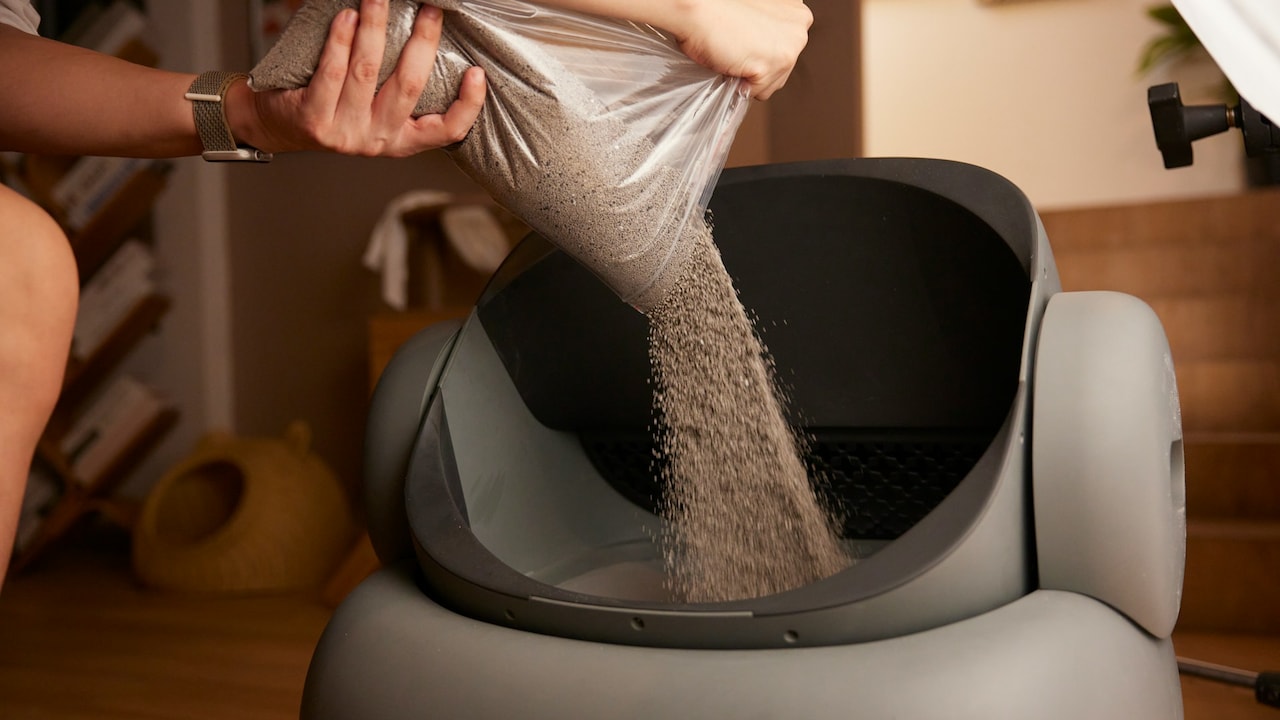
2. Myth: Pouring Kibble Straight Into A Plastic Box Is Always Better
That large transparent container may look much tidier than a crumpled pet-food packet. Pouring everything directly into it, however, can remove one surprisingly useful layer of protection.
Manufacturers design pet-food bags to help limit exposure to air, moisture and light. The original packet also carries the batch number, expiry details, ingredients and feeding information. Keeping that information matters if a manufacturer announces a recall or if your pet suddenly reacts badly to the food.
There is another issue hiding at the bottom of the box: fat residue. Kibble naturally leaves tiny amounts of oil behind. If fresh food repeatedly lands on top of residue from older batches, those oils can deteriorate and affect the new food.
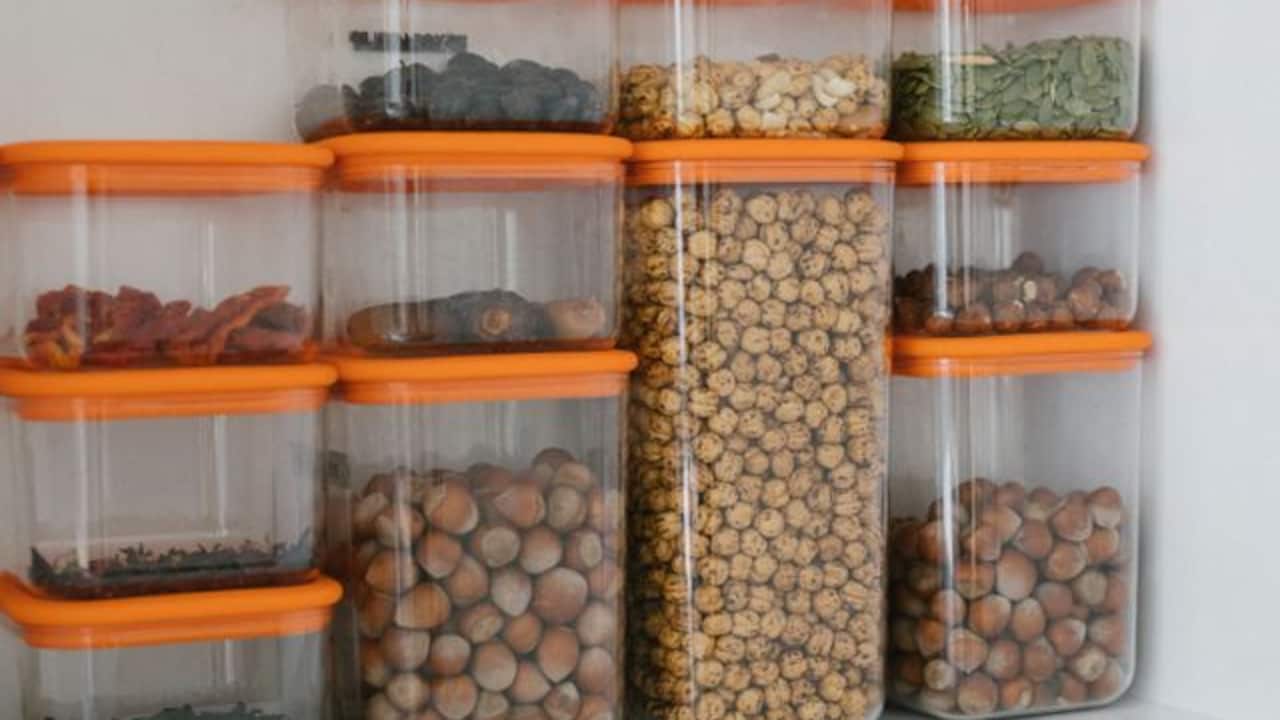
A practical compromise works well. Keep dry food inside its original bag, fold or seal the top firmly, and place the whole bag inside a lidded storage container.
You still get protection from spills, pests and humidity without losing the benefits of the original packaging. Sometimes the slightly untidy bag inside the beautiful box is actually the smarter system.
3. Myth: If The Container Looks Clean, It Doesn't Need Washing
Empty container, few visible crumbs, no strange smell. Surely the next packet can go straight in?
Not quite.
Pet food, especially kibble with a noticeable fat content, leaves an oily film that isn't always obvious at first glance. Run a finger around the bottom corners of a container that has held several batches and the surface may feel slightly greasy. Tiny crumbs can also lodge around lid grooves, hinges and seals.
Adding fresh food without properly cleaning the container creates a mixture of old residue and new kibble. That can speed up unpleasant smells and reduce the benefit of buying a fresh packet in the first place.
Wash the container between batches according to the material's care instructions. Pay particular attention to seals and corners. Then let every part dry completely before adding food or placing the original bag inside.
That last step matters. A damp container creates a much bigger problem than a few crumbs.
The same principle applies to scoops. The measuring cup that lives permanently inside the box needs regular cleaning too, especially if hands frequently touch both the scoop and the pet's bowl.
4. Myth: Airtight Means Moisture Cannot Become A Problem
An airtight container can keep much of the room's humid air away from pet food. Unfortunately, it can also trap moisture that gets inside.
Imagine washing a storage box in the morning, giving it a quick wipe and filling it while a little dampness remains under the lid. Closing the box tightly doesn't make that moisture disappear. It locks it in with the food.
The same problem can happen when someone reaches into the container with wet hands or uses a damp scoop. Even placing food somewhere that experiences frequent temperature changes can encourage condensation under certain conditions.
Dry kibble needs to stay dry. Unwanted moisture can damage its texture and create conditions where spoilage becomes more likely.
So, before refilling a container, check more than the obvious surfaces. Look around the corners, lid channel and rubber seal. Everything should feel completely dry.
Also avoid storing dry food directly beside a sink or another damp area simply because the container has an airtight label.
A strong seal works best when the environment inside the container starts dry. Seal moisture out rather than accidentally sealing it in.
5. Myth: The Kitchen Is Automatically The Best Place To Store Pet Food
The kitchen feels like the obvious home for anything edible. Yet some kitchen spots can expose pet food to exactly what we want to avoid: heat, steam, sunlight and constantly changing temperatures.
A container beside the hob may face bursts of warmth every time someone cooks. A shelf near a sunny window can heat up during the day. A cabinet beside an oven or other heat-producing appliance may also become warmer than expected.
Pet food doesn't need a dramatic heatwave to suffer. Regular exposure to warmth can accelerate changes in fats and flavours.
Choose a cool, dry, shaded storage area instead. A closed cupboard away from major heat and moisture sources often makes more sense than displaying a giant tub on the counter.
Convenience still matters, of course. Nobody wants to trek through three rooms while an impatient Labrador performs its pre-dinner protest. The goal isn't to hide food in the darkest corner of the house. It is simply to find a practical place without regular heat, strong sunlight or steam.
Storage location matters almost as much as the storage box itself.
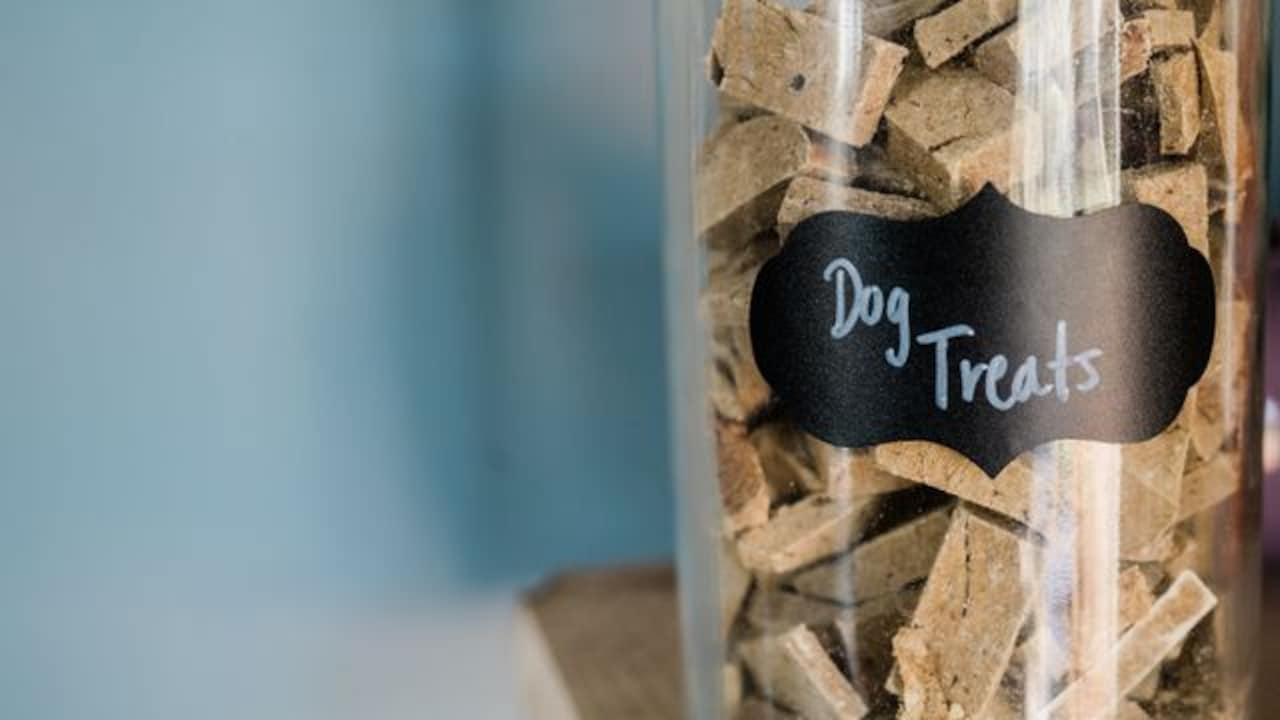
A cool, dry, and shaded place is one of the best storage areas to store pet food; Photo Credit: Pexels
6. Myth: Mixing New Pet Food With The Last Few Scoops Of The Old Batch Is Fine
There is something deeply satisfying about topping up a container before it becomes completely empty. No awkward half-bag lying around, no refill later and no wasted space.
For pet food, however, the never-ending top-up method can make freshness harder to manage.
The small amount remaining at the bottom comes from an older batch. It has spent more time exposed to air and handling. If we repeatedly pour new food over it, some crumbs may remain at the bottom through several refill cycles.
This makes it difficult to know how old everything actually is. It can also transfer oily residue from older kibble to fresh food.
Finish one batch before starting another whenever possible. Once the container empties, clean and thoroughly dry it before putting the next bag inside.
This habit also makes transitions easier to track if your pet changes food. When a veterinarian recommends gradually mixing old and new diets, measure that transition deliberately rather than relying on mystery kibble sitting at the bottom of a storage bin.
A permanently full container may look organised, but a regularly emptied one usually gives you better control.
7. Myth: Pet Food Is Fine As Long As It Doesn't Smell Bad
Our noses can catch some obvious problems. They cannot provide a complete freshness test.
Pet food may change before it develops a smell that immediately screams “throw this away”. Texture, colour and flavour can alter gradually. Pets may notice those changes before we do, especially when aroma plays a large role in whether they find food appealing.
That suddenly fussy cat who sniffs dinner and walks away may not simply have developed expensive tastes overnight. Storage conditions deserve a check too.
Pay attention to the full picture. Has the food changed colour? Does kibble feel unusually soft, damp or greasy? Are there insects, webbing or damaged packaging? Has the food remained open much longer than recommended? Has the container spent weeks somewhere warm?
Expiry and best-before information also matters. Keep the original packaging or photograph the relevant details before discarding anything.
Most importantly, don't taste-test pet food to settle the debate. Your pet does not need that level of dedication.
When food looks, smells or feels unusual, caution makes more sense than trying to rescue the final handful simply because wasting food feels frustrating.
8. Myth: One Storage Method Works For Dry Food, Wet Food And Treats
“Pet food” covers products with very different storage needs.
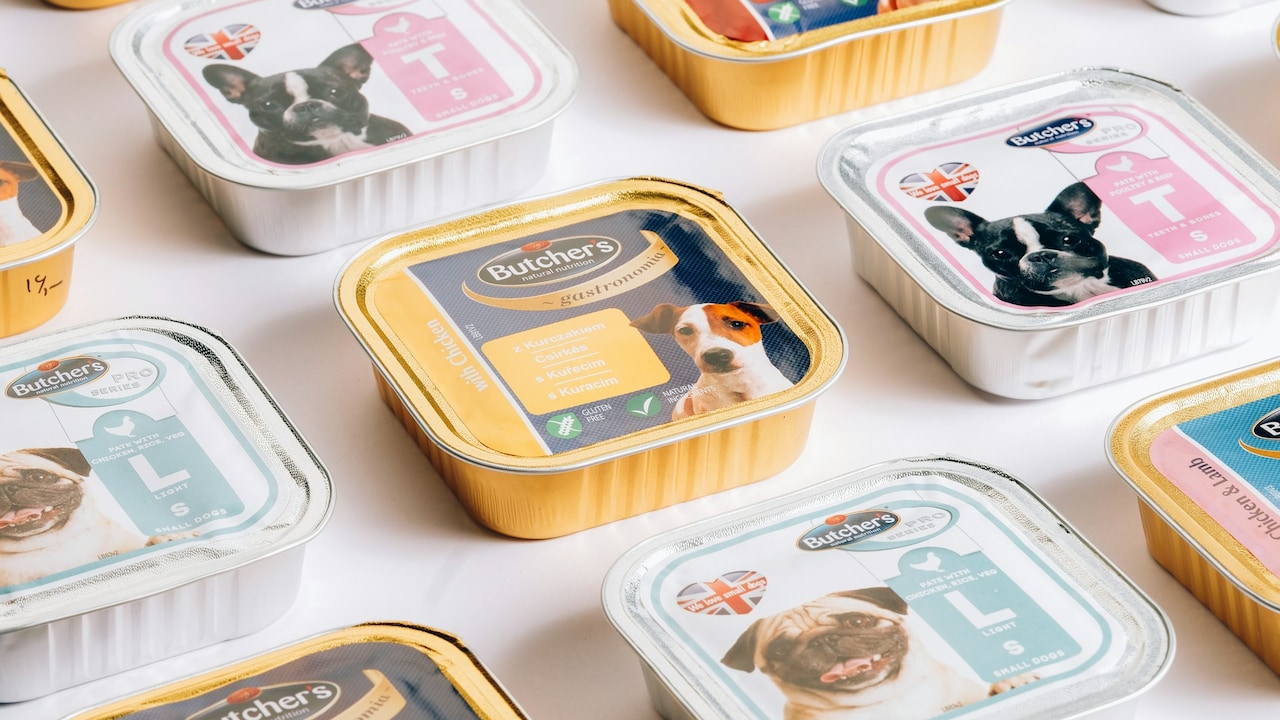
Dry kibble needs protection from air, moisture, heat and pests. Unopened cans and sealed wet-food pouches usually need cool, dry storage until use. Once opened, however, wet food becomes a different proposition. It needs appropriate refrigeration and careful handling according to the product's instructions.
Treats also vary enormously. A dry biscuit doesn't behave like a soft, moist chew. Products with different ingredients, moisture levels and packaging can have different recommendations once opened.
This is why transferring everything into matching jars may look wonderfully organised but create unnecessary confusion. Without labels, the household can lose expiry dates, batch details and storage instructions.
Keep identifying information with each product. If you move treats into another container, label it clearly and retain the original packet until the contents finish.
Also resist the temptation to combine several nearly empty treat packets simply to save cupboard space. Different products may have different shelf lives.
A neat pet-food station looks pleasing. A storage system that respects what each food actually needs works much better.
9. Myth: A Bigger Container Is Always More Convenient
Buying one enormous storage tub seems logical when pet food comes in large bags. Bigger means fewer refills, right?
Not necessarily.
If the tub is much larger than the amount of food inside it, every opening exposes a large internal space to fresh air. A huge container can also encourage buying more food than a pet will finish while it remains at its best.
Then comes the practical side. Large containers become heavy. People may leave the lid open while scooping because closing it each time feels awkward. Others keep the tub in a more accessible but warmer location because moving it becomes a wrestling match.
Choose a container based on the food quantity you routinely buy, not simply the largest one that fits in the cupboard.
The original bag should fit comfortably without excessive folding or crushing if you plan to store it inside the container. The lid should also close securely without catching part of the packet.
For households with small pets, two modest containers can sometimes work better than one enormous bin, particularly when storing different foods.
Convenience isn't about maximum capacity. It is about making good storage habits easy enough to repeat every day.
10. Myth: Once Food Is Stored Properly, The Scoop And Bowl Don't Matter
Freshness can unravel during the final few centimetres between storage container and food bowl.
A scoop may look harmless, but it constantly moves between hands, food and surfaces. Some people even use the pet's feeding bowl to scoop directly from a large container. Any moisture, saliva or food residue on that bowl can then reach the stored food.
Keep a clean, dry scoop specifically for portioning. Avoid putting a used bowl, wet spoon or damp hand inside the main food supply.
The feeding bowl deserves regular cleaning as well. Adding fresh kibble on top of greasy crumbs left from yesterday doesn't give the new portion much of a fresh start. Wet food needs particularly careful bowl hygiene because residues can quickly become unpleasant.
Also think about where the scoop lives. Tossing it onto a damp kitchen counter before returning it to the container defeats some of the effort put into keeping the food dry.
Good pet-food storage isn't one heroic act performed when the shopping arrives. It is a chain of small habits, from sealing the packet to serving dinner.
Products Related To This Article
1. CELLO Airlock Square Pet Storage Jar for Kitchen
2. Qpets Dog Food Storage Containers
3. HAZEL Pet Food Container with Lid
4. COMET Plastics 6L Pet Food Storage Container With Scoop and Pet Food Bowl
5. Dog Water Bottle with Food Container, Travel Puppy Water Bowl
6. Qpets® 20L Dog Food Storage Container Collapsible Airtight Pet Supplies Dispenser Bin
7. SANSEFERO Automatic Pet Feeder & Water Dispenser for Dogs & Cats Dual Food
An airtight container can play an important role in keeping pet food fresh, but the lid cannot do all the work. Pack size, temperature, moisture, cleanliness, original packaging and everyday handling matter too. Treat storage as a routine rather than a one-time setup, and your pet's dinner has a much better chance of staying fresh until the final serving.
(Disclaimer: This article may include references to or features of products and services made available through affiliate marketing campaigns. NDTV Convergence Limited (“NDTV”) strives to maintain editorial independence while participating in such campaigns. NDTV does not assume responsibility for the performance or claims of any featured products or services.)