Electric Toothbrush Vs Manual: Is The Upgrade Actually Worth It
Wondering if an electric toothbrush is worth it? Compare electric vs manual toothbrushes to learn their benefits, costs, and which one suits you best.
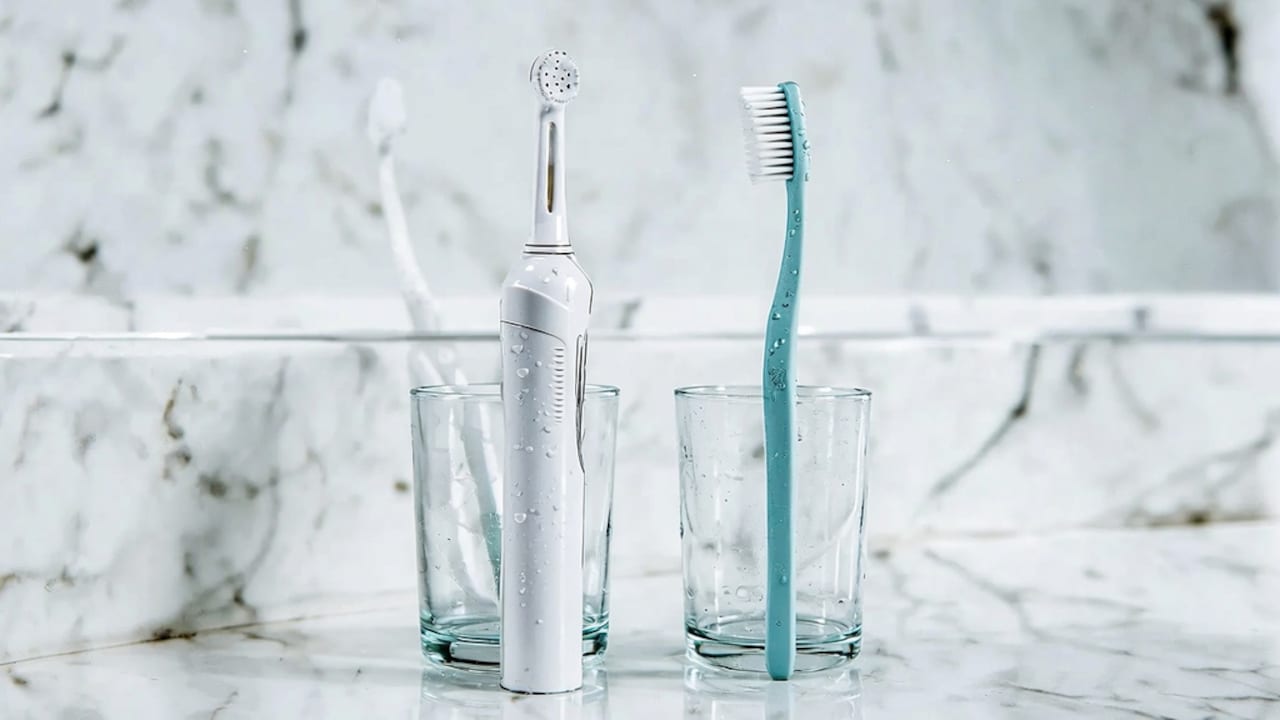
Electric Toothbrush Vs Manual: Is The Upgrade Actually Worth It
Brushing your teeth is one of those everyday things most people hardly ever think about until it's time to swap out a toothbrush. Lately, electric toothbrushes are getting way more attention, and social media is full of dentists saying they're great, so a lot of users end up wondering if they're truly superior or just another pricey little gadget. If you've been stuck thinking about whether to keep using your old manual brush or go ahead and buy an electric one, you're def not the only one. Let's cover the main differences, the upsides, the drawbacks, and which choice fits best for different people so you can figure out whether the upgrade is really worth your money or not.
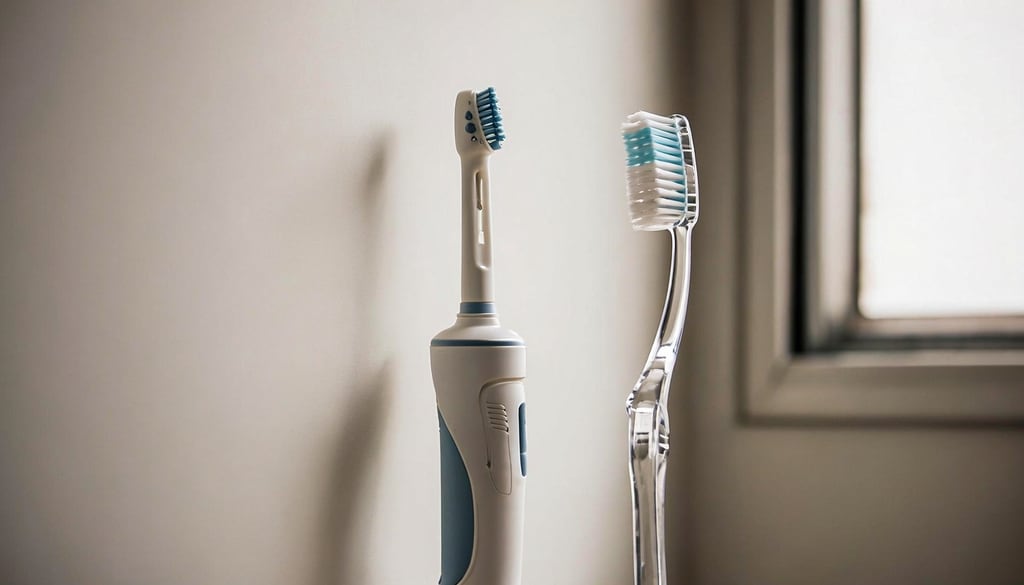
Discover if electric toothbrushes are worth the cost compared to traditional manual brushing options; Photo Credit: iStock
Electric Toothbrush Vs Manual: What's The Real Difference?
At first look, both toothbrushes kind of do the same job, like cleaning your teeth. The real difference is more about how they work in the background.
A manual toothbrush depends on you, meaning your brushing technique, your pace and how consistent you stay. An electric toothbrush instead uses power, with oscillating, rotating or sonic movements that end up doing thousands of brush strokes every minute. Those fast, repeating motions can lift plaque more efficiently, and you usually don't have to work as hard.
Neither choice is automatically bad or good. What happens at the end depends on how well you brush, plus whether you keep up with healthy oral care habits.
Do Electric Toothbrushes Actually Clean Better?
A few dental studies suggest that electric toothbrushes remove more plaque and can lower gingivitis more effectively than the usual manual toothbrush, particularly when things are viewed over time.
The main reason probably isn't just the technology by itself, more like consistency. Most electric models have timers built in that nudge you to brush for that suggested two minutes. Also, they often come with pressure sensors that help stop you from brushing too hard, which in turn cuts down on gum irritation and damage.
That said, a person using a manual toothbrush the right way for two minutes, two times each day, can still get really good oral health, even without the fancy features.
Also Read: Electric Toothbrush or Manual, Which Brush Is Better For Your Teeth
Who Should Choose An Electric Toothbrush?
An electric toothbrush is often a better pick for people who have braces or dental implants or who just can't clean every little corner of their mouth effectively. It can also help users with arthritis or limited hand mobility because the brush does most of the cleaning movement for you. If you usually brush too hard, then models with pressure sensors may be useful to protect your gums. For a lot of users, things like a built-in timer and several cleaning modes make it easier to stick to a steady routine and keep it going over time. For kids, electric toothbrushes can make brushing feel more engaging and, in turn, encourage better habits.
When Is A Manual Toothbrush Still A Great Choice?
A hand-powered toothbrush is still a really solid choice for a lot of people. It tends to be affordable, fairly lightweight, and easy to swap out without any hassle, plus it does not need charging or batteries at all. If you're already brushing 2 times a day with the right technique, and you replace the brush every 3 months, then moving to an electric toothbrush might not make a huge difference in your oral health. In the end the biggest issue is staying consistent when you brush.
How To Decide Whether The Upgrade Is Worth It
Step 1: Assess Your Current Brushing Habits
Think about how consistently you brush. Do you brush for two full minutes? Are you reaching all areas of your mouth? If the answer is yes, you may already be getting effective cleaning with a manual toothbrush.
Step 2: Consider Your Oral Health Needs
People with braces, gum disease, frequent plaque build-up, or sensitive gums may find that an electric toothbrush helps more. Your dentist can also point you toward the best fit, based on your oral health situation.
Step 3: Evaluate Your Budget
Manual toothbrushes cost way less to start. Electric toothbrushes usually ask for a bigger upfront cost, plus you have to keep buying replacement brush heads, so think about your long-term spending before making the switch.
Step 4: Think About Convenience
Electric toothbrushes need charging, and they're a bit more bulky when travelling. Manual toothbrushes are easy to carry and straightforward, and they're simple to swap out almost anywhere.
Step 5: Check The Features You Value
If things like timers, pressure sensing, Bluetooth locating, or several brushing routines push you to do a better job, then an electric toothbrush might have more value for you.
Step 6: Consider Dexterity And Comfort
For people with arthritis, wrist soreness, or less hand control, electric models can feel much easier since they need less of that steady hand movement.
Step 7: Ask Your Dentist
Your dentist knows your dental background, so they can tell you if an electric toothbrush would bring clear advantages for your particular case or not.
Step 8: Focus On Consistency Above Everything Else
Whether you choose manual or electric, brushing twice daily, flossing regularly, and replacing your toothbrush or brush head every three months will have the biggest impact on your oral health.
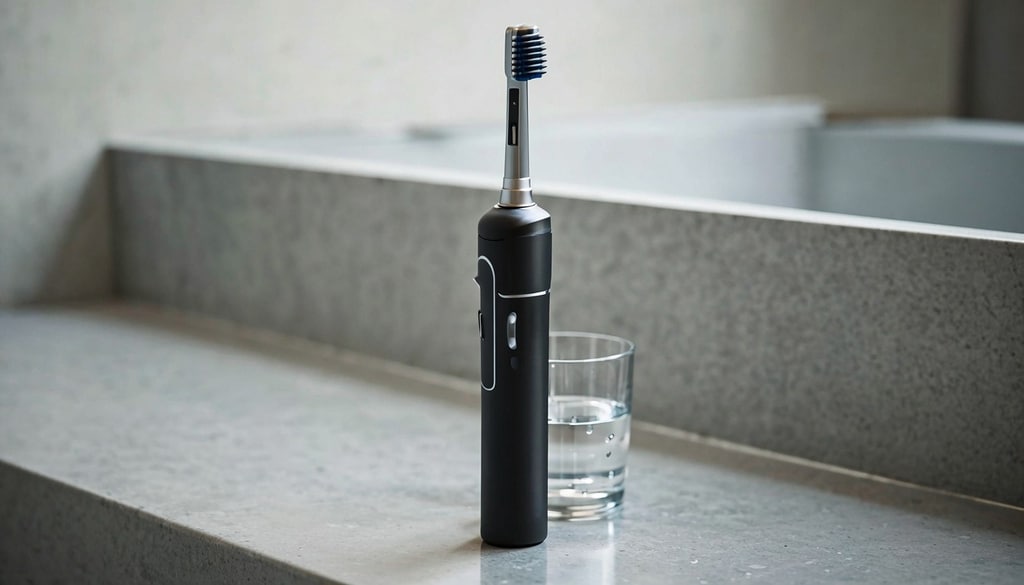
Discover if electric toothbrushes are worth the cost compared to traditional manual brushing options; Photo Credit: iStock
Top Electric Toothbrush Options To Consider
1. WAFLOO KASHTHABHANJAN PHARMA Sonic Electric Toothbrush
2. Generic Electric Toothbrush
3. Dentes Care Sonic Electric Toothbrush
4. AGARO COSMIC ADVANCE Sonic Electric Toothbrush
5. Colgate Gentle Sensitive Care Ultra Soft Bristles Toothbrush
6. Oral-B Everyday Care Ultra Soft Toothbrush
7. PUREXA Bamboo Toothbrush with Activated Charcoal
8. CURAPROX Dr Reddy's Cs 5460 Manual, Adult Toothbrush
While a manual toothbrush can absolutely get the job done with the right technique, an electric toothbrush takes the guesswork out of brushing, making it a worthwhile upgrade for anyone who wants better plaque removal and gentler care with less effort. Shop now on Amazon
Frequently Asked Questions (FAQs)
1. Is an electric toothbrush better than a manual toothbrush?
For many people, an electric toothbrush can remove extra plaque and help with the steadier habit of brushing. But a manual toothbrush, if it's used correctly, can still give that same solid cleaning, just in a more traditional way.
2. Do dentists recommend electric toothbrushes?
Yes, quite a few dentists do. They usually say electric toothbrushes can boost plaque removal and make it easier to keep a proper brushing time.
3. Can an electric toothbrush damage teeth?
In general, modern electric toothbrushes are pretty safe, as long as you use them the right way and don't treat them like something overly aggressive. Some models even include pressure sensors, so they can kind of gently interrupt you when you brush too hard.
4. Is an electric toothbrush worth the extra cost?
In the end, if it helps you brush a bit more effectively, keeps your oral hygiene better, or fits some specific dental concerns, then yeah, that extra spend can be worth it. But if none of that applies, a manual toothbrush is still a solid choice, and it stays budget-friendly.
5. How often should I replace my toothbrush or brush head?
No matter if it's manual or electric, plan to swap the brush or brush head about every three months. Do it sooner if the bristles look frayed or worn out, because they'll brush less well then.
(Disclaimer: This article may include references to or features of products and services made available through affiliate marketing campaigns. NDTV Convergence Limited (“NDTV”) strives to maintain editorial independence while participating in such campaigns. NDTV does not assume responsibility for the performance or claims of any featured products or services.)