How To Keep Your Dog's Paws Healthy On Wet Monsoon Walks
Want to protect your dog's paws this monsoon season with simple care tips, paw balm advice, and post-walk routines to keep them healthy and comfortable.
Explore easy tips to maintain your dog's paws this monsoon
As much as we love the monsoon season to cool off the heat, those puddle-filled pavements and waterlogged paths come with hidden hazards for your dog's paws. Wet ground, dirty rainwater, sharp debris lurking under dirty puddles and slippery muddy trails can take a serious toll on those sensitive pads. Regardless of the weather, dogs love their walks and can be seen bounding ahead on their lead even during the heaviest downpour. As responsible owners, it's our job to make sure their paws are well protected and cared for during this damp and demanding season.
Consider Dog Booties For Extra Protection
Photo Credit: iStock
Monsoon paw care is not rocket science but it does need a little consistency and attention. The basics are the same, whether you have a small terrier or a large Labrador. A few simple habits before, during and after each walk can help to prevent infections, cracking and discomfort during the rainy months.
Also Read: Top 15 Supplements To Keep Your Dog's Fur Coat Shiny And Glossy
How To Protect Your Dog's Paws Before A Monsoon Walk
1. Apply Paw Balm or a Protective Wax
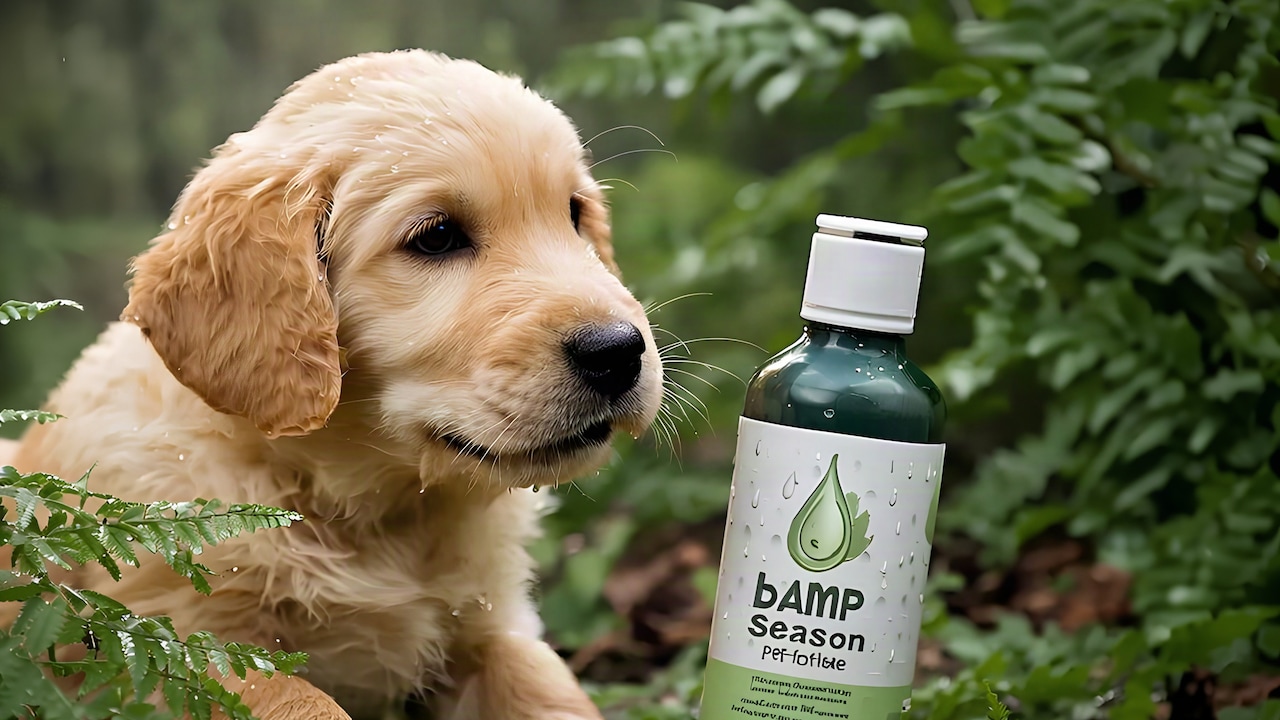
Apply a small amount of paw balm or protective wax to your dog's pads before you go. It provides a soft barrier against moisture, mud and rough surfaces. If you're looking for natural formulas, opt for those with beeswax or shea butter, which are effective without irritating skin. Regular use also prevents the pads from becoming too soft, which makes them more prone to picking up cuts and abrasions on wet walks.
2. Consider Dog Booties For Extra Protection
Dog boots don't just make an accessory – they actually help during monsoon season. They keep the paws dry, minimise the contact with the contaminated puddle water and protect from sharp objects that lurk in the muddy ground. Not all dogs will take to them right away, so get used to boots at home before going outside. Choose pairs with non-slip soles and adjustable fastenings for a snug, comfortable fit.
What To Do During Wet Weather Walks
1. Choose Your Walking Routes Carefully
If possible, stick to familiar, well-paved routes in heavy monsoon rains. Avoid lanes that are flooded, construction areas and roadside gutters where water has collected. Puddles on busy roads can be full of oils, chemicals and other pollutants that can be hard on paw pads. Never take a longer route that could put your dog's safety at risk, always take a shorter, safer route.
2. Keep Walks Shorter In Heavy Rain
Long walks in drenching rain mean your dog's paws are wet – and vulnerable – for longer. Extended exposure to moisture can soften pads and increase their susceptibility to fungal infections and soreness. During heavy spells try for shorter but more frequent outings and always keep a close eye on how your dog is walking – any limp or reluctance to put weight on a paw is a sign something may be wrong.
How To Care For Your Dog's Paws After A Monsoon Walk
1. Dry The Paws Thoroughly After Every Walk
This is likely the most important step in monsoon paw care. When you get home, carefully dry each paw with a clean towel or microfibre cloth, including the spaces between the toes. Moisture trapped in those gaps promotes the growth of bacteria and fungi, leading to infections that are uncomfortable for your dog and hard to get rid of.
2. Check For Cuts, Debris, And Irritation
Take a close look at each paw after it's dried. Look for tiny cuts, embedded grit or splinters, and redness or swollen areas between the toes. Monsoon debris can be sharp and unpredictable, and your dog may not show obvious signs of pain right away. Catching minor injuries early helps prevent infection and saves your dog from unnecessary discomfort later on.
Simple Long-Term Habits For Healthy Monsoon Paws
1. Keep The Fur Around The Paws Trimmed
Long fur around the paw pads traps moisture and mud, making it harder to dry the feet properly after walks. It really makes a difference to trim the hair between the toes and around the edges of the pads during the rainy season. You don't need to visit a groomer to do this — small scissors with rounded tips work well at home, as long as your dog is comfortable and relaxed while you're doing it.
2. Moisturise Regularly And Watch For Seasonal Changes
It may not seem it, but wet weather can still dry and crack paw pads. Your skin is deprived of its natural oils when you're constantly exposed to moisture and then spend time indoors with fans or air conditioning. Apply a vet-approved paw moisturiser two to three times a week to keep the pads supple and resilient. If you notice a lot of cracking, peeling or oozing, then it's worth a trip to the vet.
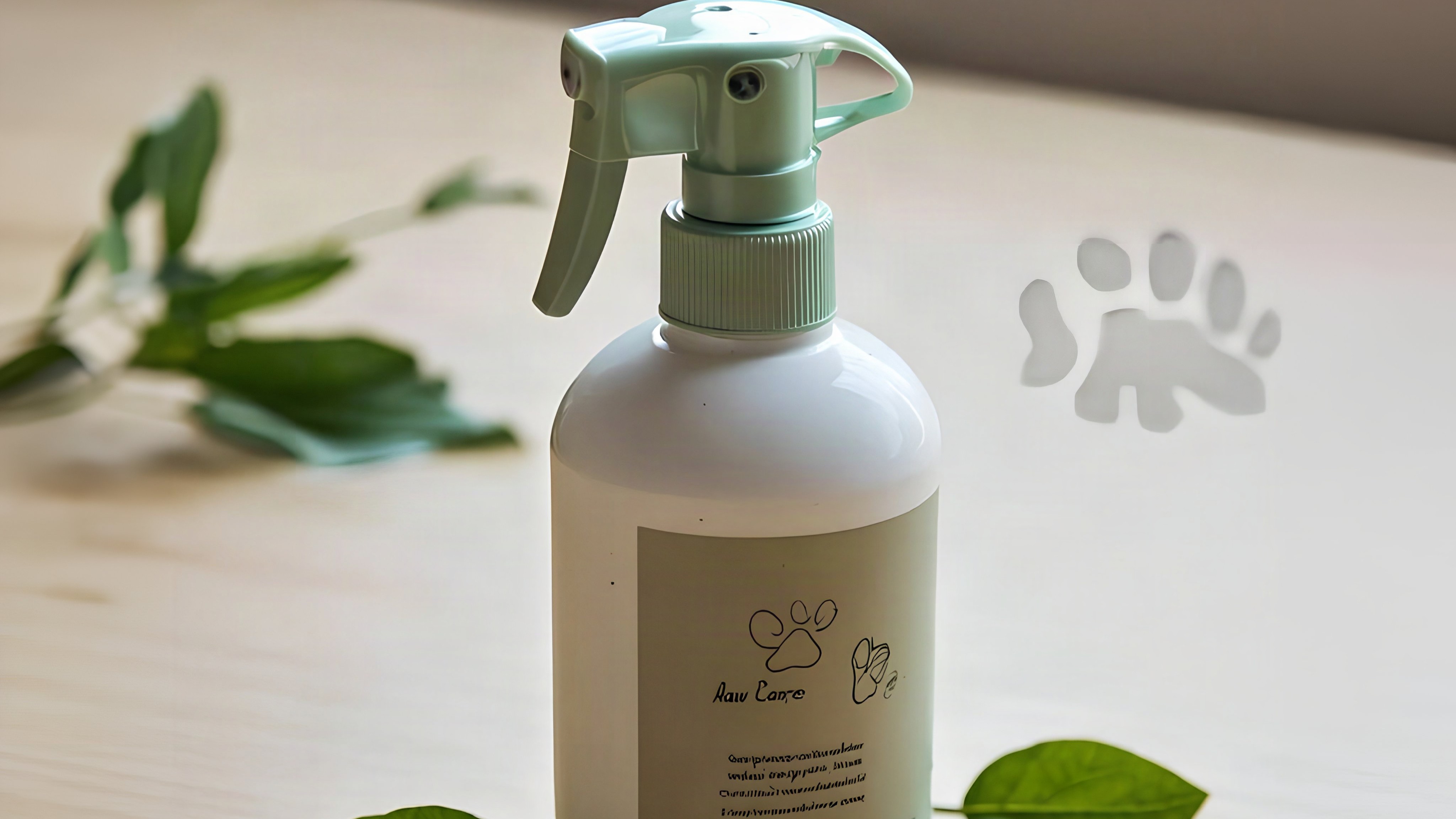
How To Care For Your Dog's Paws After A Monsoon Walk
Photo Credit: iStock
Some Products You May Like
1. Moe Puppy Natural Paw Balm for Dogs
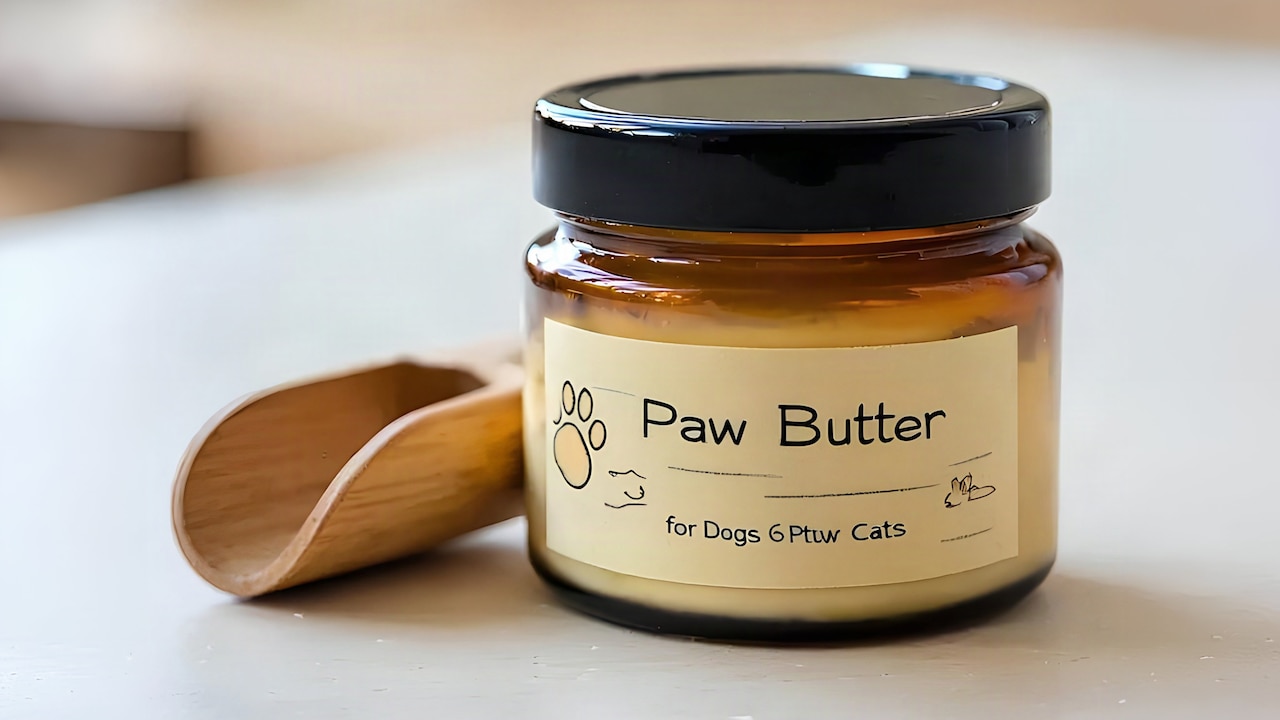
2. PAL.BEING Paw Butter for Dogs
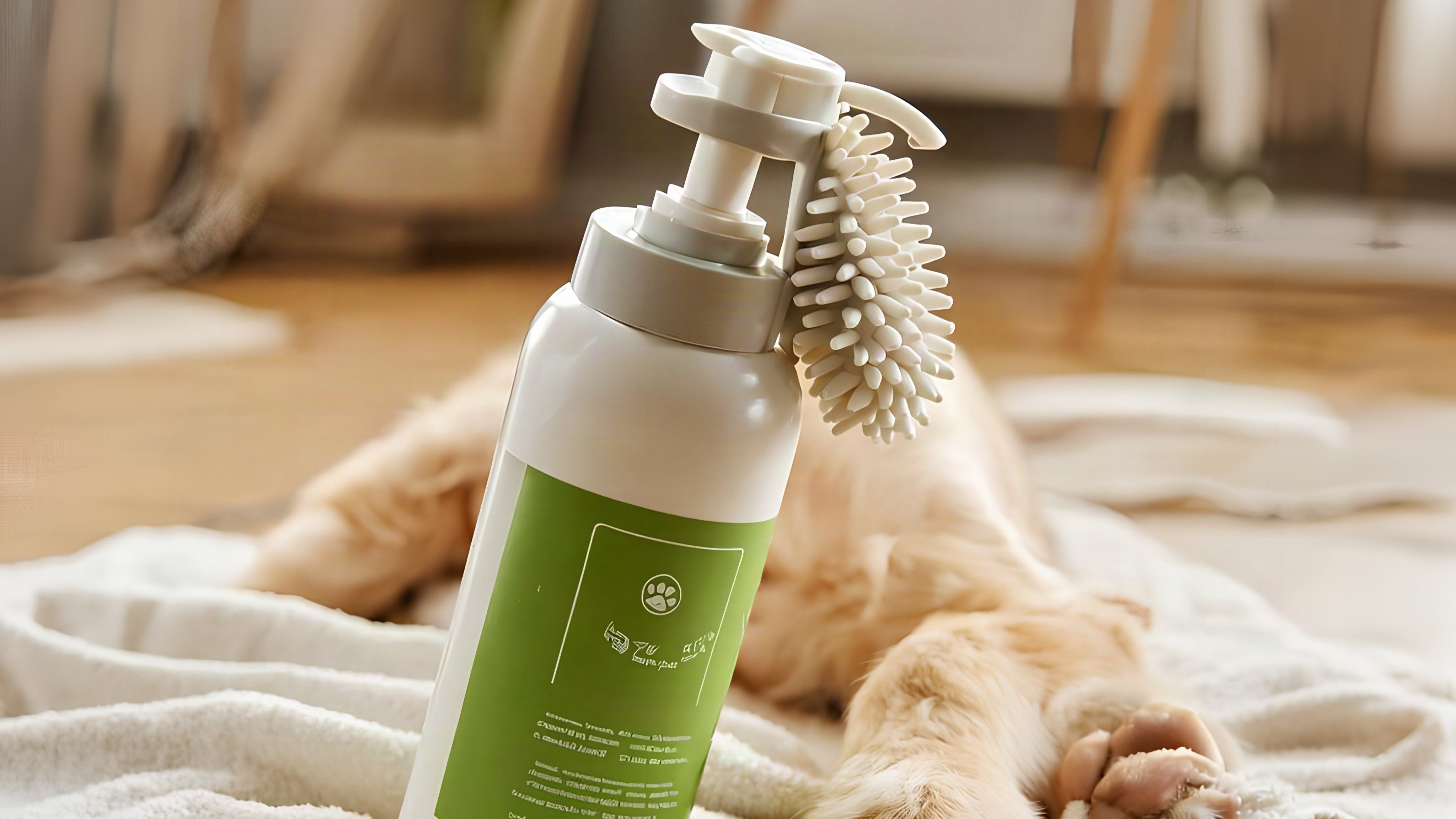
3. PETFUNDA Paw Cleaning Foam Brush for Dogs
4. FURMEDIC Paw & Nose Healing Balm for Dogs
5. Goofy Tails Hemp Paw Cream for Dogs
6. HEARTIE Paw Cleaner for Dogs
7. Foodie Puppies Dog Paw Cleaning Foam with Silicone Brush
8. Trixie Paw Care Spray for Dogs
Frequently Asked Questions (FAQs)
1. How often should I apply paw balm during monsoon season?
Once before each walk is usually sufficient. If your dog is going out multiple times a day, a light reapplication in the morning and evening works well. Avoid over-applying, as too much product can make the pads overly soft.
2. Is it safe to walk my dog in the rain?
Yes, short walks are generally fine. The key is to dry the paws thoroughly afterwards and avoid flooded or chemically contaminated areas. Monitor your dog for any signs of discomfort or infection after wet walks.
3. What signs indicate a paw infection?
Redness, swelling, persistent licking or chewing of the paws, an unpleasant odour, or discharge are common signs. If you notice any of these, consult your vet rather than attempting to treat it at home.
4. Do all dogs need boots during monsoon season?
Not necessarily. Dogs with sensitive paws, those prone to infections, or breeds with thin pads benefit most from boots. For other dogs, consistent drying and balm application may be enough.
5. Can I use coconut oil as a paw balm substitute?
Coconut oil is a popular natural alternative and is generally safe for most dogs. It has mild antibacterial properties and helps moisturise dry pads. However, some dogs lick it off quickly, so a purpose-made paw balm with longer-lasting protection may be more practical for walks.
(Disclaimer: This article may include references to or features of products and services made available through affiliate marketing campaigns. NDTV Convergence Limited (“NDTV”) strives to maintain editorial independence while participating in such campaigns. NDTV does not assume responsibility for the performance or claims of any featured products or services.)