How to Wash Clothes in Hard Water? Detergent And Cycle Adjustments That Help
Hard water can dull clothes and reduce detergent performance. Learn how the right detergent choices, wash cycles, and simple adjustments can keep fabrics cleaner, softer, and longer-lasting.
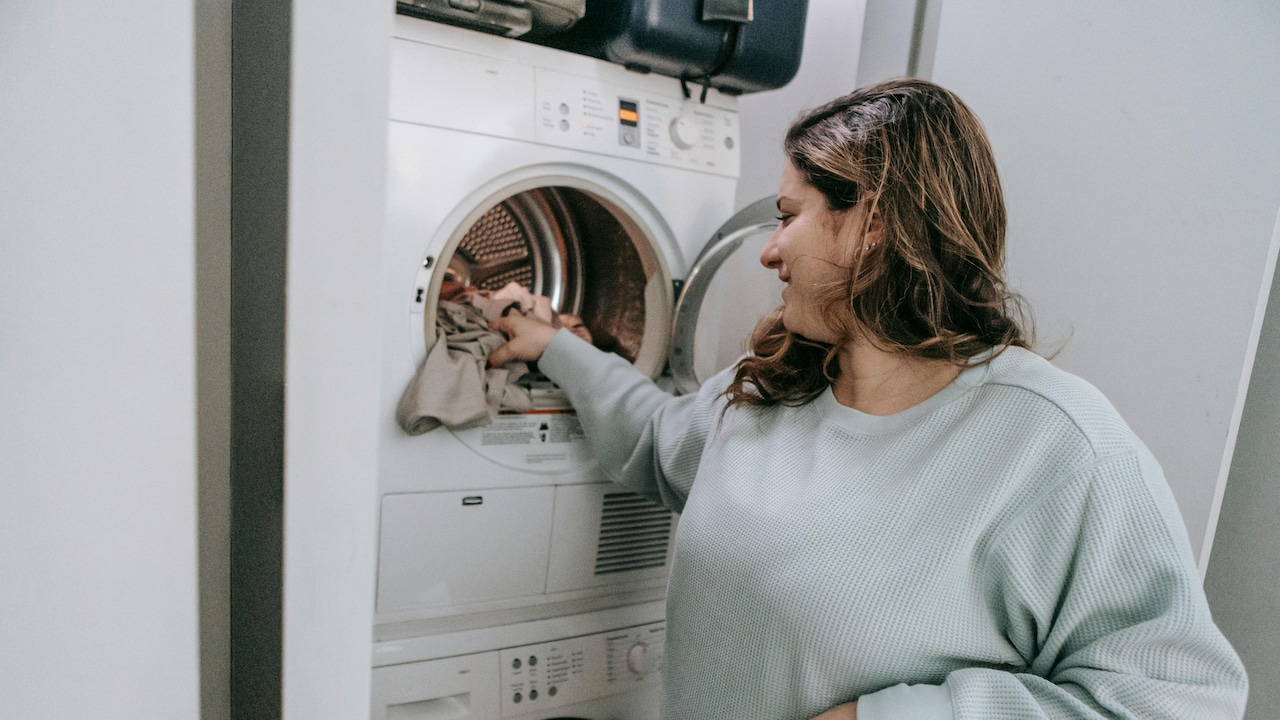
Your Hard Water Laundry Problems Solved Here: Detergent Choices and Wash Cycle Fixes To Know.
Laundry day often brings small, familiar disappointments. Whites look tired, colours fade too soon, and towels feel more like sandpaper than comfort. Hard water usually sits quietly behind these problems. Rich in minerals like calcium and magnesium, it interferes with detergent performance and leaves residue on fabric fibres. Many households face this challenge, especially in cities where groundwater dominates supply.
Yet, washing clothes in hard water does not need to feel like an uphill battle. Small changes, choosing the right detergent, adjusting wash cycles, and treating water before it hits the drum, can make a visible difference. Think of it as learning the language of water and fabric. Once the rhythm feels right, clothes respond beautifully. The following sections explore simple, realistic steps that fit easily into daily routines, without adding stress or expense.

How to Wash Clothes in Hard Water: Best Detergents and Wash Cycle Tips; Photo Credit: Pexels
Practical Ways To Beat Hard Water While Washing Clothes
1. Understand What Hard Water Does to Clothes
Hard water behaves like an uninvited guest in the laundry room. It reacts with detergent, forming insoluble deposits that cling to fabrics. This reaction reduces the cleaning power of soap, leaving behind dirt and mineral residue. Clothes may look clean at first glance, yet feel rough and appear faded over time.
Cotton kurtas lose softness, dark T-shirts develop a greyish cast, and whites slowly turn yellow. Towels stop absorbing water efficiently, which feels frustrating after a long day. Hard water also affects washing machines. Scale builds up inside drums and pipes, reducing efficiency and increasing electricity use.
Recognising these signs helps tackle the problem with clarity. When detergent seems ineffective despite correct dosing, water quality often plays the villain. Understanding this relationship sets the stage for smarter washing decisions. Instead of blaming the machine or the detergent brand, attention shifts to water behaviour. This awareness alone can save clothes from premature ageing and households from unnecessary replacements.
2. Choose Detergents Designed for Hard Water
Not all detergents perform equally in mineral-rich water. Regular soaps struggle to lather and clean properly, while formulations designed for hard water contain builders that soften water during the wash. These builders bind calcium and magnesium, allowing surfactants to do their job.
Powder detergents often work better than liquid ones in hard water, as they usually contain more water-softening agents. However, concentrated liquid detergents labelled for tough water conditions also deliver good results. The key lies in reading packaging carefully and avoiding products that promise “extra fragrance” over cleaning efficiency.
Using the right detergent reduces residue on clothes and prevents that chalky feel. Colours stay brighter, and fabrics regain flexibility. Overuse should still be avoided, as excess detergent can worsen buildup. Balance matters more than quantity. A well-chosen detergent acts like a quiet helper, working behind the scenes to neutralise hard water's effects.
Also Read: Discover These 5 Washing Machines At ₹20,000
3. Adjust Detergent Quantity Thoughtfully
Hard water often tempts households to add extra detergent, hoping for better cleaning. Unfortunately, this approach backfires. Excess soap reacts with minerals, creating more residue that sticks stubbornly to fabric fibres. Clothes then feel stiff and look dull.
A measured approach works best. Start with the recommended amount and increase slightly only if clothes emerge visibly dirty. Modern detergents are concentrated, and more does not always mean cleaner. Using a scoop or measuring cup helps maintain consistency, rather than guessing each time.
For heavily soiled clothes, pre-soaking offers better results than overdosing on detergent. This method loosens dirt before the main wash, reducing the need for extra soap. Thoughtful dosing saves money, protects fabric, and keeps washing machines cleaner. It also brings a sense of control back to laundry routines, turning guesswork into habit.
4. Switch to Warmer Wash Cycles When Needed
Cold water washing saves energy, yet hard water sometimes demands warmth. Minerals dissolve more effectively in warm water, allowing the detergent to activate fully. Lightly soiled clothes still wash well in cold settings, but heavily stained garments benefit from warm cycles.
Warm water helps remove greasy stains from kitchen towels and everyday wear. It also prevents mineral deposits from settling deeply into fabric fibres. However, excessively hot water should be avoided for delicate fabrics, as it causes shrinkage and colour bleeding.
A balanced approach works best. Use cold water for quick refreshes and warm water for thorough cleaning. This flexibility respects fabric care labels while countering hard water challenges. Adjusting temperature thoughtfully brings noticeable improvement without drastically increasing electricity bills.
How to Wash Clothes in Hard Water: Best Detergents and Wash Cycle Tips; Photo Credit: Pexels
5. Add Natural Water Softeners to the Wash
Simple household ingredients can work wonders against hard water. Baking soda and washing soda act as natural water softeners, binding minerals and boosting detergent performance. Adding half a cup to the wash helps clothes rinse cleaner and feel softer.
White vinegar, added during the rinse cycle, dissolves mineral residue and restores fabric softness. Towels regain absorbency, and clothes emerge fresher. The vinegar smell disappears once the fabrics dry, leaving no trace behind.
These natural solutions suit households seeking gentle, affordable fixes. They reduce reliance on chemical additives and fit seamlessly into routine washing. Over time, clothes maintain texture and colour better, extending their lifespan. Such small additions often feel like old-school wisdom rediscovered, practical and reassuring.
6. Optimise Washing Machine Settings
Washing machines offer more control than often realised. Selecting longer rinse cycles helps flush out detergent and mineral residue. Extra rinse options prove particularly useful in hard water areas, ensuring clothes feel cleaner and softer.
Avoid overloading the drum. Crowded loads prevent proper water circulation, trapping minerals in fabric folds. Clothes need space to move freely for effective cleaning. Smaller loads may feel inconvenient, but deliver better results.
Regularly cleaning the machine drum also matters. Scale buildup affects wash quality and machine lifespan. Running an empty hot cycle with vinegar once a month keeps the system efficient. Thoughtful use of machine settings transforms laundry from routine to refined.
7. Pre-Soak Clothes for Better Results
Pre-soaking offers a gentle yet powerful way to fight hard water effects. Soaking clothes in warm water with a small amount of detergent or baking soda loosens dirt and mineral residue before washing begins. This step proves especially useful for whites and heavily soiled garments.
Even a short soak of thirty minutes makes a difference. Stains lift more easily, reducing the need for aggressive washing later. Fabrics suffer less wear, maintaining strength and colour over time.
Pre-soaking also allows the detergent to penetrate the fibres without competing with minerals immediately. The main wash then becomes more effective. This method suits busy routines too, as soaking can happen while other tasks unfold. It feels like giving clothes a head start, setting them up for success.
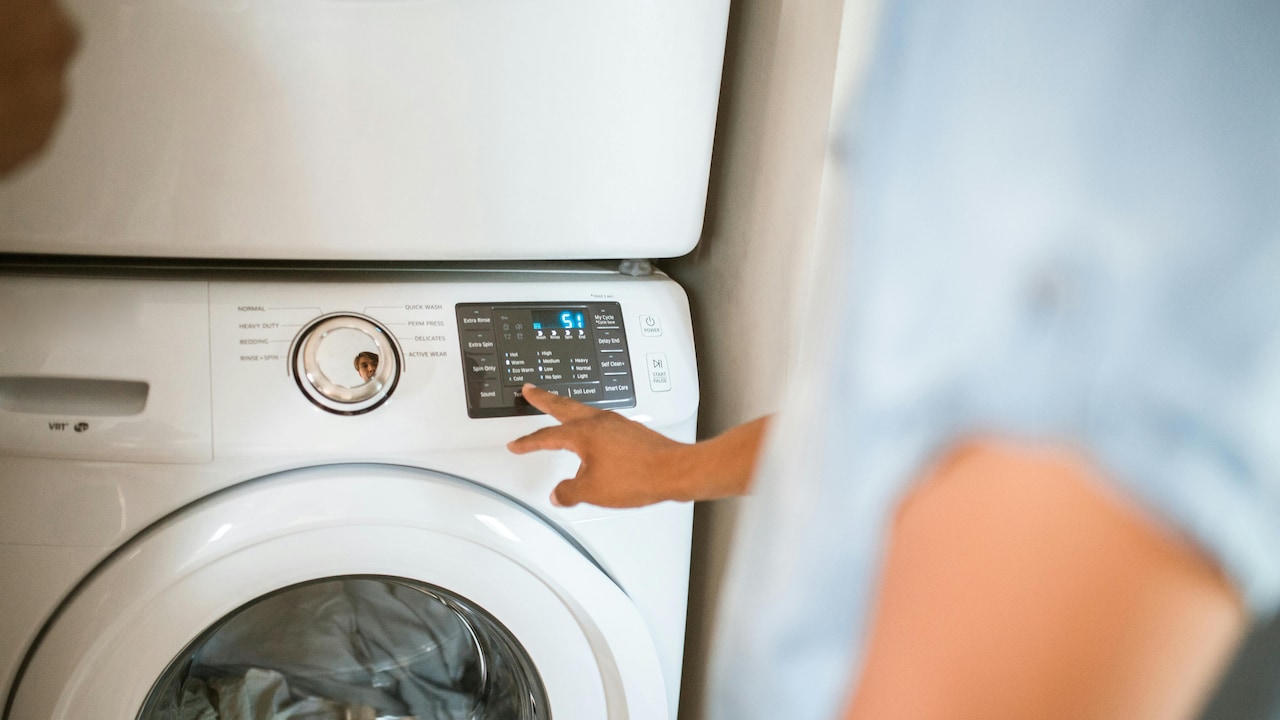
How to Wash Clothes in Hard Water: Best Detergents and Wash Cycle Tips; Photo Credit: Pexels
8. Dry Clothes Properly to Avoid Stiffness
Drying plays a crucial role in how clothes feel post-wash. Hard water residue stiffens fabrics further when clothes dry in direct sunlight. While sunshine disinfects naturally, overexposure hardens fibres.
Shaking clothes gently before hanging helps loosen fibres and prevent stiffness. Drying in shaded, well-ventilated areas preserves softness while avoiding musty smells. For towels, a brief tumble in the dryer or hand fluffing restores plushness.
Avoid overdrying, as it locks minerals into fabric. Removing clothes while slightly damp and allowing them to air dry finishes the process gently. Proper drying feels like the final touch, ensuring all washing efforts pay off in comfort.
9. Invest in Long-Term Water Solutions
While daily adjustments help, long-term solutions offer lasting relief. Installing a water softener at the inlet reduces mineral content throughout the household. Clothes wash cleaner, machines last longer, and skin feels softer after bathing.
For smaller budgets, faucet-mounted filters or shower filters provide partial benefits. Even these modest steps reduce mineral load entering washing machines. Over time, savings appear through reduced detergent use and fewer appliance repairs.
Considering water quality as a household investment shifts perspective. It supports comfort, efficiency, and fabric care across daily life. Though initial costs exist, long-term convenience and improved results often outweigh them.
10. Care for Fabrics with Extra Attention
Hard water demands gentler fabric care overall. Choosing fabric-friendly cycles, avoiding harsh detergents, and washing similar fabrics together preserves texture and colour. Delicates benefit from mesh bags and mild detergents.
Occasional fabric conditioning restores softness lost to mineral exposure. Natural conditioners or diluted vinegar work well. Rotating clothes and avoiding repeated washing also reduces wear.
Viewing laundry as care rather than a chore changes outcomes. Clothes respond to mindful handling, lasting longer and looking better. In hard water conditions, this attention becomes even more valuable, protecting wardrobes from silent damage.
Products Related To This Article
1. Bosch 9 kg, 5 Star, Anti Stain & AI Active Water+ Fully Automatic Front Load Washing Machine
2. WaterScience Advanced Washing Machine Filter for Hard Water
3. Haier 8 kg 5 Star Powered by AI-DBT with PuriSteam
4. WaterLabs Washing Machine Filter for Hard Water & Sediments
5. Samsung 9 kg, 5 star, Eco Bubble Technology
6. LG Smart Choice, 7 Kg, 5 Star, Steam, Inverter Direct Drive Technology
Hard water may feel like a stubborn opponent, yet it responds well to thoughtful strategies. By choosing suitable detergents, adjusting wash cycles, and embracing simple, natural solutions, laundry quality improves noticeably. Clothes regain softness, colours stay vibrant, and washing machines run more efficiently.
These changes do not demand drastic lifestyle shifts or expensive products. Instead, they rely on awareness, balance, and a touch of patience. Over time, laundry day transforms from frustration into quiet satisfaction. When water works with fabric rather than against it, every fresh load feels like a small victory, clean, comfortable, and ready for everyday life.
(Disclaimer: This article may include references to or features of products and services made available through affiliate marketing campaigns. NDTV Convergence Limited (“NDTV”) strives to maintain editorial independence while participating in such campaigns. NDTV does not assume responsibility for the performance or claims of any featured products or services.)