Stay Fit And Healthy With Superfoods: Types Of Flours To Eat In Winter
Switch your winter diet and get natural warmth with plenty of health benefits. Explore the best types of flour to eat in winter for smarter choices.
Give your body the best of winter season with these different types of flours
With the cold weather leading to bodyaches and fatigue, switching up your diet in winter can be a smart move. Using the right ingredients according to the season can help support your body's need for warmth and energy. For instance, while hydrating fruits and cold drinks feel like a blessing in summer, winter needs the power of multigrain flours to provide nutrients and warmth. And if you are feeling clueless about the same, here are the different types of flours to eat in winter.
Make your winter diet more healthy and nutririous with these flours; Photo Credit: Copilot
Each of these winter flours offers scope to be experimented with in sweet and savoury dishes. From everyday rotis to occasional laddoos, these flours carry a rich nutrient profile and a delicious taste. Plus, their subtle aroma makes them almost invisible to be mixed together or hidden in recipes for the elderly and young learners, making them a pantry staple.
Also Read: 5 Delicious Ready-to-Eat Halwas To Try Before Winter Ends
| Product Name | Type | Quantity | Shelf Life | Price |
|---|---|---|---|---|
| BIOLIFE Makka Atta | Flour | 500 g | 24 months | ₹69 |
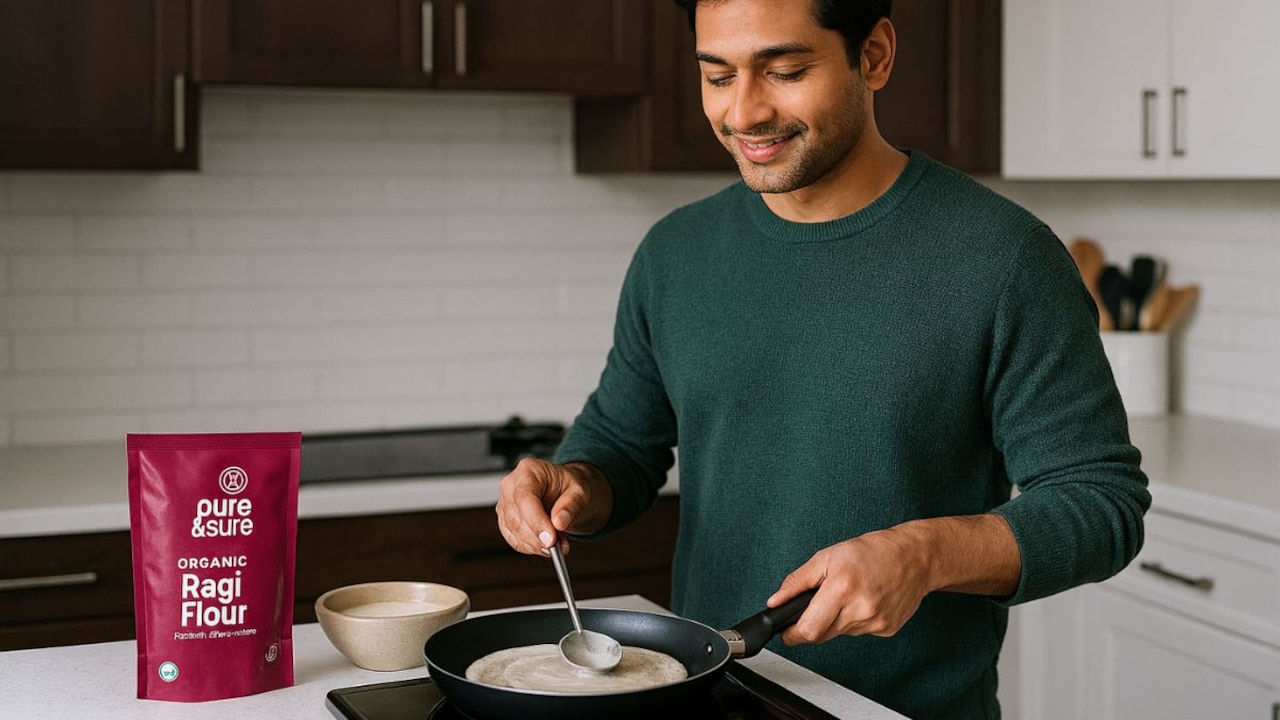
| Pure & Sure Organic Ragi Flour | Flour | 500 g | 12 months | ₹80 |
| Millettree Roasted Jowar Atta / Sorghum Millet Flour | Flour | 1 kg | 6 months | ₹169 |
| Amwel Organic Foxtail Millet Flour (Kangni/Thinai/Rala Atta) | Flour | 0.9 kg | 6 months | ₹294 |
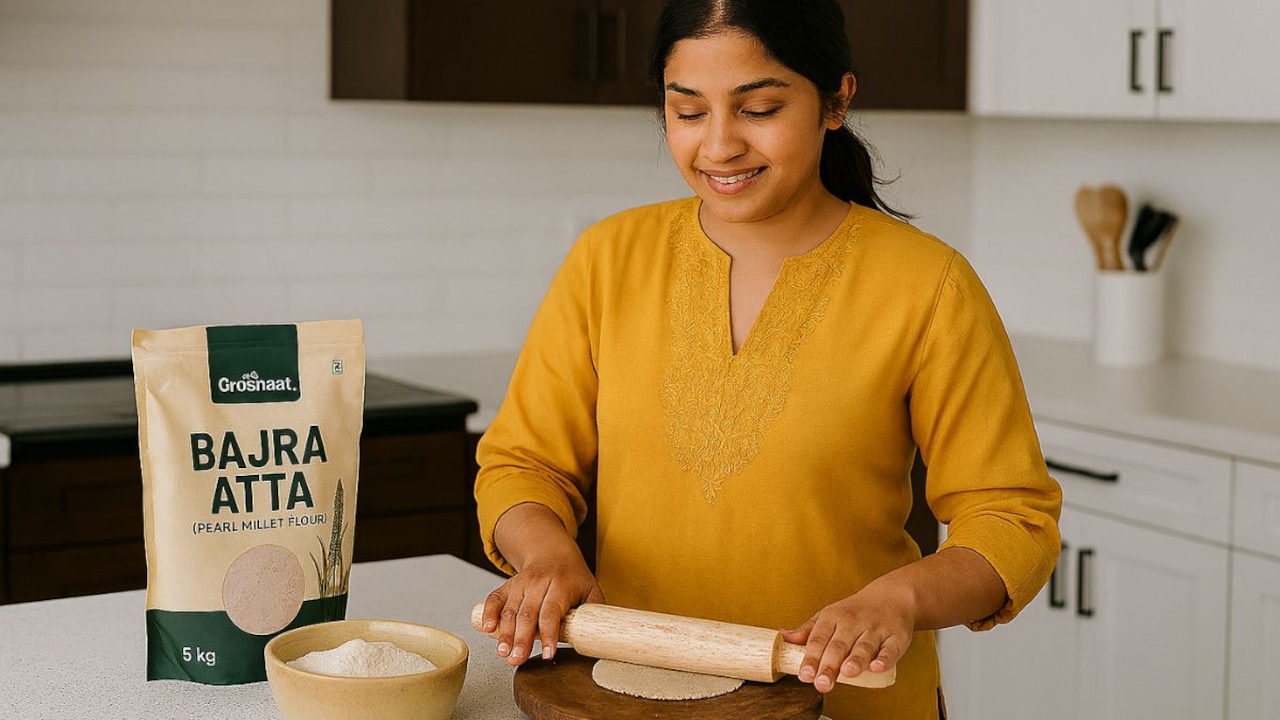
| Groshaat Bajra Atta (Pearl Millet Flour) | Flour | 5 kg | 6 months | ₹569 |
Top Deals On Flours For Winter
1. Pure & Sure Organic Ragi Flour
Ragi, also known as finger millet, is a winter staple in the diet of many people. It is commonly used to prepare idlis, dosa, chapati, upma, and laddoos. Pure & Sure's organic ragi flour offers a delicious taste and easy to handle texture. It is easy to bind and helps prepare different delicacies at home.
Key Features
- Suitable for gluten-free diets
- Easy to use in sweet and savory recipes
- Made from clean and organic ingredients
- Offers a rich taste and aroma
- Easy to handle and bind
2. Millettree Roasted Jowar Atta / Sorghum Millet Flour
Roasted jowar atta is made from jowar or white millet. It is a gluten-free flour, rich in fibre and vitamins. Jowar atta is widely loved for being easy to handle, knead, and roll out. It makes delicious rotis and can be used in bhakris, chilla, uttapam, and so much more. This is a must-have winter flour for every pantry.
Key Features
- High in protein and fibre
- Packed with nutrition for all age groups
- Does not contain artificial flavours or colours
- Suitable for gluten-free preferences
- Easy to use in rotis, bhakri, and chilla/pancakes
3. BIOLIFE Makka Atta
Let's be honest, winter feels incomplete without relishing sarso ka saag and makki ki roti. This atta has a natural sweetness and is easy to use in rotis, laddoos, dosas, and other recipes. Known to only a few, makki ka atta also doubles as a thickener for curries and sauces without changing the flavour profile. Mix it with water, add to your boiling pot, and cook until the dish is ready.
Key Features
- Gluten-free alternative
- Tastes delicious in winter
- Easy to knead and prepare rotis
- Can be used to make laddoos
- Made from the finest ingredients
4. Amwel Organic Foxtail Millet Flour (Kangni/Thinai/Rala Atta)
Kangni or foxtail millet flour is another gluten-free alternative for selective dietary preferences. It improves immunity and enhances your overall health profile. If you have young children or the elderly at home, this foxtail millet flour is easy to incorporate into delicious recipes. You can make rotis, dosas, porridge, and sweet laddoos.
Key Features
- Made with high-quality ingredients
- Contains rich nutritional benefits
- Offers various health benefits
- Ideal for making idlis, dosas, laddoos, or chillas
- Can be mixed with other flours
5. Groshaat Bajra Atta (Pearl Millet Flour)
Bajra ke atta or pearl millet flour is a popular choice in winter. It is easy to mix with ragi, millet, and other flours to make healthy and nutritious rotis. Like kangni flour, bajra atta has a rich nutritional profile. It is packed with fibre and provides multiple health benefits. Moreover, bajra atta has a slightly sweet flavour and an earthy fragrance.
Key Features
- Ideal to make dosas, uttapam, thepla, rotis, and khichdi
- Helpful in sweet and savoury recipes
- Has a strong fragrance and taste
- Gluten-free for individuals with selective preferences
- Offers various health benefits
Choosing the right flour in winter can change the way food nourishes your body. Apart from offering a rich taste and a comforting warmth, these flours are highly versatile. They are easy to incorporate into different recipes and eat nutritious meals at home. From savoury khichdis to sweet laddoos, these flours can do it all. Shop now on Flipkart.
Frequently Asked Questions (FAQs)
1. Which flour is best to eat in winter?
Certain options like bajra, ragi, and jowar are considered the best options for winter. They go well in different recipes and are naturally warming
2. How to make multigrain roti?
To make multigrain roti at home, mix different flours like wheat, bajra, jowar, and ragi and knead until soft. Allow the dough a few minutes to rest, and then cook hot chapatis.
3. How to make bajra roti dough?
To make a soft bajra dough, mix the flour with hot water and keep stirring until it forms a dough. Next, once the dough has cooled down, knead it for 5-10 minutes and adjust the water quantity depending on the texture.
4. How to eat ragi atta in winter?
To consume ragi atta in winter, you can use it in porridge, laddoos, bhakris, chapatis, or crispy dosas.
5. How to consume jowar atta?
The best ways to consume jowar atta include making chillas, khichdi, upma, rotis, or bhakris.
(Disclaimer: This article may include references to or features of products and services made available through affiliate marketing campaigns. NDTV Convergence Limited (“NDTV”) strives to maintain editorial independence while participating in such campaigns. NDTV does not assume responsibility for the performance or claims of any featured products or services.)