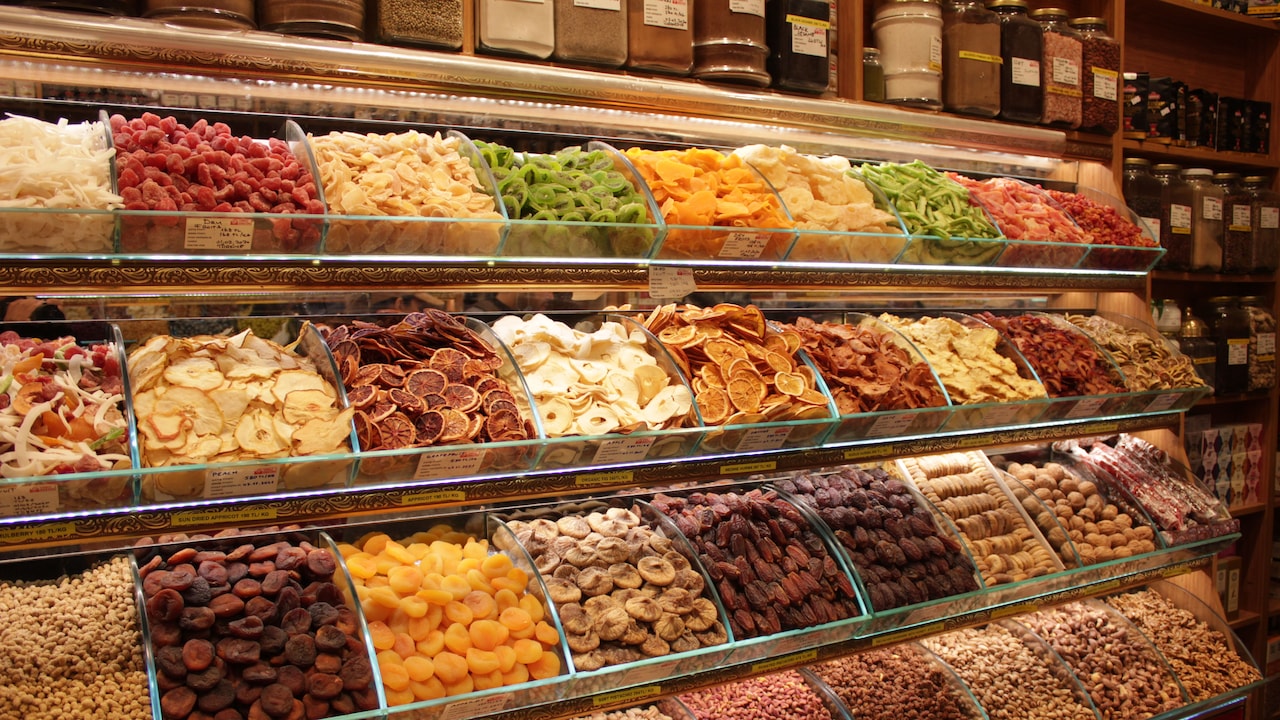
What Ingredients You Need For The Navratri Vrat
Wondering what ingredients you need for the Navratri vrat? Check the essential flours, grains, fruits, dairy, spices and pantry staples for fasting meals.
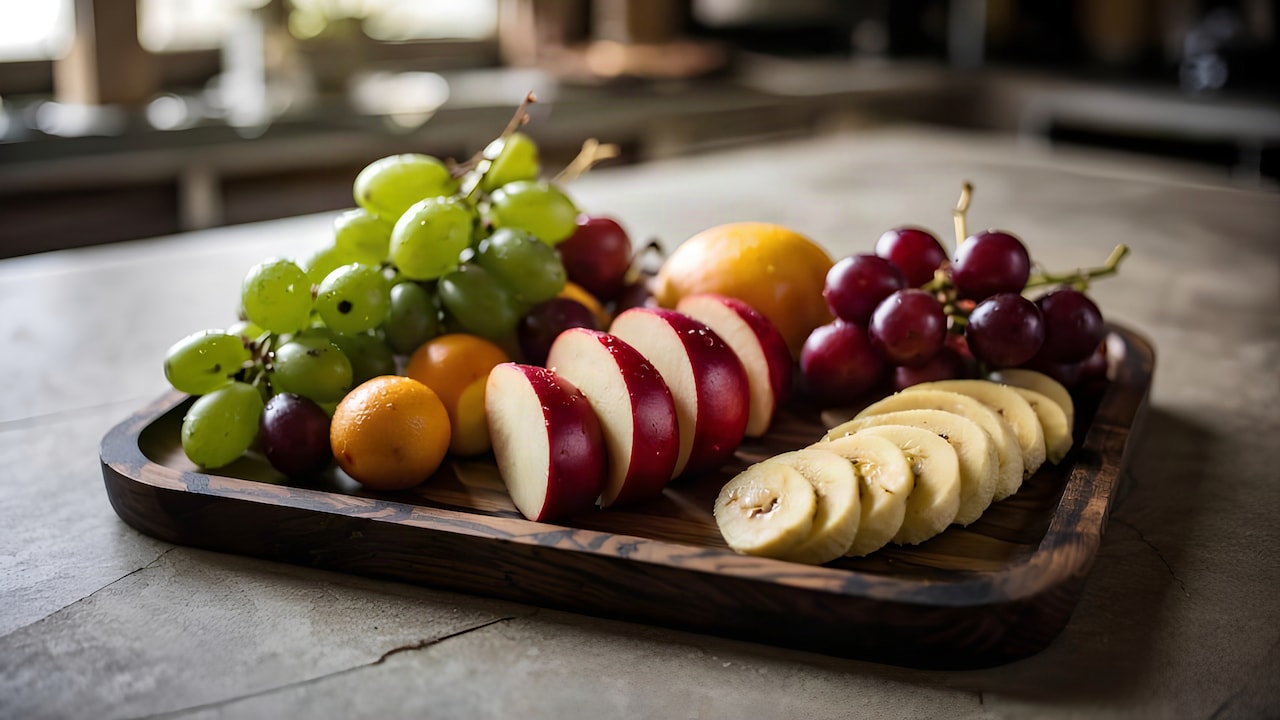
What Ingredients You Need For The Navratri Vrat
Navratri kitchens have their own little rhythm. The regular atta and rice move aside, the sabudana gets soaked, kuttu atta comes out, and suddenly even a simple bowl of potatoes feels like part of a proper festive meal. But if you're observing the vrat for the first time, the grocery list can get confusing. Which flour should you buy? Is regular salt okay? What about makhana, rajgira, or samak rice? The best thing about Navratri is that you do not have to stock up on dozens of rare ingredients.
Start With The Basic Vrat-Friendly Ingredients
Photo Credit: iStock
A few basic ingredients will cover all your needs from breakfast and lunch to snacks and dessert. Different households have different rules when it comes to fasting, so make sure to follow the family's tradition. This guide will help you understand what ingredients you need.
Start With The Basic Vrat-Friendly Ingredients
Your Navratri kitchen should contain only a few ingredients, including alternative flours, grain substitutes, fruits, dairy products, and vegetables.
1. Keep Sabudana For Easy Meals
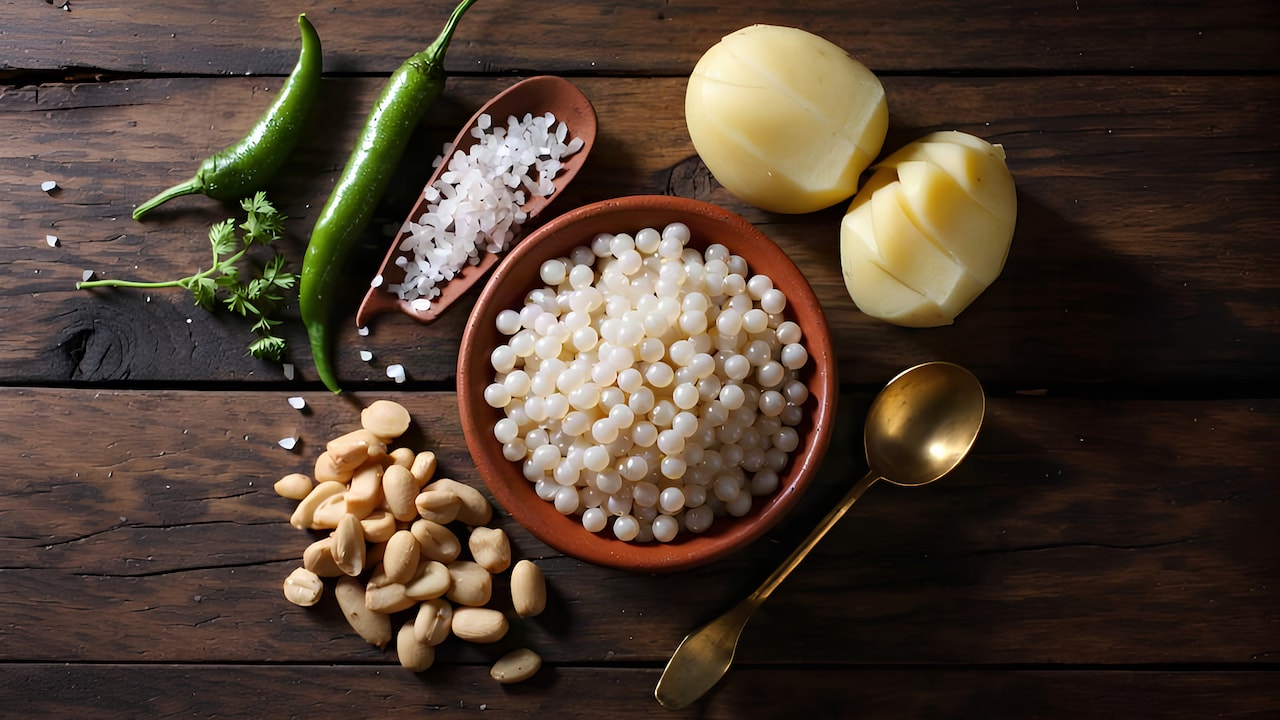
One of the most prominent ingredients used during Navratri is sabudana. This ingredient can be soaked and used for khichdi, vada, and kheer, so you need just one packet of sabudana to prepare all these meals.
When preparing sabudana khichdi, mix sabudana with potatoes, peanuts, cumin, green chilli and sendha namak. This mixture will give you a delicious and nourishing dish.
2. Add Kuttu And Singhara Flour
Kuttu atta and singhara atta are two useful flours to keep around during Navratri. They can be used for rotis, puris, cheelas, tikkis and other fasting preparations.
Kuttu is made from buckwheat, while singhara comes from water chestnut. Both are commonly used as alternatives to regular wheat flour during fasting.
Don't Forget The Other Vrat Staples
Flour alone won't make the pantry complete. A few other ingredients can help you build meals that don't feel exactly the same every day.
1. Pick Rajgira For A Change
Rajgira, also called amaranth, is another ingredient used during Navratri fasting. You can buy it as seeds or flour, depending on what you plan to cook.
Rajgira flour works for rotis and parathas, while puffed rajgira can be used in sweets and snack-style preparations. It is a useful ingredient when you are getting tired of eating only kuttu-based dishes.
2. Keep Samak Rice In The Kitchen
If you usually miss rice during a vrat, samak rice is a handy option. Also called barnyard millet, it is commonly used as a rice substitute for fasting meals.
You can cook it simply, turn it into khichdi, or pair it with vrat-friendly vegetables and curd. It also gives some variety when sabudana has already appeared on the menu a few times.
Also Read: Top 5 Nine-Colour Kurtis To Match Each Day Of Navratri Under ₹800
Build A Pantry For Snacks And Sides
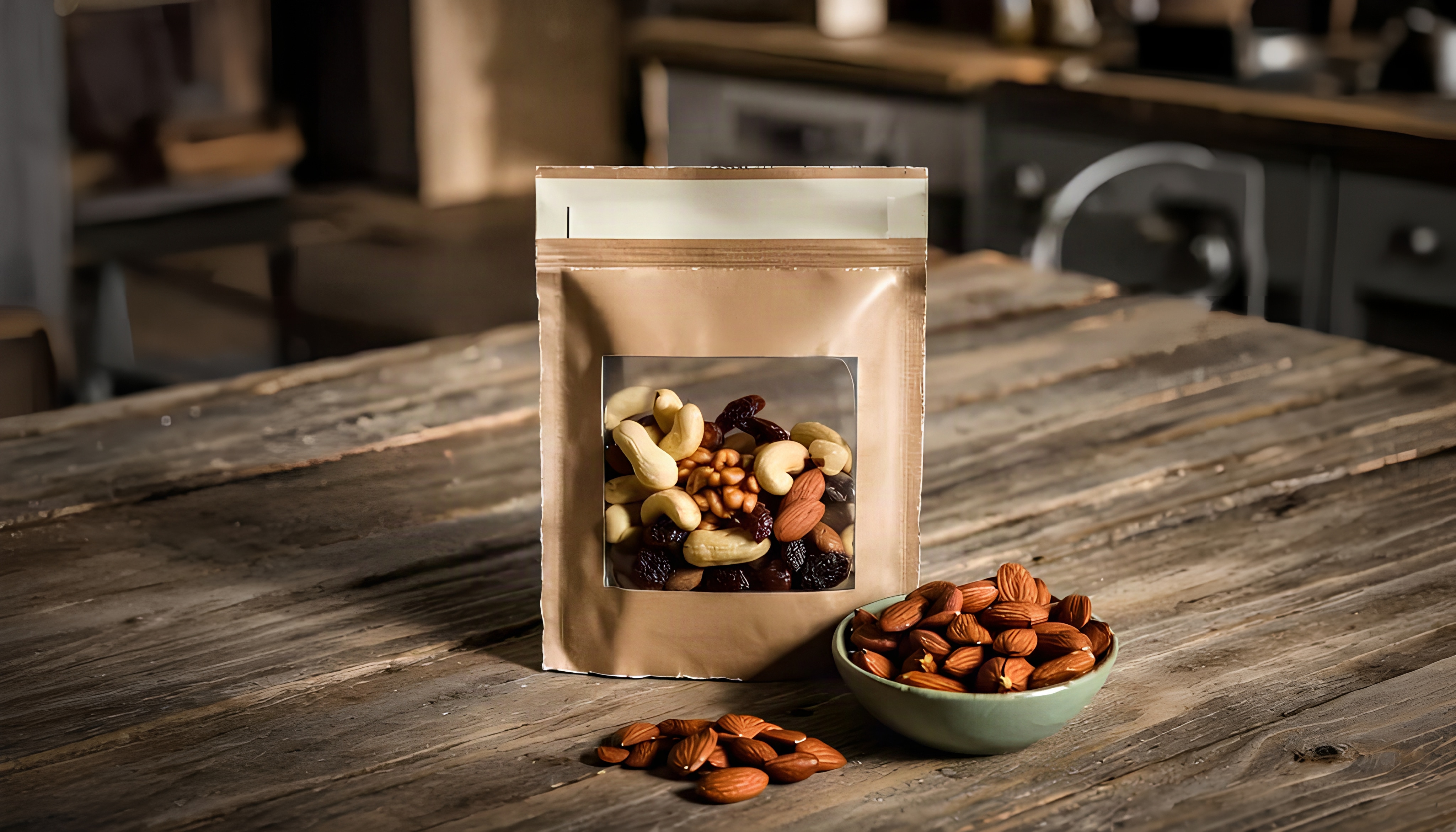
This section is where the Navratri ingredient list becomes more interesting. Small additions like makhana, peanuts and dairy can turn a basic meal into something more filling.
1. Stock Makhana And Peanuts
Makhana is useful when you want something crunchy without reaching for packaged snacks. Roast it with a little ghee and season it with sendha namak or permitted spices.
Peanuts are equally useful. They can go into sabudana khichdi, chutneys or simple snack preparations, and they also add some protein to meals.
2. Keep Milk, Curd And Paneer Handy
Dairy can make a fasting menu feel much less repetitive. Curd works with potatoes, samak rice or fruit, while paneer can become a filling part of lunch or dinner.
Milk is useful for drinks, kheer and other sweet dishes. If you are planning several fasting days, having these basics at home saves many last-minute grocery runs.
Choose The Right Seasonings
Vrat food doesn't have to mean completely bland food. You just need to be more careful about the seasonings and packaged ingredients you use.
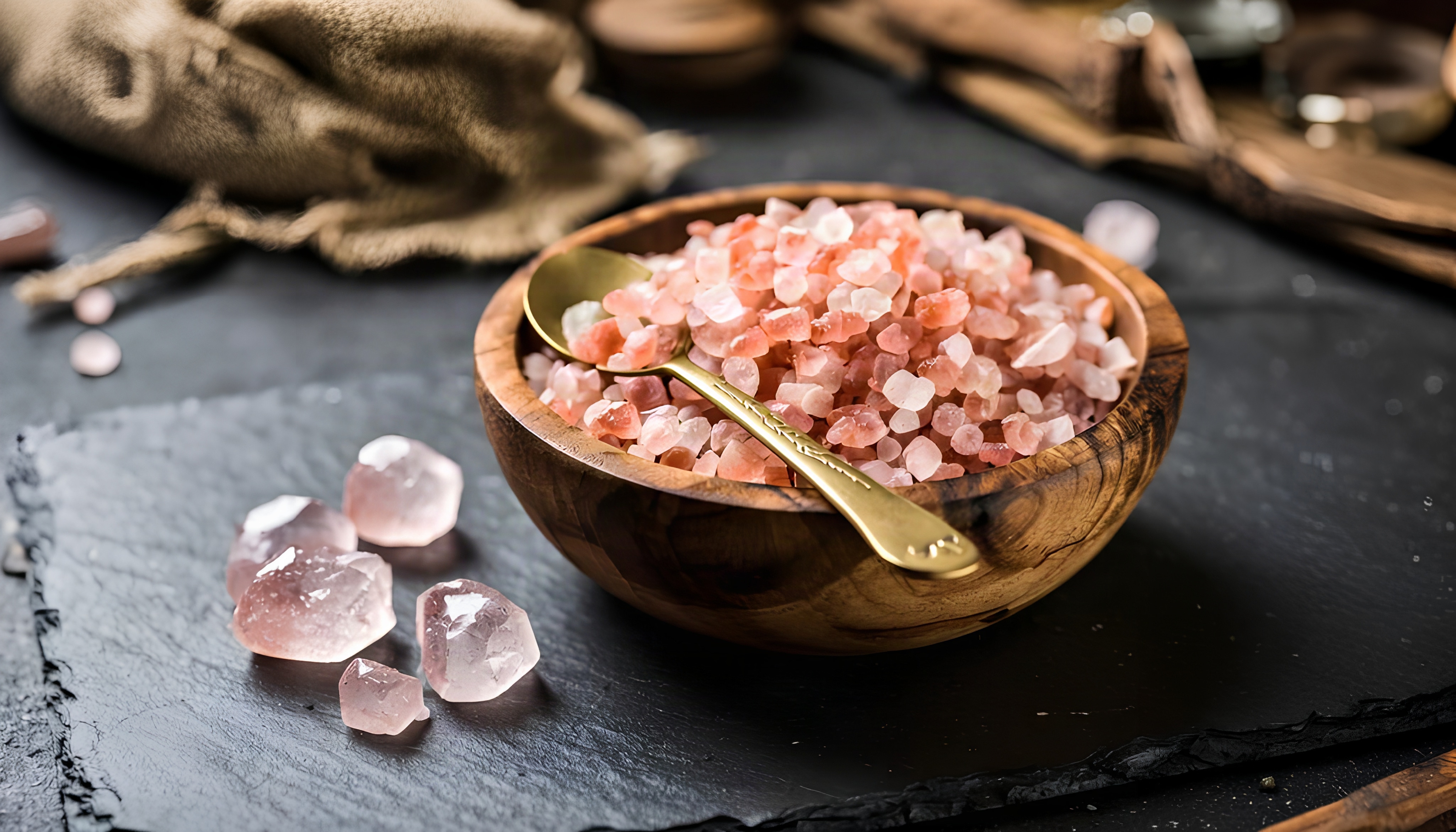
1. Replace Regular Salt With Sendha Namak
Sendha namak, or rock salt, is one of the most important pantry staples for many Navratri vrat traditions. Regular table salt is commonly avoided and replaced with sendha namak.
It works in everything from potato sabzi to raita and sabudana dishes. Keep one separate packet at home so regular table salt doesn't accidentally find its way into your fasting meal.
2. Use Simple Spices And Fresh Herbs
Cumin, black pepper, green chilli, ginger and cardamom are among the seasonings commonly used in fasting meals. They can add enough flavour without making every dish too spicy.
Be careful with ready-made masala mixes, though. Some may contain ingredients that your particular vrat doesn't allow, and commercial hing may also contain wheat flour. Check the label instead of assuming a packaged spice is automatically vrat-friendly.
Some Navratri Vrat Ingredients You May Like
Photo Credit: iStock
Some Navratri Vrat Ingredients You May Like
1. Amazon Brand - Vedaka Tapioca Sago (Sabudana) Medium, 1 Kg
2. NatureVit Buckwheat Floor Kuttu Ka Atta
3. Millet Amma Organic Amaranth Flour - 1 kg
4. Veganic Samak Chawal, Sama Rice for Fast, 400 g
5. Rajbhog Fox Nuts (Phool Makhana), 250 g
6. 24 Mantra Organic Himalayan Organic Sendha Namak, 1 kg
7. Organic Tattva Organic Raw Unpolished Peanuts, 1 kg
8. Amul Pure Ghee, 1-Litre Carton
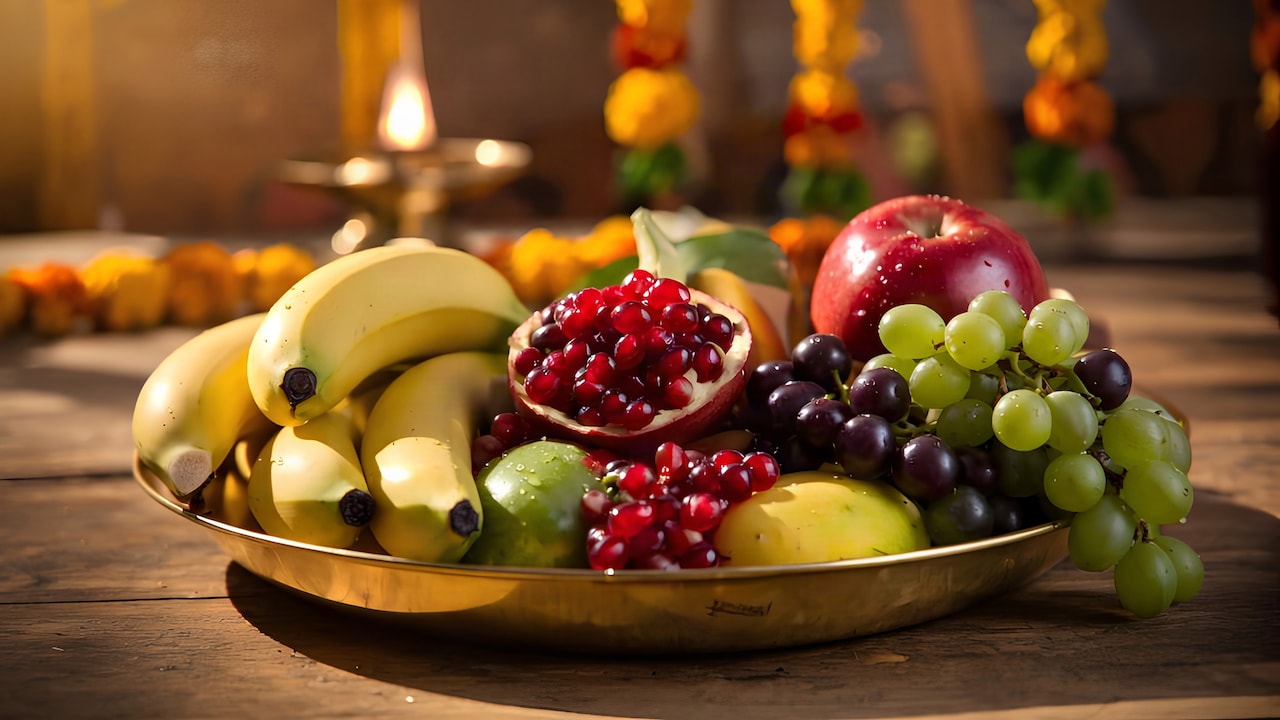
Navratri fasting often revolves around simple ingredients that can be turned into a variety of meals, from breakfast and snacks to complete festive thalis. Staples such as buckwheat flour, water chestnut flour, sago pearls and rock salt are commonly used to prepare vrat-friendly dishes that help keep meals both filling and flavourful. Fresh fruits, milk, curd and dry fruits also become important additions during the fasting period.
FAQs
1. What are some of the main components needed in the Navratri vrat?
Usually, the main components are sabudana, kuttu atta, singhara atta, rajgira, samak rice, sendha namak, and potatoes. But still, the requirements may vary depending on each family and locality.
2. Is it okay to use salt in the Navratri vrat?
There are many traditional vrat practices wherein salt is avoided and sendha namak is preferred. If you have vrat traditions in your family, you should follow them.
3. Is kuttu atta allowed in the Navratri vrat?
Kuttu atta is one of the common ingredients used in the Navratri vrat. It can be used in preparations like rotis, puris, cheelas, and tikkis.
4. Will sabudana be sufficient as food for Navratri?
Sabudana can be one food item, but there are also others, such as potatoes, peanuts, dairy, and vegetables.
5. Are there some points I should consider while purchasing the packaged vrat items?
Some points to consider are packaging, expiry date, list of ingredients, and any other certifications. Items that are ready to eat and spices need special care because they might not conform to your customs. .
(Disclaimer: This article may include references to or features of products and services made available through affiliate marketing campaigns. NDTV Convergence Limited (“NDTV”) strives to maintain editorial independence while participating in such campaigns. NDTV does not assume responsibility for the performance or claims of any featured products or services.)