What Makes A Product Truly Organic? A Complete Guide To Spotting Authentic Vs Misleading Claims
Learn what truly makes a product organic, how certification works, and how to spot genuine labels. Understand farming, processing, packaging and common red flags.
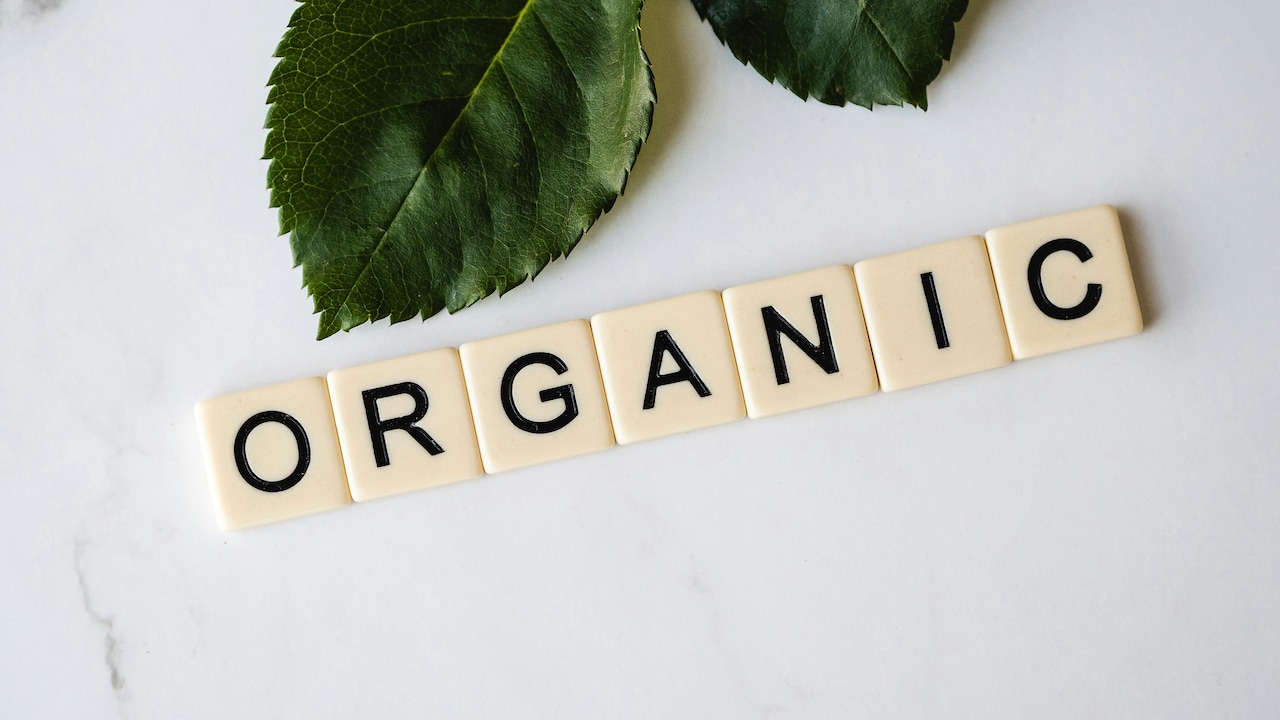
True organic farming begins years before the crop is grown.
Walk through any supermarket aisle or scroll through any online marketplace today, and you'll see the word “organic” slapped everywhere: on food, skincare, clothing, baby products, even cleaning liquids. It's become one of the most powerful marketing terms of the last decade. But with its growing popularity comes growing confusion. What does organic actually mean?
Organic is a regulated term, not a marketing buzzword.
Photo Credit: Co-Pilot
How can you tell if something is genuinely organic or has simply been greenwashed?
To understand authenticity, you must first understand the journey: from the soil where an ingredient is grown, to how it's processed, packaged, and finally certified. Only then can a consumer confidently tell the difference between a rigorously verified organic product and one that's merely capitalising on a trend.
Also Read: Get Best Discounts On Daily Grocery Essentials
What Does Organic Mean?
Contrary to what many assume, organic does not simply mean “natural” or “chemical-free”. In regulated markets, organic is a legally defined term. It refers to agricultural products grown and processed according to strict standards that prohibit synthetic pesticides, chemical fertilisers, genetically modified organisms (GMOs), growth hormones, and most artificial preservatives.
Organically grown products focus on soil health, biodiversity, water conservation, and sustainability. The process is designed to reduce environmental harm and avoid residual chemicals in the final product. Whether it's a tomato, a face cream ingredient, or cotton for clothing, the organic label indicates that every ingredient originates from a farm that adheres to these rigorous requirements.
What makes this significant is that these standards are not self-declared. They are verified, inspected, and certified.
From Soil To Shelf: The Journey Of An Organic Product
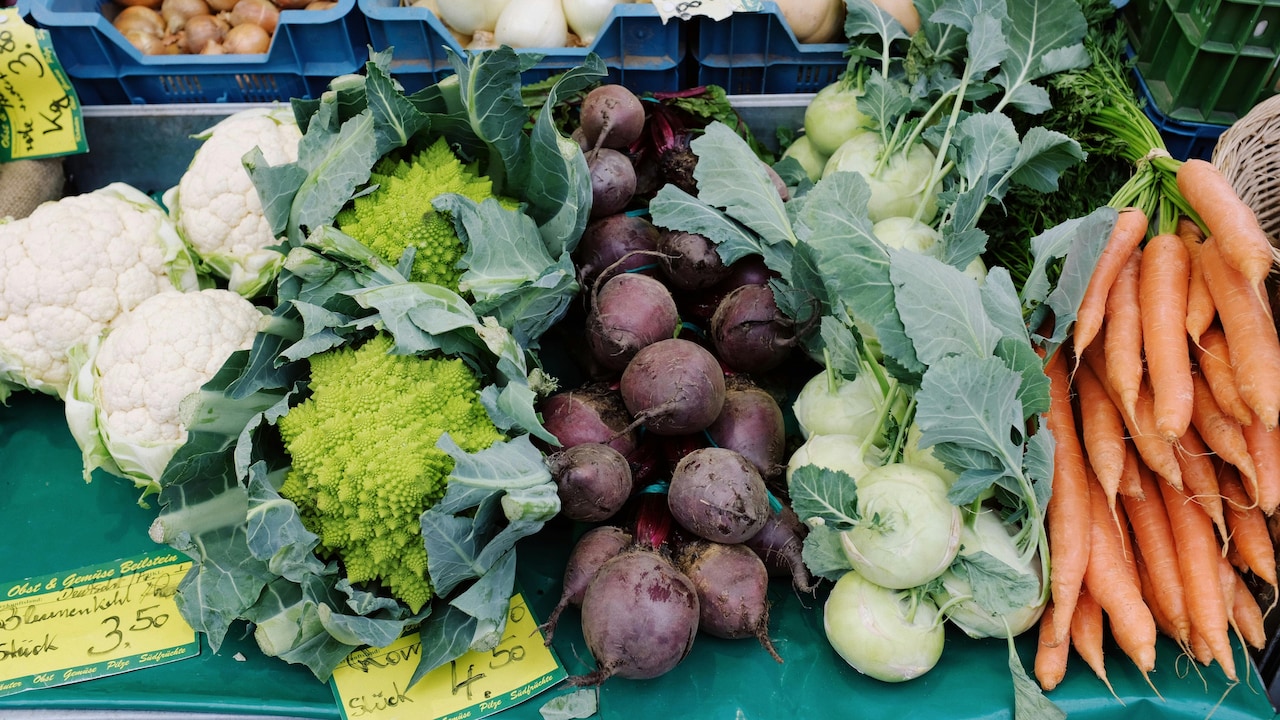
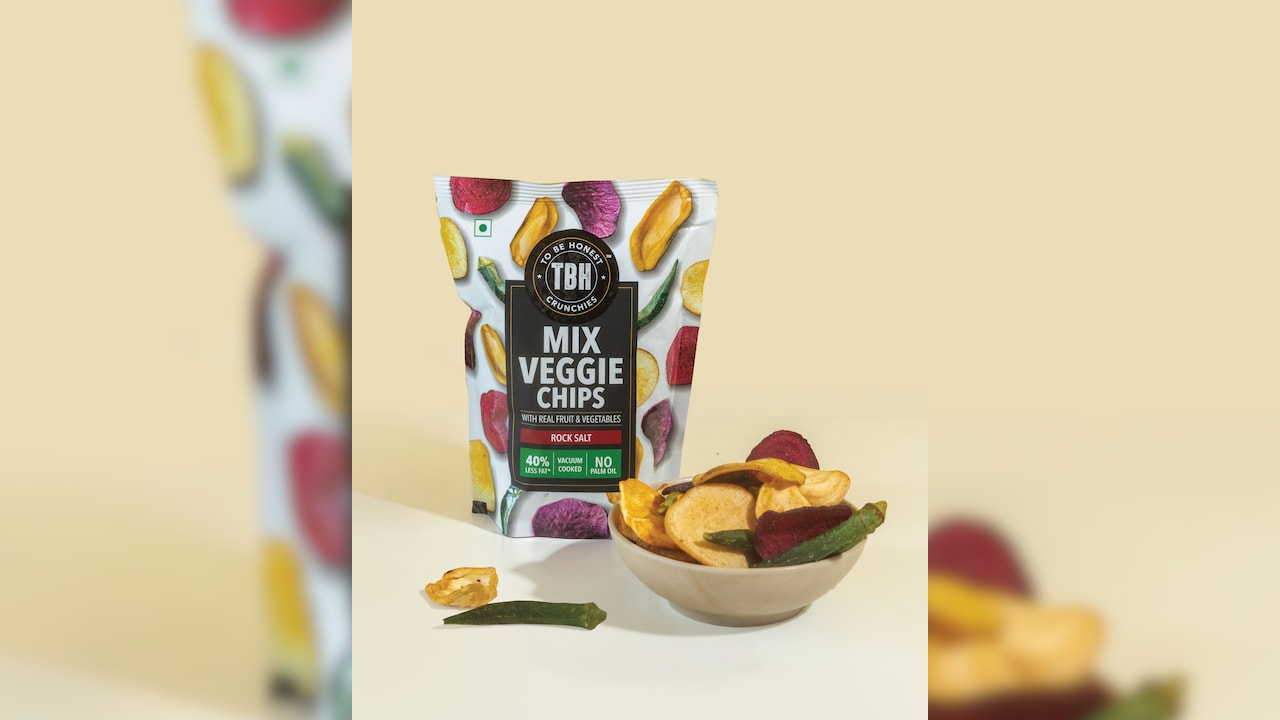
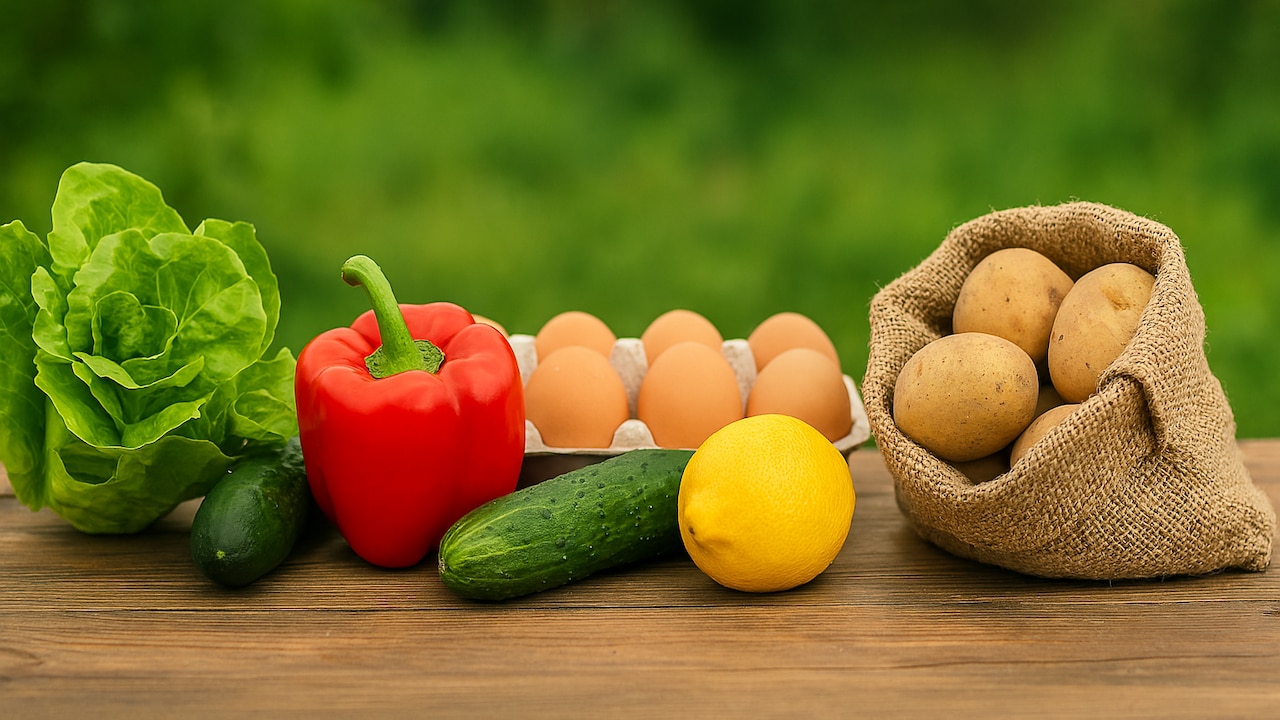
Green aesthetics do not guarantee organic authenticity.
Photo Credit: Pexels
A genuine organic product doesn't begin at the factory; it begins years before that, in the soil. It takes time, testing, audits, and compliance to turn a piece of land into a certified organic farm.
Soil Preparation And Transition
Before a farm can even call itself organic, it must go through a transition period that typically lasts a few years (3-4 years). During this time, the soil must be completely cleared of synthetic chemicals. Farmers are required to rebuild fertility naturally through composting, crop rotation, animal manure, and microbial restoration.
At this point, frequent testing ensures the soil is free from chemical residues. This step alone filters out many false claims because the process is lengthy, monitored, and expensive, something brands engaged in greenwashing prefer to skip.
Cultivation Without Chemicals
Once the land becomes eligible, the next challenge begins: cultivating crops without the crutches of chemical fertilisers, pesticides, or genetically engineered seeds. Farmers must rely on traditional and nature-based solutions such as neem oil, bio‑pesticides, beneficial insects, pheromone traps, and natural compost. These practices protect crops while maintaining ecological balance, but they require knowledge, labour, and vigilance.
This is also one reason organic products often cost more; organic farming produces lower yields and demands higher manual involvement.
Harvesting, Processing And Preventing Contamination
Post‑harvest, organic produce must be kept separate from conventional produce. From storage units to transport vehicles, every touchpoint has to follow contamination‑free practices. The same applies to manufacturing. Foods, oils, grains, personal care ingredients, or cotton fibres must be processed without artificial colourants, bleaching agents, synthetic additives or chemically derived preservatives.
Each step is audited. Facilities have to document sourcing, cleaning processes, machinery separation, and storage protocols. A single lapse can cancel certification.
Certification: The Final Seal Of Authenticity

Labels reveal more truth than front‑of‑pack claims.
Photo Credit: Pexels
This is the most important yet most misunderstood part of identifying a real organic product. Certification is what transforms an ordinary product into one legally allowed to use the word “organic” on its packaging.
Certification agencies conduct farm visits, inspect cultivation methods, check storage facilities, assess manufacturing processes, and test samples. They also ensure packaging meets guideline norms and that labels are accurate. The certification is renewed annually, meaning brands are under continuous scrutiny.
Legitimate organic products are certified by recognised bodies such as:
- India: India Organic, FSSAI Organic, Jaivik Bharat
- United Kingdom: Soil Association Organic
- European Union: EU Organic Certification
- United States: USDA Organic
This is where the difference between genuine organic goods and “organic‑styled” marketing becomes clear. A truly certified product will always carry the official certification logo on its packaging. If the logo is missing or replaced by a self‑created symbol that merely looks official, it's not organic.
How To Identify If A Product Is Truly Organic
Most consumers check the front label first, but that's exactly where marketing is at its strongest. Words like natural, pure, herbal, ayurvedic, clean, and eco‑friendly are not regulated terms. They do not guarantee organic credentials, and companies often use them to appear greener than they are.
A real assessment requires turning the product packaging around.
Understanding The Label
Authentic organic products follow strict labelling rules. They must declare the percentage of organic ingredients and list them clearly. For example, A product labelled simply “organic” must contain a very high percentage of organic ingredients. Whereas a product “made with organic ingredients” has a lower organic content and cannot display the main certification seal.
The ingredients list is the clearest indicator of authenticity. If a product claims to be organic but includes artificial fragrances, sulfates, parabens, silicone compounds, mineral oil, or synthetic stabilisers, then the claim is misleading.
Packaging Matters Too
Organic standards extend to packaging as well. Materials cannot leach harmful chemicals into the product. Many certified organic brands use food‑grade, recyclable, or biodegradable packaging. Additionally, batch numbers, certification details, expiry dates, and traceability codes must be present.
A missing batch number or vague ingredient list is a red flag.
Price Can Be A Clue, But Not The Only One
Organic farming is labour‑intensive and yields less than conventional methods. The certification process itself is costly. So, if a product marketed as organic is surprisingly cheap, it's worth investigating.
However, high price alone does not prove authenticity; only certification does.
Brand Transparency
Genuine organic brands are open about their sourcing. They often publish details about the farms they partner with, audits, laboratory reports, and manufacturing processes. If a brand avoids answering such questions or provides vague claims, it's safe to assume the product may not be genuinely organic.
Is Organic Just a Trend, Or Does It Truly Matter?
| Aspect | Truly Organic | Greenwashing |
|---|---|---|
| Definition | Follows regulated, verified standards from farming to packaging. | Uses eco‑friendly sounding words without meeting real standards. |
| Certifications | Has recognised organic certification logos issued by authorised bodies. | May have no certification or display self‑created, unofficial symbols. |
| Ingredients | Clearly lists organic ingredients, often with percentages. | Vague terms like natural, pure, clean without proof. |
| Farming Practices | No synthetic pesticides, fertilisers or GMOs; soil tested and audited. | No transparency about farming; may still use chemicals. |
| Processing | Avoids artificial colours, preservatives, bleaches and fragrances. | Uses synthetic additives but markets the product as “natural” or “eco”. |
| Packaging | Must meet safety and non‑leaching standards; usually recyclable or biodegradable. | Often uses earthy‑coloured labels or green fonts to appear sustainable. |
| Transparency | Shows farm sourcing, audits, ingredient origins and processes. | Minimal or no disclosure; uses broad claims without details. |
| Price Justification | Higher cost due to labour‑intensive farming, audits and certifications. | Price may be high purely for marketing; cost doesn't reflect standards. |
| Marketing Language | Precise and regulated wording (“certified organic”, “95% organic ingredients”). | Buzzwords like “chemical‑free”, “toxin‑free”, “eco‑friendly”, “all natural”. |
| Traceability | Batch numbers, certification bodies, expiry and sourcing are clearly mentioned. | Often missing traceability details or ingredient breakdowns. |
The popularity of organic products may be driven partly by lifestyle trends, but the foundation of organic farming is rooted in environmental science, sustainability, and public health. While marketing can certainly be faddish, the underlying principles of organic agriculture are not.
The real challenge is navigating a marketplace crowded with misleading claims. As organic continues to gain traction, so does greenwashing, the practice of making products appear eco‑friendly without following real standards.
The easiest way to protect yourself from such marketing is simple:
Trust the certification, not the buzzwords.
A truly organic product represents years of effort, from soil regeneration and chemical‑free farming to contamination‑free processing and strict certification. It is not a casual label but an achievement earned through compliance, transparency, and scientific verification.
Consumers who understand what organic really means can make informed choices that benefit their health and support sustainable agriculture. The next time you pick up something labelled “organic”, remember: the proof isn't in the word on the front, it's in the certification at the back.
Certified Organic Products Available On Flipkart
1. AASHIRVAAD Organic Toor/Arhar Dal
2. AASHIRVAAD Organic Chana Dal
3. AASHIRVAAD Organic White Urad Dal
4. AASHIRVAAD Organic Whole Wheat Atta
5. Organic Tattva Sona Masoori Rice
6. Organic Tattva Sonamasuri Brown Rice Sona Masoori Rice
7. Organic Tattva Cumin
8. Organic Tattva Brown Sugar
Frequently Asked Questions (FAQs)
1. What does organic actually mean in products?
Organic products are made from ingredients grown without synthetic pesticides, chemical fertilisers, GMOs or artificial additives. They must follow regulated farming and processing practices and meet certification standards before being labelled organic.
2. How can I tell if a product is genuinely organic?
Check for a recognised certification logo on the packaging, read the full ingredients list, look for the percentage of organic content, and verify that the brand provides transparent sourcing and manufacturing information.
3. Are natural and organic the same thing?
No. 'Natural' is an unregulated term, while 'organic' is legally defined and requires third‑party certification. A product can contain natural ingredients yet still not qualify as organic.
4. Why are organic products usually more expensive?
Organic farming uses labour‑intensive methods, avoids chemical inputs, produces lower yields and undergoes regular audits and certification processes. These additional costs contribute to higher pricing.
5. Does organic certification also apply to packaging?
Yes. Organic standards extend to packaging materials, which must not leach harmful chemicals. Labels must include certification details, batch numbers, ingredient transparency and traceability information.
(Disclaimer: This article may include references to or features of products and services made available through affiliate marketing campaigns. NDTV Convergence Limited (“NDTV”) strives to maintain editorial independence while participating in such campaigns. NDTV does not assume responsibility for the performance or claims of any featured products or services.)