Dehydration Is A Silent Performance Killer: The Science Behind Electrolyte Balance For Indian Athletes
Think water is enough after a workout? Learn how electrolyte balance affects performance, recovery and endurance, and discover how OSMO Electrolyte Powder can support hydration in India's demanding climate.
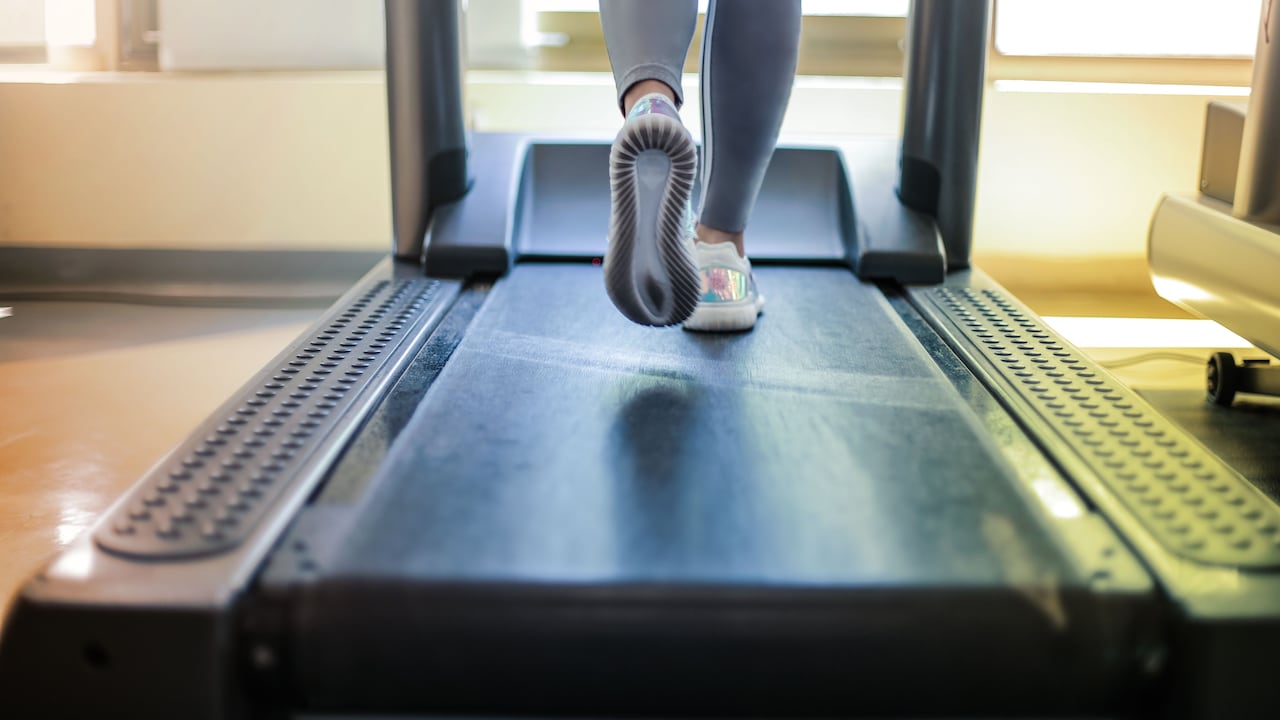
Proper hydration is one of the most overlooked factors affecting athletic performance.
Whenever a runner finishes a 10-kilometre training session, they often wonder why the final few kilometres felt unusually difficult. A gym-goer may blame poor sleep for an underwhelming workout. A weekend football player may chalk up recurring cramps to fatigue. However, in many cases, the culprit may not be a lack of fitness at all. It may be the sweat they lose during the activity. And by sweat, we do not just mean the salty water that leaves the body, but also what leaves along with it.
Modern-day athletes have become increasingly sophisticated about achieving optimum performance. They track their protein intake, sleep scores, calorie counts and more. Training data is analysed after every session. Yet, one of the most important aspects of sports science continues to be brushed aside as a less important factor: hydration quality.
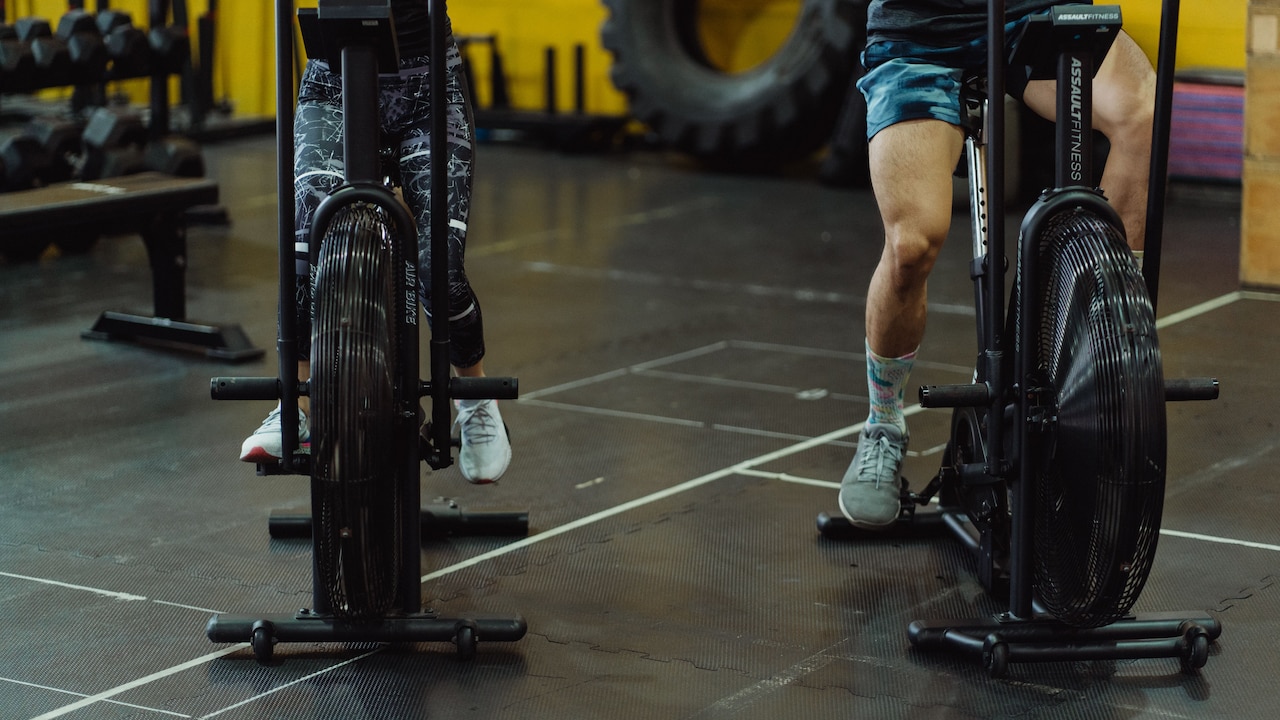
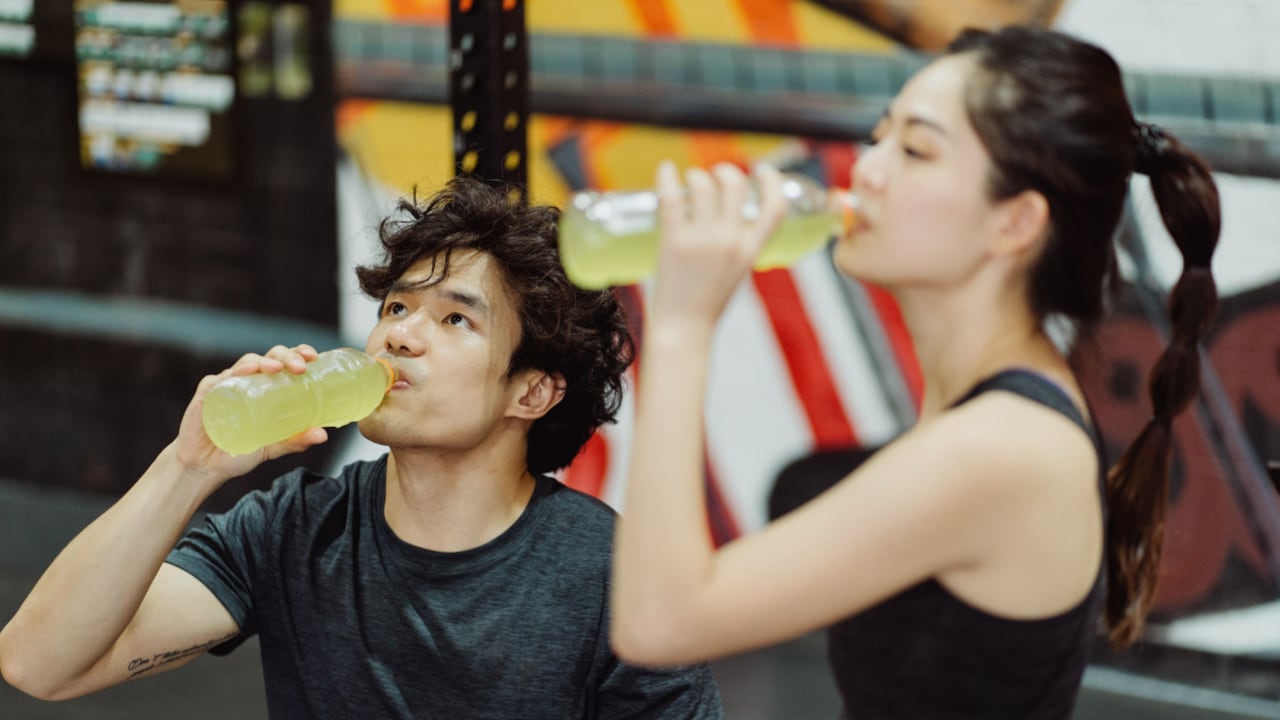
Electrolytes help maintain fluid balance, muscle function and nerve signalling during exercise.
Photo Credit: Pexels
We all know water is essential, but optimum athletic performance depends on more than simply staying hydrated with water. Every drop of sweat carries away electrolytes and minerals that help muscles contract, nerves communicate and cells maintain their fluid balance. When these losses are not adequately replaced, the consequences may show up as slower recovery, reduced endurance, muscle cramps, declining focus and a noticeable drop in performance.
For athletes training in Indian terrain, where high temperatures, humidity and long outdoor sessions are common for much of the year, electrolyte balance is not just a niche sports nutrition concept. It is often the difference between high performance and watching it all fade away.
The Performance Problem Most Athletes Don't Notice
When athletes discuss dips in performance, the conversation usually revolves around training intensity, nutrition, recovery or sleep. Hydration is rarely part of the discussion.
That is partly because dehydration does not necessarily announce itself dramatically. The body rarely sends a warning that says, "Your sodium levels are dropping" or "Your cells are struggling to maintain fluid balance."
Instead, the signs are subtle. The last set may feel harder than expected. Recovery can take longer. Pace could begin to drop despite consistent training. Concentration may slip. Muscles may feel unusually heavy.
Many athletes interpret these as signs that they need more motivation or better conditioning. Sports scientists often view them differently.
According to the study Hydration Status and Its Impact on Cognitive Performance and Reaction Time in Young Adults: A Comparative Study, published in the International Journal of Academic Medicine and Pharmacy, "mild to moderate dehydration significantly impairs cognitive function, reaction time, and alertness in young adults. Dehydrated individuals exhibited slower processing speed, reduced working memory, and delayed neuromotor responses, emphasising the importance of maintaining adequate hydration for optimal cognitive efficiency and mental performance."
Hence, in sports where decisions need to be made quickly, an athlete's hydration status can influence not just how the body performs, but how the brain performs as well.
Sweat Is More Than Lost Water
The most common hydration advice is, "Drink plenty of water," but that is only part of the story. Sweat contains a combination of fluids and electrolytes. As body temperature rises during exercise, sweating becomes the body's primary cooling mechanism. Along with water, however, several important minerals leave the body.
These include:
- Sodium
- Potassium
- Magnesium
- Calcium
Each serves a distinct purpose.
Sodium regulates fluid balance and helps the body retain and utilise water effectively. Potassium supports muscle and nerve function. Magnesium plays a key role in muscle contraction, relaxation and energy production. Calcium contributes to neuromuscular signalling and proper muscle movement.
When these minerals are depleted faster than they are replenished, performance can suffer.
This is why marathon runners, cyclists and endurance athletes have paid close attention to electrolytes for years. Today, the same science is increasingly relevant for gym-goers, recreational athletes, runners and anyone who exercises regularly in India's climate.
Why Indian Athletes Face a Bigger Hydration Challenge
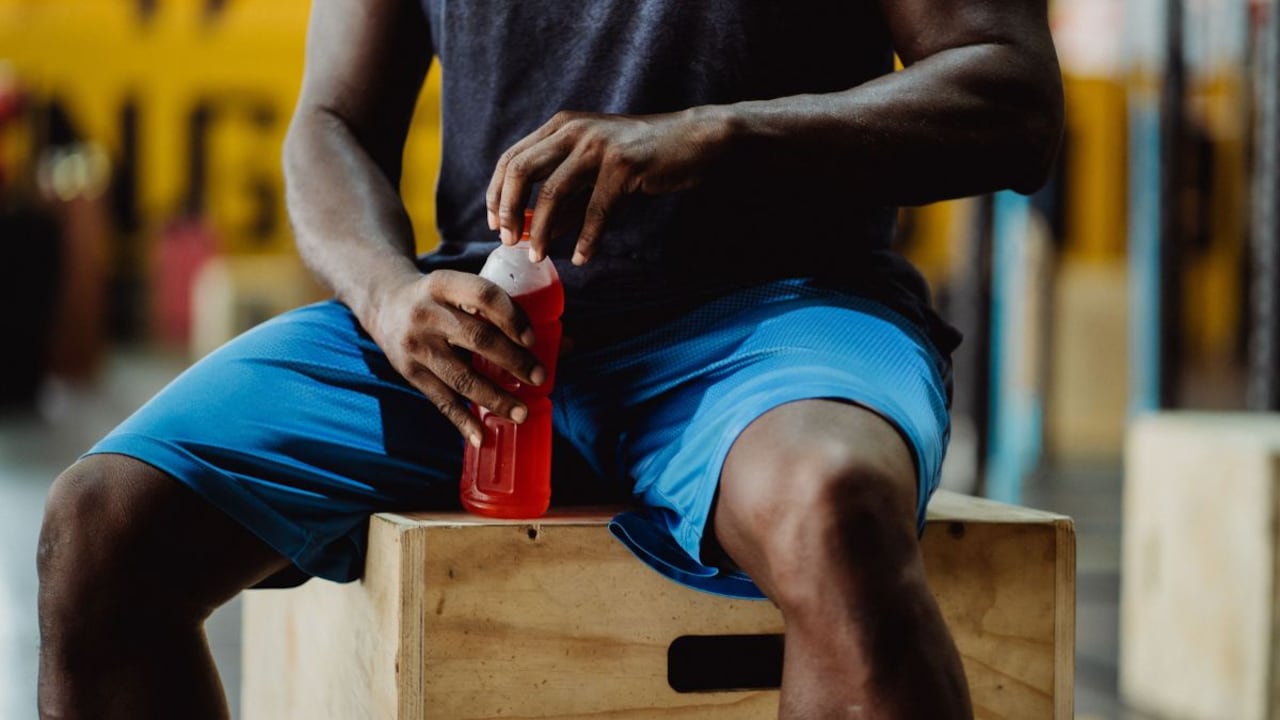
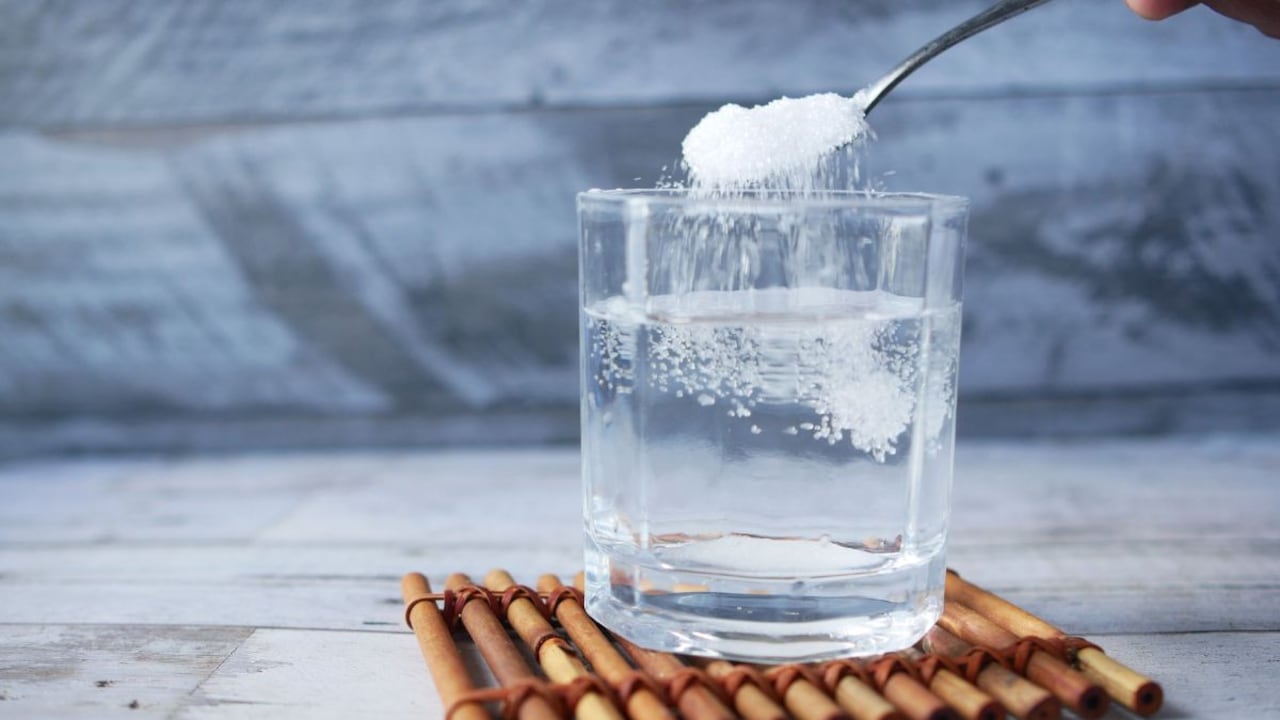
Replenishing electrolytes can support endurance, recovery and overall exercise performance.
Photo Credit: Pexels
Two athletes can perform the same workout and experience very different hydration demands depending on where they train.
An outdoor runner in Mumbai on a humid evening or a cricketer practising under the afternoon sun in Jaipur may lose substantially more fluid than someone exercising in cooler conditions.
Heat accelerates sweating. Humidity reduces the efficiency of evaporation, forcing the body to work harder to cool itself. The result is greater fluid and electrolyte loss.
This is one reason athletes often feel significantly more drained during the summer months despite maintaining identical training schedules. What appears to be declining fitness in hotter weather may actually be the result of declining hydration levels.
The Forgotten Link Between Hydration and Recovery
Hydration is often discussed only in terms of what happens during physical activity. However, recovery is where the conversation is equally important.
Following exercise, the body begins repairing muscle tissue, restoring energy reserves and re-establishing physiological balance. These processes depend on adequate fluid and electrolyte availability.
Without proper replenishment, athletes may find themselves starting the next training session slightly behind where they should be. Over weeks and months, that gap can gradually accumulate.
Elite athletes understand this well. Increasingly, recreational athletes are adopting the same mindset by treating hydration as part of a broader performance and recovery strategy rather than simply an emergency response to thirst.
A Smarter Approach To Electrolyte Replenishment
As awareness around sports nutrition grows, many athletes are looking beyond traditional sugary sports drinks.
The focus is shifting towards targeted hydration solutions that help replenish electrolytes while fitting into modern nutrition preferences.
One option designed around this approach is the regular use of a quality electrolyte powder to help maintain electrolyte balance. One such brand that has been gaining attention recently is Wellversed OSMO Electrolyte Powder.
Rather than focusing primarily on sugar delivery, Wellversed OSMO's formula has been developed to support hydration, electrolyte replenishment, muscle function and recovery.
The product contains key electrolytes, including sodium, potassium, magnesium and calcium, nutrients that play an important role in maintaining hydration and supporting physical performance.
Beyond electrolyte replacement, Wellversed OSMO includes ingredients aimed at supporting multiple aspects of athletic performance:
- Taurine: Helps support muscle function and acts as an osmoregulator, assisting cellular hydration.
- B-Complex Vitamins: Vitamins B1, B3, B5, B6 and B12 contribute to energy metabolism and neuromuscular function.
- Potassium, Zinc, Calcium and Boron: Support recovery and muscle performance.
- ZMA Nutrients: Zinc, magnesium and vitamin B6 are widely associated with recovery support.
- Aspartate and Malate: These compounds help support the body's natural ATP-producing energy pathways.
Importantly, Wellversed OSMO delivers these benefits with zero sugar (R&D compliance), making it suitable for athletes and active individuals who want hydration support without consuming additional sugars.
Wellversed OSMO On Amazon Great Indian Festival Reloaded

OSMO Electrolyte Powder is available at never before prices on Amazon Great Indian Festival
Photo Credit: Pexels
The sports nutrition industry often focuses attention on protein powders, pre-workouts, and recovery supplements.
But as the awareness around fitness and sports increases, hydration deserves to be part of that conversation. After all, even the most sophisticated training plan can struggle to deliver results if the body cannot effectively maintain fluid and electrolyte balance.
As the second phase of Amazon Great Indian Festival Reloaded goes live, athletes and fitness enthusiasts looking to strengthen their hydration strategy can explore Wellversed OSMO Electrolyte Powder at a compelling discount on Amazon. Because sometimes performance isn't limited by how hard you train. Sometimes it's limited by what your body quietly loses with every drop of sweat.
Note: This content, including advice, provides generic information only. It is in no way a substitute for a qualified medical, nutritional or wellness opinion. Always consult a specialist or your own doctor for more information. NDTV does not claim responsibility for this information.
Frequently Asked Questions (FAQs)
1. Why are electrolytes important for athletes?
Electrolytes help regulate fluid balance, muscle contractions, nerve signalling and overall physical performance during exercise.
2. Can dehydration affect athletic performance?
Yes. Even mild dehydration can impact endurance, focus, recovery, coordination and exercise performance.
3. What electrolytes are commonly lost through sweat?
The main electrolytes lost through sweat are sodium, potassium, magnesium and calcium.
4. Is drinking water alone enough during intense workouts?
Water is essential, but prolonged or high-intensity exercise may also require electrolyte replenishment to replace minerals lost through sweating.
5. When should athletes consume electrolytes?
Electrolytes can be useful before, during or after exercise, especially in hot weather, long-duration activities or high-sweat conditions.
(Disclaimer: This article may include references to or features of products and services made available through affiliate marketing campaigns. NDTV Convergence Limited (“NDTV”) strives to maintain editorial independence while participating in such campaigns. NDTV does not assume responsibility for the performance or claims of any featured products or services.)