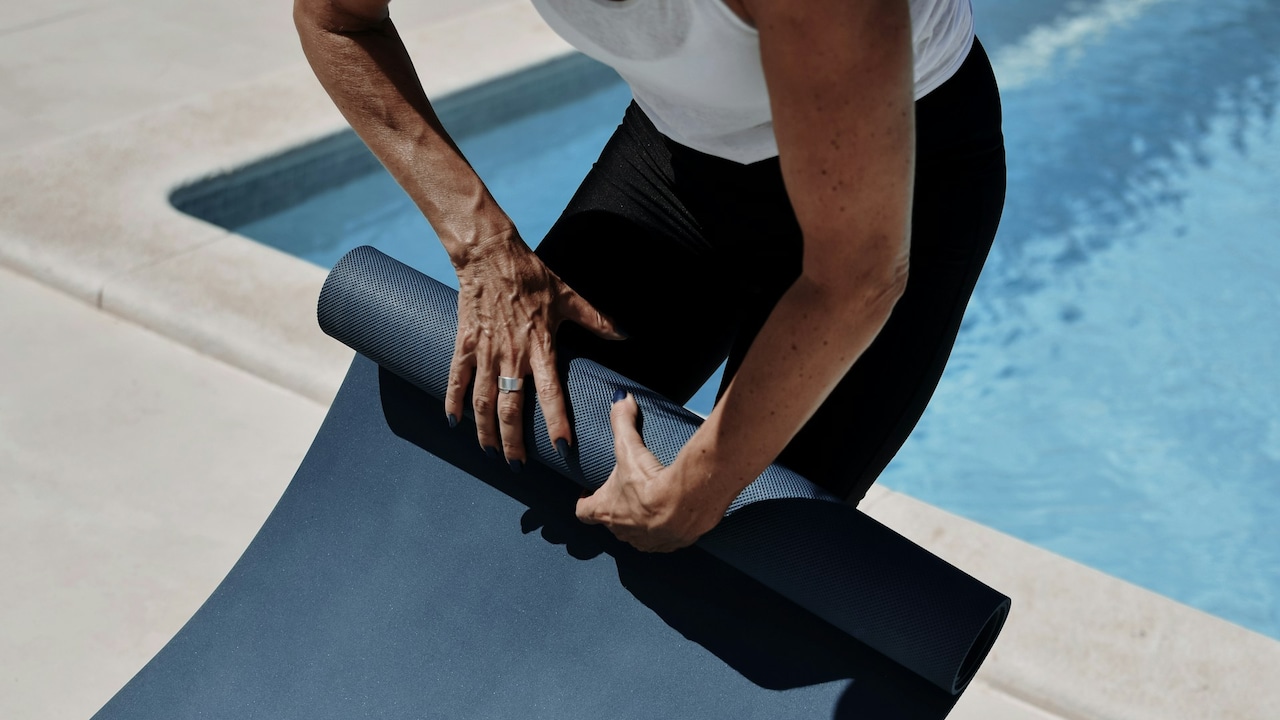
How To Pick The Best Premium Yoga Mats: Why Material Matters More Than Thickness for Grip
Premium yoga mats aren't defined by thickness. Grip, material and stability decide whether your practice feels steady or slippery. Here's why the right material matters far more than extra padding and know how you can get a premium quality yoga mat.
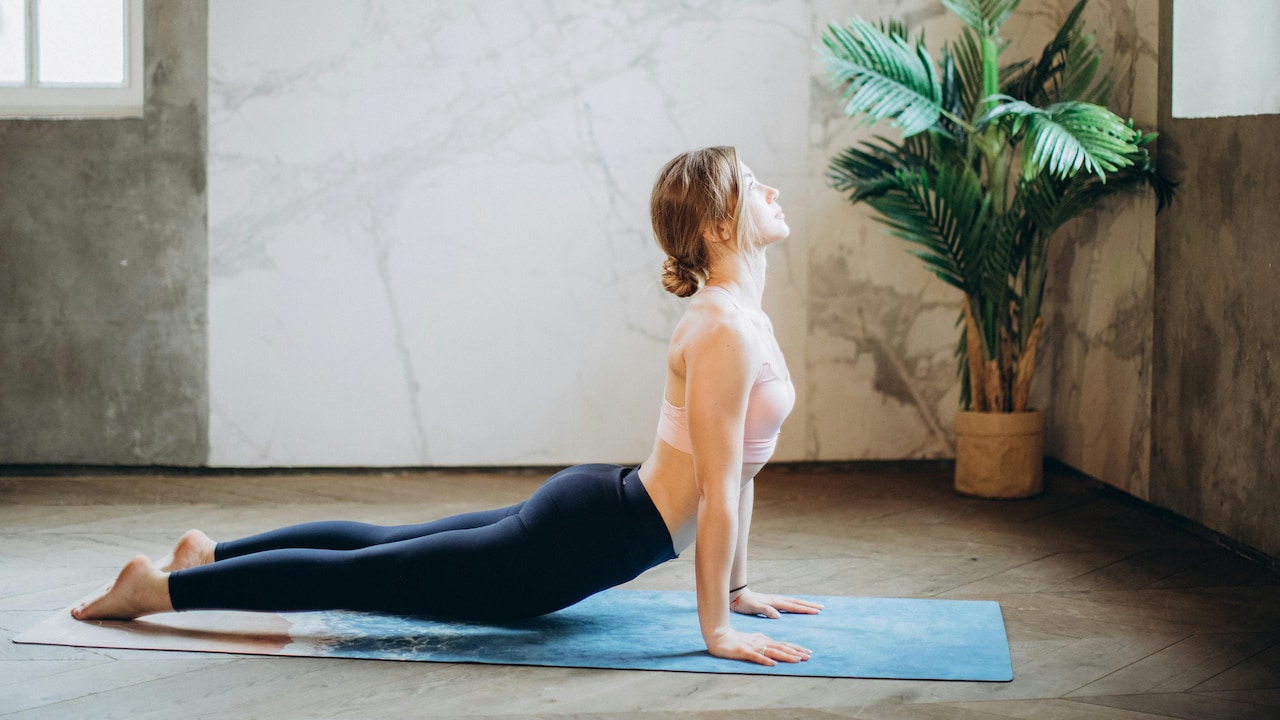
Premium Yoga Mats That Actually Stay in Place: Why Material Matters More Than Thickness.
Walk into any sports store and the stacks of yoga mats look almost identical, bright colours, bold prints and labels that promise “extra thick comfort”. Many shoppers reach straight for the cushiest option, thinking soft equals superior. A few sessions later, the mat starts sliding across the floor like a runaway carpet, leaving the practitioner wobbling through half the class. Thickness alone never defines quality. A premium yoga mat feels steady, grips the floor, and supports every movement without shifting an inch. The right material decides whether your downward dog feels strong or slippery, whether your balance improves or falters, and whether your practice feels peaceful or frustrating.
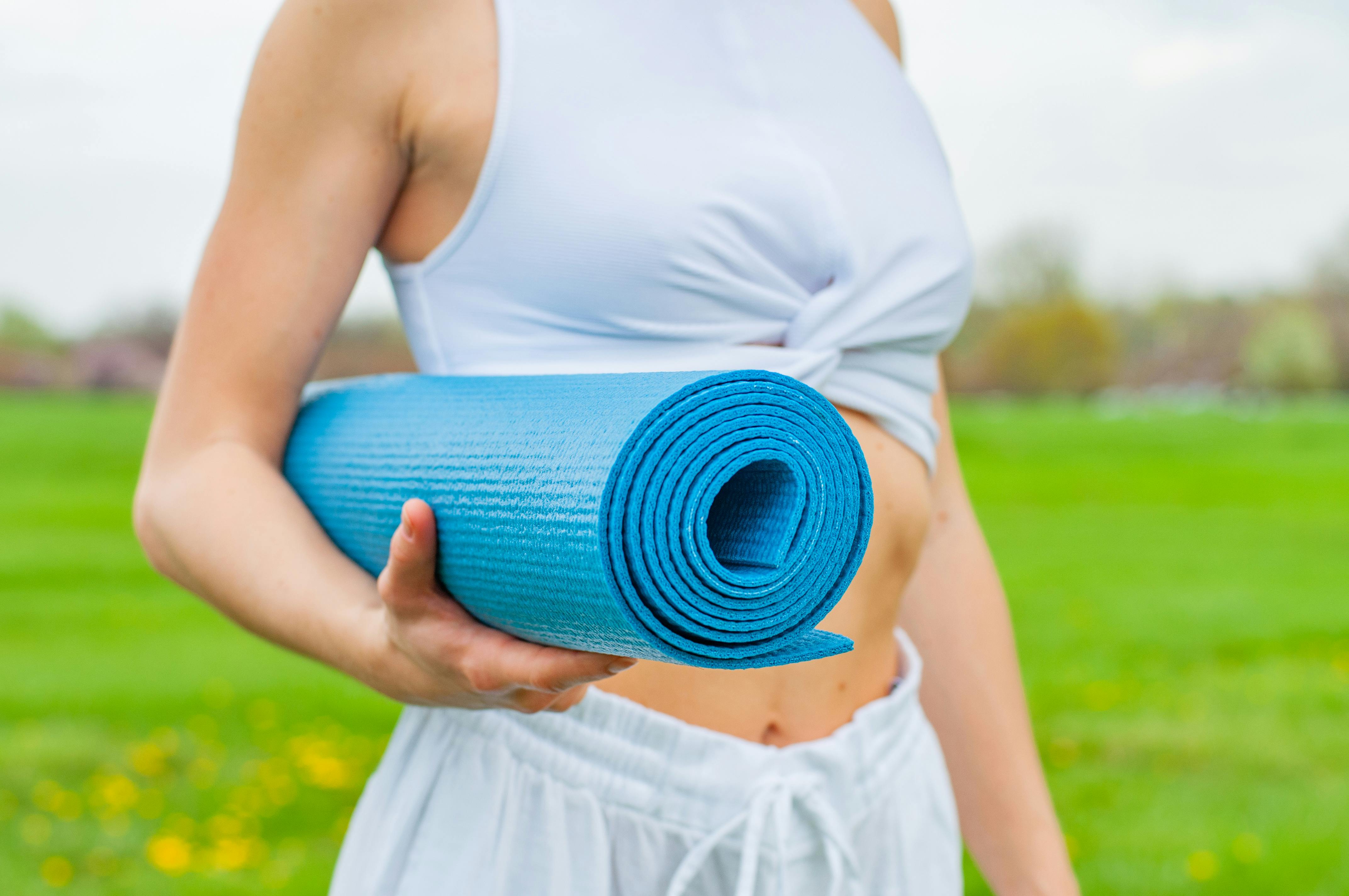
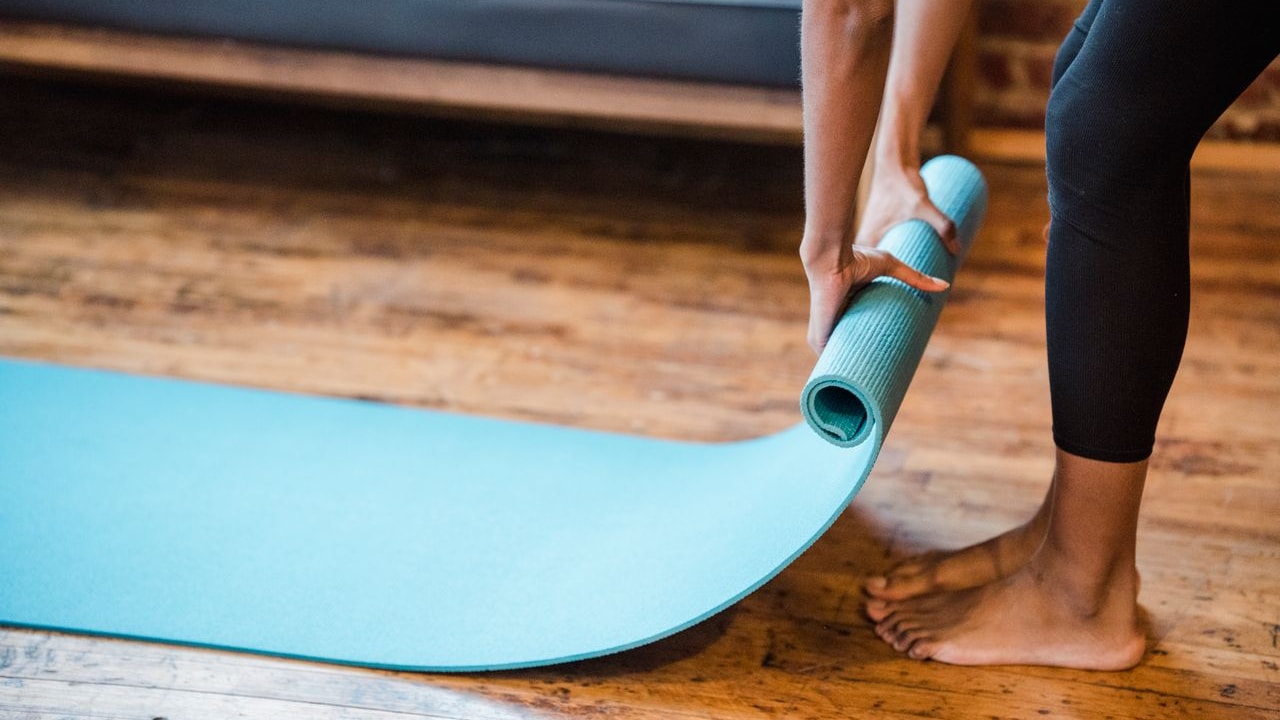
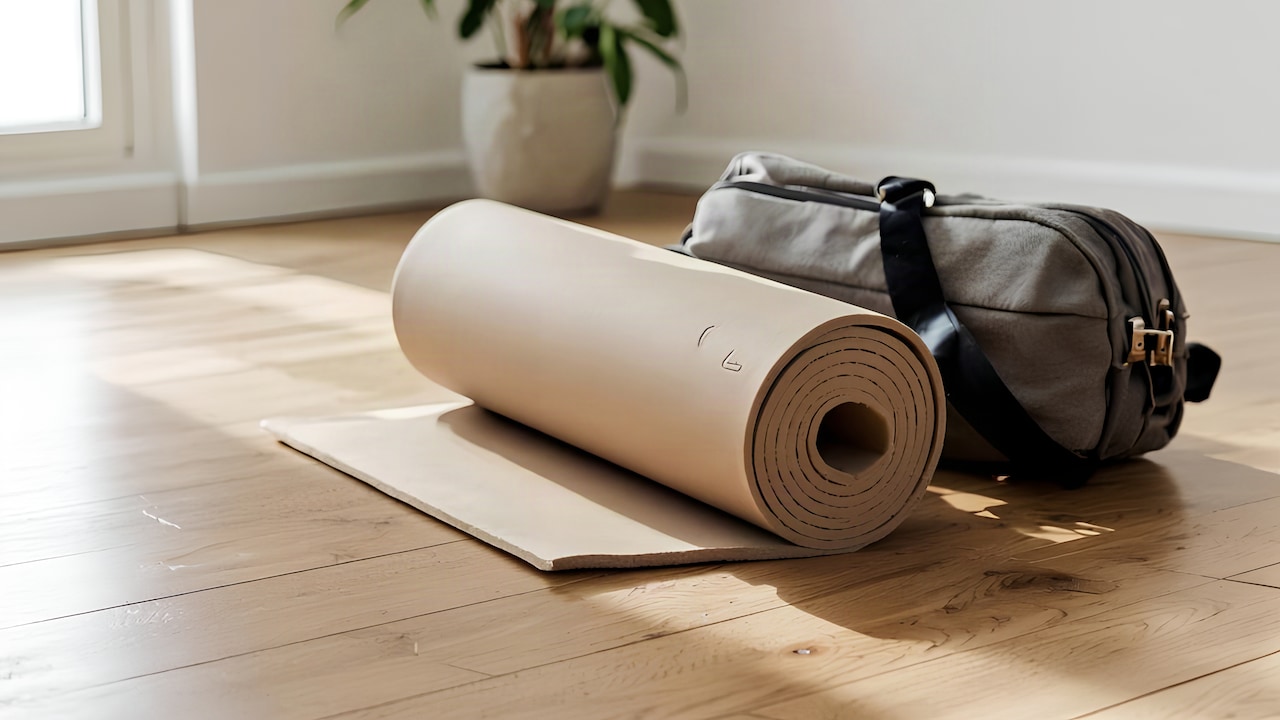
How to get your hands on anti-slip premium yoga mats; Photo Credit: Pexels
This article explores how the material of a yoga mat shapes your experience far more than thickness ever will. So, we detail here how to pick the best premium yoga mats.
Also Read: Top 5 Yoga Mats That Stay Flat: No Curling, No Slipping, Just Perfect Balance
What You Should Look For in a Premium, Non-Slip Yoga Mat
1. Why Grip Makes or Breaks a Practice
A mat that slips becomes a distraction. Even a simple stretch turns tense when the feet slide unexpectedly. Grip creates confidence, and confidence shapes how deeply the body settles into each pose. Superior grip comes from material quality, not thickness. Natural rubber mats, for instance, cling to the floor with a strong, grounded feel. Polyurethane-coated mats offer a top layer that drinks in sweat without forcing hands to slide.
A stable foundation transforms a practice. Transitions feel smoother, the core engages more naturally, and the body moves with ease rather than caution. Many people think a thicker mat enhances comfort, but poor grip nullifies that benefit. No one enjoys cushioning that feels like a pillow on ice. Grip anchors every pose, prevents injuries, and keeps each session steady, secure and satisfying.
2. How Material Influences Durability
A mat undergoes a lot, twists, stretches, sweat and constant pressure. Cheaper PVC mats often begin to flake or tear within months. They may feel thick, but the material weakens quickly. High-quality mats made from natural rubber, cork, TPE or hybrid blends last far longer because their fibres hold firm under daily use. The difference becomes clear after a few months; premium materials keep their shape and texture intact.
Durability saves money in the long run. Instead of buying a new mat every season, one good mat stays dependable for years. Many practitioners talk fondly about a favourite mat that travelled from home floors to studio classes without losing structure. A thick mat may feel luxurious at first, but poor material turns it into a short-term purchase. Strength comes from what the mat is made of, not the number of millimetres in its foam.
3. Thickness vs Stability: Striking the Right Balance
A thick mat seems appealing, especially for poses that place pressure on knees or elbows. But too much height reduces stability. Balancing poses like tree, warrior III or crow demand a steady surface. Excessive thickness creates wobble, almost like standing on a soft cushion. The body works harder to stay upright and alignment suffers.
Premium mats prioritise stability. Materials like natural rubber deliver firm support even at moderate thickness. They cushion without sinking, offering comfort while keeping the body grounded. This balance matters more than simply padding joints. A well-designed mat ensures the feet feel the floor's firmness, the palms hold steady and transitions happen smoothly. Comfort comes from thoughtful material engineering, not oversized thickness.
4. Sweat, Heat and How Material Reacts
Anyone who practises during humid weather knows the struggle of slippery mats. Sweat changes everything. Some materials swell or become greasy, making it hard to hold even basic poses. Natural rubber and polyurethane-coated mats shine in such conditions because they absorb or wick moisture, increasing grip as the session heats up. Cork responds beautifully too; the moment it gets slightly damp, it grips more firmly.
A sweaty session should feel energising, not hazardous. That's why many hot yoga practitioners flock towards specific materials that keep them rooted. Thickness offers no help during sweat-heavy routines. Material chemistry handles the actual challenge. When the top layer interacts well with heat and moisture, the body moves with freedom instead of fear.
5. Eco-Friendly Materials and Why They Matter
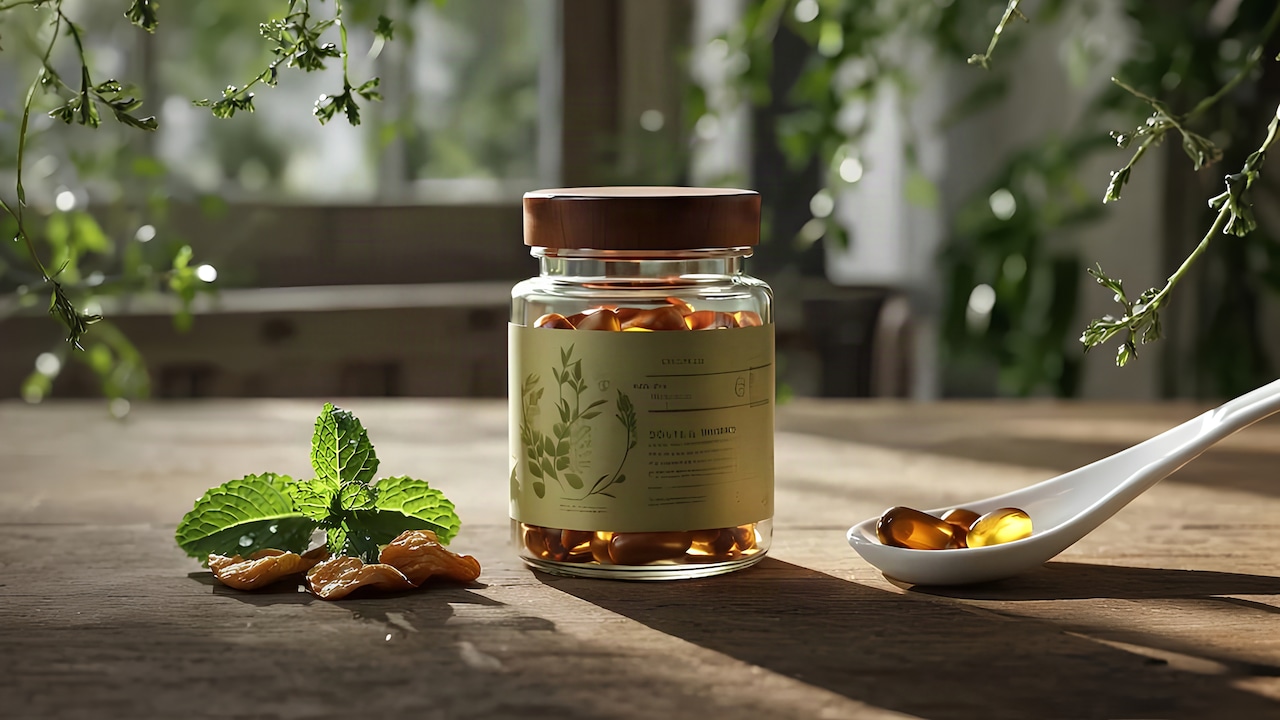
Eco-friendly mats crafted from cork, jute, natural rubber or recyclable TPE offer benefits far beyond sustainability. These materials feel pleasant, grounded and natural in the hands. Cork feels warm and smooth, and rubber feels firm and textured. They release no harsh fumes, age gracefully and decompose better at the end of their life.
Many people now select mats not only for personal comfort but also for environmental responsibility. Spending ₹2,500–₹6,000 on a sustainable mat feels meaningful because it blends performance with purpose. Eco-friendly materials hold up well, grip strongly and avoid harmful chemicals. Their strength lies in thoughtful construction rather than bulky padding. A mat that supports the planet often supports the practice just as well.
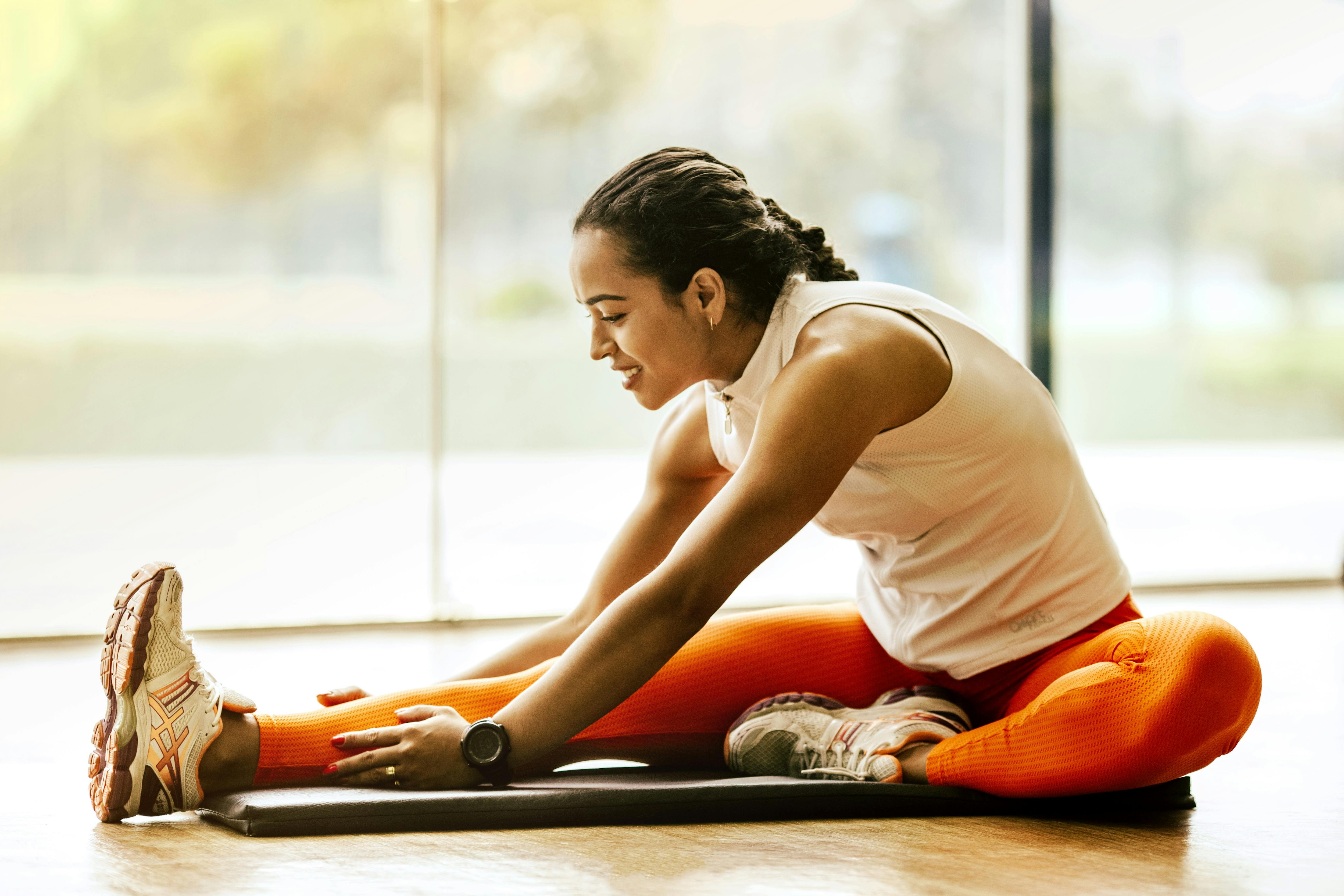
Look for eco-friendly materials that offer health and sustainability benefits; Photo Credit: Pexels
6. Weight and Portability: More Than Meets the Eye
A mat that feels like a burden becomes difficult to carry to classes, outdoor sessions or weekend getaways. Ultra-thick mats often weigh more, making portability difficult. Meanwhile, lightweight mats crafted from modern materials strike the perfect balance between convenience and performance.
For example, TPE offers grip and cushioning while staying light enough to roll up and tuck under an arm or inside a backpack. Natural rubber mats weigh more but feel sturdier; a premium version finds the middle ground with density tailored for ease. Portability influences how often a mat gets used. A great mat encourages movement, travel and consistency. Thickness alone never solves this; material design shapes the mat's weight and feel.
7. Texture and Feel: The Sensory Experience of Practice
A mat becomes a quiet companion during practice. The surface texture affects comfort and relaxation. Some people prefer a smooth, almost suede-like top. Others enjoy the subtle ridges of natural rubber that create tactile assurance. Texture emerges from material choice, not thickness.
A comfortable surface helps the mind settle. It invites longer holds, deeper breathing and steady focus. Inferior materials often feel plasticky or slippery, creating an odd disconnect between body and mat. Premium materials deliver a grounded, pleasant feel that enhances the overall sensory experience. The right texture makes a session feel almost indulgent, turning routine practice into a small daily luxury.
8. Hygiene, Cleaning and Longevity
A mat collects sweat, dust and oils from the skin. Some materials trap odour or crumble when exposed to frequent cleaning agents. Natural rubber, cork and good-quality TPE mats clean easily with simple solutions like water and mild soap. They dry faster and resist bacterial growth due to naturally antimicrobial properties.
PVC mats often require harsher cleaning and still retain smells after a point. Thickness does little to solve hygiene issues. Material decides how mats respond to daily use, cleaning frequency and environmental exposure. A mat that stays fresh encourages regular practice. After all, cleanliness shapes comfort, and comfort shapes consistency.
9. Value for Money: The Rupee-Wise Decision
A premium mat often costs between ₹1,500 and ₹8,000, depending on the brand and material. While this may seem high compared to basic mats priced under ₹600, the difference in experience becomes obvious almost immediately. Premium materials offer superior grip, durability and stability, turning every session into a smoother journey.
Buying a high-quality mat feels similar to investing in good running shoes. The upfront cost pays for long-term comfort and performance. Instead of replacing cheap mats every few months, a single reliable mat supports morning routines, studio classes and home workouts for years. Material defines value, not thickness or packaging claims. A well-chosen mat becomes a daily partner rather than a disposable item.
10. How the Right Mat Enhances Motivation and Routine
A mat that feels good often motivates more practice. This may sound simple, but small factors influence consistency. A firm, grippy surface invites the body to stretch a little deeper, hold poses a little longer and finish sessions feeling accomplished. The joy of unrolling a mat that stays put creates a sense of ritual, almost like stepping into a personal sanctuary.
Many people notice stronger progress when their mat supports their movements rather than interrupting them. Emotional comfort blends with physical stability, making yoga feel nourishing instead of taxing. Thickness never creates this impact on its own. Material brings the mat alive and shapes how the practice feels day after day.
Products Related To This Article
1. Fitness Mantra® TPE Dual Color Anti-Slip Yoga Mat
2. Wiselife True Alignment Yoga Mat
3. Amazon Basics 13mm Extra Thick NBR Yoga and Exercise Mat
4. ABB INITIO GYM (A De Jure Fitness Brand) PVC Leatherette Yoga Mat
5. WiseLife Classic TPE 10 MM Yoga Mat with Yoga Strap for Men
6. Pure Cotton Yoga Mats for Women and Men
7. TEGO Stance Yoga Mat with GuideAlign for Posture Alignment
A yoga mat is more than a colourful accessory; it forms the base of every stretch, breath and flow. While thickness grabs attention on store shelves, material quietly decides everything that matters, grip, stability, texture, durability, hygiene and long-term value. The right mat becomes a steady companion that supports the body, aligns the mind and enriches the entire experience.
By choosing a premium yoga mat made from well-engineered or natural materials, practitioners create a safer, smoother and more enjoyable practice space. Thickness plays a role, but material truly defines how a mat behaves. For anyone looking to deepen their routine, one thoughtful upgrade can make every session feel like a grounding, refreshing escape right at home.
(Disclaimer: This article may include references to or features of products and services made available through affiliate marketing campaigns. NDTV Convergence Limited (“NDTV”) strives to maintain editorial independence while participating in such campaigns. NDTV does not assume responsibility for the performance or claims of any featured products or services.)