Does A Thicker Yoga Mat Always Offer Better Joint Support?
A thicker yoga mat can cushion sensitive joints, but extra padding may reduce balance and stability. The right mat depends on its density, your yoga style, body weight and the floor beneath it.
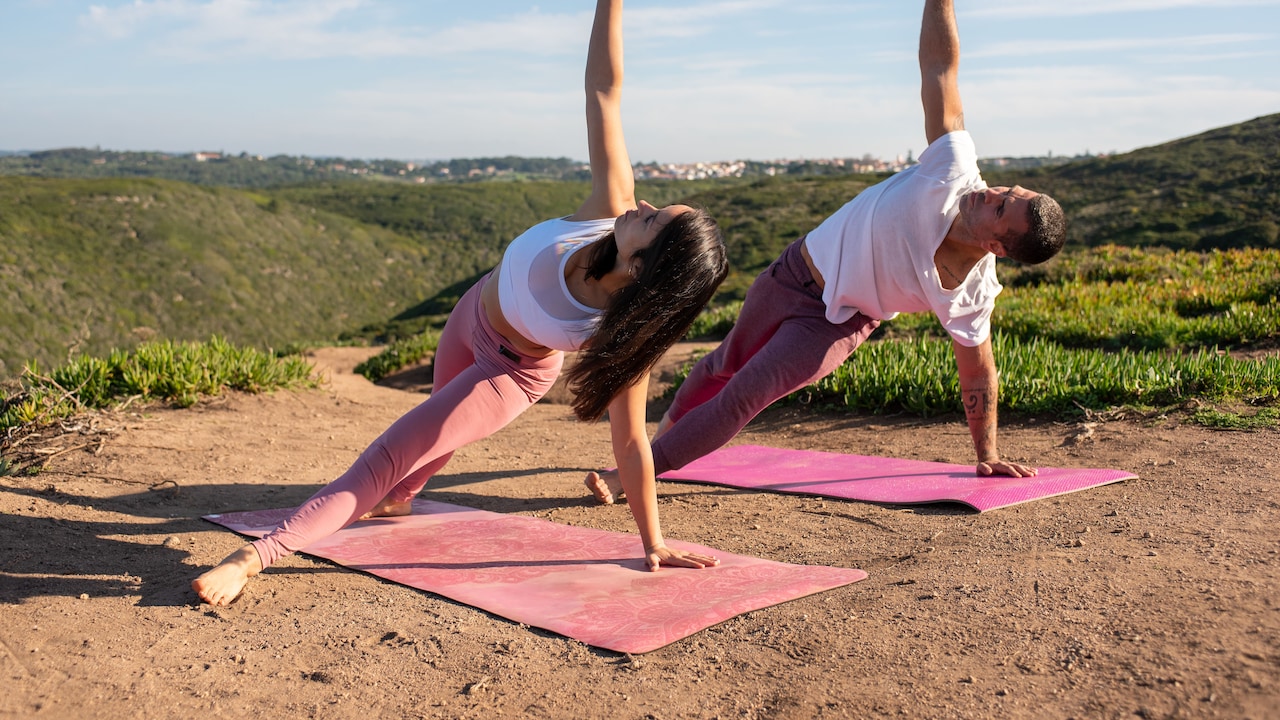
Thick Vs Thin Yoga Mats: Which Offers Better Joint Support?
Walk into a yoga studio or browse mats online, and thickness often appears to be the easiest feature to compare. A 10 mm mat looks more protective than a 4 mm one. The logic feels simple: more padding must mean happier knees, safer wrists and fewer complaints during that long low lunge. Yet joints need more than softness. They also need stability, alignment and clear feedback from the floor. A mat that feels wonderfully plush during seated stretches may turn Tree Pose into an unexpected balancing act. Meanwhile, a thin mat may offer excellent control but feel unforgiving on a tiled floor. The best yoga mat for regular fitness does not win a thickness contest. It creates the right balance between cushioning and firmness for the person using it. Before spending ₹2,000 or more on the chunkiest mat available, it helps to understand what joint support actually involves.
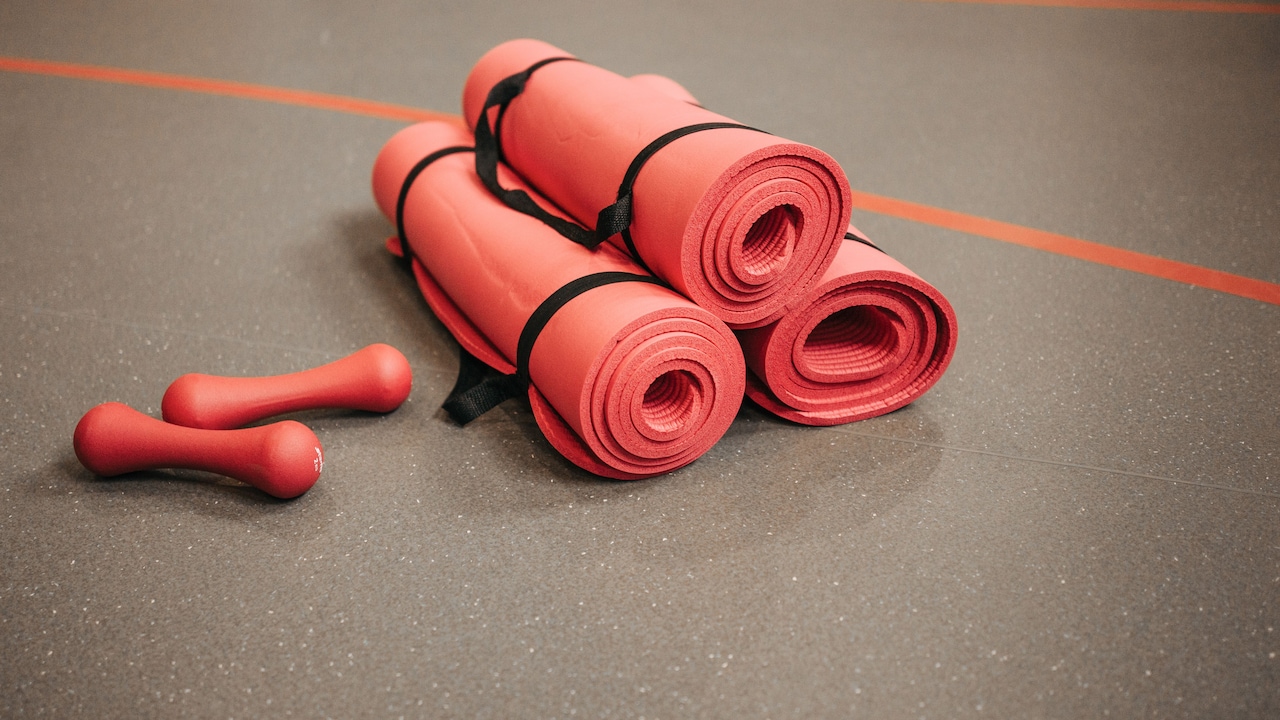
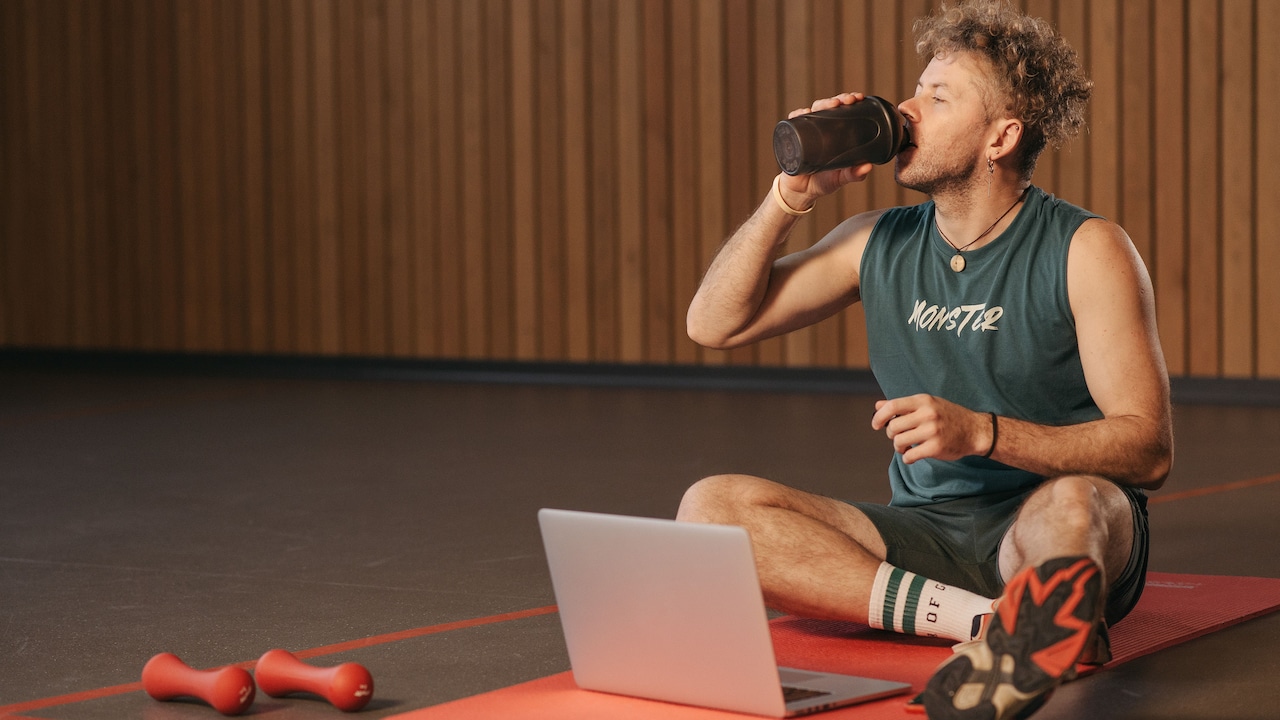
Thick Vs Thin Yoga Mats: Which Offers Better Joint Support?; Photo Credit: Pexels
What Really Determines Joint Support?
1. Cushioning And Support Are Not The Same
Cushioning reduces the sharp pressure felt when knees, elbows or hip bones meet the floor. Support, however, also includes stability. A supportive mat allows joints to stay aligned while muscles work efficiently around them.
Imagine kneeling during Cat-Cow Pose. A thicker mat may soften the contact between the kneecaps and the ground. That comfort matters, especially for anyone with sensitive knees. However, if the foam sinks too deeply, the knees may wobble and the wrists may shift. The body then works harder to hold a steady position.
A mat should absorb some pressure without behaving like a mattress. Good support usually comes from dense material that springs back quickly rather than soft foam that collapses beneath the body.
This distinction explains why two mats of the same thickness can feel completely different. One may feel firm and reassuring, while another feels like standing on a large kitchen sponge. Thickness tells only part of the story. Density and construction often reveal far more.
Also Read: Top 5 Yoga Mats Under ₹1000 For Home Workouts
2. Extra Thickness Can Challenge Balance
Standing poses demand a reliable connection with the floor. In Tree Pose, Warrior Three or Half Moon Pose, the feet constantly make tiny adjustments. These movements help the ankles, knees and hips maintain balance.
A very thick mat can muffle that feedback. When the feet sink into soft material, the ankles may roll slightly from side to side. The knees then compensate, and the hips may lose their position. Instead of protecting the joints, excessive cushioning can create instability.
This does not mean thicker mats should never enter a yoga room. They can work well for gentle sessions that include more seated or lying poses. Problems often appear during fast transitions, balancing sequences or styles that demand strong footwork.
Anyone who has tried standing on a sofa cushion knows the feeling. The surface seems comfortable until balance becomes the main task.
For steady standing practice, a medium-thickness mat with a firm base often offers a better compromise. It provides enough comfort for the joints while allowing the feet to feel grounded and responsive.
3. Wrist Comfort Depends On Technique Too
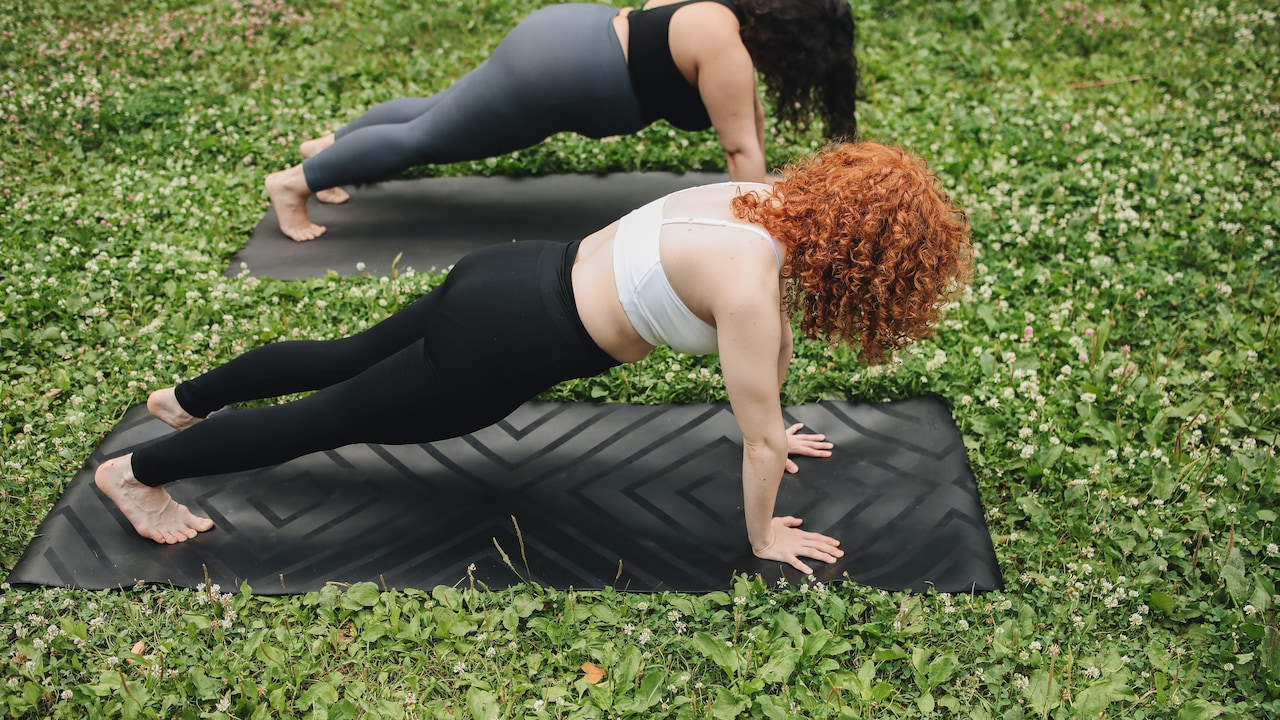
Wrist discomfort often sends people searching for the thickest mat on the shelf. Downward-Facing Dog, Plank and Chaturanga can place noticeable pressure on the hands. Extra padding may reduce discomfort, but it rarely solves the entire problem.
Hand placement plays a major role. Spreading the fingers, pressing through the knuckles and sharing weight across the whole palm can reduce strain. When most of the body weight collapses into the heel of the hand, even a luxurious mat may not provide lasting relief.
A mat that feels too soft can also allow the wrists to bend unevenly. The palms sink, the fingers lose traction, and the shoulders drift out of alignment. A firmer surface often gives the hands a more stable platform.
Those with recurring wrist pain may benefit from modifying poses, lowering the knees or using yoga wedges under professional guidance. A folded towel can also add targeted cushioning without changing the stability of the entire mat.
Comfort matters, but technique remains the quiet hero. The fanciest mat cannot rescue careless alignment.
Thick Vs Thin Yoga Mats: Which Offers Better Joint Support?; Photo Credit: Pexels
4. Knee Sensitivity May Need Targeted Padding
Knees often feel the floor most clearly during tabletop positions, low lunges and kneeling stretches. On marble, granite or ceramic tiles, even a standard mat can seem thinner than expected. In such cases, a thicker mat may offer welcome relief.
However, carrying a bulky mat everywhere may not provide the most practical answer. Targeted padding can work better. A folded section of the mat, a small knee pad or a neatly folded towel can cushion the knees only when necessary. The rest of the practice can continue on a firmer surface.
This approach suits mixed sessions that combine kneeling poses with standing balances. It also prevents the mat from becoming too soft under the feet.
Knee pain deserves attention rather than heroic silence. A sharp or persistent sensation should not become part of anyone's “discipline”. Adjusting the pose shows awareness, not weakness.
The ideal amount of padding depends on the floor, body weight and sensitivity of the kneecaps. For many people, moderate thickness with occasional extra support offers more flexibility than an ultra-thick mat used for every pose.
5. Mat Density Matters More Than It Seems
Thickness is easy to measure, which makes it attractive in product descriptions. Density receives less attention, although it often determines how supportive a mat feels.
A dense 5 mm mat may protect the joints better than a soft 8 mm mat. Dense material resists compression and spreads pressure across a wider area. Soft material may flatten quickly beneath the knees or palms, leaving the joints closer to the hard floor than expected.
Pressing a thumb firmly into a mat can offer a simple clue. If the mark stays deep for several seconds, the material may feel unstable during weight-bearing poses. If it rebounds quickly, the mat will probably provide a firmer base.
Material also changes the experience. Natural rubber often feels dense and grippy. PVC can offer durability and strong cushioning. TPE mats tend to feel lightweight, though quality varies widely. Cork surfaces may feel firm and become grippier with moisture.
A mat should feel comfortable without collapsing. Much like a good dosa, it needs the right texture. Too hard feels unpleasant, while too soft loses structure.
6. Yoga Style Should Guide The Choice
Different yoga styles place different demands on the mat. A restorative session often includes long holds, seated stretches and reclining poses. Here, generous cushioning can improve comfort and help the body relax.
A fast Vinyasa class tells another story. Quick transitions require grip, firmness and stability. A thick, soft mat may stretch under the hands or bunch beneath the feet. That movement can disturb alignment and make flowing sequences feel clumsy.
Hatha yoga usually sits somewhere in the middle. A mat between 4 mm and 6 mm often provides enough cushioning without sacrificing control. Ashtanga practitioners may prefer a thinner, denser mat because repeated standing poses and transitions demand a strong connection with the floor.
Prenatal or gentle mobility sessions may benefit from additional padding, particularly during kneeling work. Even then, the mat should remain stable enough for safe movement.
Choosing a mat without considering practice style resembles buying footwear without knowing the occasion. Comfortable slippers work beautifully at home, but they would struggle during a morning run. The mat must suit the movement, not simply look impressive.
7. The Floor Beneath The Mat Changes Everything
A mat never works alone. The surface beneath it affects how much cushioning the body receives.
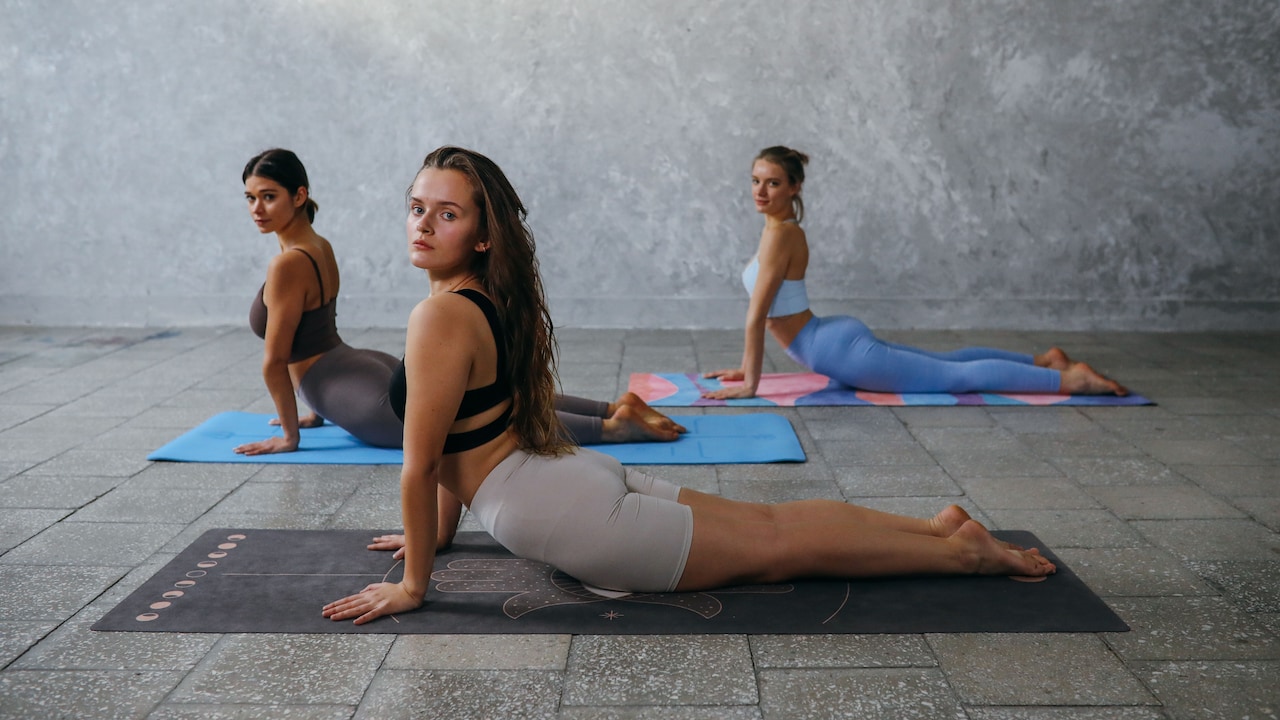
On wooden flooring, a 4 mm or 5 mm mat may feel perfectly comfortable. Place the same mat on cold stone tiles, and every kneeling pose may suddenly feel more intense. Concrete terraces and uneven floors can make thin mats especially unforgiving.
A very thick mat may seem like the obvious solution for hard flooring. Yet a dense medium-thickness mat, combined with a small towel for the knees, often provides better stability.
Carpet creates the opposite challenge. Since the floor already has some softness, a thick mat can feel unstable. The mat may slide, wrinkle or sink into the carpet. A thinner, firmer option usually performs better in that setting.
Home practitioners should test mats where they actually intend to practise. A mat that feels ideal in a shop may behave differently beside the living-room sofa or under a ceiling fan on the terrace.
The floor deserves a place in the decision. It quietly influences comfort during every pose.
Thick Vs Thin Yoga Mats: Which Offers Better Joint Support?; Photo Credit: Pexels
8. Body Weight Influences Mat Compression
The same mat can feel firm to one person and extremely soft to another. Body weight changes how deeply the material compresses under the knees, hands and feet.
A lightweight practitioner may find an 8 mm mat pleasantly cushioned. Someone heavier may sink further into the same foam, reducing stability. In some cases, the mat may compress so much that the joints still feel the hard floor underneath.
This is why buying purely by thickness can disappoint. A dense mat often distributes weight more evenly and maintains its shape for longer. It may look less padded but feel more supportive during practice.
Testing a mat in kneeling and standing positions offers better information than simply pressing it with a hand. The knees reveal cushioning, while a balancing pose reveals firmness. Even a few seconds in each position can expose whether the mat feels secure.
Bodies differ, and no single thickness suits everyone. Recommendations such as “6 mm works for all beginners” sound convenient, but yoga equipment rarely follows such neat rules. Personal comfort and stability should carry more weight than a number printed on a label.
9. Thicker Mats Can Affect Portability
A supportive mat should also fit daily life. An extra-thick mat may feel wonderful at home, but carrying it through traffic, up metro stairs or on a scooter can test anyone's enthusiasm.
Thicker mats usually weigh more and roll into larger bundles. Some do not fit standard yoga bags. For people travelling to classes before work, portability matters almost as much as comfort. A mat left at home provides no joint support at the studio.
Lightweight thick mats solve part of the problem, but they may use softer foam that compresses easily. Dense mats often offer better support, though they can feel heavy. The choice becomes a trade-off between cushioning, durability and convenience.
Those who practise mainly at home can choose a larger, more padded mat without worrying about transport. Regular class-goers may prefer a compact 4 mm or 5 mm mat, along with a small knee cushion.
The most practical mat is the one that enters the routine without drama. Yoga already asks for consistency. Wrestling with a giant roll every morning should not become the first pose of the day.
10. Pain Needs More Than A New Mat
A yoga mat can improve comfort, but it cannot diagnose or treat joint pain. Persistent pain may come from previous injuries, limited mobility, muscle weakness, arthritis or poor movement patterns. Buying a thicker mat may hide the discomfort temporarily without addressing the cause.
Pain that feels sharp, sudden or increasingly severe deserves professional attention. A physiotherapist or qualified healthcare professional can assess the joint and suggest appropriate modifications. A trained yoga teacher can also help adjust poses and reduce unnecessary strain.
During practice, discomfort should guide the body rather than become an enemy to defeat. Shortening a stance, using blocks or lowering the knees can protect the joints. Rest may sometimes offer more progress than pushing through another round of Sun Salutations.
A mat works best as part of a wider approach that includes good technique, sensible pacing and suitable instruction. It should support movement, not encourage someone to ignore warning signs.
Joint care is not a competition. No medal arrives for completing a pose while silently negotiating with an unhappy knee.
Products Related To This Article
1. Hykes Yoga Mat for Women & Men
2. WiseLife Grande XL 6 MM TPE Yoga Mat for Men & Women
3. Fitness Mantra® 4mm Marble Design Anti Skid Yoga Mat for Men
4. Boldfit Yoga Mat for Women & Men - TPE Eco Friendly 6mm thickness
5. CULT Yoga Mat for Woman, Man & Kids
6. Dr.Ortho Thermoplastic Elastomers Yoga Mat For Men & Women
7. Lifelong 6mm Dual Color TPE Material Anti-Slip Yoga Mat
A thicker yoga mat can provide valuable cushioning, especially during kneeling, seated and restorative poses. Yet extra thickness does not automatically create better joint support. When a mat becomes too soft, it may reduce balance, weaken grip and make alignment harder to maintain.
Density, material, floor type, body weight and yoga style all matter. A firm mat between 4 mm and 6 mm suits many general practices, while thicker options may work better for gentle sessions or sensitive joints. Targeted padding can add comfort without turning the entire practice surface into a wobbling platform.
The best mat feels kind to the joints and steady beneath the body. It allows the hands and feet to connect with the floor while softening uncomfortable pressure points. Rather than chasing the highest number of millimetres, choose a mat that matches real movement, real surroundings and real needs.
Sometimes more cushioning helps. Sometimes firmness offers greater protection. The sweet spot lies somewhere between a hard floor and a fluffy mattress—and thankfully, no yoga pose requires sleeping through Savasana.
(Disclaimer: This article may include references to or features of products and services made available through affiliate marketing campaigns. NDTV Convergence Limited (“NDTV”) strives to maintain editorial independence while participating in such campaigns. NDTV does not assume responsibility for the performance or claims of any featured products or services.)