Treadmill Guide For Beginners: Speed, Incline and Safety Features You Should Actually Use
Treadmill Guide For Beginners: Stepping onto a treadmill for the first time can be confusing. This guide breaks down the basics in a simple, friendly way, helping beginners turn treadmill time into something enjoyable, effective and safe.
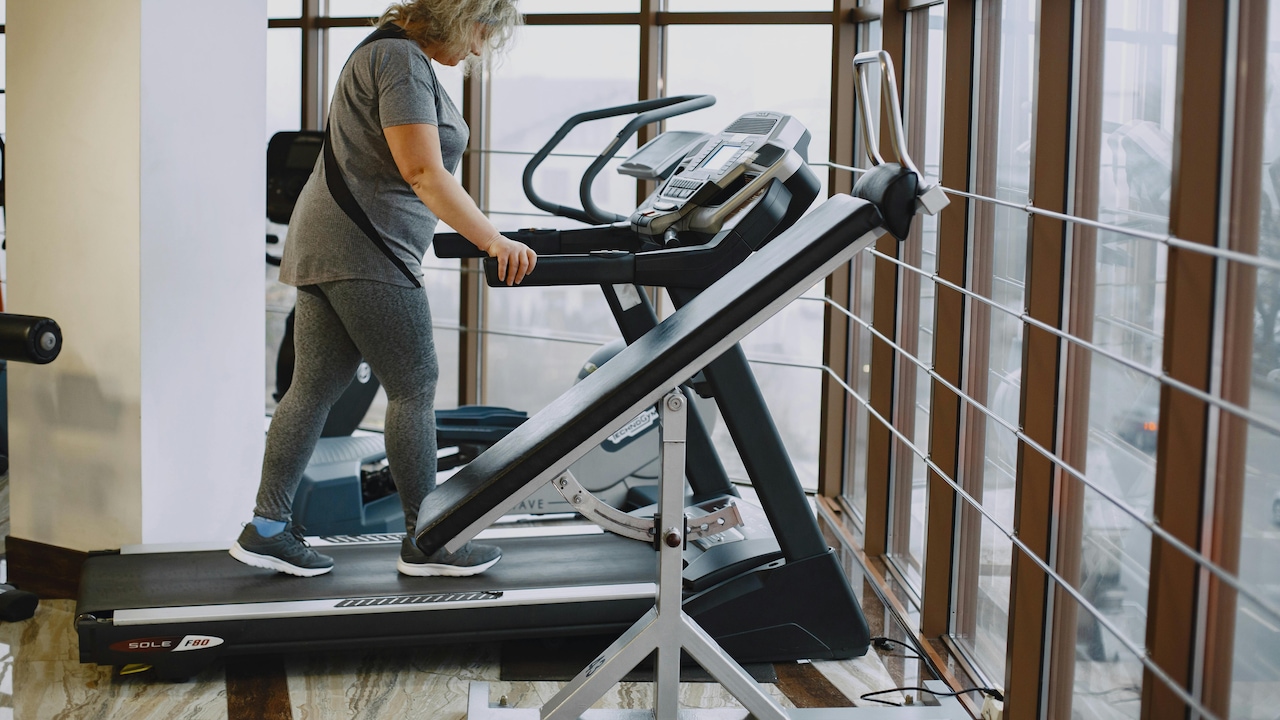
Best Treadmill Guide For Beginners: Speed, Incline And Safety Tips Explained.
A treadmill offers one of the easiest ways to stay active, no matter the weather or the chaos outside. It suits early-morning joggers, late-night walkers, office-goers squeezing in a quick workout and anyone who prefers predictable terrain over dodging potholes. Yet beginners often step on, press “Start”, and hope for the best. That approach leads to boredom, discomfort or even a sprain. This treadmill guide clears the confusion around speed, incline and the safety tools built into most modern treadmills. With a few simple habits and smart settings, a treadmill session can transform into a smooth routine that improves stamina, burns calories and fits comfortably into daily life. So, just check out this treadmill guide for beginners that explains the proper settings to use in terms of speed, incline and even safety.
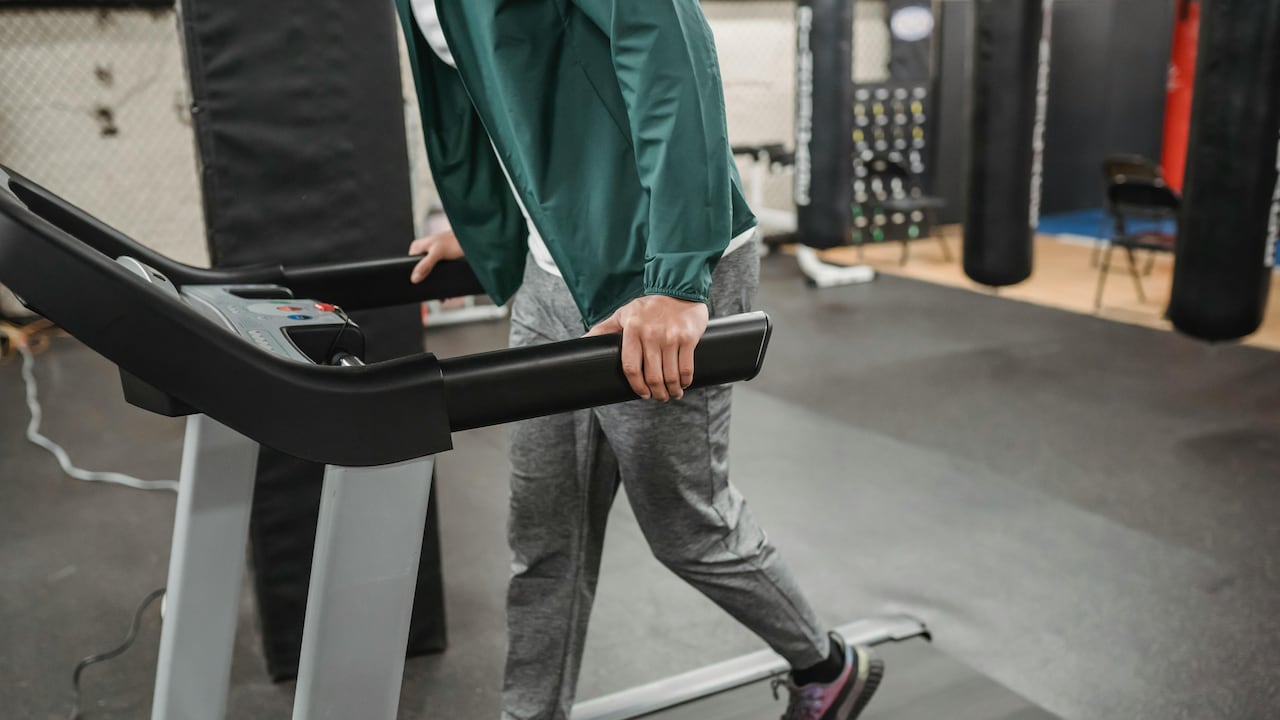
Treadmill Settings For Beginners: Speed, Incline And More Explained; Photo Credit: Pexels
Your Beginner-Friendly Guide to Using the Treadmill the Right Way
1. Understanding the Treadmill Console Without Feeling Overwhelmed
A treadmill console often looks more complicated than it truly is. The mix of buttons, lights and measurements sometimes makes beginners stare at it like exam instructions. The good news is that most consoles follow a familiar pattern. Speed sits on one side, incline on the other, and the start–stop controls sit right in the middle. Digital screens usually show distance, time, speed and calories in a clear order.
Start with the basic functions. Tap “Start”, let the belt move at the lowest speed and observe how the numbers change. This simple test round helps reduce anxiety and gives the body a moment to adjust. Many beginners rush to increase speed, but it helps to take a short walk first. Explore quick-access buttons such as “3 km/h” or “5 km/h”, which save time and prevent confusion.
2. Walking Speed: The Sweet Spot for Comfortable Beginners
Walking is where most treadmill journeys begin. A comfortable starting speed sits between 3 and 5 km/h, giving the body a chance to warm up gently. This range suits everyone, whether recovering from a long day at work or easing into a new fitness habit. Many newcomers worry about walking too slowly, but speed matters far less than consistency. A steady walk builds confidence, strengthens leg muscles and prepares the body for future progress.
A good trick involves testing different speeds during a 10-minute warm-up. Begin at 3 km/h, stay for two minutes, and increase to 4 km/h. Those who feel comfortable can experiment with 5 km/h. Each shift creates a sense of rhythm, much like enjoying a stroll through a shopping street. A decent walking pace should feel natural and allow comfortable breathing.
Also Read: Top 5 Budget Treadmills Under ₹25,000 In India For A Stylish Home Gym
3. Jogging Basics: Finding a Pace That Feels Manageable
Jogging on a treadmill often feels different from jogging outdoors. The belt pushes slightly, the surface stays even and the rhythm feels predictable. Beginners usually settle well into a range of 6 to 8 km/h, which gives a light jog without overwhelming the knees or breath. This speed mimics a relaxed park jog and helps increase stamina without the frustration of going too fast too soon.
Start jogging only after a good warm-up. Let the body adapt to the shift from walking to jogging by increasing speed gradually. A steady rhythm, heel to toe, relaxed shoulders, and steady breathing keep the jog enjoyable. Imagine it as the comfortable pace used during a friendly conversation with someone walking beside. If speech becomes difficult, the speed may be slightly high.
4. Running Speeds: When You're Ready to Push Yourself
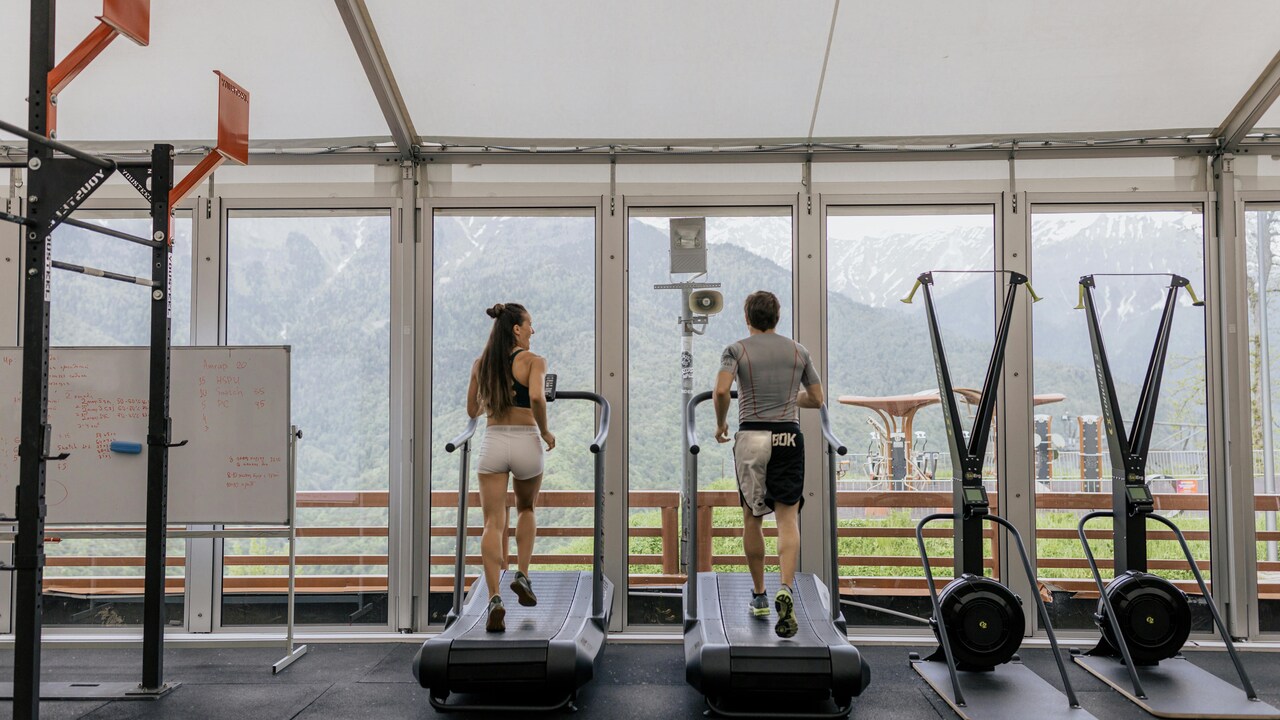
Running takes time to build up to, but those who reach this stage experience a satisfying burst of energy. A beginner-friendly running pace usually sits between 9 and 11 km/h, giving enough challenge without feeling harsh on the joints. This range burns calories quickly and boosts cardiovascular health. Running at these speeds often feels smoother on a treadmill than outdoors, thanks to the cushioned surface underfoot.
Before moving into running, check posture. Lean slightly forward, engage the core and land softly to prevent impact shocks on the knees. Many beginners make the mistake of trying to sprint too early, which leads to early fatigue and possible injuries. Treat running as a reward for patience rather than a starting point. Another helpful practice includes using intervals, short bursts of running followed by slow recovery periods. This method increases endurance.
Treadmill Settings For Beginners: Speed, Incline And More Explained; Photo Credit: Pexels
5. Incline Basics: Understanding Why “A Small Hill” Matters
Incline adds the flavour of climbing a gentle hill without stepping outdoors. Even a slight incline challenges the muscles differently and increases calorie burn. Beginners benefit most from a range of 1% to 3%, which feels comfortable yet effective. This small incline compensates for the slight forward assist provided by the treadmill belt, making the workout feel more natural.
A gentle incline improves leg strength, enhances balance and pushes the body to work a little harder. It also reduces stress on the knees by encouraging a more natural walking or jogging posture. Beginners sometimes avoid incline due to fear of difficulty, but once tested, many discover that a 2% incline feels only slightly more challenging than walking on flat ground.
6. When to Increase Incline for Better Results
Stepping beyond the basics requires thoughtful progression. An incline of 4% to 6% works well once the body feels comfortable at lower levels. This range energises the glutes and calves, almost like climbing a long ramp at a mall. It sparks noticeable calorie burn without demanding running. Many beginners appreciate this middle level because it delivers results while keeping the session interesting.
Timing matters. Increase incline during short intervals, two to three minutes of incline followed by a minute on flat ground. This method helps the body adapt without feeling drained. Incline should never feel like a punishment.
7. Heart Rate Monitoring: Why Your Pulse Matters
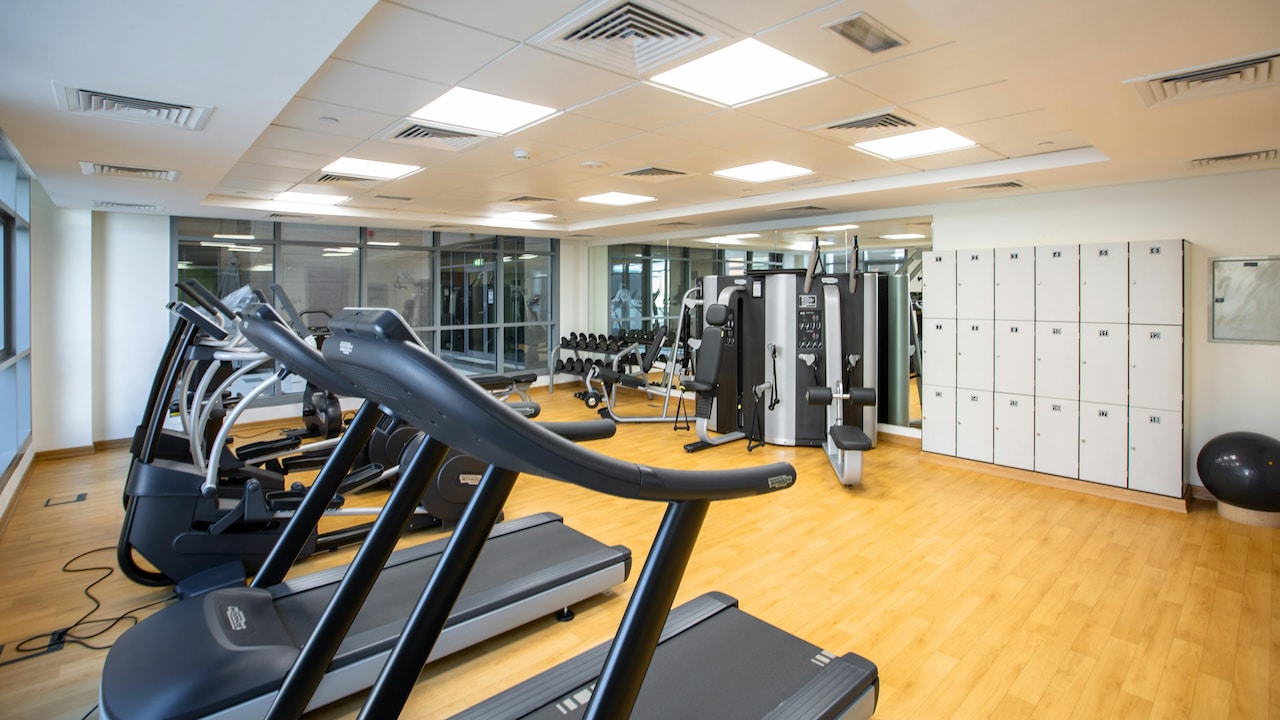
A treadmill's heart-rate sensors may feel optional, but they offer helpful real-time feedback. By tracking pulse levels, beginners learn which speeds challenge them and which speeds suit longer sessions. Many treadmills show heart-rate zones that guide users to stay in fat-burning or endurance-building ranges. Beginners often benefit from staying in a moderate zone, where breath stays controlled, and energy levels remain steady.
Heart-rate awareness prevents overexertion, especially for those easing into fitness after long breaks. Touch sensors or chest straps show whether the speed or incline needs adjustment. A stable heart rate also improves understanding of the body's rhythm. Over time, beginners notice improvements, workouts feel smoother, breathing becomes easier and endurance rises. Treat heart-rate monitoring like a quiet conversation between the body and the treadmill, helping create a workout pace that feels balanced and healthy.
Treadmill Settings For Beginners: Speed, Incline And More Explained; Photo Credit: Pexels
8. Essential Safety Features to Use Every Single Time
Safety often gets ignored, especially by enthusiastic beginners eager to get started. Yet treadmills include built-in features designed to prevent accidents. The safety clip, for example, may seem tiny, but it plays a critical role. Clip it to clothing, and the treadmill stops immediately if the user slips. This simple step prevents unexpected falls.
Another helpful feature includes the emergency stop button, usually bright red and easy to reach. Beginners should always locate this button before beginning a session. Side rails offer extra support during speed changes or moments of imbalance. They aren't meant for constant gripping, but they provide reassurance during transitions. Checking shoe laces, avoiding loose clothes and ensuring the belt remains centred further reduce risks. A few moments of caution go a long way in creating smooth, worry-free sessions.
9. Warm-Up and Cool-Down: The Underrated Miracle Steps
Warm-up and cool-down routines often decide whether a session feels pleasant or exhausting. A warm-up of 5 to 7 minutes at a gentle pace prepares the muscles, activates joints and increases blood flow. It gives the body a chance to wake up gradually rather than face sudden strain. Beginners who skip warm-ups often experience tightness or early fatigue, which affects motivation.
Cool-down sessions matter just as much. They bring the heart rate down gradually and relax sore muscles. A slow walk followed by light stretching helps prevent stiffness the next morning. Many beginners underestimate these simple steps, but they act like bookends around a workout, steadying the body at the start and settling it gently at the end.
10. Crafting a Beginner-Friendly Routine That Fits Daily Life
A sustainable routine keeps fitness enjoyable rather than stressful. Beginners can aim for 20 to 30 minutes, three to four days a week. This duration fits easily into busy schedules, whether squeezed in before breakfast or slotted after dinner. A typical session can include five minutes of warm-up, ten to fifteen minutes of walking or jogging, short incline intervals, and a five-minute cool-down.
Building a routine doesn't require intense discipline; it simply needs consistency. Setting small goals works well, like reaching 5 km/h comfortably or completing two incline intervals without stopping. Celebrate small improvements, much like celebrating a good cup of chai on a hectic day.
Products Related To This Article
1. Cockatoo SmartRun A8 6HP Peak Auto Incline Treadmill for Home Foldable with Massager
2. PowerMax Fitness TDM-98 4HP Foldable Motorized Manual Incline Treadmill for Home Use
3. PowerMax Fitness TDM-98 4HP Foldable Motorized Manual Incline Treadmill
4. Sparnod Fitness STH-3002 Home Use Walking Pad & Treadmill
5. Lifelong Walking Pad Treadmill for Home 2.5Hp Peak Dc Motor
A treadmill for workout may look like a complex machine, but it becomes a dependable companion once beginners understand its basic functions. Speed, incline and safety features work together to shape enjoyable, effective sessions that fit daily life. With steady progress, thoughtful routines and a touch of curiosity, anyone can turn those first hesitant steps into a confident stride.
(Disclaimer: This article may include references to or features of products and services made available through affiliate marketing campaigns. NDTV Convergence Limited (“NDTV”) strives to maintain editorial independence while participating in such campaigns. NDTV does not assume responsibility for the performance or claims of any featured products or services.)