Why Are Indoor Workouts Better During The Monsoon Months
Wondering why your outdoor routine keeps falling apart every July? Here's why indoor workouts work better in the monsoon and how to actually stick to one.
Why Are Indoor Workouts Better During The Monsoon Months
The moment the first proper monsoon shower hits, most fitness plans quietly fall apart. The morning jog gets pushed to "maybe tomorrow", the evening park session turns into a Netflix session, and by the second week of July, the guilt starts creeping in. But here's the thing nobody really tells you: this isn't a willpower problem. It's a weather problem, and it has a fairly simple fix. Once you understand why rain messes with outdoor fitness so badly, switching indoors starts to feel less like a compromise and more like the smarter choice. For most of the country, the monsoon isn't a light drizzle for a few days. It's three to four months of unpredictable rain, waterlogged roads, and humidity levels that can make even a short walk feel exhausting. Add slippery pavements and the odd power cut, and you'll see why indoor training quietly becomes the more sustainable option for this stretch of the year. In this guide, we'll tell you why you should stick with indoor workouts during the monsoon.
What Happens To Your Body (And Motivation) When It Rains Every Day; Photo Credit: iStock
What Happens To Your Body (And Motivation) When It Rains Every Day
1. The Humidity Problem
Sweat is your body's way of regulating temperature by allowing it to evaporate through your skin. However, when there's humidity during the monsoons, this process gets severely hampered, and hence the sweat remains on your skin and does not regulate your temperature. This is why running at a certain pace was easy in March but became extremely difficult in July, even though the temperatures were lower than the summer maximums.
2. The Motivation Dip
There's also a mental side to the issue that rarely gets discussed. Grey skies and constant rain genuinely lower motivation for many people; it isn't just an excuse. Add wet shoes, muddy tracks, and the general hassle of planning around weather forecasts, and skipping a session starts to feel like the easiest option. Indoor workouts eliminate most of these excuses at once.
The Real Benefits Of Moving Your Workout Indoors This Season
1. Fewer Skin And Fungal Infections
Monsoon humidity is the peak season for fungal infections, especially around the feet and skin folds, and sweating heavily outdoors in damp shoes only adds to the risk. Training indoors on a clean mat, in dry socks or barefoot, cuts this risk down considerably. It's a small detail, but dermatologists flag this issue every year for a reason.
2. Consistent Training Without Weather Excuses
Consistency matters more than intensity when it comes to fitness, and this approach is where indoor workouts genuinely win. You're not checking the sky before deciding whether to train. A 30-minute session at home, done four times a week without fail, will beat an "ambitious" outdoor plan that only happens when it isn't raining.
3. Better Air Quality Control
Post-rain air in most cities carries a fair amount of pollen, dust that's been kicked up by wind, and pollution that gets trapped closer to the ground when humidity is high. Working out indoors, ideally with a window that isn't facing a busy road, keeps you away from these pollutants without you having to think about it.
Also Read: Top 10 Must-Have Essentials For An Easy 20 To 40 Minute Home Workout
What an Effective Indoor Monsoon Workout Actually Looks Like
1. Bodyweight and Strength Circuits
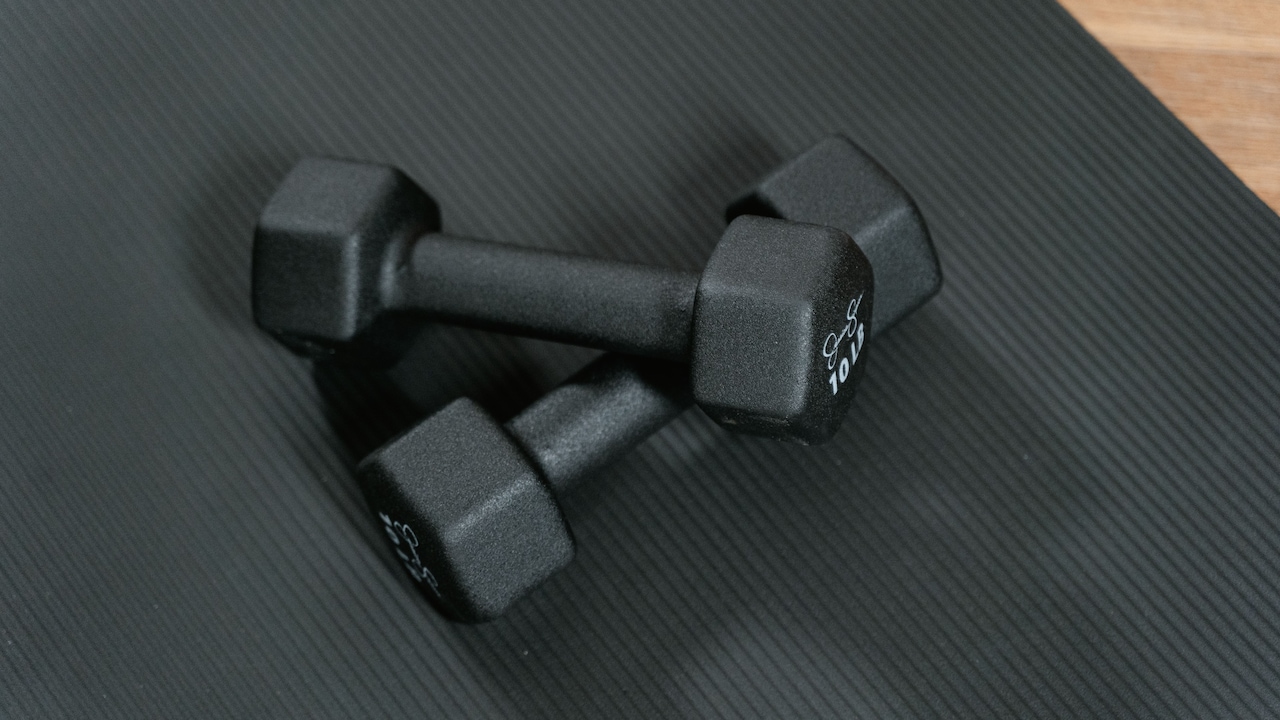
You genuinely don't need a large gym setup for such workouts. Squats, lunges, push-ups, planks, and glute bridges cover most major muscle groups, and a basic resistance band or a pair of adjustable dumbbells adds enough load to keep progressing over weeks. Three to four rounds of a 20-minute circuit, three or four times a week, is more than enough for most people.
2. Cardio Without A Treadmill
A skipping rope is honestly one of the most underrated pieces of home fitness gear. Ten minutes of skipping burns roughly what a light jog would, and it fits into a space smaller than most living rooms. Stair climbing inside your building, if that's an option, works just as well when the rain makes outdoor running impossible.
3. Exercising in a Small Home Workout Corner
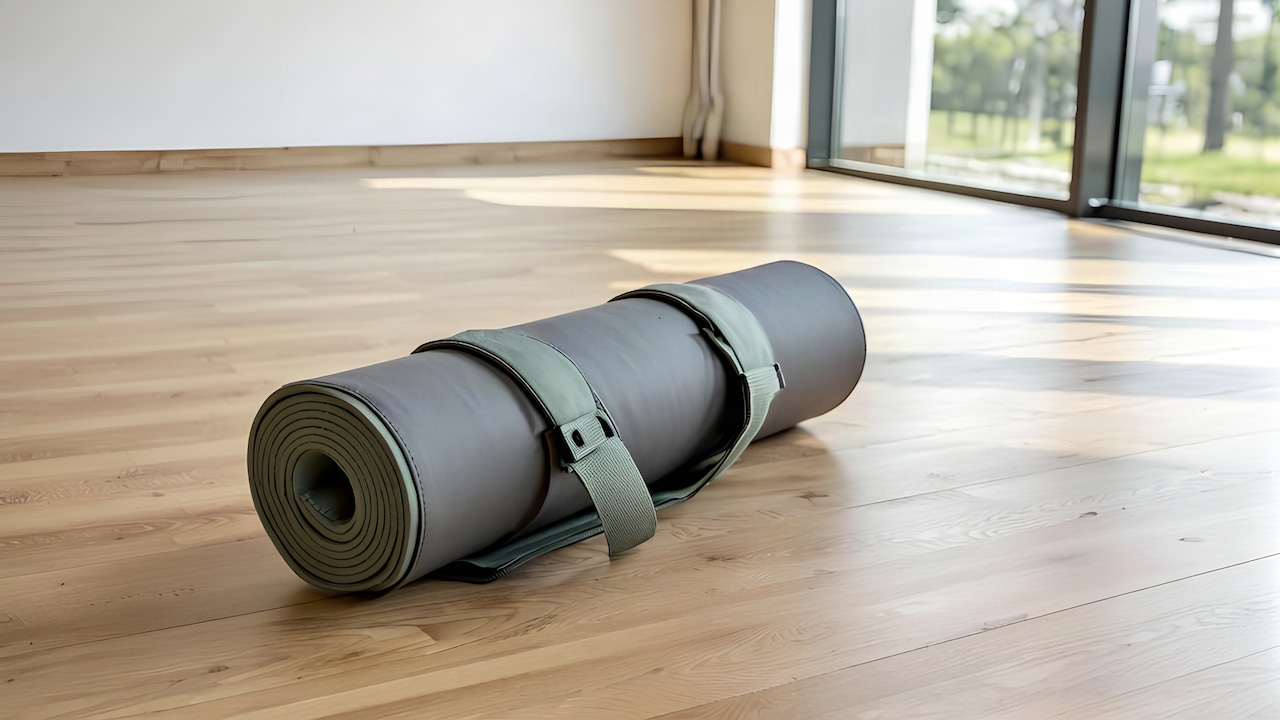
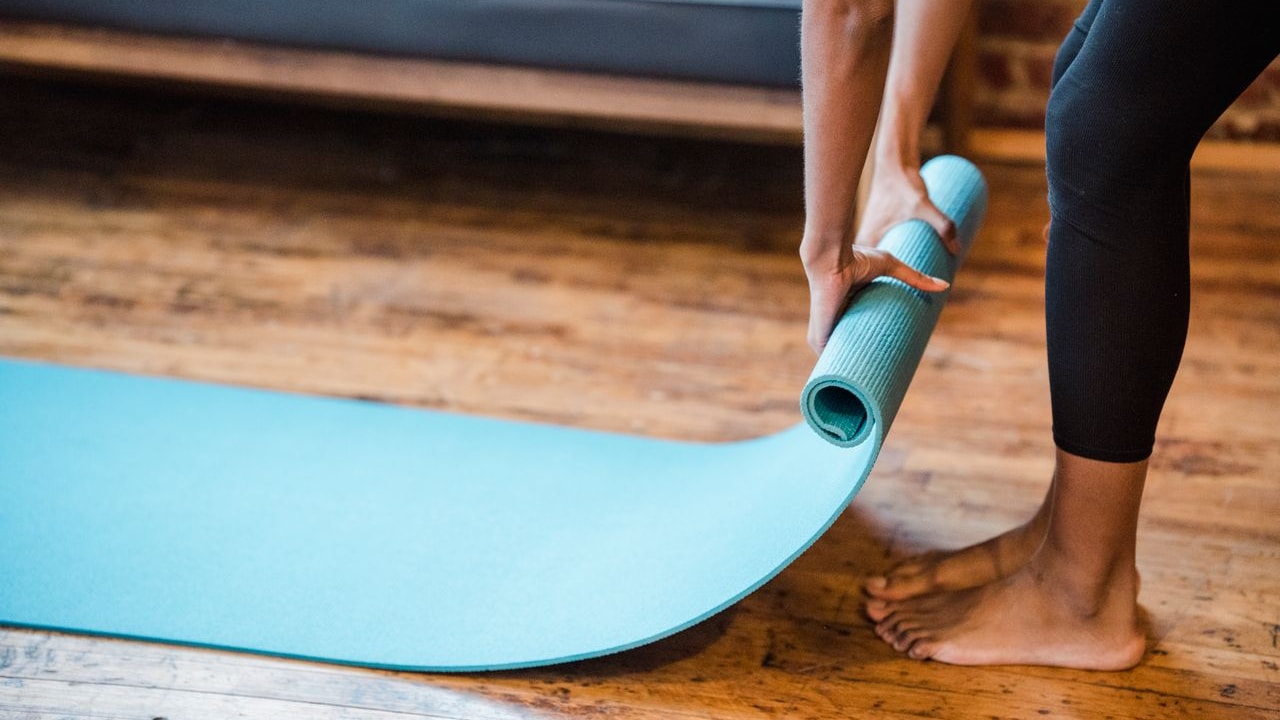
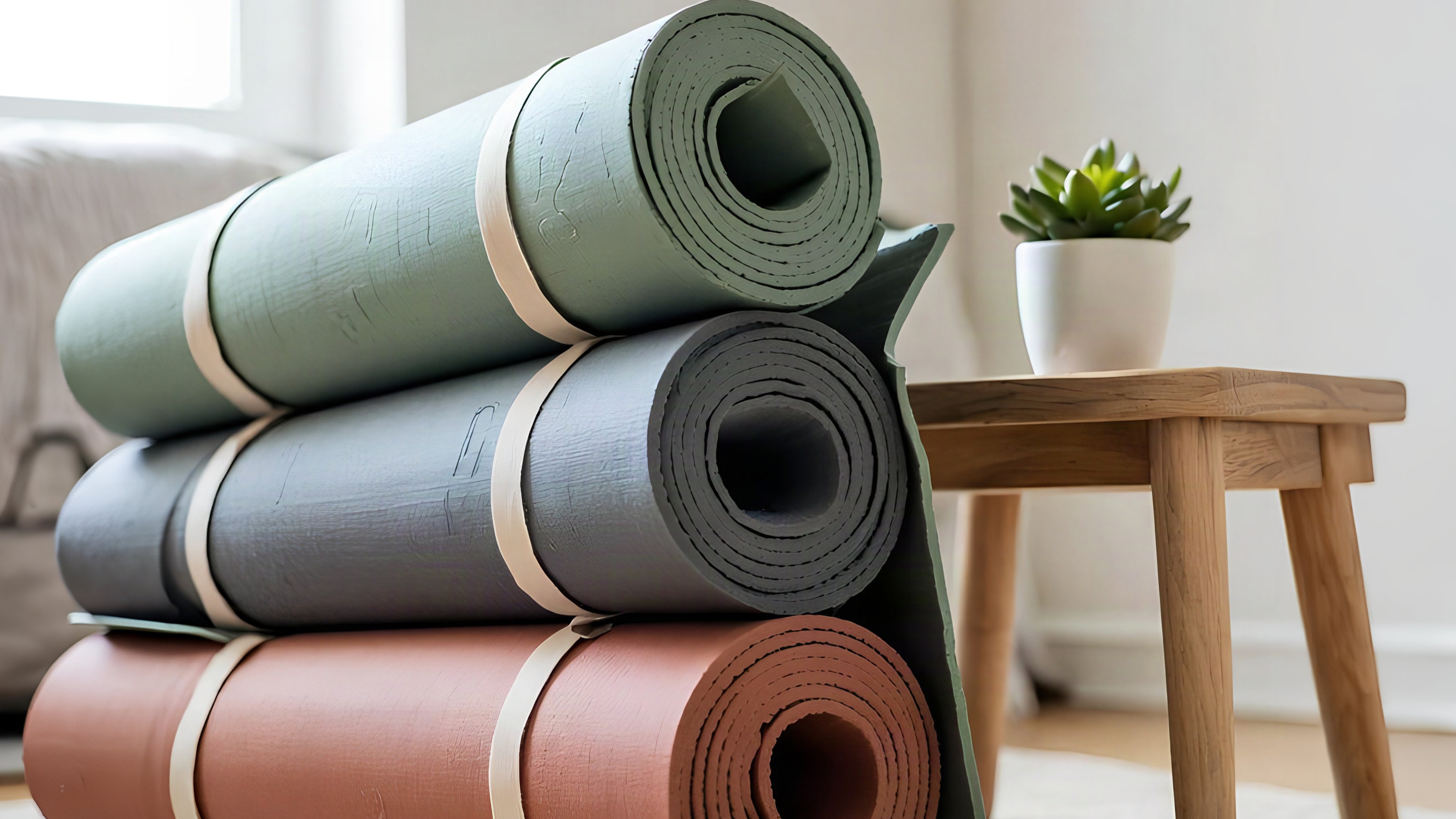
You don't need a spare room for this purpose; a 6x4-foot corner is enough. A yoga mat for floor work, one set of adjustable weights, a resistance band, and a skipping rope will cover almost every workout style, from strength training to HIIT to basic mobility work. Keep the setup visible, not tucked away in a cupboard, since it's easy to forget about things when they're out of sight, especially when the rain starts.
The Real Benefits Of Moving Your Workout Indoors This Season; Photo Credit: iStock
Some Fitness Products You May Like
1. Boldfit Yoga Mat 6mm Anti-Slip Exercise Mat
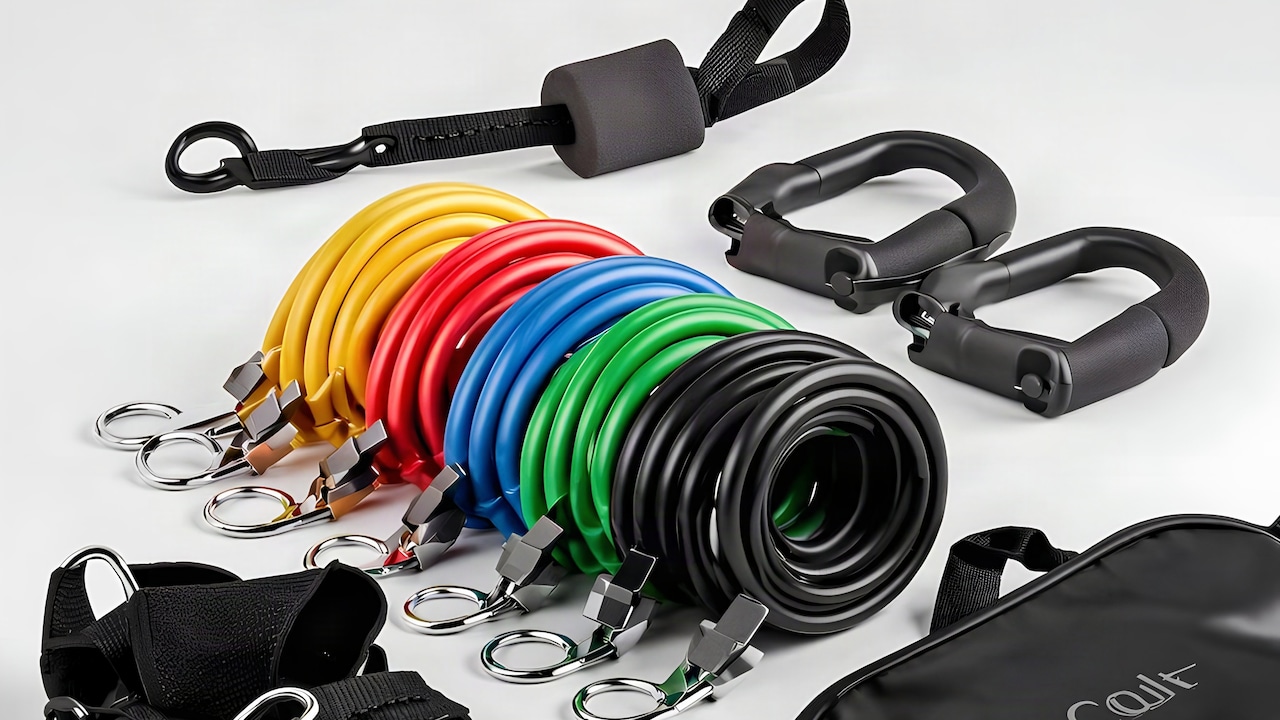
2. Cult Resistance Bands Set of 11 with Handles, Door Anchor & Carry Bag
3. Boldfit Adjustable Height Skipping Rope
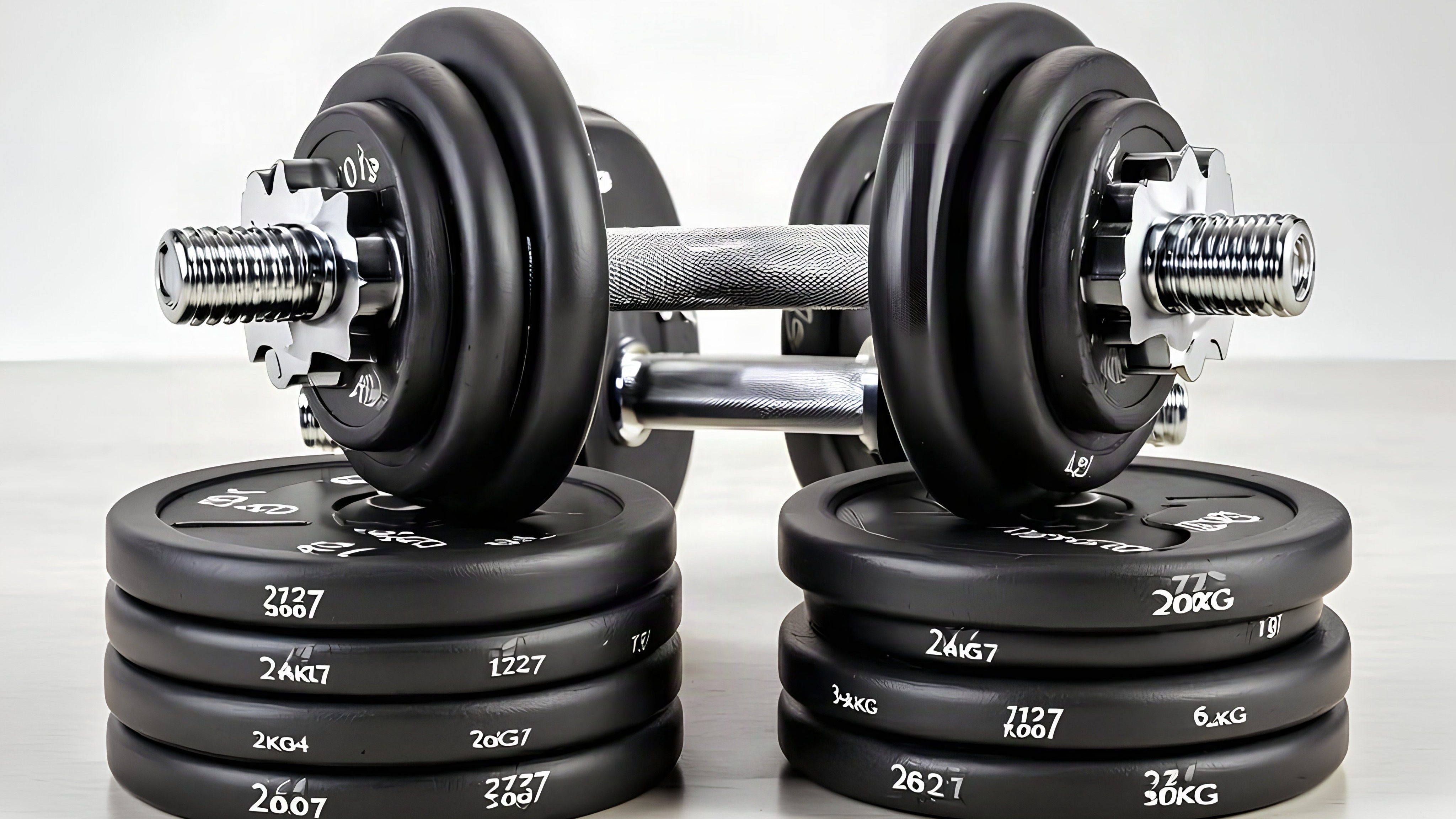
4. Amazon Brand Symactive 20 Kg Adjustable Dumbbell Set
5. Boldfit Ab Wheel Roller With Knee Mat
6. Craava No-Screw Doorway Pull-Up Bar
7. FEGSY High Density Foam Yoga Block Set of 2
8. Boldfit High-Density Foam Roller for Muscle Recovery
Investing in the right fitness products is about more than workouts — it's about building consistency, comfort, and motivation. From resistance bands to smart trackers, each tool supports progress by making exercise safer and more effective. Choosing durable, versatile gear ensures long‑term value, helping you stay active, energised, and committed to your health journey. Shop now on Amazon.
Frequently Asked Questions (FAQs)
1. Are indoor workouts actually as effective as outdoor ones?
Yes, provided you're consistent about it. Strength training, HIIT, and bodyweight circuits – they all build fitness, whether you're indoors or out in the open. During monsoon season, especially, indoor sessions are the ones people actually stick with.
2. Can I lose weight with just a home workout during the monsoon?
You can. Weight loss comes down to consistency and diet more than anything else; the location barely matters. Stick to a structured 30- to 40-minute indoor routine and do it regularly; that's really all it takes.
3. How do I stay motivated to work out at home when it's raining outside?
Motivation on its own tends to fade fast. What actually works better: fix a specific time slot, keep your equipment out where you can see it rather than tucked away in a closet, and follow a short routine that doesn't require much thinking.
4. Is it safe to do intense cardio indoors in humid weather?
Generally, yes, so long as there's proper ventilation or at least a fan going. Indoor humidity is a lot more manageable than what you'd face outside, mainly because you're not dealing with wet ground or that heavy, rain-soaked air.
5. What is the minimum equipment needed to start indoor workouts at home?
Start simple: a yoga mat and a resistance band will do the job. Once your routine starts progressing, you can think about adding a skipping rope and a set of adjustable dumbbells.
(Disclaimer: This article may include references to or features of products and services made available through affiliate marketing campaigns. NDTV Convergence Limited (“NDTV”) strives to maintain editorial independence while participating in such campaigns. NDTV does not assume responsibility for the performance or claims of any featured products or services.)