Amazon Great Indian Festival Starts October 8: Top 5 Portable Piano Keyboards For Practice And Everyday Playing
Looking for a portable keyboard for lessons, home practice or casual performances? These five 61-key models from Casio and Yamaha combine touch-sensitive keys, built-in sounds and useful learning features.
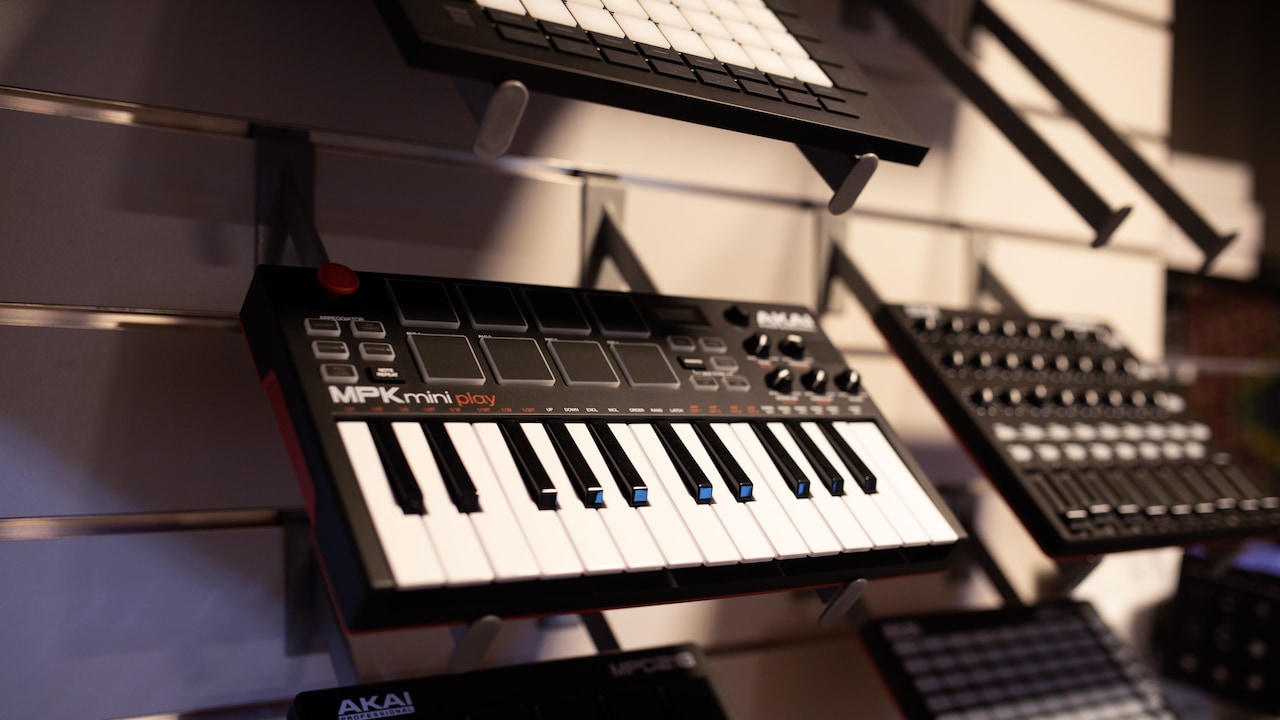
Amazon Great Indian Festival: Top 5 Portable Piano Keyboards
A keyboard often starts as a “let's see if this hobby sticks” purchase and quickly becomes part of the furniture. One week it's being used for basic scales; a few months later, someone is experimenting with accompaniment tracks, recording melodies or trying to recreate a favourite song by ear. That's why choosing a portable piano keyboard needs more thought than simply counting the keys. During the Amazon Great Indian Festival, buyers may come across everything from straightforward beginner keyboards to feature-packed models designed for regular performers. For most learners, 61 keys strike a useful middle ground: enough range for lessons and everyday playing without demanding the floor space of a full-sized digital piano. Features such as touch response, built-in rhythms, USB connectivity and learning modes can also make daily practice feel far less repetitive.
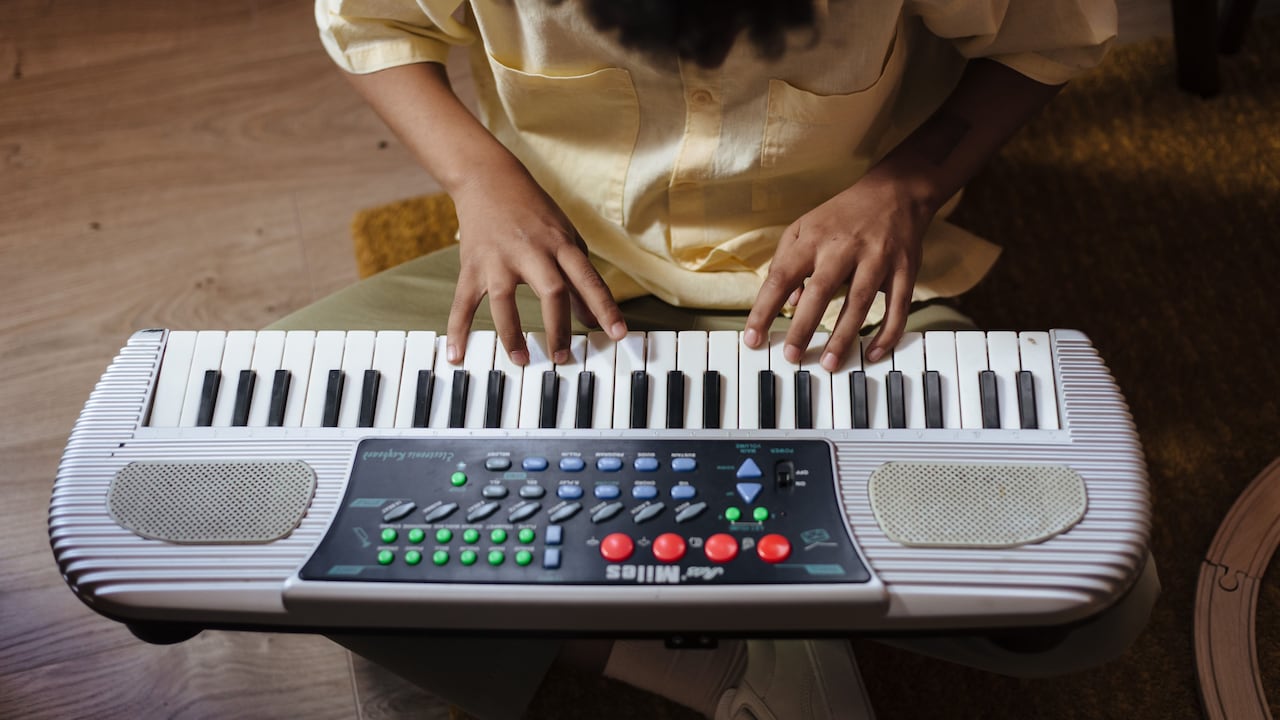
Amazon Great Indian Festival: Top 5 Portable Piano Keyboards; Photo Credit: Pexels
Top 5 Portable Keyboards Worth Considering For Learning, Practice And Performance
1. Casio CT-X870IN
The Casio CT-X870IN combines 61 piano-style touch-sensitive keys with a pitch bend wheel, making it suitable for beginners as well as players who want greater control over expression. Its sound library includes 600 tones and 195 rhythms, with dedicated instrument sounds such as sitar, tanpura, harmonium, santur and sarod.
There's plenty to experiment with here beyond standard piano practice. Regional rhythm options include Bhangra, Dadra, Garba, Dandiya, Teen Taal and Bhajan patterns. A pen-drive port also adds convenience when handling compatible music files and saved keyboard data. For players who enjoy moving between traditional sounds and contemporary arrangements, this model offers considerable variety without making everyday operation unnecessarily complicated.
Also Read: Say Goodbye To Doom Scrolling: 5 Easy To Learn Musical Instruments For Adults Under ₹2,000
2. Yamaha PSR-E483
For learners who want a keyboard that can grow with their skills, the Yamaha PSR-E483 brings together expressive playing and useful digital tools. Its 61 touch-responsive keys react to playing intensity, helping students practise dynamics rather than simply pressing every note at the same volume.
The built-in instrument voices and accompaniment styles cover genres ranging from pop and jazz to classical and electronic music. USB-to-Host connectivity also lets users connect the keyboard to computers, compatible music software and learning applications. That makes it useful for anyone moving from routine lessons towards basic recording or composition.
Despite its broad feature set, the keyboard keeps a relatively lightweight design. This matters for students who need to move it between rooms, classes or practice spaces instead of keeping it permanently mounted on a stand.
3. Casio CT-X9000IN
The Casio CT-X9000IN feels more suited to players who want deeper sound options and stronger onboard output. It uses Casio's AiX Sound Source and offers 800 tones alongside 250 rhythms. The selection includes 43 Indian tones and 39 Indian rhythms, giving players plenty of room to experiment with different arrangements.
Its 15W + 15W speaker system should also appeal to those who occasionally play for a small audience or want a fuller sound without immediately connecting external speakers. Direct-access buttons make switching between tone and rhythm categories easier during practice or performance.
A pen-drive port supports WAV playback and keyboard data storage, while the dedicated examination tone and rhythm banks can prove useful for structured learners. Overall, this is one of the more feature-heavy portable keyboards in the line-up.
4. Yamaha PSR-I300
The Yamaha PSR-I300 puts learning tools front and centre. It offers 61 touch-responsive keys, 644 voices and 224 accompaniment styles. Among these are traditional instrument voices, regional rhythms and Riyaz Lite, which provides tanpura and tabla or mridangam accompaniments for practice.
Students also get lesson-oriented features such as Keys to Success, Touch Tutor, Phrase Repeat, Chord Study and A-B Repeat. These tools can make independent practice more structured, particularly when a teacher isn't sitting beside the player.
The keyboard also supports two-track recording, USB audio and MIDI connectivity, pitch bend, split and duo modes. At around 4.6 kg, it remains reasonably portable. Battery operation adds another useful touch for lessons, rehearsals or casual playing away from a fixed power socket.
5. Casio CT-S300 Casiotone
The Casio CT-S300 is the most beginner-focused option in this group. Its slim body houses 61 touch-sensitive piano-style keys along with a pitch bend wheel, giving new players enough flexibility to practise both basic technique and simple expressive playing.
A large LCD and straightforward controls help keep the learning curve manageable. The keyboard also works with Casio Music Space, allowing users to connect a compatible phone and explore songs or MIDI-based learning material.
There are 400 tones and 77 rhythms onboard, including additional regional sounds. Dance Music Mode adds a more playful way to experiment with beats and arrangements, while the My Setup button lets users quickly recall preferred settings. Battery support also makes this keyboard useful for learners who regularly shift their practice setup around the house.
The best portable keyboard depends on how far you want to take your playing. Beginners may prefer the straightforward Casio CT-S300, while the Yamaha PSR-I300 offers stronger lesson tools. More ambitious players can explore the CT-X9000IN or PSR-E483. During the Amazon Great Indian Festival, compare touch response, sound libraries, connectivity and portability before choosing the model that suits your practice routine. Shop now on Amazon
(Disclaimer: This article may include references to or features of products and services made available through affiliate marketing campaigns. NDTV Convergence Limited (“NDTV”) strives to maintain editorial independence while participating in such campaigns. NDTV does not assume responsibility for the performance or claims of any featured products or services.)