10 Placement Mistakes That Make Bins More Annoying To Use
A bin can have the perfect size and lid yet still feel awkward to use. These common placement mistakes can lead to spills, smells, clutter and extra cleaning around the home.
10 Placement Mistakes That Make Bins More Annoying To Use
A bin probably gets less thought than almost anything else in a room. We buy one, find an empty corner, and assume the job is done. Then everyday life exposes the problem. Vegetable peels miss the bin while chopping. Someone has to walk across the bathroom holding a dripping tissue. The bedroom bin blocks a cupboard door. A kitchen bin sits so close to the stove that its lid becomes grimy within days. Often, the bin itself isn't the problem. Its location is. Good bin placement should make throwing something away almost automatic. You shouldn't need to weave between furniture, open two cupboard doors or perform a balancing act with a dripping tea bag. At the same time, convenience doesn't mean putting bins wherever there's spare floor space. Heat, moisture, foot traffic, ventilation and cleaning routines all matter. A few centimetres can make a surprising difference. Before replacing a perfectly functional bin because it feels inconvenient, look at where it sits. These ten placement mistakes explain why some bins become irritating surprisingly quickly and how small changes can make waste disposal far easier.
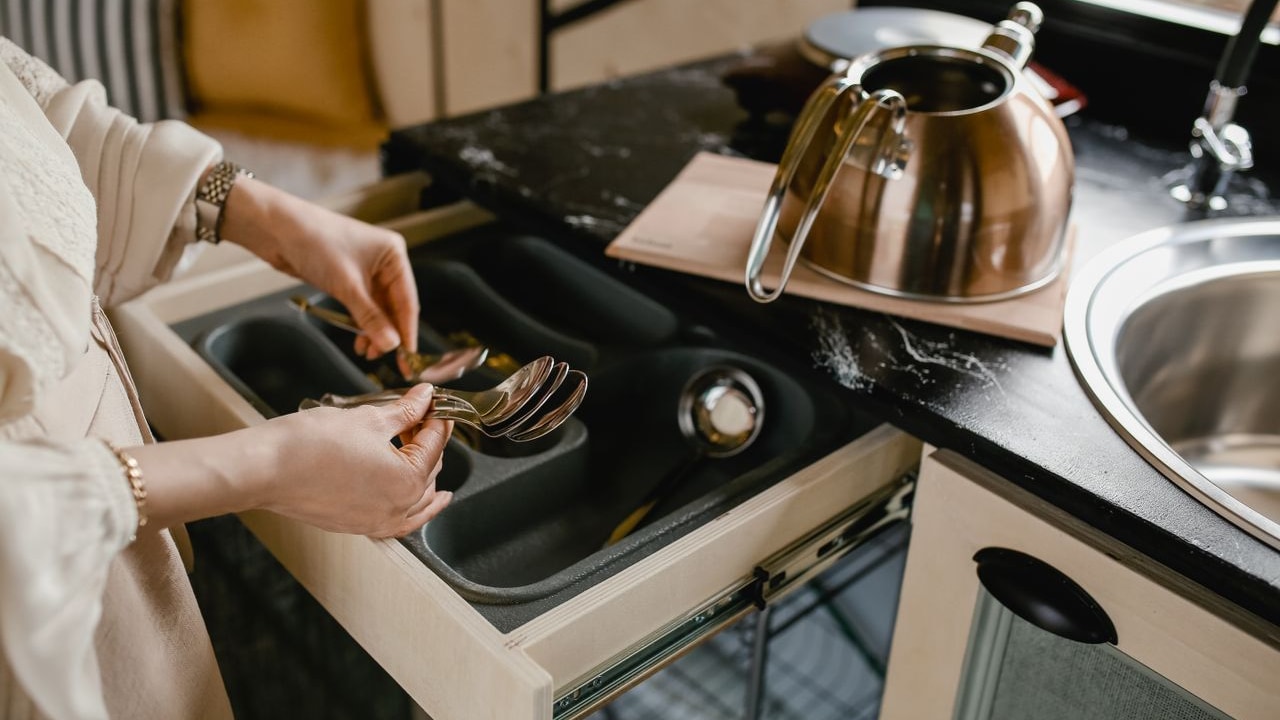
10 Placement Mistakes That Make Bins More Annoying To Use; Photo Credit: Pexels
How Smarter Bin Placement Can Make Everyday Clean-Up Easier
1. Keeping The Kitchen Bin Too Far From The Main Prep Area
Kitchen waste tends to appear where food preparation happens, yet many bins sit on the opposite side of the room simply because that's where there was space. The result becomes obvious during dinner prep. Onion skins collect beside the chopping board, eggshells wait near the sink and tea bags make a dripping journey across the floor.
A bin doesn't need to sit directly beneath the worktop, but it should stay within easy reach of the area where most waste appears. Watch your routine for a day. If you repeatedly carry scraps from one end of the kitchen to another, the current position isn't helping.
The sweet spot often sits near the chopping or washing zone without blocking drawers or walking paths. Even shifting a bin from a distant corner to the end of a counter run can save dozens of unnecessary steps.
There's another advantage: fewer scraps get temporarily parked on countertops. And as most busy households know, "temporarily" can easily become "until someone finally cleans the kitchen".
2. Placing A Bin Where It Blocks Cupboards Or Drawers
A bin might fit beautifully beside a cabinet until someone actually tries opening that cabinet. Then comes the familiar routine: move bin, open door, retrieve pressure cooker, close door, move bin back.
Do that several times a day and a harmless placement decision becomes surprisingly irritating.
Check the full opening arc of nearby cabinet doors, drawers and appliances before settling on a location. This matters particularly in compact kitchens where every centimetre seems valuable. Refrigerator doors, dishwasher panels and deep drawers can require much more clearance than expected.
The same principle applies outside the kitchen. A bedroom bin shouldn't prevent a wardrobe drawer from opening fully. A bathroom bin shouldn't sit directly in front of the cabinet storing toiletries.
Try leaving the bin in its intended position and opening everything around it. If something collides, catches or requires you to shift the bin, find another spot.
A good position works quietly in the background. You shouldn't need to negotiate with the furniture every time you throw away a wrapper.
Also Read: 5 Dustbins That Don't Compromise On Style
3. Putting Bins Directly In Busy Walking Paths
Convenient doesn't mean central.
Placing a bin right beside a doorway or along the shortest walking route through a room can turn it into a miniature obstacle course. Someone eventually clips it with a foot, nudges it sideways or knocks the contents over. Lightweight bathroom and bedroom bins are particularly easy to tip.
Look at the natural paths people take through a room. These invisible routes often run between doors, beds, desks, sofas and worktops. A bin sitting inside one of them may technically fit, but it will always feel slightly in the way.
Move it towards the edge of the route instead. Beside a desk rather than underneath the chair's movement area works well. Near a kitchen counter rather than directly beside the entrance feels much better.
This becomes even more important in homes with children, pets or elderly family members. Clear walking space reduces both annoyance and tripping risks.
If everyone keeps accidentally kicking the bin, they aren't unusually clumsy. The bin may simply be standing where feet naturally want to go.
4. Keeping The Bin Too Close To The Stove Or Hob
The narrow gap beside a stove can look like prime bin territory. It's close to the cooking area and often otherwise unused. Unfortunately, heat and cooking residue make it a poor choice.
Plastic bins may gradually discolour or distort when exposed to frequent heat. Even without obvious damage, the outside can collect oil droplets and sticky cooking residue. Once dust joins the mixture, the bin starts looking dirty much faster than one placed slightly farther away.
Open bins create another problem. Food waste sitting close to a warm cooking zone may develop unpleasant odours more quickly.
Try leaving a reasonable gap between the bin and direct heat sources. Moving it to the cooler end of the counter or closer to the sink usually makes more sense while keeping it convenient.
You'll probably spend less time wiping greasy marks from the lid too.
A kitchen bin needs to be close enough for easy disposal, but it doesn't need a front-row seat while tadka is spluttering across the hob.
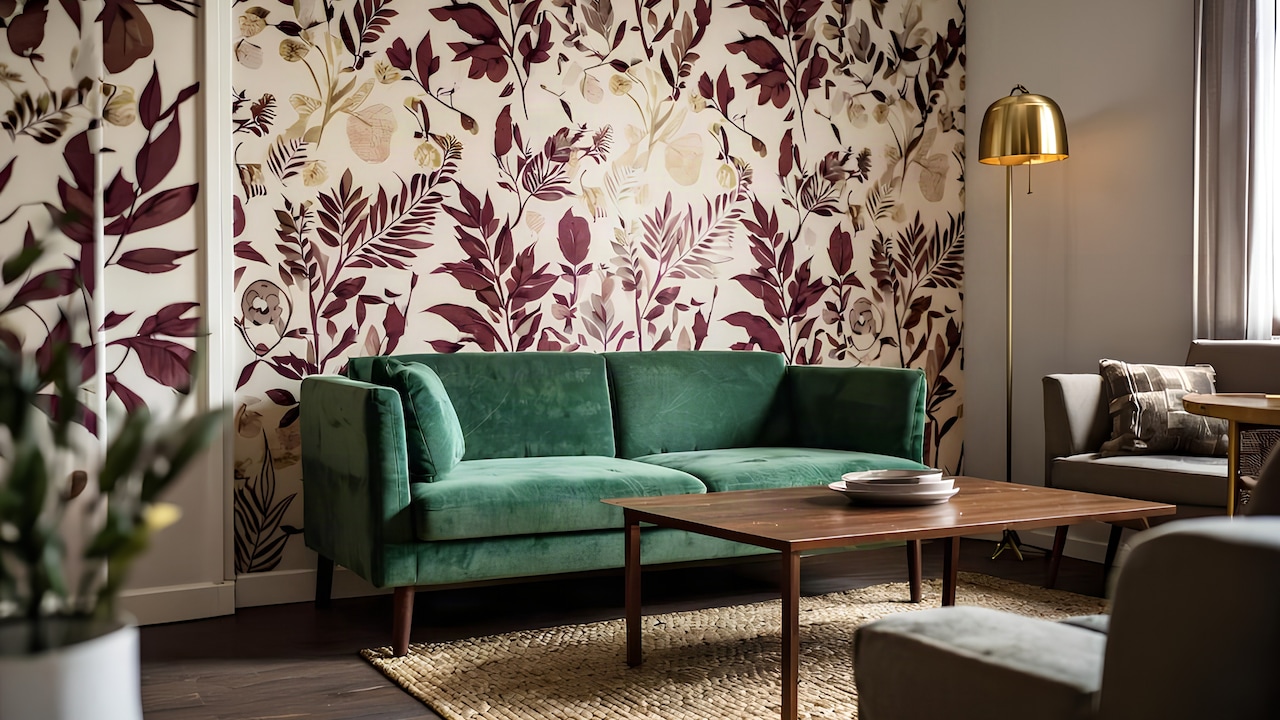
10 Placement Mistakes That Make Bins More Annoying To Use; Photo Credit: Pexels
5. Hiding The Bin So Well That Nobody Uses It
Nobody wants a rubbish bin to become the visual centrepiece of a room. Yet hiding one too successfully can create another problem: waste starts appearing everywhere except inside it.
This often happens with bins placed deep inside utility cupboards, behind doors or beneath heavily packed sinks. Throwing away one tissue suddenly requires opening a cabinet, moving a bottle and pulling the bin forward. People eventually choose the easier option and leave small bits of rubbish on countertops or tables.
A concealed bin works best when access takes one simple action. A pull-out kitchen system, for example, keeps waste hidden while remaining easy to reach. A bin behind a frequently opened cabinet door can also work well.
The test is simple. Can someone dispose of waste comfortably while holding something in the other hand?
If not, convenience has probably been sacrificed for appearance.
There are plenty of attractive bins available, but even an ordinary one positioned sensibly can keep a room looking tidier than an invisible bin nobody wants to use.
6. Positioning Bathroom Bins Too Far From The Toilet Or Vanity
Bathroom bins often end up wherever there happens to be an empty corner. Unfortunately, the emptiest corner isn't necessarily where waste occurs.
Most bathroom rubbish appears near two places: the toilet and the vanity. Cotton pads, tissues, floss, sanitary product wrappers and empty skincare sachets shouldn't require a walk across a wet bathroom floor.
Place the bin somewhere that feels convenient from the areas where it's actually needed. In a small bathroom, one location may serve both zones. In a larger space, position it according to the household's habits.
Avoid squeezing the bin into a constantly wet area beside the shower. Moisture around the base can encourage grime and make paper waste damp. A dry position that's still within arm's reach works better.
Also consider the lid. If the bin has a foot pedal, leave enough space around it for the pedal to operate properly.
Nobody should have to stretch dramatically from the toilet just to reach the bin. Bathroom design doesn't need that kind of accidental yoga.
10 Placement Mistakes That Make Bins More Annoying To Use; Photo Credit: Pexels
7. Tucking Bins Into Corners That Are Difficult To Clean
Corners seem like obvious places for bins because they keep them out of the way. Yet some corners create a hidden cleaning problem.
When a bin sits tightly between a wall and a cabinet, crumbs, dust and tiny bits of rubbish collect behind it. If removing the bin involves dragging it past pipes, appliances or furniture, that patch of floor may receive far less cleaning than the rest of the room.
Kitchen bins make this particularly noticeable. A small spill runs underneath, nobody sees it and several days later the source of a mysterious smell becomes a household investigation.
Leave enough clearance to lift or slide the bin out easily. You should be able to clean underneath and around it without rearranging half the room.
Bins with wheels or smooth bases can help in larger kitchens, while lightweight containers work well in bathrooms and bedrooms.
Think of the cleaning process before choosing the position. The bin itself may get emptied every day, but the area surrounding it also needs regular attention. Accessibility makes that much easier.
8. Placing Open Bins In Hot Or Poorly Ventilated Areas
An open bin can work perfectly well for dry waste such as paper or packaging. Put the same design in a warm corner filled with food scraps, however, and things become unpleasant quickly.
Heat accelerates odours. Poor airflow traps them.
Utility balconies, enclosed kitchen corners and spaces beside sunny windows can become surprisingly warm during the day. A bin containing fruit peels, leftover food or wet tea leaves may start smelling long before it becomes full.
For mixed or food waste, choose a cooler location and consider a properly closing lid. Regular emptying still matters, but sensible placement can slow down the problem.
Avoid positioning bins where strong sunlight falls on them for hours. The effect becomes even more noticeable during warmer months.
Ventilation shouldn't mean placing rubbish directly beneath a ceiling fan either. Nobody needs lightweight wrappers making an escape attempt.
Keep wet waste contained, cool and easy to remove. Dry waste gives you more flexibility, which is why separate bins can make placement easier as well as improve waste sorting.
9. Keeping A Bedroom Bin Too Far From The Desk Or Bedside
Bedroom bins often become decorative afterthoughts. They sit in whichever corner looks least noticeable, while the rubbish appears somewhere else entirely.
Think about where small waste actually accumulates. For someone working from a bedroom desk, it might be sticky notes, packaging, receipts or tissues. For others, the bedside table collects medicine strips, tags and miscellaneous wrappers.
Positioning the bin near the main waste-producing zone helps prevent clutter from spreading across surfaces.
That doesn't mean pushing it underneath a chair where feet constantly hit it. A position beside the desk, at the end of a bedside unit or near the dressing area can work better.
Dry waste suits bedrooms best. Food leftovers belong elsewhere because odours and ants are rather poor sleeping companions.
The goal is to make tidying almost effortless. When a bin sits within reach, there's less temptation to create a tiny "deal with it later" pile on the desk.
Those little piles have an impressive ability to become permanent residents.
10. Using One Bin Location For Every Type Of Waste
Sometimes the placement problem isn't where the bin sits. It's expecting one bin to serve an entire home.
A single kitchen bin may work for a small household, but carrying every tissue, courier packet, shampoo bottle and scrap of paper across multiple rooms quickly becomes inconvenient. Predictably, temporary rubbish piles begin appearing instead.
Place smaller bins where waste naturally occurs and match them to the type of rubbish produced there. A study may need a dry-waste bin. A bathroom needs one for personal-care waste. The kitchen requires easy access for food and packaging disposal.
This doesn't mean putting a bin in every corner. Too many become clutter themselves. Instead, identify spots where rubbish repeatedly accumulates despite regular cleaning.
Sorting becomes easier too. If recyclable packaging stays separate from wet kitchen waste from the start, nobody has to rescue a perfectly good cardboard box from yesterday's curry later.
Good bin placement follows behaviour rather than fighting it. Put disposal points where they're genuinely useful, and keeping the home tidy starts requiring much less conscious effort.
Products Related To This Article
1. HOUSE OF QUIRK White Bathroom Trash Bin With Lids
2. Home Centre Gold-Toned Aubree Metal Pedal Waste Bin
3. Kuber Industries Grey Pedal Dustbins 10 L
4. Home Centre Grey Bin With Stand
5. SEJ by Nisha Gupta Green & Orange Printed Wooden Open Dry Bin
6. Nayasa NayasaSet Of 1 Mikado Brown Solid Plastic Durable Open Dustbin Open Waste Bin
7. Aura Green Set of 2 Regular Multi-Utility Dustbin
Kitchen Bins rarely cause trouble because they're too simple. They cause trouble because we underestimate how often we use them. A poor position adds extra steps, blocks storage, encourages clutter or makes cleaning harder. The right spot, meanwhile, barely gets noticed.
Look at where waste actually appears, how people move through each room and what surrounds the bin. Keep it accessible without blocking pathways, away from unnecessary heat and easy to clean around. Sometimes moving a bin by half a metre can solve an annoyance that has quietly existed for months. When placement works, throwing something away becomes exactly what it should be: quick, clean and forgettable.
(Disclaimer: This article may include references to or features of products and services made available through affiliate marketing campaigns. NDTV Convergence Limited (“NDTV”) strives to maintain editorial independence while participating in such campaigns. NDTV does not assume responsibility for the performance or claims of any featured products or services.)