How To Pick The Right Drill Kit For Concrete Walls Without Overspending
Choose the right drill kit for concrete walls by matching power, drill type, bits and features to your needs, without paying extra for tools you may never use.
How To Pick A Drill Kit For Concrete Walls Without Overspending
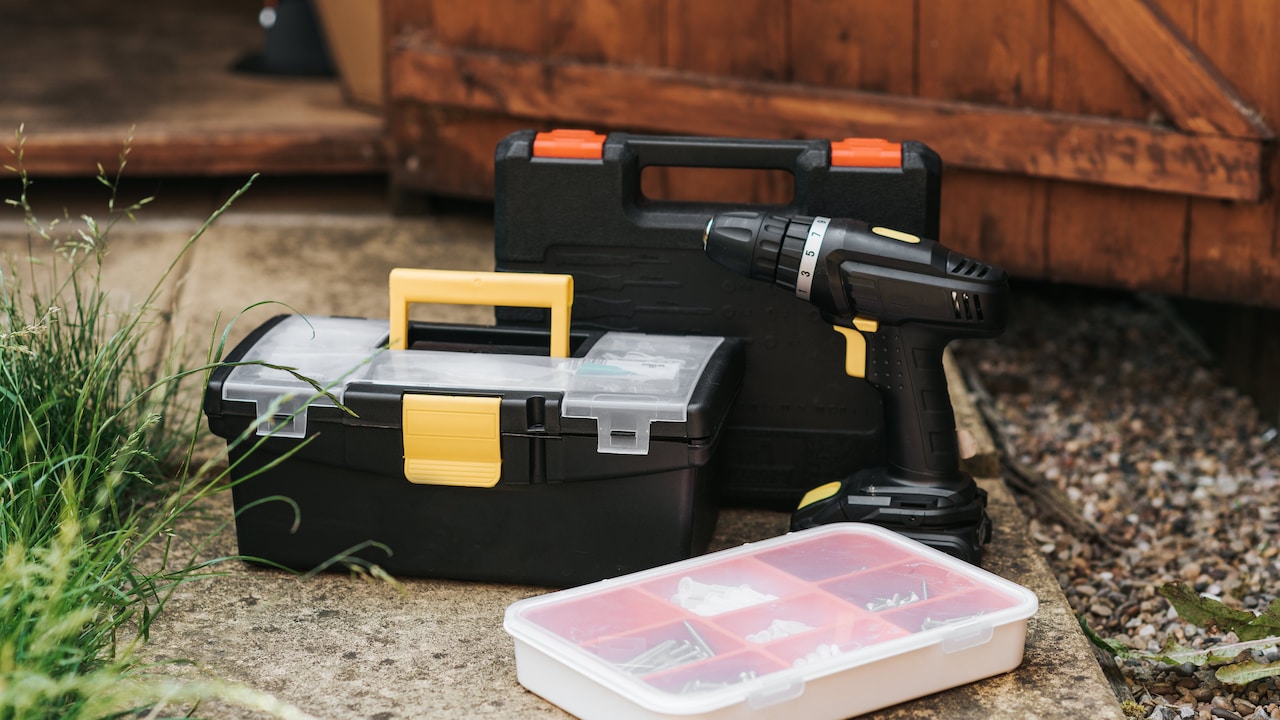
Concrete walls have a habit of turning simple weekend jobs into tests of patience. Hanging a television bracket, fixing curtain rods or mounting a kitchen shelf may look straightforward until an ordinary drill begins whining against the wall without making much progress. At that moment, the most expensive model in the shop can suddenly seem like the safest answer. That reaction often leads to overspending. A good drill kit does not need to look like equipment borrowed from a construction site. It simply needs enough power, the right drilling action and dependable accessories for the jobs planned at home. Paying for extreme torque, dozens of rarely used bits or a premium carrying case adds little value when the machine will only come out a few times each year.
How To Pick A Drill Kit For Concrete Walls Without Overspending
Photo Credit: Pexels
The smarter approach starts with understanding the wall, the work and the features that genuinely matter. With a little practical judgement, buyers can find a capable kit that handles stubborn concrete without drilling an unnecessary hole in the household budget.
What To Consider Before Buying A Concrete Drill Kit
Start With The Jobs You Actually Plan To Do
Before comparing brands or checking motor ratings, consider the work waiting at home. A person who wants to hang photo frames, install curtain brackets and mount a few shelves has very different needs from someone renovating several rooms.
For light household tasks, a basic impact drill with suitable masonry bits often does the job comfortably. It can drill holes for wall plugs, small anchors and standard fixtures without costing a fortune. Larger projects, such as fitting heavy cabinets, drilling deep holes or working on dense structural concrete, may demand a rotary hammer.
This distinction prevents the classic mistake of buying a machine powerful enough to break a pavement when the actual mission involves fixing a towel rail.
Think about how often the drill will be used as well. Occasional users gain little from professional features designed for daily work. Regular DIY enthusiasts may benefit from better build quality, easier bit changes and stronger motors.
Buying according to real tasks keeps the decision grounded. A drill should solve household problems, not create a new one on the credit-card statement.
Know The Difference Between Impact And Rotary Hammer Drills
Impact drills and rotary hammer drills may look similar, but they behave quite differently against concrete. Understanding that difference can save both money and frustration.
An impact drill combines rotation with rapid forward tapping. It works well for brick, blockwork and moderate concrete drilling, especially when the required holes remain small. Most household fixtures fall within this range. These drills also switch easily between masonry, wood and metal, making them versatile for general repairs.
A rotary hammer uses a stronger internal hammering mechanism. Instead of gentle tapping, it delivers heavier blows that break through hard concrete more efficiently. It suits larger holes, repeated drilling and tougher surfaces. The added strength usually brings extra weight and a higher price.
Many shoppers assume the rotary hammer always represents better value. That only holds true when the work demands it. For occasional home use, an impact drill may offer greater flexibility at a lower cost.
Choose the machine that matches the wall and hole size. More force sounds exciting, but unused power remains an expensive cupboard decoration.
Choose Sensible Power Instead Of Chasing Big Numbers
Power figures can easily dominate the buying decision. Packaging often highlights impressive wattage because large numbers appear reassuring. Yet wattage alone does not reveal how comfortably a drill handles concrete.
For most household masonry jobs, a corded impact drill between roughly 600 and 800 watts provides a useful balance of power, control and price. It can manage standard wall plugs, shelf brackets and curtain fittings without feeling excessive. Harder concrete or larger drilling tasks may justify moving closer to 900 watts or choosing a rotary hammer.
A very powerful drill can also feel bulky. Holding a heavy machine above shoulder height while installing curtain rods quickly turns into an unwanted arm workout. Extra weight may reduce accuracy, particularly for beginners.
Cordless models require attention to voltage, battery capacity and motor efficiency rather than wattage alone. Higher specifications usually increase cost, but they do not automatically improve the experience for occasional users.
Look for steady performance, manageable weight and good control. The best drill does not boast the biggest number. It reaches the required depth without making the user wrestle with it.
Check The Chuck Type And Bit Compatibility
The chuck holds the drill bit, so its design affects convenience, grip and accessory choices. Choosing the wrong type can lead to extra spending on adaptors or replacement bits.
Most standard impact drills use either a keyed chuck or a keyless chuck. A keyed chuck needs a small metal key to tighten the jaws. It grips bits firmly and often appears on affordable models. The only annoyance arrives when the tiny key disappears into the same mysterious corner that collects spare screws and missing socks.
A keyless chuck allows faster bit changes by hand. It feels convenient during mixed jobs involving wood, metal and masonry. However, quality matters because a poorly made keyless chuck may loosen during demanding work.
Rotary hammers commonly use SDS chucks. SDS bits slide and lock into place quickly while allowing the hammering action to work effectively. Standard round-shank bits usually need a separate adaptor.
Before buying, check which bits come with the kit and which replacements are readily available nearby. A low-priced drill loses its charm when every suitable accessory costs extra or becomes difficult to find.
Also Read: Top 5 Electric Nail Files And Drills For Salon-Finish Nails At Home Under ₹2,300
Pay Attention To Concrete Drill Bit Quality
A powerful drill paired with a poor masonry bit can perform like a scooter carrying a wardrobe. The motor may sound determined, but progress remains painfully slow.
Concrete drilling requires carbide-tipped masonry bits. These bits resist heat and chip away at hard surfaces more effectively than ordinary steel bits. For rotary hammers, SDS masonry bits usually provide better impact transfer and a secure fit.
Many inexpensive kits advertise enormous accessory counts. A box containing 100 pieces may look generous, yet half the items may consist of tiny screwdriver bits, wall plugs or accessories that rarely leave the case. The masonry bits, which matter most for concrete, may be low quality.
A smaller kit with five or six dependable masonry bits often delivers better value. Common home sizes such as 6 mm, 8 mm and 10 mm cover many wall plugs and anchors.
Inspect the bit range rather than admiring the total number printed on the box. Strong bits drill faster, reduce strain on the motor and last longer. Sometimes the cheapest way to improve drilling performance involves buying one good bit instead of a stronger machine.
Decide Whether Corded Or Cordless Suits Your Home
Corded and cordless drills each offer practical advantages. The better choice depends on where the work happens and how often the machine gets used.
Corded drills usually cost less for the same level of power. They deliver consistent performance and never stop because a battery needs charging. For household drilling near plug points, they make excellent budget-friendly tools. An extension lead solves most reach problems, although the cable may occasionally wrap itself around a chair leg with comic determination.
Cordless drills provide freedom of movement. They suit balconies, staircases, outdoor walls and places where sockets remain inconvenient. However, batteries increase the price. They also lose capacity over time, and replacement packs can cost a significant share of the original kit price.
For concrete work, check whether the cordless model includes a proper hammer mode. Many lightweight drill-drivers can make holes in wood and metal but struggle with masonry.
Occasional users often receive better value from corded drills. Those who tackle frequent repairs in different locations may find cordless convenience worth paying for, especially when batteries work across several tools from the same brand.
Look For Speed Control And A Useful Reverse Function
Concrete drilling needs force, but control matters just as much. A drill that starts at full speed can wander across a painted wall, leaving an unwanted scratch before the bit reaches the marked spot.
Variable speed allows the user to begin slowly and increase speed once the bit settles into position. This feature improves accuracy and helps when drilling different materials. Slow speed also suits screwdriving, while higher speed works better for smaller holes.
A reverse function changes the direction of rotation. It helps remove stuck bits and allows the drill to drive or loosen screws when paired with suitable attachments. Though simple, this feature makes the tool far more useful around the house.
Some kits include adjustable speed dials, while others respond to trigger pressure. Both designs work well when the controls feel smooth and predictable.
Avoid paying extra for complicated digital displays or numerous modes that offer little practical benefit. A responsive trigger, clear hammer selector and reliable reverse switch cover most everyday needs.
Good control prevents damaged surfaces, crooked holes and colourful language. That makes it far more valuable than flashy features that look impressive in a product photograph.
Consider Safety Features And Comfortable Handling
A drill may spend only a few minutes at a time in use, but those minutes can become uncomfortable when the grip feels awkward or the machine kicks suddenly.
Look for a rubberised handle that provides a secure hold, especially when hands become dusty. A side handle adds stability during concrete drilling and reduces wrist strain. Many decent kits include one without pushing the price too high.
A depth gauge also helps. This simple rod prevents drilling deeper than necessary, which protects walls and ensures anchors sit correctly. It may not sound glamorous, but neither does accidentally reaching a concealed space behind the wall.
For stronger drills and rotary hammers, a safety clutch offers useful protection. It reduces sudden twisting if the bit jams. This feature matters more during heavy work or when using larger bits.
Weight deserves equal attention. A machine that feels manageable for thirty seconds in a shop may feel much heavier after several overhead holes.
Comfort and safety should never count as luxury extras. A slightly more expensive drill with better balance and grip may offer greater value than a cheaper model that feels tiring, unstable or difficult to control.
How To Pick A Drill Kit For Concrete Walls Without Overspending
Photo Credit: Pexels
Ignore Accessory Counts And Examine What Is Included
Large accessory numbers create an instant sense of value. A kit marked “120 pieces” appears more impressive than one offering twelve. Yet quantity often hides a collection of low-cost items with limited use.
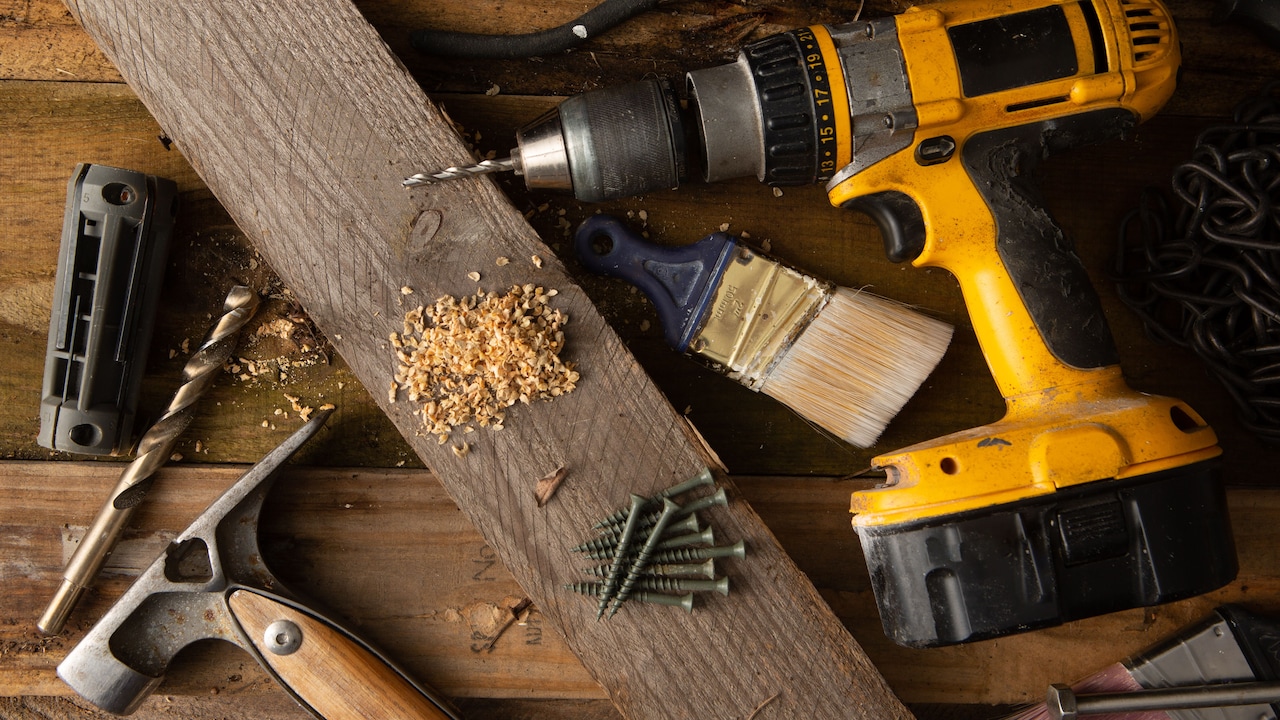
Open the specification list and examine the contents carefully. A practical concrete drilling kit should include suitable masonry bits, a side handle, a depth gauge and a sturdy case. Screwdriver bits, wood bits and metal bits add versatility, but only when their quality remains reasonable.
Some kits count every wall plug, screw and tiny driver bit as a separate accessory. Twenty identical plugs can turn an ordinary set into a “premium 80-piece collection” through creative arithmetic.
Consider the cost of buying essential items separately. A drill priced at ₹2,500 may seem cheaper than one at ₹3,200, but the saving disappears after adding masonry bits, a case and a side handle.
Useful contents matter more than crowded packaging. A smaller, thoughtfully assembled kit often serves the home better and creates less clutter.
Buy the accessories required for real jobs. Let the impressive piece count remain a marketing number rather than the reason for choosing the tool.
Compare Warranty Service And Spare Part Availability
Price matters on the day of purchase, but service support determines value over the following years. A drill from an unknown label may cost less, yet repairs can become difficult when switches, brushes or batteries fail.
Check the warranty period and what it covers. Some brands offer only manufacturing defect protection, while others provide broader service support. Read the terms rather than relying on a large warranty sticker on the box.
Service-centre availability also deserves attention. A brand with repair options in nearby cities may prove more practical than one requiring the machine to travel across the country. For cordless models, confirm that replacement batteries and chargers remain available. A perfectly functional drill becomes useless when its discontinued battery gives up.
Customer reviews can reveal recurring problems, though dramatic one-star complaints deserve some caution. Focus on patterns involving overheating, chuck failure, battery life or poor service.
Paying a little more for dependable support can prevent a complete replacement later. However, premium branding alone does not guarantee value.
Choose a manufacturer with accessible parts, clear warranty terms and a reasonable service network. Reliability after purchase often saves more money than the initial discount.
Set A Realistic Budget And Wait For Genuine Value
A sensible budget creates boundaries before sales banners and showroom advice begin influencing the decision. For occasional household work, capable corded impact drill kits often sit in an accessible range. More advanced cordless sets and rotary hammers naturally cost more because they include stronger mechanisms or batteries.
Avoid selecting the cheapest model solely to save ₹500. Weak motors, poor chucks and unreliable switches can turn a bargain into a repeat purchase. At the same time, spending ₹10,000 on a professional machine makes little sense when the drill will create six holes a year.
Seasonal sales may offer useful discounts, but compare the regular price first. Some “limited-time” deals simply place a bright label beside an ordinary price. Bundles can offer better value when they include genuinely useful bits or an extra battery.
Create a shortlist based on features, service and user feedback. Then compare prices across trusted sellers.
The sweet spot lies in dependable mid-range equipment. It may lack the drama of the cheapest deal or the shine of the costliest kit, but it usually delivers the strongest return for every rupee spent.

How To Pick A Drill Kit For Concrete Walls Without Overspending
Photo Credit: Pexels
Products Related To This Article
1. BOSCH Professional GSB 500 RE Corded-Electric Drill Tool Set
2. Homdum 13Mm 680W Re Impact Drill Machine Tool Kit Set
3. Izom ATC - 1001 Drill Machine Kit (Blue, Matte Finish
4. BOSCH GSB 500 RE Drill Machine for Home & Professional Use
5. IBELL Impact Drill ID13-80, 650W, Copper Armature
6. BLACK+DECKER BDCD120VA-IN 20V Li ion Cordless MAX Drill
7. Bosch GSB 600 RE Heavy Duty Corded Electric Impact Drill
Choosing a drill kit for concrete walls does not require a contractor's vocabulary or an oversized budget. It requires a clear understanding of the intended jobs, the type of wall and the features that make drilling safer and easier.
For most home repairs, a reliable impact drill with variable speed, hammer action and good masonry bits offers enough capability. Tougher or more frequent work may justify a rotary hammer. Beyond that, comfort, chuck quality, service support and useful accessories matter more than extravagant specifications.
The goal is not to own the most powerful drill in the neighbourhood. The goal is to make clean holes without overheating the motor, damaging the wall or regretting the bill.
A carefully chosen mid-range kit can handle years of shelves, frames, brackets and sudden weekend projects. Buy for the work that exists, not the heroic renovation fantasy created inside the hardware aisle. That simple rule keeps both the walls and the wallet in good shape.
(Disclaimer: This article may include references to or features of products and services made available through affiliate marketing campaigns. NDTV Convergence Limited (“NDTV”) strives to maintain editorial independence while participating in such campaigns. NDTV does not assume responsibility for the performance or claims of any featured products or services.)