How To Choose The Right Umbrella For Heavy Monsoon Rains
In search of the perfect umbrella for heavy monsoon rains? Get to know how to choose a durable, wind-resistant umbrella that keeps you dry during every downpour.
How To Choose The Right Umbrella For Heavy Monsoon Rains
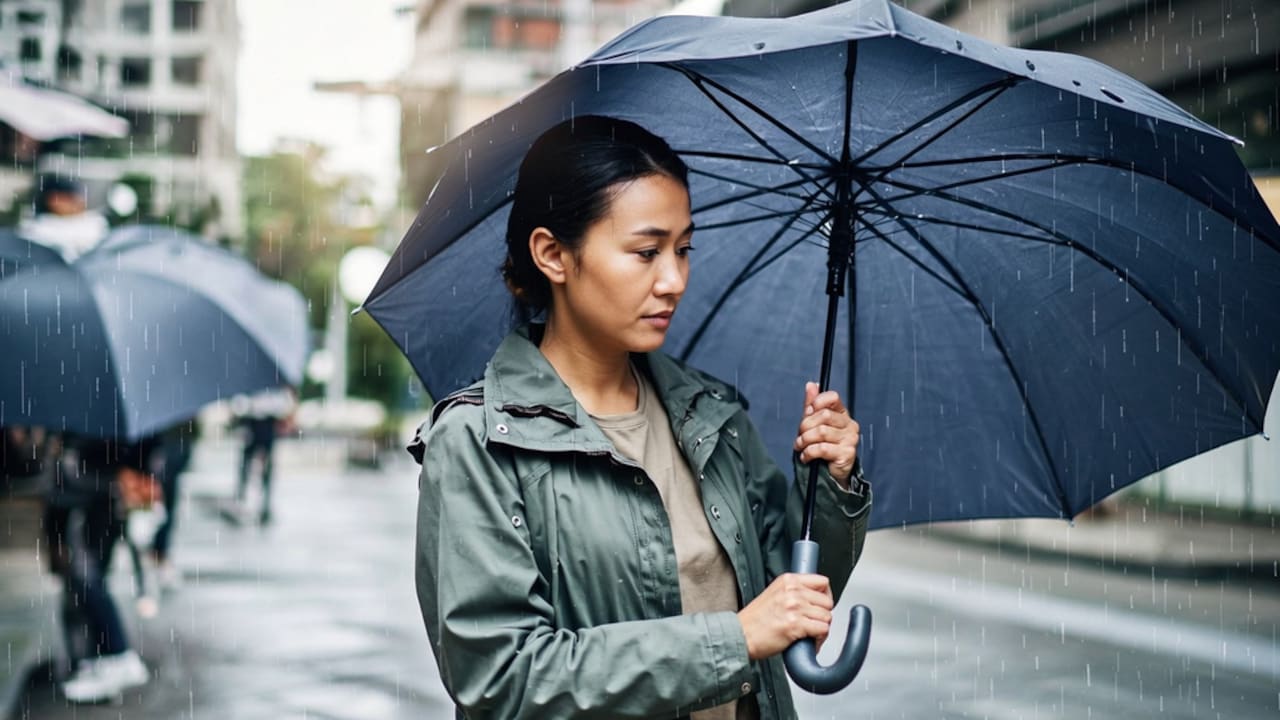
There's something truly magical about that first real monsoon downpour. After months of enduring a relentless summer heatwave, the sudden drop in temperature and the smell of wet earth feel like a total reset. Everything turns a vibrant shade of green overnight. But let's be real: the romance of the rain disappears pretty quickly when you're stuck outside with a flimsy umbrella. We've all been there: A single gust of wind hits, your umbrella pulls a "Mary Poppins" and flips inside out, and suddenly you're drenched and frustrated before you even make it to the office.
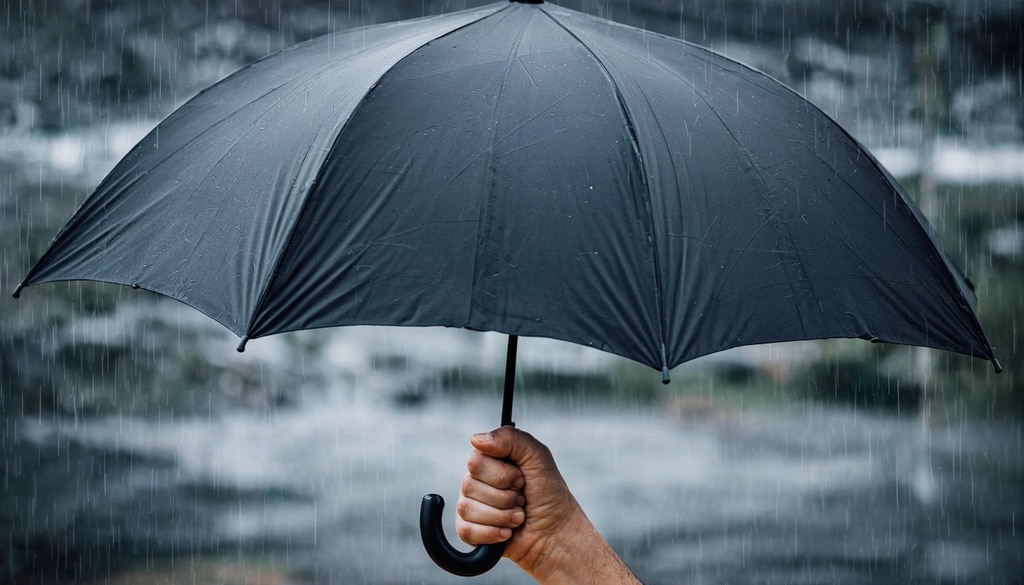
Find the perfect heavy monsoon umbrella by selecting a durable, wind-resistant design for every downpour.
Photo Credit: iStock
For most of us, buying an umbrella is a total afterthought. We usually grab the cheapest one near the checkout counter or pick one solely because the pattern looks cool. However, monsoon weather presents unique challenges. It's not just about water; it's about those horizontal winds and the wear and tear of a daily commute. A "bargain" umbrella usually ends up in a trash can after two weeks of heavy use.
So, how do you actually find an umbrella that won't bail on you when the skies turn grey? From examining the frame's structure to selecting the appropriate fabric, here's a practical guide to finding a reliable rainy-day companion.
Also Read: Tired Of Broken Umbrellas? Here Are Top 10 Built To Last
Why The Right Umbrella Matters During Heavy Monsoon Rains
It's easy to think an umbrella just needs to be a waterproof shield. But during a serious monsoon, your umbrella is fighting a multi-front war. It's dealing with high-velocity wind, hours of soaking moisture that can rot cheap threads, and the physical battering of being opened and closed dozens of times a day in crowded spaces.
Take a second to think about your routine. Are you jumping in and out of rickshaws? Navigating a packed train station? Walking fifteen minutes from the bus stop? If your gear fails, it's not just your hair that gets ruined; it's your laptop, your expensive phone, and your mood for the rest of the day.
A well-designed, durable umbrella can make a significant difference. It doesn't just keep you dry; it stays steady in your hand when the wind picks up and folds away without a struggle. Investing a bit more upfront means you aren't constantly replacing broken plastic sticks every other week. Hearing thunder in the distance brings a sense of peace.
How To Choose The Right Umbrella For Heavy Monsoon Rains
Ready to shop? Don't just look at the price tag. To ensure you're getting something sturdy, remember these five steps.
Step 1: Look For A Strong And Wind-Resistant Frame
The frame is essentially the skeleton of your umbrella. Cheap models use thin aluminium that snaps like a toothpick. You want to look for frames made of fibreglass or high-grade reinforced metal. Fibreglass is the gold standard here because it's flexible. When a blast of wind hits a fibreglass frame, the ribs bend slightly to absorb the pressure rather than snapping or permanently deforming.
Step 2: Choose The Right Canopy Size
Size is a bit of a balancing act. If the canopy is too small, your head stays dry, but your backpack and trousers get soaked. If it's too big, you'll be constantly poking people on the sidewalk. For most solo commuters, a 40-to-42-inch arc is the ideal size. However, if you usually carry a large laptop bag or a gym kit, you might want to size up.
Step 3: Pay Attention To The Fabric Quality
Not all fabrics labelled as "waterproof" are equally effective. You want a material that sheds water instantly rather than absorbing it. High-density polyester or Pongee fabric is what you should be looking for. Pongee is particularly excellent because it's a high-grade material that feels like silk but acts like a raincoat. It's thin, tough, and, most importantly, it dries almost instantly.
Step 4: Decide Between Folding And Long Umbrellas
Ultimately, your choice will depend on your lifestyle. Folding umbrellas are the kings of convenience. They easily fit into your bag and are ideal for unexpected weather. Modern high-end folders are surprisingly tough, but they do have more moving parts that could eventually wear out. Long (stick) umbrellas are heavily built in this case. Because the shaft is a single solid piece, they are inherently stronger and can handle much more wind.
Step 5: Consider Convenience Features
When you're trying to close an umbrella while holding a grocery bag and stepping into a car, you'll realise that "convenience features" are actually life savers. Look for auto open/close buttons. Collapsing the canopy with one hand is a significant improvement. Also, check the handle. A rubberised, ergonomic grip might seem fancy, but it prevents the umbrella from slipping out of your hand when your fingers are wet and cold.
Common Umbrella Buying Mistakes People Often Make
Even the smartest shoppers fall into these traps. Here's what to watch out for:
1. Choosing Style Over Durability:
A cute floral print is great, but it won't keep you dry if the ribs are made of flimsy wire. Always check the construction before the aesthetics.
2. Ignoring Wind Resistance:
Most people check if an umbrella is waterproof (which they usually are) but forget to check if it's wind-rated. In a monsoon, the wind usually destroys the umbrella, not the rain.
It's tempting to buy the 200-rupee umbrella from a street vendor. But if you buy five in one season, you've spent more than on one durable, high-quality piece. These were some easy tips that can help you find the right umbrella for heavy monsoon rains. Whether heading to office, college, or a fun day out, these shopping tips can help cut the chase and score a deal worth investing in.
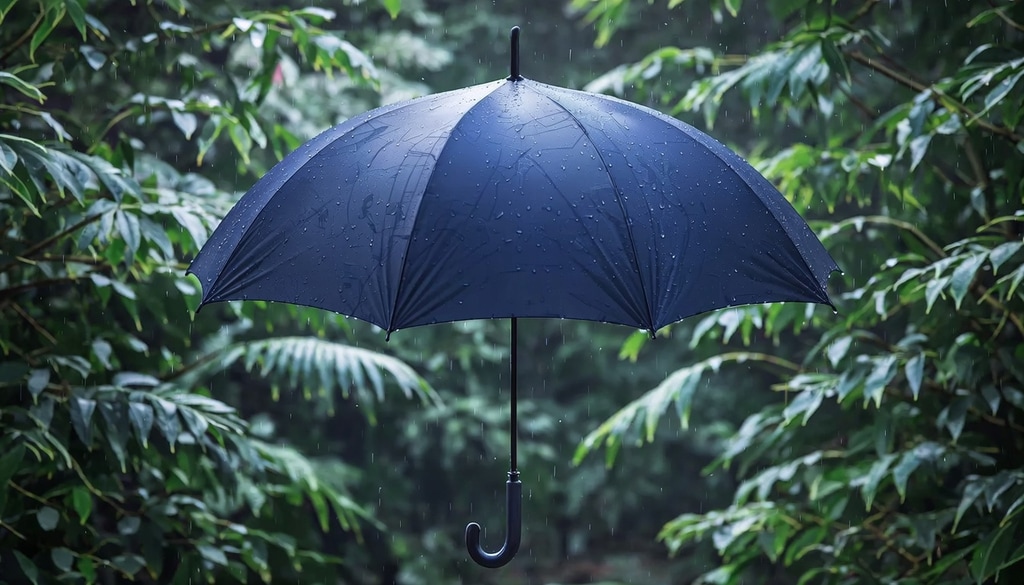
Stay dry in heavy downpours by choosing a durable, wind-resistant umbrella built for the monsoon.
Photo Credit: iStock
Some Umbrella Products You May Like
If you're looking for a reliable shield this season, here are some of the top-rated options currently available:
1. Destinio Umbrella for Women, Umbrella for Men
2. KENNETH COLE New York UV Protection Unisex Auto Open and Close Umbrella
3. PALAY® Umbrella for Rain Big Size with Reflective Strap
4. Giordano UV Protection Unisex Auto-Open Umbrella Use for Rain and Monsoon
5. Contacts Ring Buckle Umbrella 2025 – A Twofold Travel Umbrella
6. Venzina® UPF 50+ Sun Umbrella Pocket Sun Umbrella
7. Lifelong UV Umbrella with Novelty Carabiner Handle
8. TEKCOOL Umbrella, UV Big Size Umbrella for Sun Protection Rain Windproof
Frequently Asked Questions (FAQs)
1. Which umbrella type is best when the monsoon rains are heavy?
Usually, you're going to want an umbrella that says “windproof” and has a fibreglass frame. A double canopy setup is also really great, because the wind can move through the vent area instead of trying to lift the whole umbrella up out of your hands.
2. Are folding umbrellas actually good for monsoon weather?
Yes, folding umbrellas can be effective in monsoon weather, but that is only true if they are made with a more premium build. Try to find one with 8 to 12 ribs, since that extra rib count helps it stay steady. If it's a 6-rib folder, it usually ends up being too flimsy for heavy storms.
3. What canopy size should you pick?
For just one person, 42 inches in diameter is the usual standard. If you're frequently moving around with a child beside you, or you've got a large backpack, then go for a “golf” size umbrella, which is often 50+ inches.
4. How long should a good umbrella last?
If you buy a quality model and, as a result, let it dry completely before folding it away, it can easily last for 3 to 5 years.
5. Is an automatic umbrella worth buying?
Yes! The ability to deploy your umbrella in one second when you step out of a door is worth the extra cost, especially during unpredictable monsoon splashes.
(Disclaimer: This article may include references to or features of products and services made available through affiliate marketing campaigns. NDTV Convergence Limited (“NDTV”) strives to maintain editorial independence while participating in such campaigns. NDTV does not assume responsibility for the performance or claims of any featured products or services.)