Inside My Star Parivar: How I Keep My Teddy Bears And Soft Toys Clean Without Ruining Them
A practical, real-life guide to cleaning teddy bears and soft toys, remove dust, odours, and stains while keeping them soft, fluffy, and long-lasting.
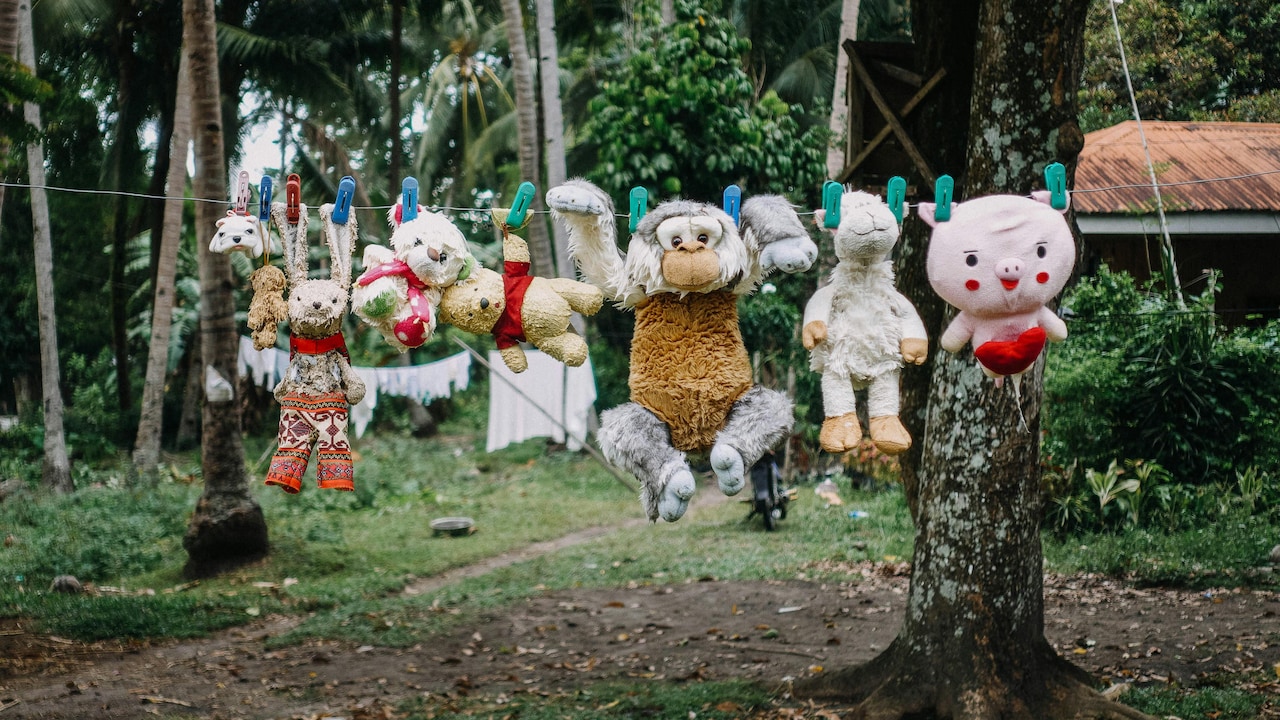
Dust your soft toys regularly to avoid frequent washing.
No matter how old we get, there is always that one corner in our home that quietly holds onto childhood. For me, it is the top shelf above my work desk, where my Star Parivar sits in all its slightly dusty glory. There is my three-feet teddy bear who behaves like the unofficial head of the family, a giant bulldog almost the size of my adult Labrador, a purple elephant that refuses to blend in, a duck who looks permanently dismayed, a tiny capybara who somehow feels wiser than all of us, a baby teddy who shadows the big one like a loyal best friend, a llama with a little attitude, and a daisy that honestly deserves more appreciation.
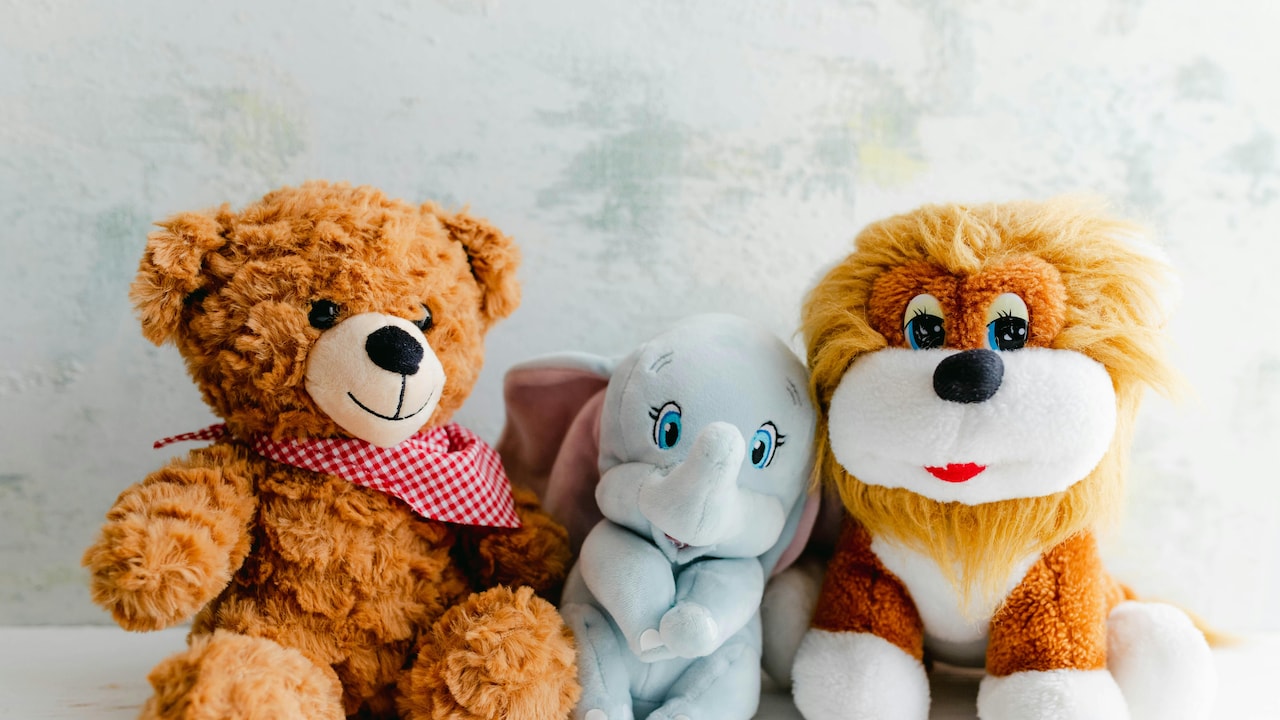
Spot clean small stains instead of soaking the entire toy.
Photo Credit: Pexels
They sit there, watching me type, edit, and overthink deadlines. But they are not just decorative. Every once in a while, I find myself reaching for them, on stressful days, during random breaks, or simply when I want a moment of comfort that doesn't involve a screen. And because life is not a Pinterest board, my Star Parivar doesn't exist in spotless conditions. There is dust. There is dog fur. There are, occasionally, traces of my dog's affection (read: saliva). And then, of course, there is more dust.
Also Read: From Rocket Launchers To Interactive Globes: 5 Toys That Are Low-Key Genius On Amazon
Now here's the dilemma: you cannot wash stuffed toys every time a little dust settles. Overwashing is the fastest way to ruin them. It makes the filling clump, the fabric go rough, and worse, leaves behind detergent residue that takes away their softness. So over time, I have built a system, a slightly obsessive, fairly practical, and very tested method of cleaning and maintaining soft toys without destroying them in the process.
Step 1: Know Your Toy Before You Panic Wash It
The first rule of washing soft toys is simple, not all toys want to be washed the same way. Some are machine-friendly, some are delicate, and some should never go near water unless absolutely necessary.
Before you do anything, check for:
- Care labels (if they still exist)
- Electronic parts (music boxes, batteries, etc.)
- Fabric type (plush, wool-blend, delicate stitching)
My purple elephant, for instance, is sturdy enough for gentle machine cycles, but the small teddy has seen better days and prefers a more hands-on approach.
Step 2: Dust First, Always
This is where most people go wrong. If you immediately jump to washing, you are essentially turning dust into mud.
For regular maintenance:
- Use a handheld vacuum with a soft brush attachment
- Or a lint roller (a lifesaver for dog fur)
- Or even a clean, dry cloth for a quick wipe
I usually do a quick dusting session once every week or two. It keeps things under control and reduces the need for frequent washing. Think of it as surface-level care, like brushing your hair instead of washing it every day.
Recommended Hand-Held Vaccum Cleaner: AGARO Regal 800 Watts Handheld Vacuum Cleaner
Step 3: Spot Cleaning Is Your Best Friend
Not every stain deserves a full wash.
If there's a small patch of dirt or a suspicious mark (thanks to my dog's enthusiasm), I go for spot cleaning:
- Mix a mild detergent or baby shampoo with water
- Dip a soft cloth or sponge into it
- Gently dab, don't scrub aggressively
- Follow up by wiping with a clean damp cloth
The key is patience. Rushing this process leads to soaking, and soaking leads to damage.
Recommended Shampoo For Soft Toy Cleaning: Johnson's Baby No More Tears Baby Shampoo
Step 4: Hand Washing (For Your Emotional Support Toys)
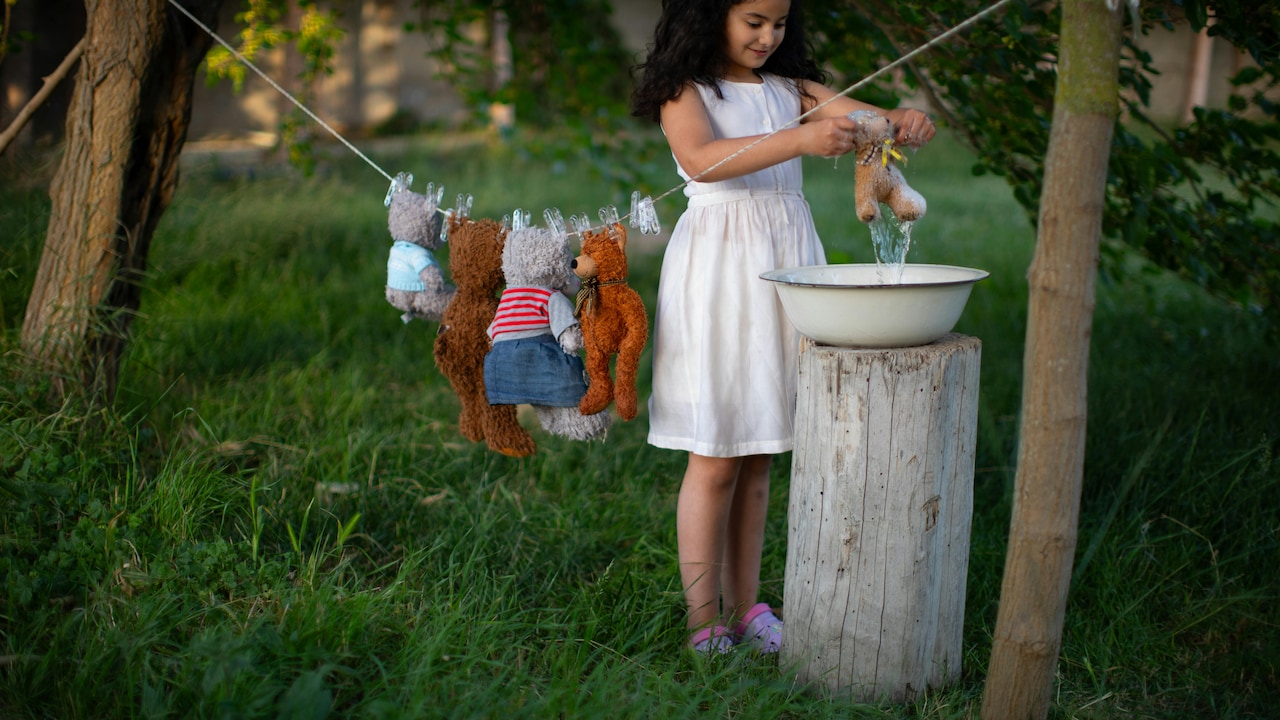
Always use mild detergent to protect fabric and texture.
Photo Credit: Pexels
For delicate toys, or the ones you are emotionally attached to, you want to take the gentlest route.
Here's how I usually do it:
- Fill a bucket or basin with lukewarm water
- Add a small amount of mild detergent
- Submerge the toy briefly and gently press it (do not twist or wring)
- Let it sit for a few minutes, but not too long
- Rinse thoroughly with clean water
One important thing I learnt the hard way, detergent residue is the enemy of softness. Rinse till the water runs completely clear, even if it feels excessive.
Recommended Gentle Detergent: Godrej Genteel Matic Liquid Detergent
Step 5: Machine Washing (Use With Caution)
For sturdier members of Star Parivar, the washing machine can work, if done right.
Checklist before tossing them in:
- Use a gentle or delicate cycle
- Place toys in a laundry bag or pillowcase
- Use cold water
- Minimal detergent
This is usually my go-to for the bulldog and the larger teddy, but I still don't do it often. Maybe once every couple of months, depending on how dusty things get.
Recommended Laundry Bag For Washing Machine: Zollyss Mesh Laundry Bag for Washing Machine
Step 6: Drying Is Where You Win or Lose Everything
Drying can either bring your toy back to life or completely ruin it.
What I always do:
- Gently press out excess water using a towel
- Never wring or twist
- Air dry in a well-ventilated space
- Donot hand and clip them, rather lay flat
Avoid direct harsh sunlight for too long as it can fade colours and damage fabric. Also, tumble drying is risky, it can distort shape and texture.
For fluff restoration, once they are partially dry, I gently shake and reshape them. It's a small step that makes a big difference.
Step 7: Dealing With Odours Without Washing
Sometimes, your toy doesn't look dirty, it just smells… off.
Instead of washing:
- Sprinkle a little baking soda
- Let it sit for a few hours
- Brush or vacuum it off
This works especially well for toys that don't need full cleaning but could use a refresh.
Recommended Baking Soda For Cleaning: Urban Platter Baking Soda
Step 8: Storage Is More Important Than You Think
If your soft toys are constantly exposed to dust, you'll keep repeating the same cleaning cycle.
A few habits that help:
- Keep them slightly covered if they're on open shelves
- Rotate which ones are displayed and which are stored
- Use clean storage boxes for extras
My Star Parivar still sits proudly on the shelf, but I've learnt to give them an occasional rearrangement and wipe-down session.
At the end of the day, soft toys are not just objects. They carry memories, moods, and comfort in ways that are oddly difficult to explain. You don't realise how much they matter until one of them starts looking a little too worn out.
Taking care of them is less about perfection and more about consistency. You don't need to wash them every week. You just need to treat them with a bit of care, just enough to keep them soft, clean, and familiar.
Because whether it's a three-feet teddy bear ruling the shelf or a small one quietly existing beside it, every member of your own Star Parivar deserves to stay just as comforting as the day you brought them home.
Frequently Asked Questions (FAQs)
1. How often should you wash teddy bears and soft toys?
Soft toys should ideally be washed once every 1-3 months depending on usage, while regular dusting or spot cleaning can be done weekly.
2. Can I put soft toys in the washing machine?
Yes, but only sturdy ones. Always use a gentle cycle, cold water, and place them inside a laundry bag to prevent damage.
3. How do you clean soft toys without washing them?
You can vacuum them, use a lint roller, or sprinkle baking soda to remove odours without soaking the fabric.
4. Which detergent is best for washing stuffed toys?
Mild detergents, baby shampoo, or gentle liquid cleansers are ideal as they do not damage fabric or cause stiffness.
5. How do you keep soft toys fluffy after washing?
Avoid wringing, air dry them properly, and reshape gently while drying to maintain their softness and structure.
(Disclaimer: This article may include references to or features of products and services made available through affiliate marketing campaigns. NDTV Convergence Limited (“NDTV”) strives to maintain editorial independence while participating in such campaigns. NDTV does not assume responsibility for the performance or claims of any featured products or services.)