Lunar Eclipse 2026: Tips On What To Avoid During That Time And What You Need To Watch The Moon Safely
Lunar Eclipse 2026 will light up the night sky with a stunning red Moon. Learn what to avoid, how to watch safely, and which tools can enhance your viewing experience.
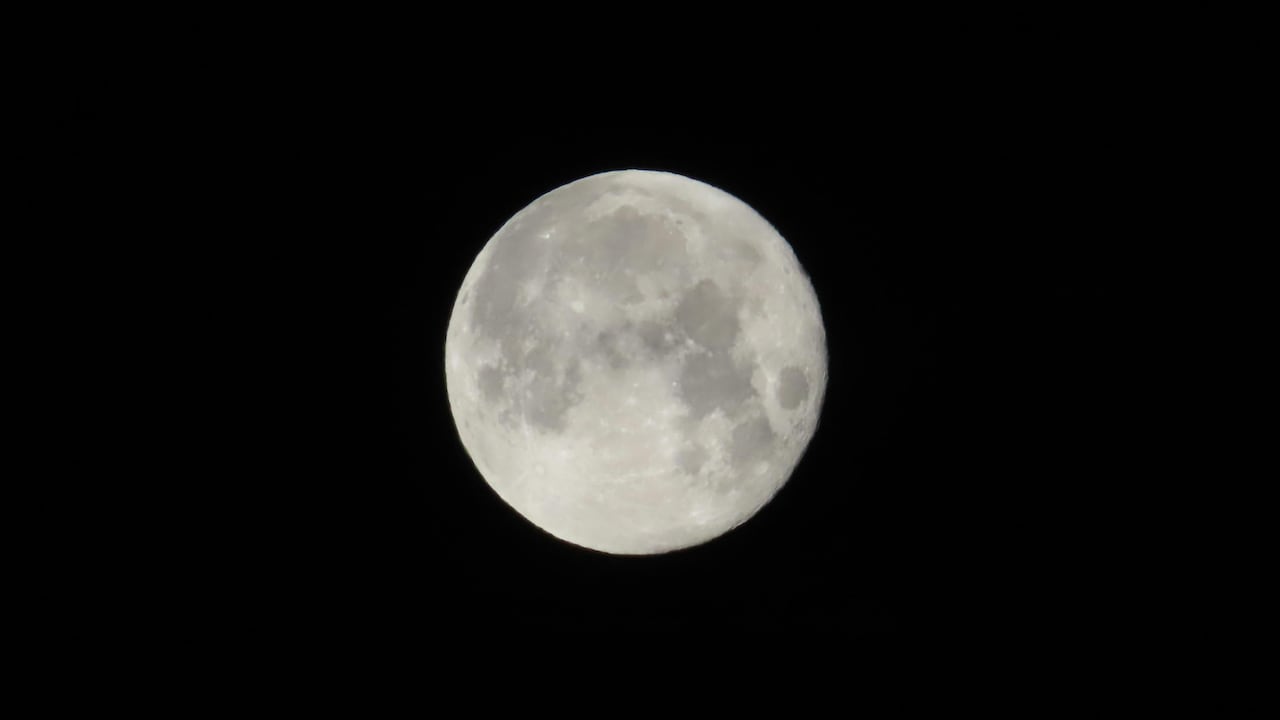
Lunar Eclipse date and time in India
The first time a lunar eclipse was seen clearly, the sky felt different. The evening started like any other day, but slowly the Moon began to lose its bright white glow. A strange calm spread across the terrace. Neighbours stepped out, children asked questions, and elders spoke about old beliefs. There was curiosity, a little fear, and a lot of excitement. That night stayed in memory because it showed how powerful and peaceful the sky can be at the same time. This year the Lunar Eclipse will happen on March 3, 2026, from 3:45 pm to 6:40 pm, and the moon will be fully visible in India at 6:26 pm, as per sources.
In 2026, the lunar eclipse will again bring that quiet thrill. It happens when the Earth comes between the Sun and the Moon, blocking sunlight from directly reaching the Moon. During a total lunar eclipse, the Moon may turn red due to Earth's shadow, often called a “Blood Moon.” It is a natural astronomical event and completely safe to watch with the naked eye. However, many cultural traditions suggest certain precautions during this time.
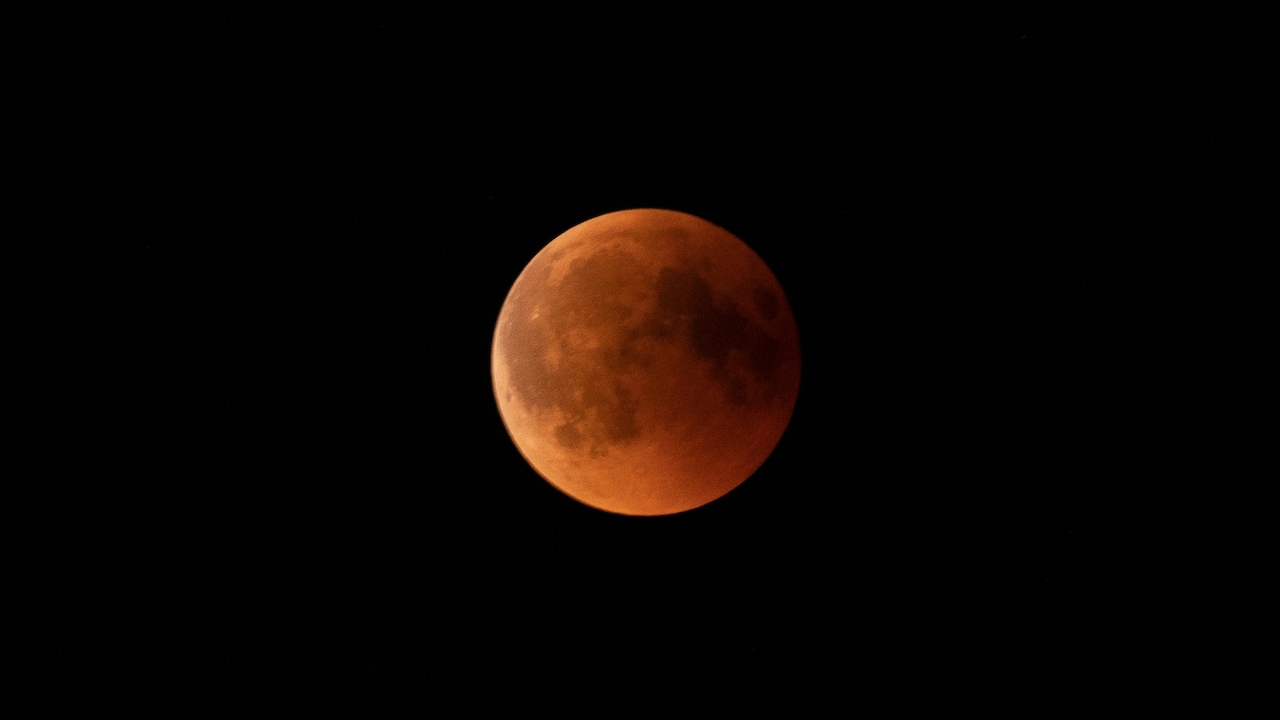
Lunar Eclipse date and time in India
Photo Credit: Pexels
What Is Happening During the Lunar Eclipse 2026?
In 2026, sky watchers across many parts of the world, including India, are expected to witness a major lunar eclipse. The event will occur when the Earth's shadow slowly covers the Moon. As the shadow deepens, the Moon may appear dark brown or reddish. Unlike a solar eclipse, no special eye protection is required. The event can last for several hours, moving through different stages penumbral, partial, and total eclipse. The total phase is when the Moon looks the most dramatic. Weather conditions will decide how clearly it can be seen in different regions.
Tips On What To Avoid During Lunar Eclipse
1. Avoid Spreading Misinformation
During every eclipse, many myths circulate. Some believe it brings bad luck or negative energy. It is important to rely on scientific information and avoid sharing unverified claims.
2. Avoid Looking for Solar Filters
A lunar eclipse does not need special eclipse glasses. Using solar filters meant for a solar eclipse is unnecessary. Watching it directly is safe.
Also Read: Best Mobile Phones For 2026: Top 10 Camera Phones
3. Avoid Unsafe Viewing Spots
Do not climb unstable rooftops or stand on unsafe surfaces. Choose a safe and open area with a clear sky view.
4. Avoid Using Poor Camera Settings
If capturing photos, avoid using maximum flash or unstable tripods. Keep the camera steady and use night mode for better clarity.
5. Avoid Panic Around Food Restrictions
Some traditions suggest avoiding cooking or eating during an eclipse. Scientifically, food remains safe. Follow personal beliefs if desired, but there is no scientific harm.
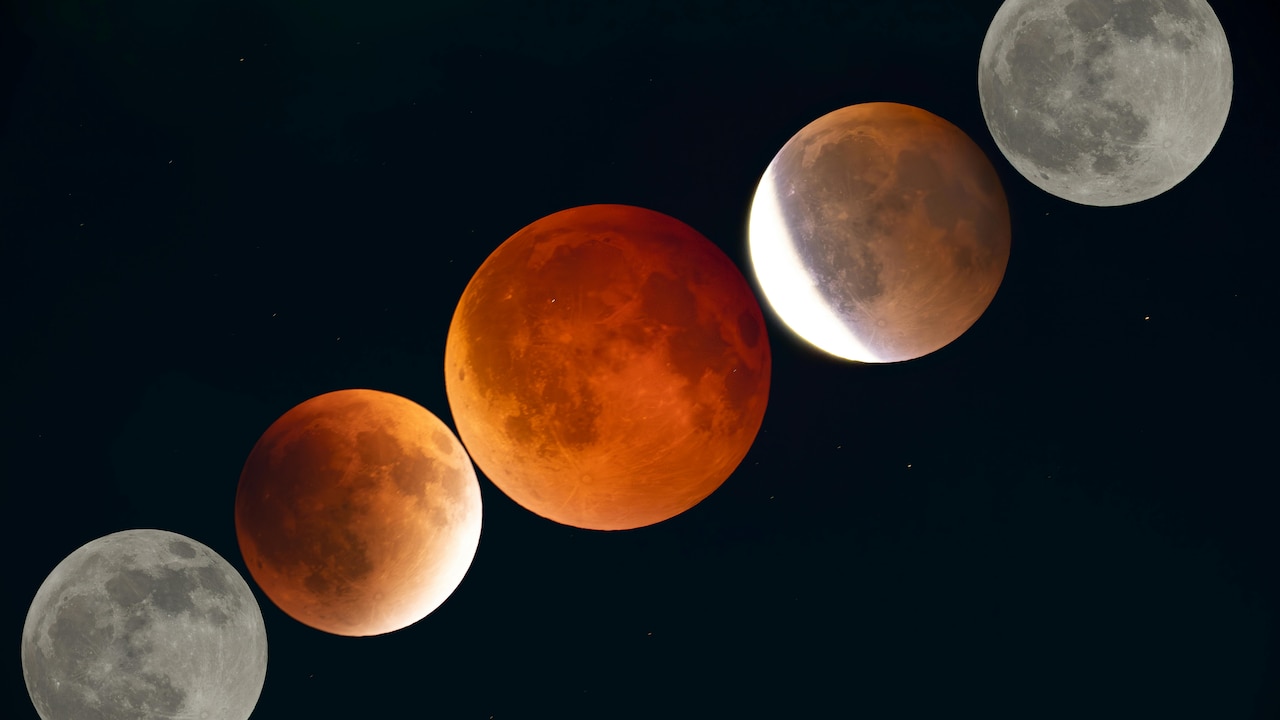
Lunar Eclipse date and time in India; Photo Credit: Pexels
What You Need To Watch The Moon Safely
1. Clear Sky View
An open terrace, balcony, or field with minimal light pollution gives the best experience.
2. Binoculars or Telescope (Optional)
Though not required, binoculars enhance details of the Moon's surface.
3. Comfortable Seating
Since the eclipse lasts long, keep a chair or mat ready.
4. Camera or Smartphone
Night mode or manual mode helps capture the changing colour of the Moon.
5. Weather Updates
Check local weather forecasts to ensure cloud-free skies.
Products Related To The Article
1. CASON (DEVICE OF C)-ED Glass- 15 X 52 Binoculars
2. Sky-Watcher Heritage 130P Telescope
3. Amazon Basics Tripod Stand
4. Canon EOS R100 24.1 MP Mirrorless Camera (Black)
5. REDMI Note 15 5G
The lunar eclipse 2026 is not just a sky event; it is a shared moment under the same Moon. It brings science and tradition together. While myths may continue, understanding the truth helps people enjoy the event without fear. Watching the Moon slowly change colour is calm and powerful at the same time. With safe viewing practices and the right tools, this celestial event can become a memory that lasts for years. So why wait? Grab these deals from Amazon
Frequently Asked Questions (FAQs)
1. Is it safe to watch a lunar eclipse with naked eyes?
Yes, it is completely safe.
2. Do I need special glasses for a lunar eclipse?
No, special eclipse glasses are not required.
3. Why does the Moon turn red during a lunar eclipse?
Earth's atmosphere scatters sunlight and bends red light toward the Moon.
4. Can pregnant women watch a lunar eclipse?
Yes, there is no scientific restriction.
5. How long does a lunar eclipse last?
It can last for a few hours depending on the phase.
(Disclaimer: This article may include references to or features of products and services made available through affiliate marketing campaigns. NDTV Convergence Limited (“NDTV”) strives to maintain editorial independence while participating in such campaigns. NDTV does not assume responsibility for the performance or claims of any featured products or services.)