Trekking Checklist: 5 Must Carry Items You Can't Afford To Miss
Planning a trek soon? Do not step out without these five must-carry essentials. From navigation to safety and comfort, this checklist ensures you stay prepared for every situation on the trail.
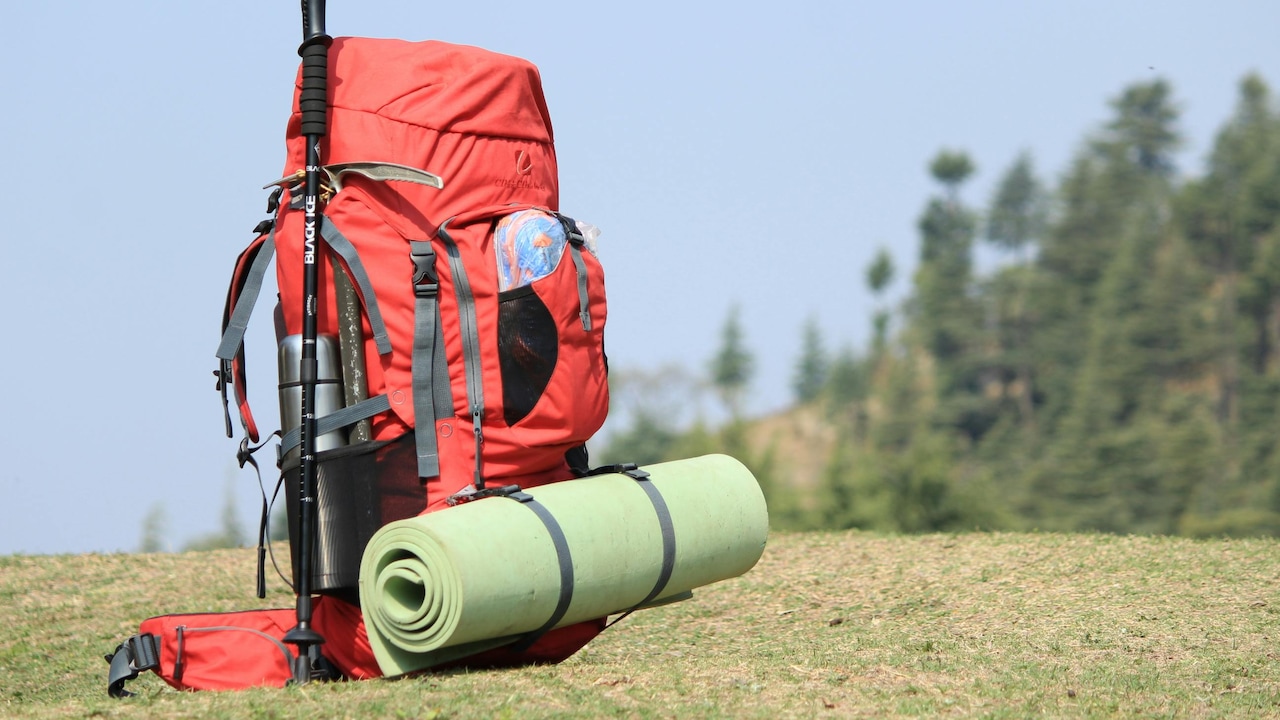
Which trekking essentials do you need to pack in your bag?
The mountain trail looked simple on the map, but real life felt very different. I still remember tying my shoes with excitement, thinking trekking was just about walking and enjoying views. A few hours later, the weather changed, the path became rough, and small challenges started appearing one by one. That day taught a big lesson: a good trek is not only about energy and enthusiasm, it is about being prepared. The right items in your backpack can turn a tough situation into a manageable one and keep the adventure safe and fun. Trekking is more than a hobby; it is an event that brings people close to nature. Across the world, trekking trips are organized throughout the year, from weekend nature walks to long mountain expeditions. These events test stamina, patience, and planning skills. Whether it is a school trek, a friends' getaway, or a solo journey, every trekker needs a basic survival kit. Carrying the correct essentials ensures comfort, safety, and confidence on unknown trails.
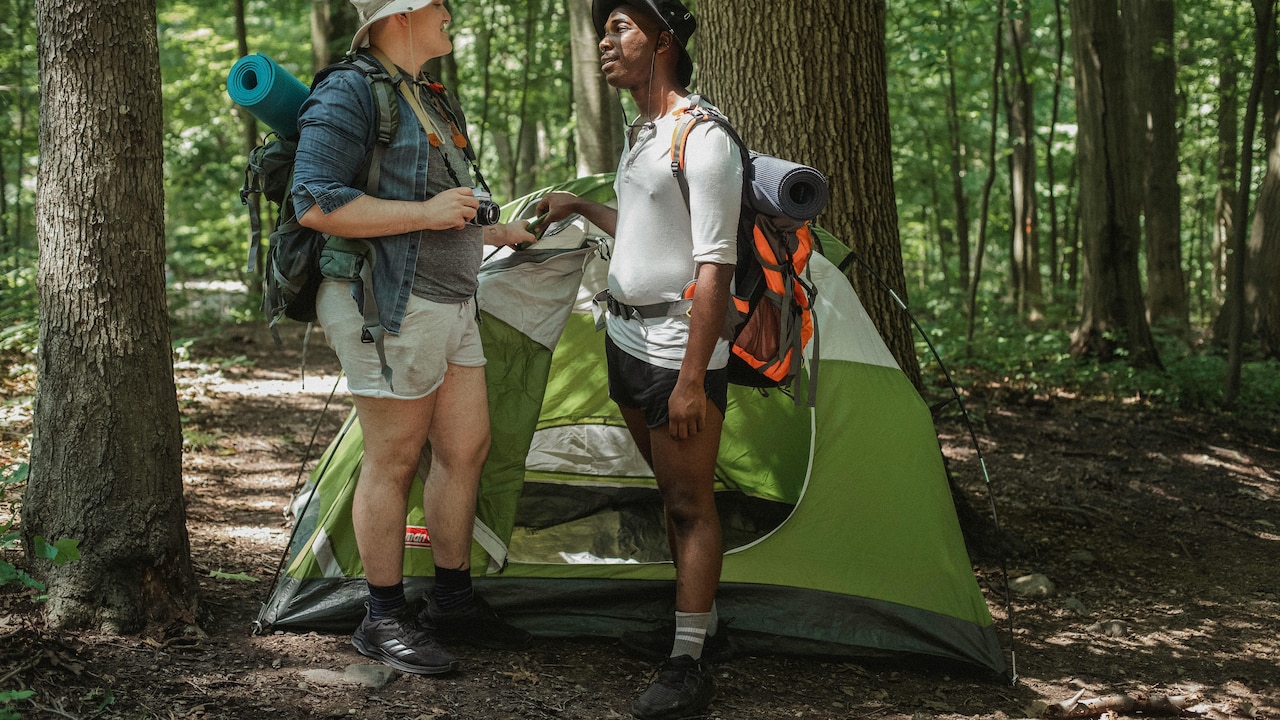
Which trekking essentials do you need to pack in your bag?; Photo Credit: Pexels
Many outdoor clubs and travel groups now conduct regular trekking events for beginners and experts. These events often include guided walks through forests, hills, and wildlife areas. Participants learn about route planning, safety rules, and eco-friendly trekking habits. Such events remind everyone that nature must be respected and that preparation is the key to enjoying any adventure. A well-packed bag is considered as important as physical fitness during these trekking programs.
Also Read: 5 Things You Should Not Miss To Pack For Trekking
| Product Name | Primary Purpose | Key Benefit | Ideal Use | Why It Is Important |
|---|---|---|---|---|
| Compass | To find direction and navigate routes | Helps you stay on the right path | Useful on unknown trails and forests | Prevents getting lost when there is no signal or map |
| Flashlight | To provide light in dark areas | Gives clear visibility at night | Night trekking and emergencies | Keeps you safe after sunset or in low-light conditions |
| First Aid Kit | To treat minor injuries | Offers quick medical help | Cuts, blisters, headaches, small accidents | Ensures safety and health during unexpected situations |
| Blanket | To keep the body warm | Protects from cold weather | Rest breaks and overnight stays | Helps maintain body temperature in changing climates |
| Water Bottle | To store drinking water | Keeps you hydrated on long treks | Long walks and hot weather | Prevents dehydration and keeps energy levels high |
Top 5 Things You Can't Afford To Miss While Going For Trekking
1. Compass
A compass is a small but powerful navigation tool that helps trekkers find the right direction. It does not need batteries or internet and works in any weather. When trails are confusing or signboards are missing, a compass becomes a reliable guide. It is easy to carry and fits in any pocket.
2. Flashlight
A flashlight is an essential safety item for every trek. Forest paths and campsites become very dark after sunset. A strong flashlight helps in walking safely, finding lost items, and signaling for help. It is useful during sudden weather changes or unexpected delays.
3. First Aid Kit
A first aid kit is a must-carry item on any trek. Small injuries like cuts, blisters, or headaches are common while walking on rough terrain. Having basic medicines and bandages helps in quick treatment and prevents problems from getting serious.
4. Blanket
Weather in hilly areas can change suddenly, and temperatures may drop without warning. A light blanket keeps the body warm and comfortable during rest breaks or overnight stays. It can also be used to sit on wet ground or as an emergency cover.
5. Water Bottle
A water bottle is the most important item for any trekker. Long walks cause dehydration, and clean drinking water keeps the body active and energetic. Carrying a reusable bottle also reduces plastic waste and supports eco-friendly trekking.
Trekking becomes enjoyable only when safety and preparation walk along with excitement. Beautiful views and fresh air feel even better when there is no fear of getting lost, thirsty, or unprepared. These five simple items a compass, flashlight, first aid kit, blanket, and water bottle may look basic, but they play a huge role in making every trek smooth and stress-free. Packing smart is the first step toward a successful adventure. Try to grab these deals from Amazon before going on the next trek
Frequently Asked Questions (FAQs)
1. Why is a compass important for trekking?
A compass helps you find the right direction when there are no signboards or network signals.
2. Can I use my phone flashlight instead of a regular flashlight?
Phones can be used, but a separate flashlight is more reliable and saves phone battery.
3. What should a trekking first aid kit contain?
It should include bandages, antiseptic cream, pain relievers, cotton, and basic medicines.
4. Is a blanket necessary for day treks?
Yes, because weather can change suddenly and temperatures may drop.
5. How much water should I carry on a trek?
At least 1 to 2 liters, depending on trek length and weather conditions.
(Disclaimer: This article may include references to or features of products and services made available through affiliate marketing campaigns. NDTV Convergence Limited (“NDTV”) strives to maintain editorial independence while participating in such campaigns. NDTV does not assume responsibility for the performance or claims of any featured products or services.)