Does A Loose Gasket Always Mean It Needs Replacing? 10 Pressure Cooker Myths Explained
A loose gasket doesn’t always spell the end for your pressure cooker. From steam leaks and whistles to water levels and high heat, these 10 common pressure-cooker myths explain what really matters for safer, smoother cooking.
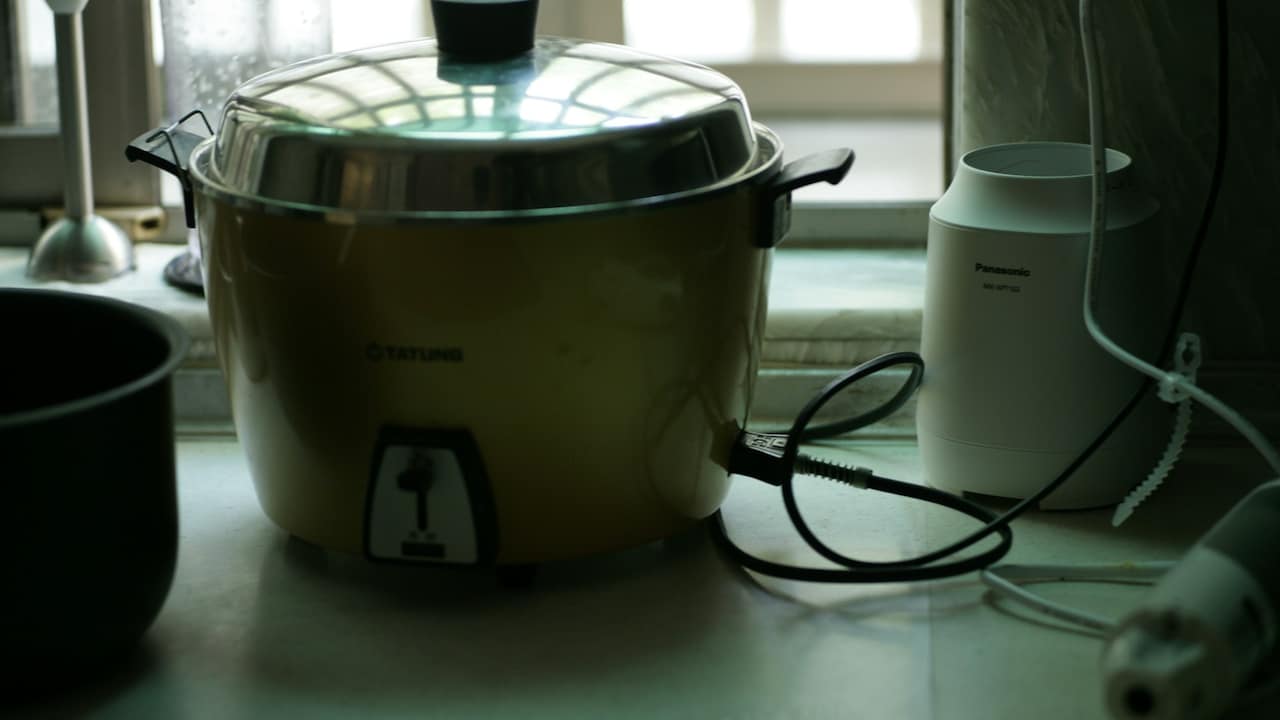
Explore common myths related to pressure cookers
Few kitchen sounds command attention quite like a pressure cooker announcing itself from the stove. One minute, dal is quietly bubbling inside. The next, there's a hiss, a whistle and somebody calling from another room to ask whether the flame needs lowering. Pressure cookers have been kitchen regulars for generations, yet plenty of uncertainty still surrounds them. A gasket feels slightly loose, so we assume it needs replacing. Steam escapes near the lid, and suddenly the cooker appears ready for retirement. Three whistles become a precise unit of cooking time, regardless of what's inside.
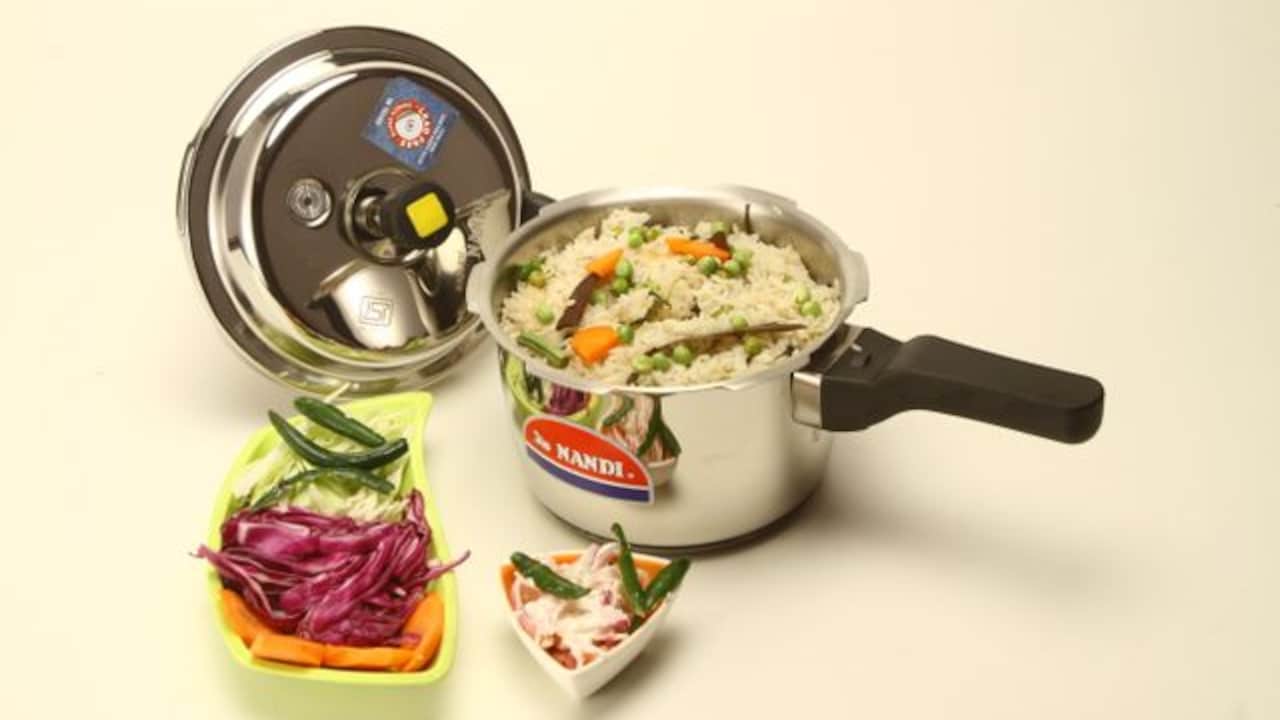
Common myths to avoid when using a pressure cooker
Photo Credit: Pexels
The trouble is that pressure cookers don't work according to many of the shortcuts we've picked up over the years. Different designs regulate pressure differently, while worn parts, blocked vents, incorrect filling and unsuitable heat settings can all change how a cooker behaves.
Also Read: Explore Modern Style Outer Lid Pressure Cookers In 1L, 3L, 5L, And More For Versatile Cooking
Understanding what's normal and what deserves attention makes everyday cooking considerably less stressful. So, before ordering another gasket or turning the burner up in frustration, it helps to separate familiar kitchen wisdom from how pressure cookers actually work.
10 Pressure Cooker Myths That Can Make Everyday Cooking More Confusing
1. Myth: A Loose Gasket Always Needs Replacing
Finding that the rubber gasket no longer hugs the lid tightly can make replacement seem inevitable. But a gasket doesn't necessarily need to cling firmly to the lid when the cooker sits open.
Many pressure-cooker gaskets rely on heat and internal pressure to create an effective seal during cooking. Their fit when cold can therefore feel surprisingly relaxed. What matters more is what happens once pressure begins building.
First, remove the gasket and clean both it and the groove where it sits. Oil, starch, dried dal or tiny food particles can stop an otherwise healthy gasket from sealing evenly. Check whether the ring sits properly without twisting.
Age and condition matter too. A gasket that has hardened, cracked, stretched excessively, developed cuts or permanently changed shape deserves replacement. Persistent steam leaking around the rim after proper cleaning and positioning can also point towards deterioration.
So, judge the gasket by its condition and sealing performance rather than looseness alone. And when replacement becomes necessary, choose the type and size specified for that particular cooker instead of relying on a nearly matching ring.
2. Myth: Steam Escaping Around The Lid Means The Cooker Is Dangerous
A thin puff of steam appearing around the lid during the first few minutes can look alarming. Sometimes, however, the explanation is fairly ordinary.
As the cooker heats, expanding steam begins pushing air from inside the vessel. Before full pressure develops, a small amount can occasionally escape while the gasket settles into position. Once the seal forms correctly, that leakage should stop.
Continuous steam is another matter.
Food trapped around the lid, an incorrectly positioned gasket, a worn sealing ring or a lid that hasn't locked correctly can prevent a proper seal. Switching off the heat and allowing the cooker to cool fully gives you a chance to inspect these areas safely.
Don't try to force, press or reposition a hot pressurised lid.
The location also matters. Steam leaving through the cooker's intended pressure-regulating system forms part of normal operation. Steam persistently shooting from an unexpected point deserves investigation.
Rather than treating every hiss as an emergency, learn the normal steam path for your cooker. Unexpected leakage that continues once pressure should have stabilised needs attention; a brief puff during heating doesn't automatically signal disaster.
3. Myth: More Whistles Always Mean Softer Food
Pressure-cooker recipes often use whistles as though they were minutes on a stopwatch: three whistles for dal, four for potatoes, perhaps six for something stubborn.
Unfortunately, whistles aren't a universal measurement.
Burner size, cooker capacity, food quantity, starting temperature, altitude and pressure-regulator design can all influence how quickly pressure builds and how frequently a cooker releases steam. Three whistles on one stove may represent a noticeably different cooking period from three on another.
Continuing to cook simply because food needs to become “extra soft” can also work against you. Rice can turn gluey, vegetables can collapse and dal may foam excessively.
A better approach starts with the cooking guidance for your particular cooker and recipe. Once full operating pressure develops, control the heat so the cooker maintains pressure without releasing excessive steam.
Experience still matters, of course. Most households eventually learn exactly how their familiar cooker behaves on a familiar burner. The useful lesson isn't that whistles mean nothing. It's that they work best as a rough household reference, not a universal scientific unit.
4. Myth: High Heat Makes A Pressure Cooker Cook Food Much Faster
The highest flame looks like the obvious shortcut when dinner is running late. After all, more heat should mean faster cooking.
That logic works mainly while the cooker is coming up to pressure.
Once operating pressure develops, increasing the flame doesn't keep raising the cooking temperature indefinitely in a properly functioning cooker. The pressure-regulating system starts controlling excess pressure, often by releasing more steam.
At that stage, an unnecessarily strong flame mainly wastes fuel and liquid. Food at the bottom may also scorch, particularly with thick gravies, dals and dishes containing relatively little free water.
Start with enough heat to bring the cooker up to pressure efficiently. Then reduce it according to the appliance instructions so the cooker maintains steady pressure.
Think of it a little like accelerating hard towards a red traffic light. You may reach the stopping point sooner, but pressing the accelerator once you're already there doesn't achieve much.
A controlled flame usually produces more predictable results while reducing excessive steam loss. Faster isn't always hotter. With pressure cooking, reaching and maintaining the correct pressure matters far more than keeping the burner roaring throughout dinner.
5. Myth: A Pressure Cooker Needs Plenty Of Extra Water To Stay Safe
Generous water can feel reassuring. Surely a cooker containing lots of liquid has less chance of drying out?
The problem is that pressure cookers depend on the right amount of liquid, not simply the largest amount that fits.
Steam creates the pressure that cooks food, so every pressure cooker needs sufficient liquid for its cooking time and design. Too little can cause scorching or leave the appliance unable to maintain pressure.
Too much creates another set of problems. Excess liquid leaves less space for steam, increases the chance of food reaching the vent and can turn carefully measured dishes watery.
Foods that expand or foam need particular caution. Rice, pulses and similar ingredients require enough empty space inside the cooker to expand without interfering with the pressure-control system.
That's why maximum-fill markings matter. They aren't decorative suggestions.
Recipes also need some adjustment when switching between cooking methods. Water that would evaporate from an open saucepan largely remains trapped inside a pressure cooker.
The sweet spot lies between “barely any” and “fill it generously”. Follow your cooker's minimum-liquid requirements, respect its filling limits and account for how much liquid the food itself will release.

Not every pressure cooker needs a large quantity of water to cook food perfectly; Photo Credit: Pexels
6. Myth: Filling The Cooker Almost To The Top Saves Time
Batch cooking encourages a tempting bit of kitchen mathematics: if the cooker is already coming out, why not fill every available centimetre?
Because that empty space performs an important job.
Pressure cookers need room for steam to develop and circulate. Crowding the vessel can interfere with that process. Worse, expanding or frothy foods may rise towards the steam vent and pressure regulator.
Pulses provide the classic example. A seemingly sensible quantity of dry rajma, chana or dal can expand considerably as it absorbs water. Foam and loose food particles can travel upwards too.
A cooker filled beyond its recommended capacity may consequently take longer to behave normally rather than saving time.
Check the maximum-fill mark and the manufacturer's instructions for foods that expand or foam. Many cookers require a lower filling limit for these ingredients than for less troublesome foods.
Splitting an oversized batch into two cooking rounds may feel inefficient, but it gives the contents room to behave predictably.
Pressure cooking works beautifully because a relatively small sealed space controls heat, liquid and steam. Treating every last centimetre as usable storage defeats that design surprisingly quickly.
7. Myth: If The Cooker Is Not Whistling, It Is Not Building Pressure
The whistle has become so closely associated with pressure cooking that silence can feel suspicious. Yet not every pressure cooker communicates through dramatic bursts of steam.
Different cookers regulate pressure in different ways. Some traditional stovetop models release steam intermittently through a weighted regulator. Others use spring valves, indicators or quieter pressure-control systems.
Even two cookers that look similar may behave differently.
What matters is whether the cooker reaches and maintains its intended operating pressure according to its own indicators. Depending on the design, that might involve a pressure pin rising, a valve reaching a particular position or another visible signal.
A cooker that normally whistles but suddenly stays silent does deserve checking. The vent may need cleaning, the cooker may not contain enough liquid, steam could be leaking elsewhere or pressure may simply not have developed yet.
Don't poke a vent or remove a regulator while the cooker remains pressurised.
Familiarity with the appliance makes a huge difference here. Instead of waiting for the sound associated with someone else's cooker, learn what your particular model looks and sounds like when it reaches pressure. Silence itself doesn't prove that nothing is happening inside.
8. Myth: A Blocked Pressure Valve Will Always Be Obvious
A completely blocked vent sounds like something nobody could miss. In reality, partial obstruction can start much more quietly.
Foam, starch, spices and tiny fragments of food can reach steam passages during cooking, particularly when the cooker gets overfilled. Residue may dry inside a vent and gradually restrict the passage.
That's why cleaning the vent and pressure-regulating components deserves more attention than a quick wipe across the lid.
After the cooker has cooled completely and holds no pressure, inspect and clean these components exactly as the manufacturer recommends. Some designs allow particular removable parts to be washed or checked for free movement. Others require different maintenance, so improvising with pins, wires or tools can damage precisely calibrated openings.
Never attempt to clear a blockage while the cooker remains hot or pressurised.
Safety systems on modern pressure cookers provide additional protection, but they shouldn't replace routine maintenance.
A clean valve doesn't just concern safety either. It helps the cooker regulate pressure consistently, which means your familiar dal or pulao is more likely to cook the way you expect.
The less glamorous parts of the lid often deserve the most attention.
9. Myth: You Can Open The Lid As Soon As The Steam Stops Making Noise
Silence can be deceptive.
A pressure cooker that has stopped hissing may still contain pressure. Steam release can slow or disappear before the pressure inside reaches a safe level for opening.
Never use force as the test.
The correct opening method depends on the cooker and the food. Some recipes suit natural pressure release, where the cooker gradually cools on its own. Others may allow an approved quick-release method. Certain traditional techniques may also differ according to the manufacturer's instructions.
What doesn't change is the basic rule: confirm that pressure has fully released before attempting to open the lid.
Pressure indicators should return to their unpressurised position where applicable. Any remaining resistance from a locking mechanism deserves respect rather than determination.
Quick release also isn't ideal for every dish. Foamy foods and very full cookers can push hot liquid towards the vent when pressure drops rapidly.
Dinner surviving another few minutes inside the cooker causes far less inconvenience than rushing the lid. Treat depressurisation as part of the cooking process rather than the frustrating gap between cooking and eating.
10. Myth: If A Pressure Cooker Still Works, It Does Not Need Maintenance
Pressure cookers can last for years, which makes them easy to take for granted. The lid closes, pressure develops and dinner arrives. What else needs checking?
Quite a lot, eventually.
Gaskets gradually harden and stretch. Handles can loosen. Valves collect residue. Sealing surfaces accumulate grease. Safety components may need inspection or replacement according to the manufacturer's schedule.
None of this means dismantling the cooker after every meal. Regular cleaning and occasional inspection can catch small problems before they begin affecting performance.
Pay attention when behaviour changes. Perhaps pressure takes noticeably longer to build. Maybe steam starts escaping somewhere unfamiliar. The gasket repeatedly slips from its groove, the handle develops movement or a pressure indicator no longer behaves normally.
Those changes tell you more than the cooker's age alone.
Replacement parts also deserve care. A gasket or valve that “almost fits” isn't a sensible substitute for a component designed for that model.
A pressure cooker shouldn't become frightening simply because it requires maintenance. Treat it like any hardworking kitchen appliance: keep it clean, replace worn components when necessary and investigate unusual behaviour instead of accepting it as a new personality trait.
Products Related To This Article
1. Stahl Xpress Triply 2.5 Liters Broad & 3 Liters Tall Pressure Cooker Combo
2. SOLARA Triply Stainless Steel Pressure Cooker
3. Prestige 3Litre Stainless Steel Flip On Pressure Cooker
4. Butterfly Trion Triply 5L Pressure Cooker
5. Pigeon by Stovekraft Hard Anodised Aluminium Inner Lid Cooker
6. Bergner Argent Classic Triply Stainless Steel 1 Liter Outer Lid Pressure Cooker
7. Hawkins 3 Litre Contura Black Pressure Cooker,
Pressure cookers become much easier to understand once we stop treating every whistle, hiss and loose gasket as a mysterious kitchen omen. A little steam may be normal, a loose gasket may still work perfectly and more heat doesn't automatically mean faster food.
The useful habit is simple: learn how your particular cooker regulates pressure, respect its filling and liquid requirements, keep its steam pathways clean and notice when familiar behaviour changes. Good pressure cooking relies less on kitchen folklore and more on understanding what the cooker is actually telling you.
(Disclaimer: This article may include references to or features of products and services made available through affiliate marketing campaigns. NDTV Convergence Limited (“NDTV”) strives to maintain editorial independence while participating in such campaigns. NDTV does not assume responsibility for the performance or claims of any featured products or services.)