Adhesive Hooks vs Screws: What Actually Holds Weight Better On Walls?
Adhesive hooks offer convenience, while drilling delivers strength. But which one is safer for holding weight? This guide compares both to help choose the right option for every wall.
Adhesive Hooks vs Drilling: Which One Actually Holds Weight Safely?
A familiar scene unfolds in countless homes. A freshly painted wall gleams, a new calendar waits to be hung, or perhaps a heavy mirror sits awkwardly against a wall. The question quietly creeps in, should a drill be picked up, or will a simple adhesive hook do the job?
Modern living has made convenience a priority. No one enjoys the mess of drilling, the noise, or the commitment of permanent holes. Adhesive hooks step in as a neat, quick fix. Yet, the moment something crashes to the floor at 2 a.m., confidence in those sticky solutions vanishes.
Adhesive Hooks vs Drilling: Which One Actually Holds Weight Safely?
Photo Credit: Pexels
On the other hand, drilling feels reliable but slightly intimidating. It demands tools, effort, and sometimes permission from landlords who seem to guard walls like priceless art. Choosing between the two is not just about preference. It is about safety, durability, and understanding what each method truly offers.
This article explores both options in detail, breaking down their strengths, weaknesses, and real-world performance. The goal remains simple: to help make walls functional without turning them into a source of regret.
Breaking Down Adhesive Hooks And Drilling Methods
Understanding How Adhesive Hooks Work
Adhesive hooks rely on a simple principle, surface bonding. A sticky backing attaches itself to the wall, forming a temporary hold strong enough for lightweight objects. At first glance, it feels almost magical. Press, wait, and hang. No noise, no dust, no drama.
However, the strength of adhesive hooks depends heavily on conditions. Smooth surfaces such as tiles, glass, or polished wood tend to provide the best grip. Painted walls can be tricky, especially if the paint quality is poor or slightly dusty.
Temperature and humidity also play a silent role. During humid monsoon months, adhesive strength often weakens. A hook that confidently held keys in winter may suddenly give up under the weight of a damp towel in July.
The packaging usually promises impressive weight limits. Yet, these numbers often assume ideal conditions. Real homes rarely offer perfect surfaces. Dust, uneven paint, or even minor wall imperfections can reduce holding capacity.
Adhesive hooks work brilliantly for light items, but trusting them blindly with heavier objects can lead to unexpected mishaps.
The Science Behind Drilling
Drilling, though old-fashioned, operates on a more reliable mechanism. It creates a physical anchor inside the wall, usually supported by screws and wall plugs. This method distributes weight across the structure of the wall itself.
Unlike adhesive hooks, drilling does not depend on surface conditions alone. Even slightly rough or uneven walls can support drilled fixtures effectively. Once installed correctly, the fixture becomes part of the wall rather than sitting on top of it.
This approach offers confidence. A well-installed screw can hold shelves, mirrors, or even wall-mounted televisions without hesitation. The strength comes from depth and grip rather than surface adhesion.
Of course, drilling demands effort. Tools must be handled carefully, and mistakes can damage walls. However, the payoff often justifies the process. A properly drilled fixture rarely fails without warning.
In terms of raw strength and stability, drilling continues to outperform adhesive solutions by a significant margin.
Weight Capacity: Promise vs Reality
Packaging often creates a rosy picture. Adhesive hooks claim to hold anywhere between 2 kg to 10 kg, depending on the brand. Yet, real-life performance tells a slightly different story.
Light objects such as keys, small frames, or kitchen towels usually stay secure. Problems arise when heavier items enter the picture. A decorative wall clock, for instance, might seem harmless but can exceed the safe limit, especially over time.
Drilled fixtures, in contrast, offer predictable performance. A properly installed screw can easily support weights far beyond what adhesive hooks claim. Even a basic wall plug can handle substantial loads when used correctly.
Cost also plays a role. Adhesive hooks may cost ₹150–₹400 for a pack, while drilling tools and hardware might require an upfront investment of ₹1,500–₹3,000. However, the long-term reliability often balances that cost.
In simple terms, adhesive hooks suit temporary and lightweight needs. Drilling becomes essential when weight and safety take priority.
Surface Matters More Than You Think
Walls may look similar, but they behave very differently. Adhesive hooks perform best on smooth, non-porous surfaces. Tiles in bathrooms or glossy kitchen backsplashes provide an ideal base.
Painted walls introduce uncertainty. A hook sticks not just to the wall but to the paint layer. If the paint peels, the hook goes down with it. Freshly painted walls often worsen the issue, as the paint may not have fully cured.
Rough surfaces such as plaster or textured finishes rarely cooperate with adhesives. Even high-quality hooks struggle to maintain a strong bond in such conditions.
Drilling, however, adapts to various surfaces. Concrete, brick, or even gypsum walls can handle drilled fixtures with the right tools and plugs.
Understanding the wall type before choosing a method can prevent unnecessary frustration. A simple misjudgement can turn a neat solution into a recurring problem.
Longevity and Durability
Adhesive hooks often shine in the short term. They work immediately, look clean, and leave no marks, at least initially. Over time, though, their reliability fades.
Exposure to heat, moisture, and dust gradually weakens the adhesive. A hook that held firm for weeks may suddenly fail without warning. This unpredictability can be frustrating, especially when valuable items are involved.
Drilled fixtures tell a different story. Once installed, they tend to remain stable for years. They rarely loosen unless subjected to excessive weight or improper installation.
Maintenance also differs. Adhesive hooks often require replacement, adding recurring costs. Drilled fixtures demand minimal attention once in place.
For long-term use, drilling clearly offers better durability. Adhesive hooks suit temporary arrangements but struggle to match the lifespan of traditional methods.
Convenience vs Commitment
Adhesive hooks win the convenience battle effortlessly. No tools, no mess, and no noise. A hook can be installed within seconds, making it ideal for quick fixes or last-minute adjustments.
This convenience appeals strongly in rented homes. No one wants to risk losing a deposit over a few holes in the wall. Adhesive hooks provide a non-invasive solution that keeps walls intact.
Drilling, on the other hand, requires commitment. Once a hole is made, it stays. Repairs are possible but rarely perfect. This permanence makes people hesitant.
Yet, this very commitment brings stability. Drilling ensures that fixtures remain secure, even under pressure. It is a trade-off between ease and reliability.
Choosing between the two often depends on how permanent the setup needs to be.
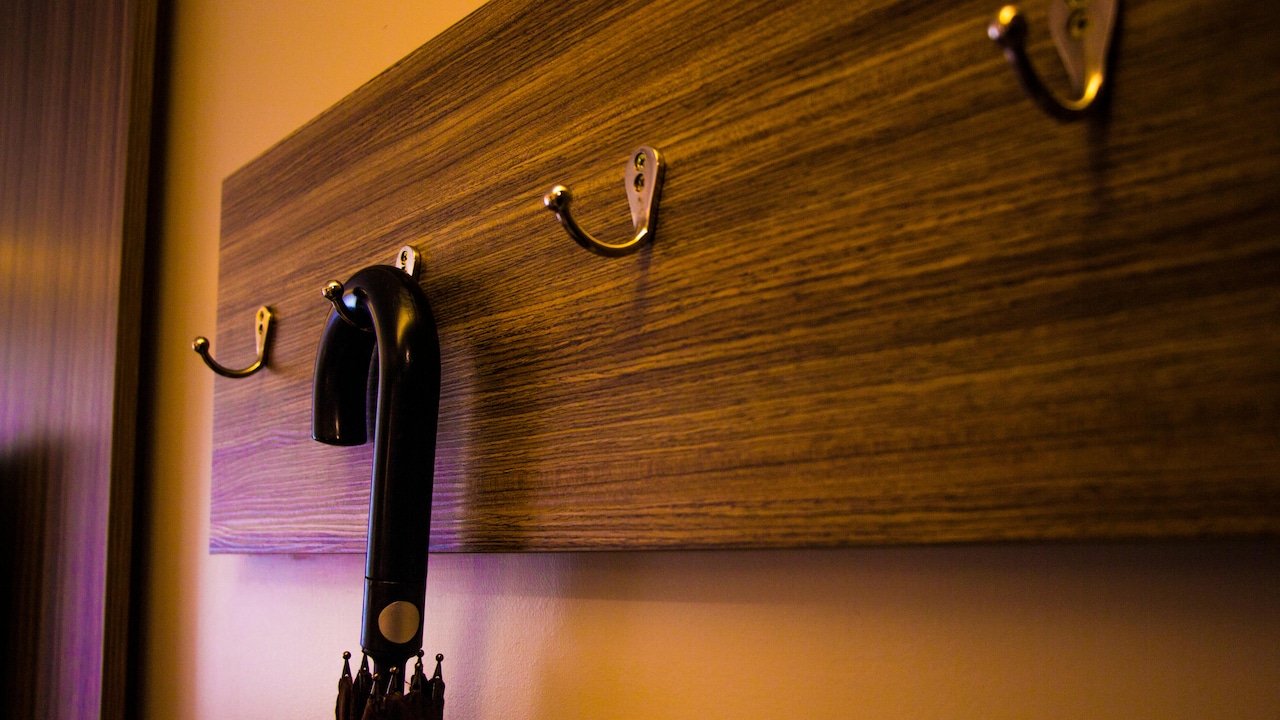
Adhesive Hooks vs Drilling: Which One Actually Holds Weight Safely?
Safety Concerns You Should Not Ignore
A falling object can cause more than inconvenience. It can lead to broken items or even injuries. Adhesive hooks, when overloaded or poorly installed, pose a higher risk of sudden failure.
The danger lies in unpredictability. There is rarely a warning before an adhesive hook gives way. One moment, everything seems fine; the next, there is a loud crash.
Drilled fixtures, in contrast, offer gradual signs of failure. A loose screw or slight wobble often signals the need for adjustment. This gives time to act before any damage occurs.
For items placed above head level, such as shelves or heavy frames, safety becomes critical. In such cases, drilling remains the safer option.
Peace of mind often outweighs convenience when safety enters the conversation.
Cost Considerations Over Time
At first glance, adhesive hooks seem economical. A small pack costs less than ₹500, making them accessible and easy to replace.
However, repeated purchases can add up. Hooks lose strength, need replacement, and sometimes fail unexpectedly, leading to damaged items.
Drilling involves higher initial costs. Tools such as drills, bits, and wall plugs may cost a few thousand rupees. Yet, this investment pays off over time.
Once purchased, these tools can serve multiple purposes around the home. The cost spreads across years of use, making it more economical in the long run.
Financially, adhesive hooks suit short-term needs, while drilling proves more cost-effective for permanent setups.
Aesthetic Impact on Your Space
Clean walls have their charm. Adhesive hooks preserve this look, leaving no visible marks when removed correctly. This makes them appealing for minimalist interiors.
However, poorly removed hooks can peel paint, leaving uneven patches. In some cases, they cause more damage than a neatly drilled hole.
Drilled fixtures introduce visible elements. Screws and brackets may slightly disrupt the wall's appearance. Yet, they often support items that enhance the overall décor.
A well-placed shelf or frame can transform a room, making the trade-off worthwhile.
Aesthetic choices depend on priorities. If preserving wall surfaces matters most, adhesive hooks offer an advantage. If enhancing functionality and décor takes precedence, drilling becomes the better choice.
When To Choose Adhesive Hooks And When To Drill
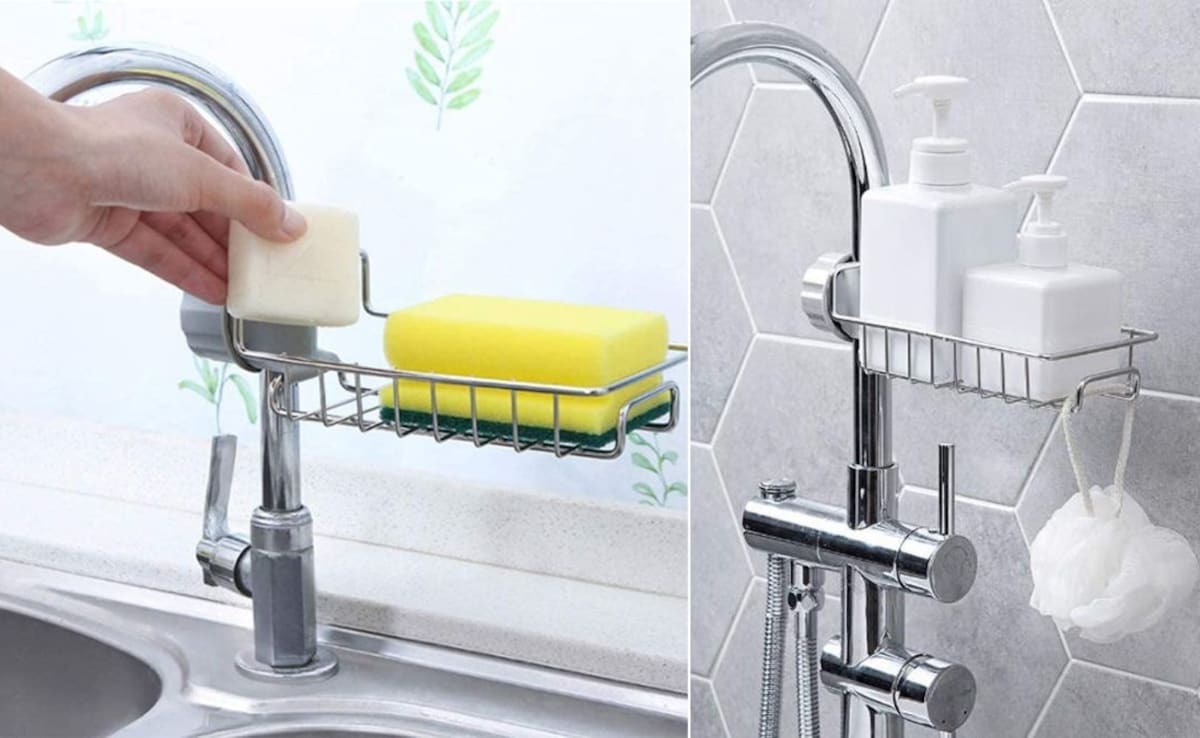
Adhesive hooks work best for lightweight items and temporary setups. They suit spaces where drilling is not allowed or practical. Hanging keys, small decorations, or lightweight kitchen tools fit perfectly within their limits.
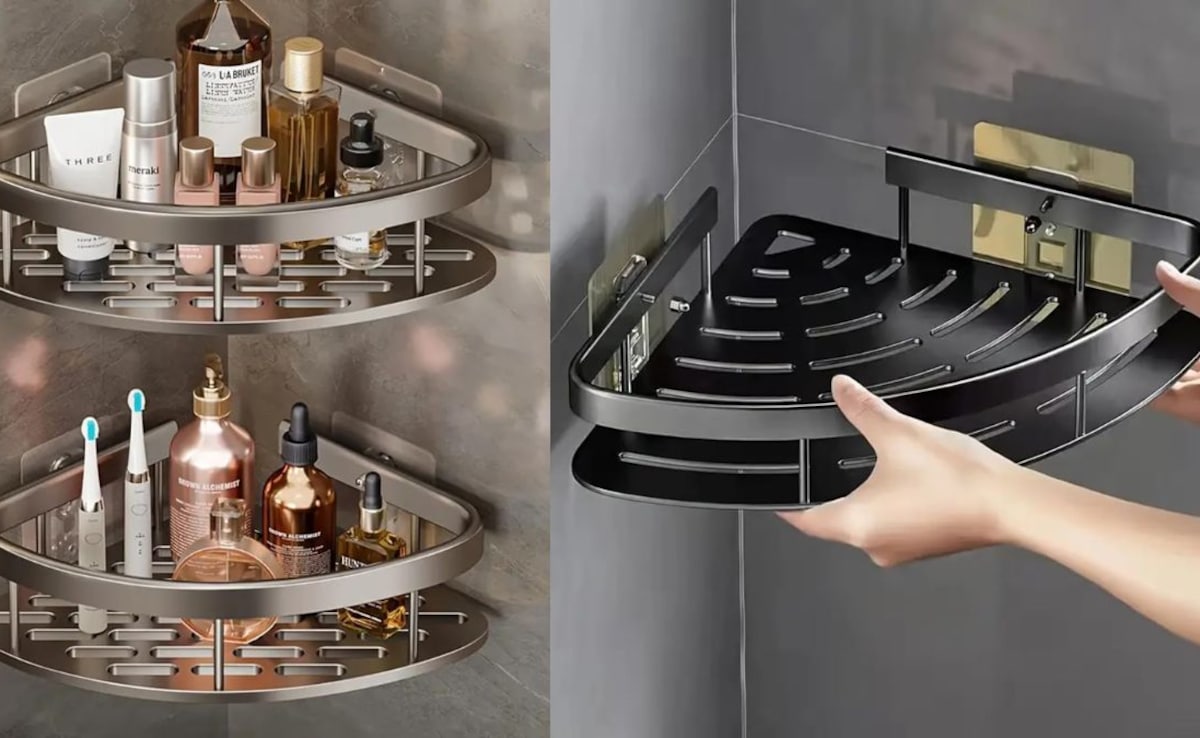
Drilling becomes essential for heavier items. Mirrors, shelves, large frames, and electronics demand the strength that only screws can provide.
Understanding the purpose of each item helps in making the right choice. Not every wall needs drilling, and not every object can rely on adhesive hooks.
A balanced approach often works best. Use adhesive hooks where convenience matters and drilling where safety and strength take priority.
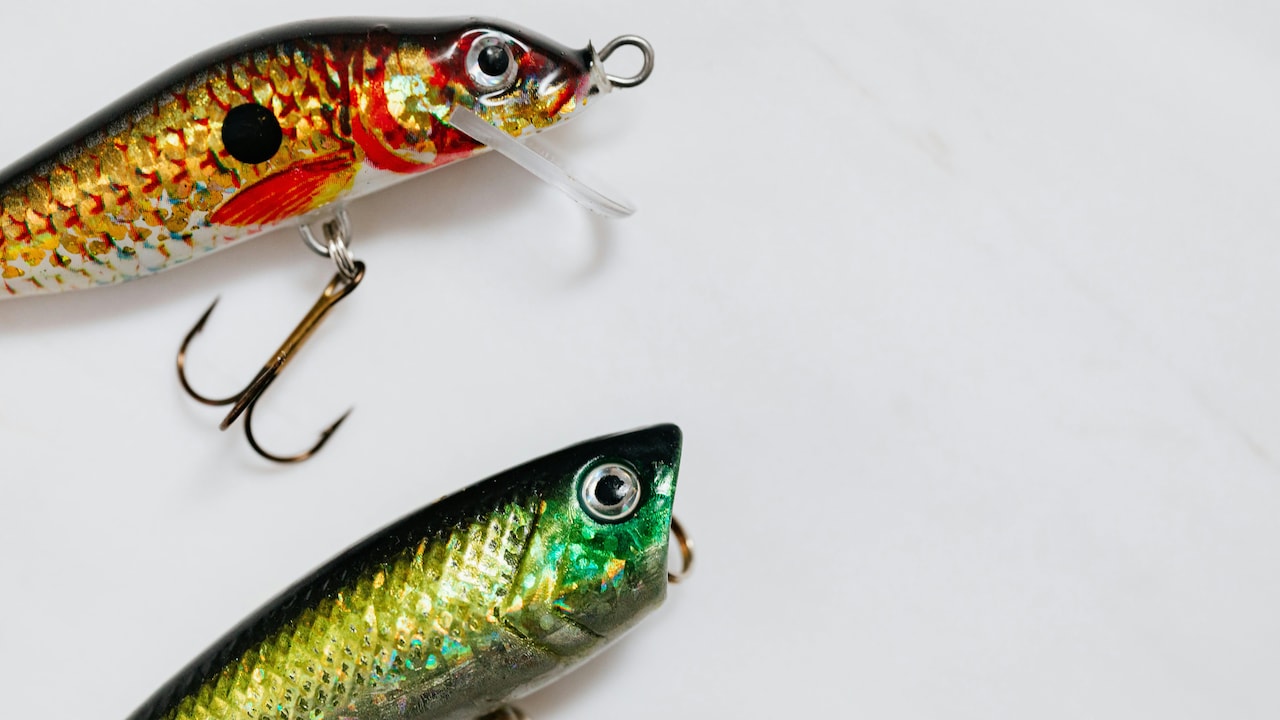
Adhesive Hooks vs Drilling: Which One Actually Holds Weight Safely?
Photo Credit: Pexels
Products Related To This Article
1. Zulaxy Photo Frame Hooks for Wall Without Drilling
2. IBELL Electric Drill Impact Drill ID13-75, 650W, Copper Armature
3. JIALTO 4 PCS Self Adhesive Stainless Steel Wall Hooks
4. Lifelong 12V Cordless Drill Machine For Home Use
5. JIALTO 10 Pcs Adhesive Hooks Kitchen Wall Hooks-Heavy Duty 5 Kg
The debate between adhesive hooks and drilling is not about choosing a winner. It is about understanding context. Each method serves a purpose, and each comes with its own set of strengths and limitations.
Adhesive hooks bring simplicity, flexibility, and ease. They fit perfectly into modern lifestyles where convenience often takes centre stage. Yet, they demand caution and realistic expectations.
Drilling, though slightly demanding, offers unmatched reliability. It stands as the dependable choice for heavier loads and long-term setups.
Walls may appear silent, but they carry the weight of daily decisions. Choosing the right method ensures not just functionality but also safety and peace of mind. In the end, the smartest approach lies in knowing when to stick and when to drill.
(Disclaimer: This article may include references to or features of products and services made available through affiliate marketing campaigns. NDTV Convergence Limited (“NDTV”) strives to maintain editorial independence while participating in such campaigns. NDTV does not assume responsibility for the performance or claims of any featured products or services.)














![Steam Iron Teflon Shoe Cover for ES-300,ST-96 [Only For ES-300 and ST-96 Model Electric Steam Irons]](https://m.media-amazon.com/images/I/51wwkttondL._SL160_.jpg)