Baby Carrier vs Stroller: Which Is Better For Festive Crowds
Confused between a baby carrier and stroller for festive outings? Here’s which option suits crowded celebrations best and keeps both you and your baby comfortable.
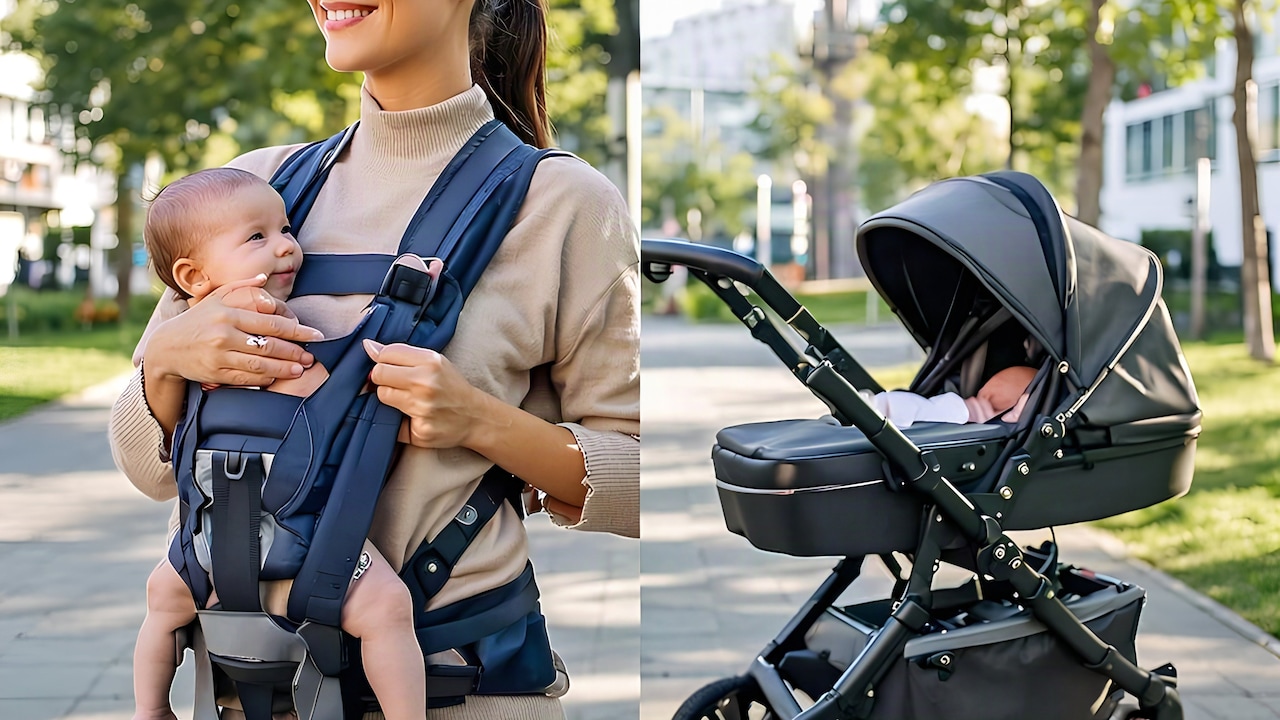
Key differences between baby carrier vs stroller and which is the best choice
Festive season outings with a baby can be genuinely exciting, but they also come with their own set of challenges. Crowded markets, temple fairs, street food lanes, and busy shopping centres can all make getting around with a little one quite tricky. Whether you are heading to a Diwali celebration or a Christmas market, the right gear is essential. The choice between a baby carrier and a stroller is one most parents wrestle with, and during the festive season, that decision matters even more and you can find the best products on Amazon.

Baby Carrier vs Stroller – Understanding The Basics
Photo Credit: iStock
Both options have real advantages, and neither is universally better for every family. The right choice depends on your baby's age, the event you are attending, and how long you plan to be out. This guide discusses both options honestly so you can decide what actually works for your situation.
Also Read: Top-Rated Baby Carriers for Newborns in India | Hands-Free Parenting
1. What Is A Baby Carrier?
A baby carrier is a wearable device, typically made of fabric or structured padding, that allows you to carry your baby close to your chest or back. This category includes wraps, ring slings, buckle carriers and meh dais. They vary from soft and stretchy for newborns to structured ergonomic carriers for older babies and toddlers.
2. What Is A Stroller?
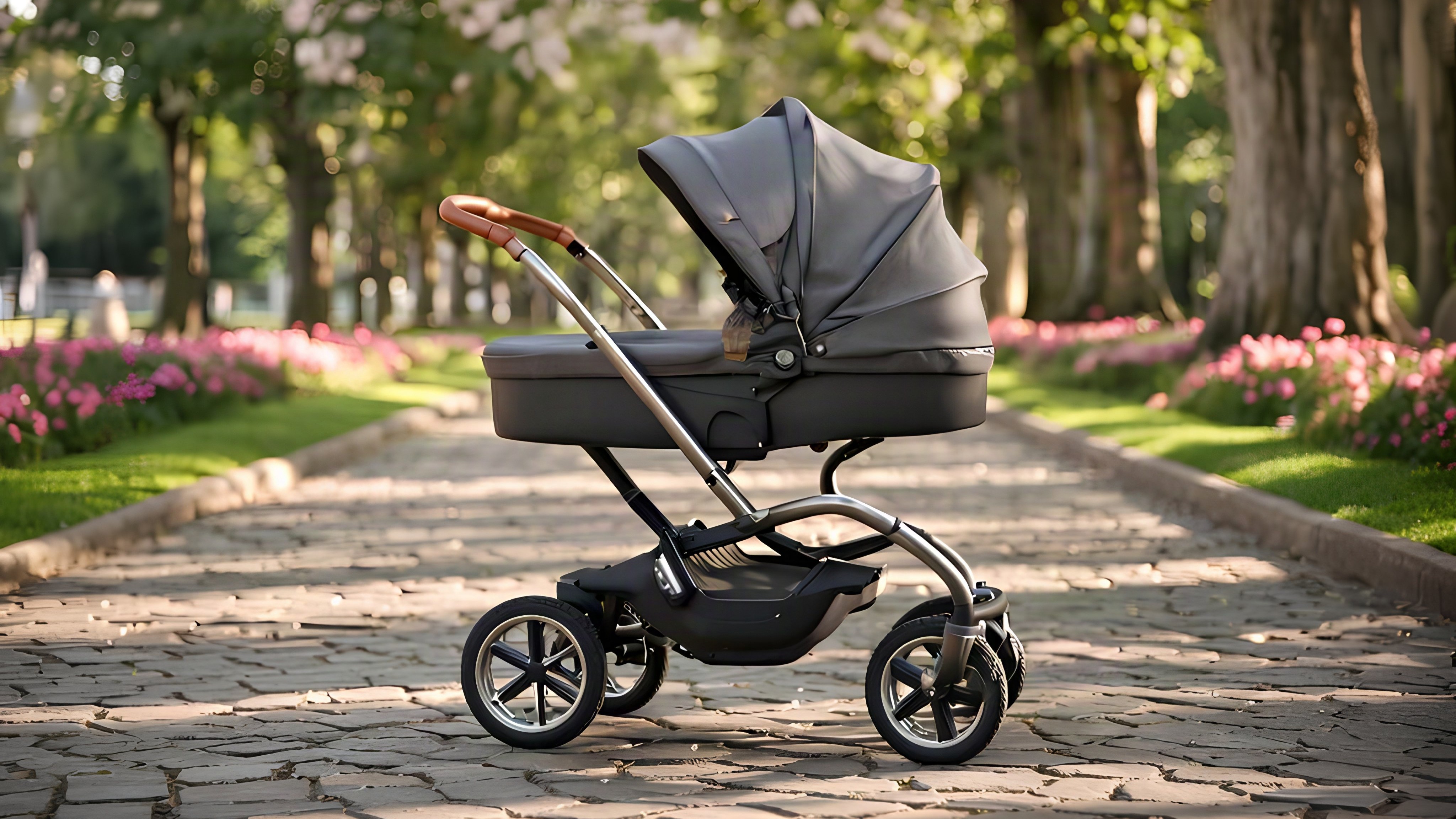
A stroller is a wheeled pushchair that is designed to comfortably seat your baby or toddler while you push them along. There are many styles of strollers, from lightweight umbrella strollers to full-size prams with reclining seats, storage baskets and sun canopies. They're generally easier on your back but depend entirely on the terrain being passable.
Baby Carrier For Festive Crowds – Pros And Cons
1. Why A Baby Carrier Works Well In Busy Spaces
Festive crowds are notoriously unpredictable. Lanes narrow, staircases appear unexpectedly, and queues can stretch for a long time. A baby carrier handles all of that with ease. You move freely, keep your hands available, and your baby stays snug and close to you at all times. There is no worry about someone bumping into a pushchair or losing your child in the crowd.
Carriers are also brilliant for public transport during festive outings, especially local trains, or busy buses where a stroller would simply be impractical. For parents attending temple rituals or indoor gatherings where footwear must be removed, a carrier means far less fuss.
2. Where Baby Carriers Fall Short?
Carrying a baby, even a small one, is physically demanding. On a warm festive afternoon, wearing a carrier for two or three hours can leave you sweaty and fatigued. Babies who are mobile and curious may resist being held still for long stretches. There is also a practical limit — once your child reaches around 15 kilograms, most carriers become genuinely uncomfortable for extended use.
Stroller For Festive Crowds – Pros And Cons
1. When A Stroller Is The Smarter Choice?
A stroller gives your baby their own comfortable space to sit, recline, nap, or snack during long outings. That independence matters hugely when you are spending several hours at a festive event. Strollers also handle storage well — bags, extra layers, snacks, and nappy kits all fit neatly beneath the seat, which is a genuine relief when you are juggling a busy day.
For older toddlers who do not want to be carried, a stroller offers a reliable way to keep them contained without a battle. Lightweight, compact strollers fold quickly and can be tucked away during sit-down meals or indoor segments of an outing.
2. The Challenges Of Using A Stroller In Crowds
A stroller is only as useful as the terrain allows. Cobbled pathways, steep temple steps, muddy mela grounds, and densely packed crowds all make it genuinely difficult to manoeuvre a pushchair. In truly packed spaces, a stroller can actually slow you down and frustrate the people around you.
Parking a stroller during a religious ceremony or a crowded street event can also be stressful. Not every venue has space for it, and leaving it unattended even briefly comes with its own anxieties.
How To Decide Which Option Is Right For You
1. Consider The Type Of Event
Outdoor fairs, bustling markets and temple processions are much better for carriers. Open parks, food festivals with paved walkways or ticketed events with large layouts are more stroller-friendly options. Before you decide, think about where you'll actually be spending most of your time.
2. Think About Your Baby's Age And Temperament
Carriers tend to work well for newborns and young infants, who tend to settle down nicely and nap contentedly in the close embrace. Alert, wriggly older babies and toddlers may prefer the freedom of a stroller seat. And equally important is your baby's mood and tolerance for holding.
3. Plan For Duration And Comfort
For short outings of one to two hours, a carrier is usually fine for most parents. For longer festive days, a stroller gives you and your baby more flexibility. Some parents find that bringing both — a compact stroller plus a carrier as backup — is the most practical approach of all.
Baby Carrier vs Stroller – Understanding The Basics
Photo Credit: iStock
Some Products You May Like
1. LuvLap Galaxy baby stroller
2. Amazon Brand – Supples Baby Stroller
3. R for Rabbit Poppins Joy Stylish Baby Stroller
4. StarAndDaisy Stroller
5. Kids Premium Baby Carrier
6. LuvLap Royal Hip Seat Baby Carrier
7. StarAndDaisy Baby Carrier
8. Cherilo Baby Carrier
Frequently Asked Questions (FAQs):
1. Is a baby carrier safe in a very crowded place?
Yes, provided it is worn correctly and your baby is in the proper position. Always ensure the baby's airway is clear and their chin is not pressed to their chest.
2. At what age can a baby use a stroller?
Most strollers are suitable from birth when fully reclined. Always check the manufacturer's age and weight guidelines before use.
3. Can I use both a carrier and a stroller on the same outing?
Absolutely. Many parents use a stroller for most of the outing and switch to a carrier for busier or more cramped sections.
4. Which option is better for a baby who falls asleep easily?
Both work well for napping babies, though carriers keep babies in a more natural sleeping position. Strollers with full recline are also excellent for longer naps.
5. Are lightweight strollers good enough for festive outings?
Lightweight umbrella strollers are easy to carry and fold quickly, making them a practical choice for festive outings with manageable crowds.
(Disclaimer: This article may include references to or features of products and services made available through affiliate marketing campaigns. NDTV Convergence Limited (“NDTV”) strives to maintain editorial independence while participating in such campaigns. NDTV does not assume responsibility for the performance or claims of any featured products or services.)