Year Wrap: Top 5 Home Interior Trends That Have Ruled In 2025
As 2025 comes to an end, these five home interior trends shaped how people lived, relaxed, and made their homes feel more personal and practical.
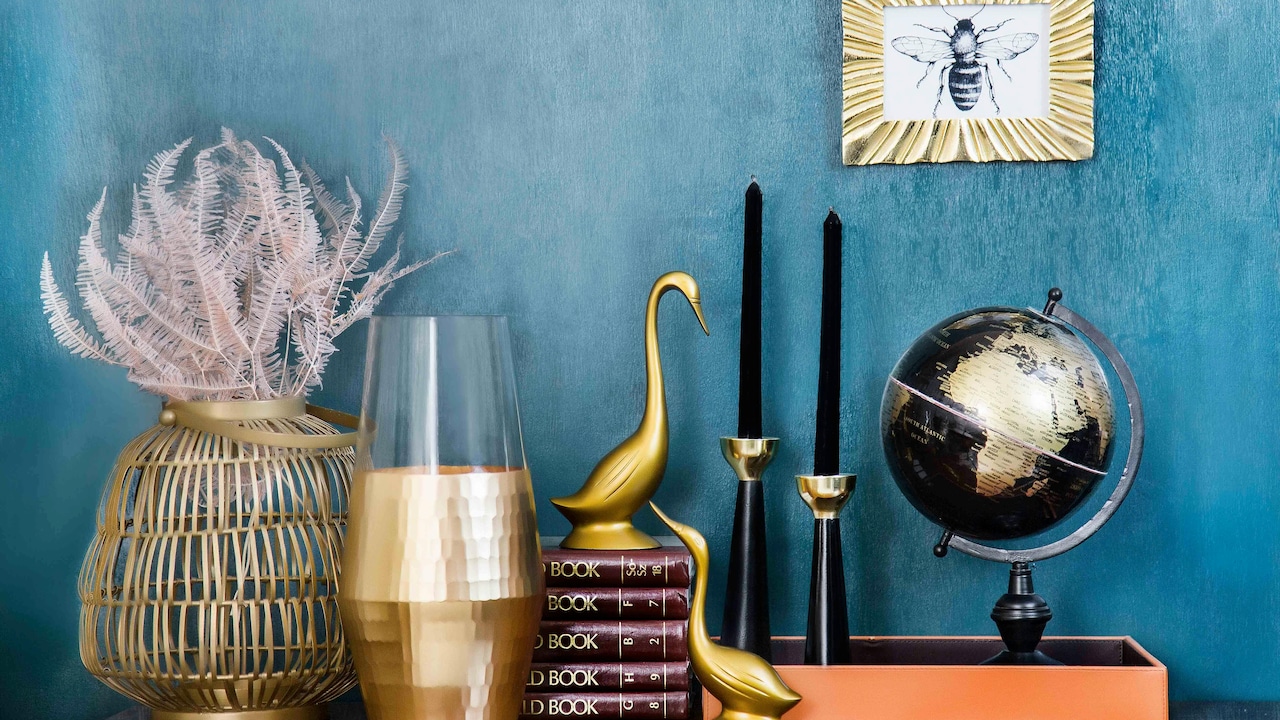
Which home decor trends you want to follow in 2025?
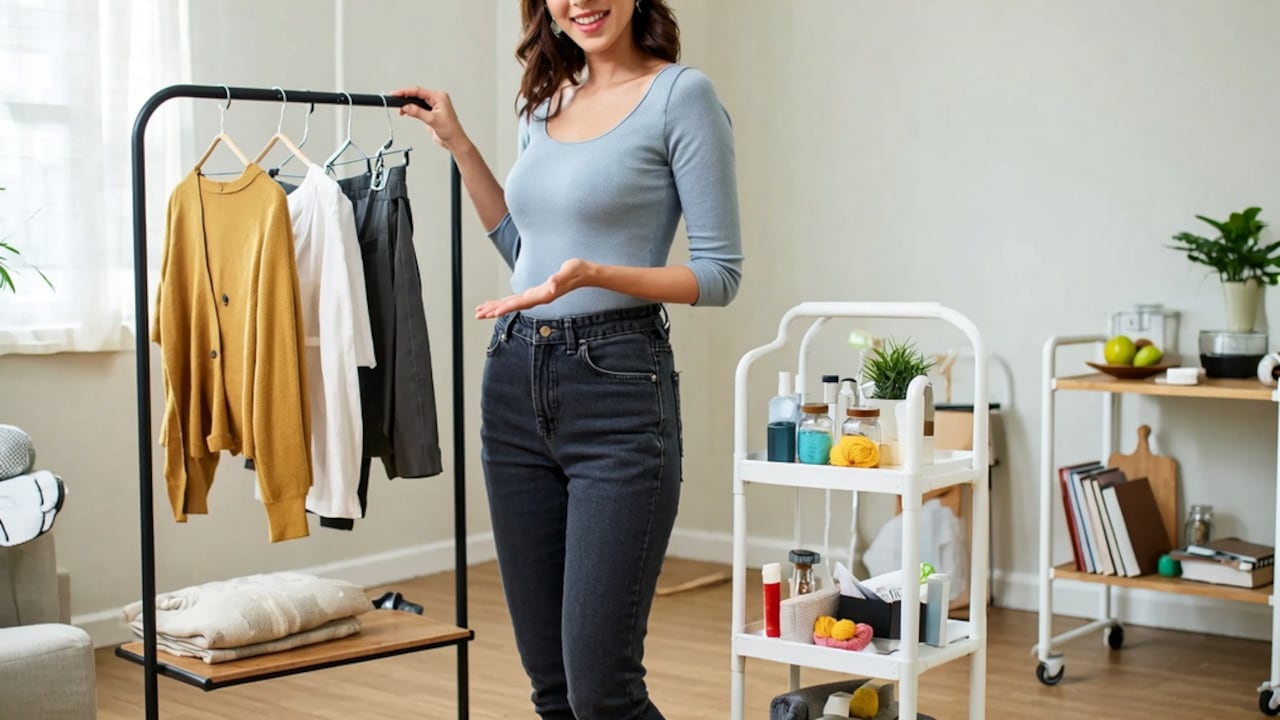
As 2025 draws to a close, our homes have become much more than places to sleep and eat, they've evolved into reflections of how we live and feel. This year, people embraced change by refreshing corners, rethinking layouts, and choosing pieces that truly fit their everyday routines. Living rooms transformed into serene retreats, while bedrooms adopted a minimalist charm. Comfort took centre stage, and spaces were designed to complement daily rhythms. 2025 wasn't about creating picture-perfect homes; it was about making them feel authentic and lived-in. Every tweak and adjustment told a quiet story of how we wanted to feel within our own walls.
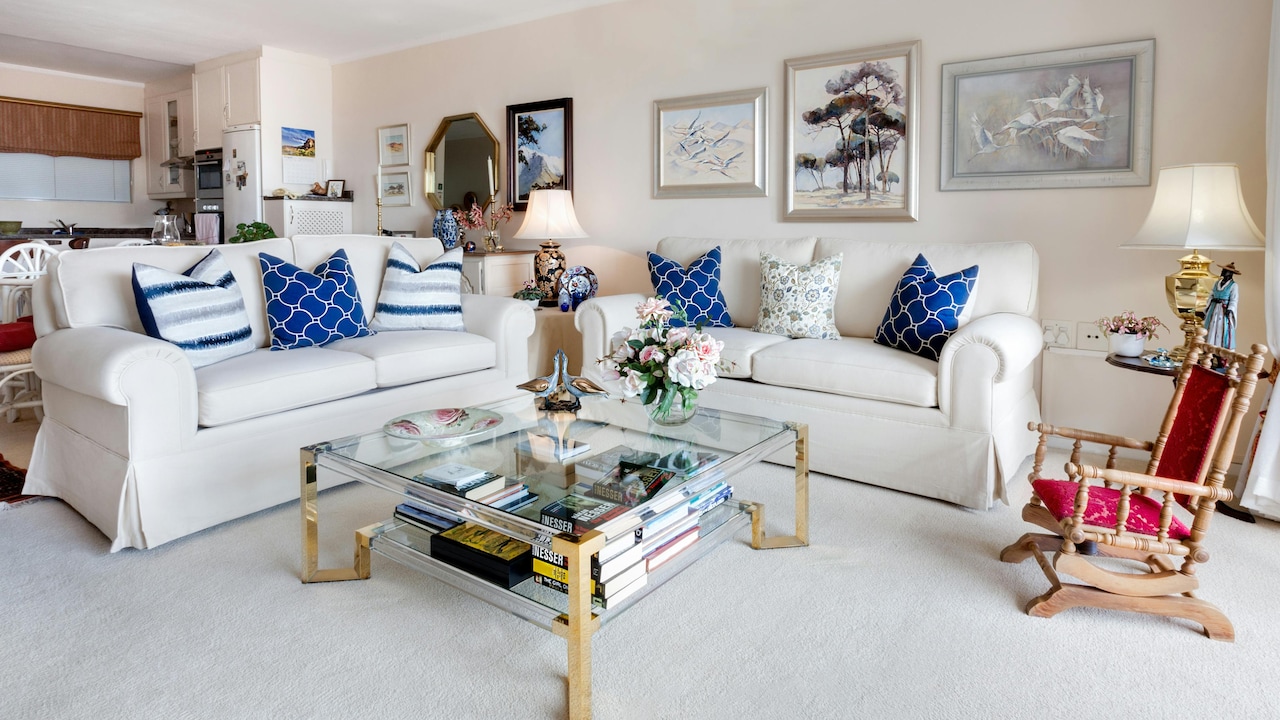
Which home decor trends do you want to follow in 2025?
Photo Credit: Pexels
Looking ahead, this shift in mindset is shaping how we think about home design for the future. It's no longer about chasing trends or filling spaces with things that look good on social media, it's about creating environments that nurture well-being and reflect personal stories. From cosy reading nooks to multifunctional furniture, every choice is intentional, blending style with purpose. As we step into a new year, homes will continue to evolve as sanctuaries of comfort, creativity, and connection, places that feel uniquely ours.
Also Read: Top 5 Outdoor Curtains For Balcony Under ₹1,000
| Interior Style | Main Idea | Why It Ruled in 2025 | How People Used It | What People Liked Most |
|---|---|---|---|---|
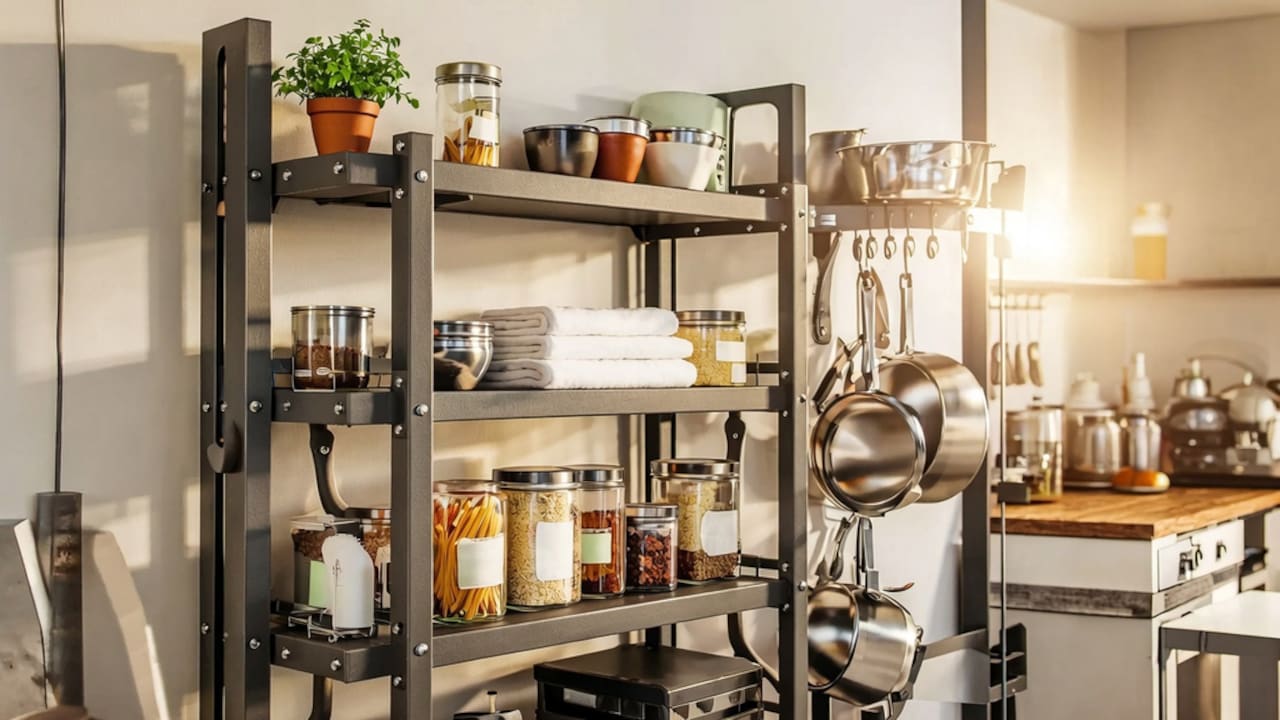
| Multi-purpose interiors | One space with many uses | Homes needed to support work, rest, and family time | Used foldable furniture and storage beds | Made small homes more useful |
| Curves and arches | Soft and rounded shapes | Straight lines felt too sharp. | Added curved sofas and arched mirrors | Made rooms feel calm and welcoming |
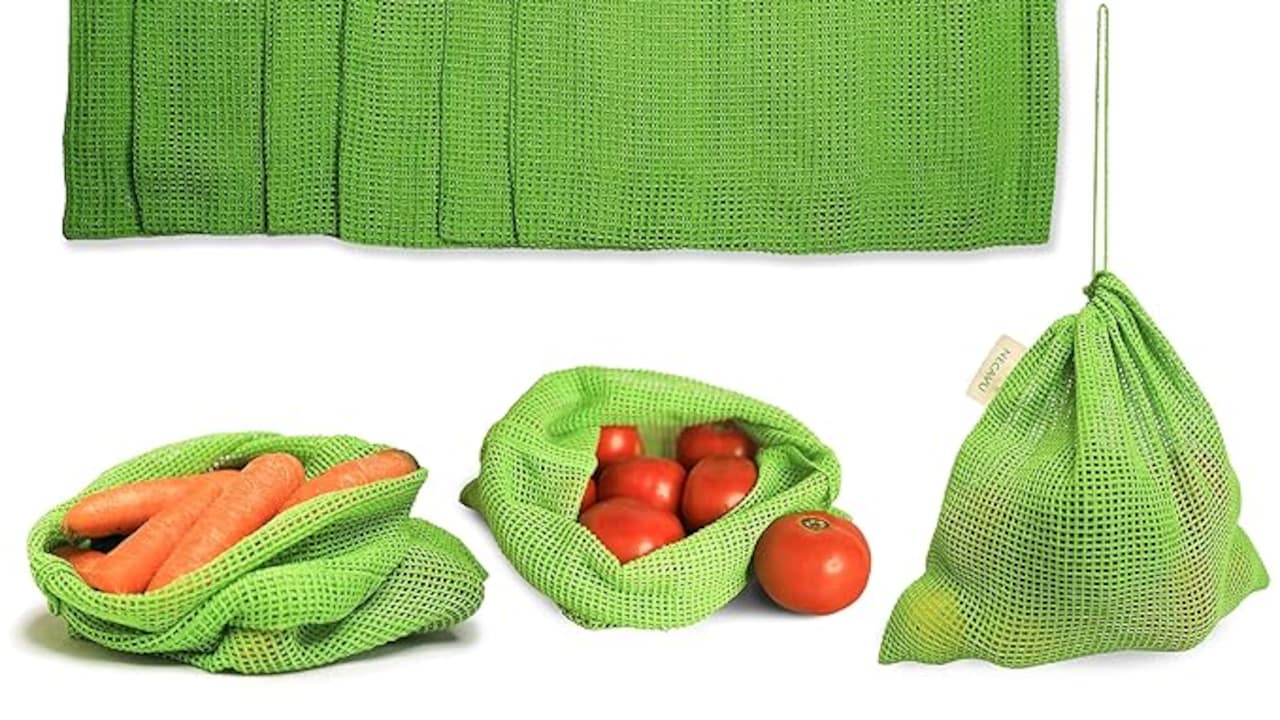
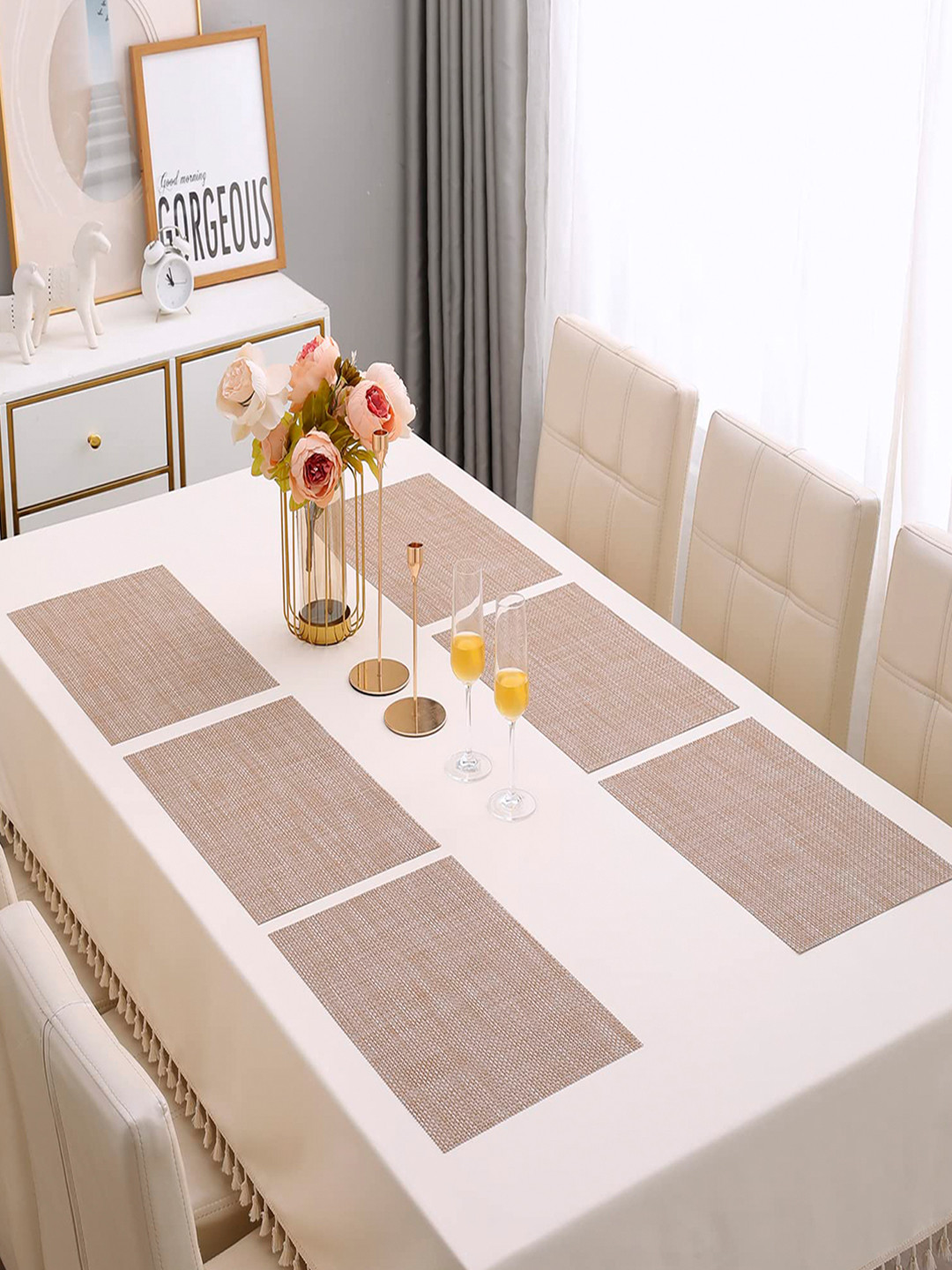
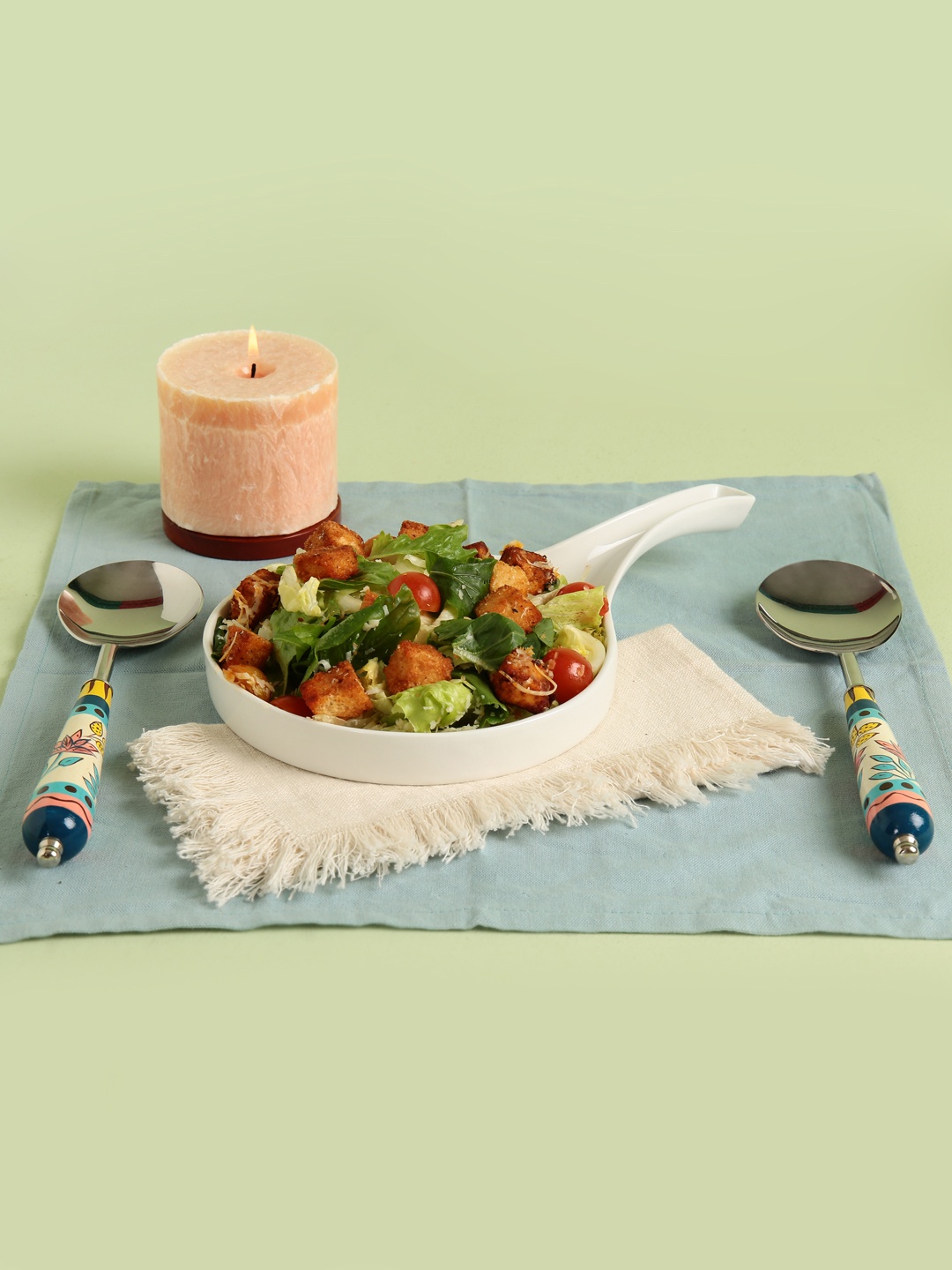
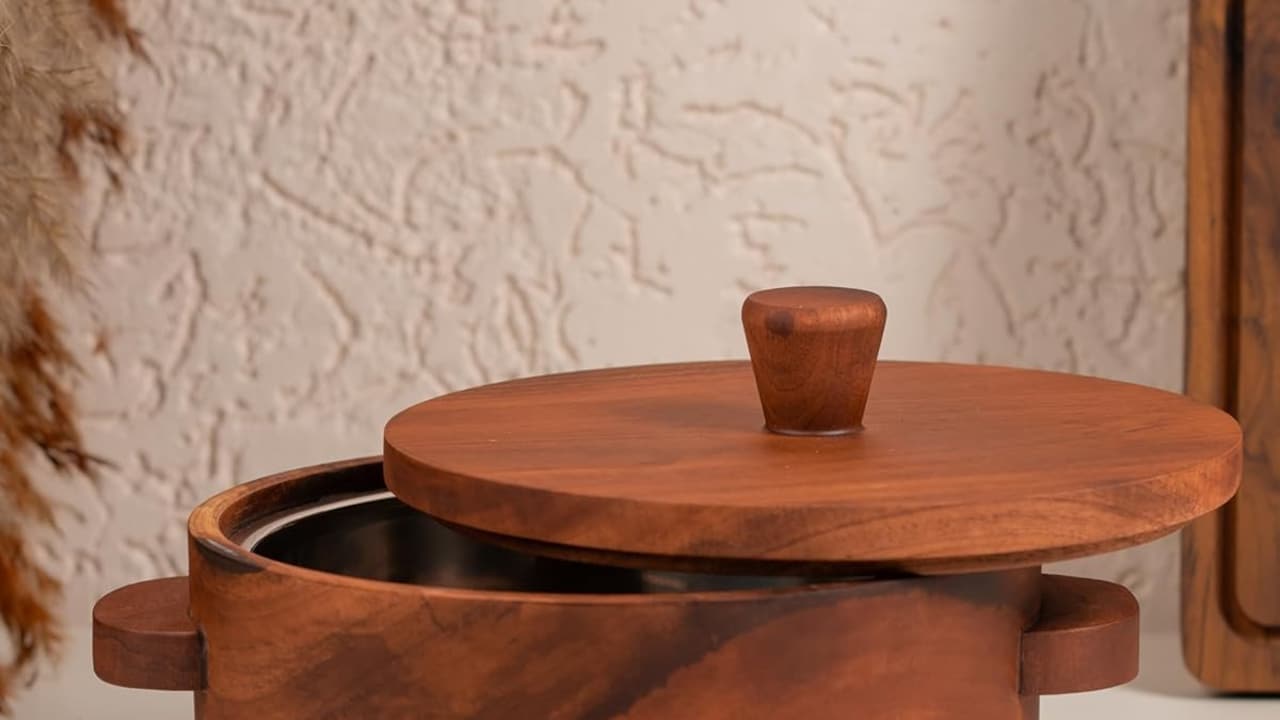
| Sustainability and natural materials | Use of real and earth-based items | People cared more about long-term choices | Choose wood, cotton, and stone | Felt warm and real |
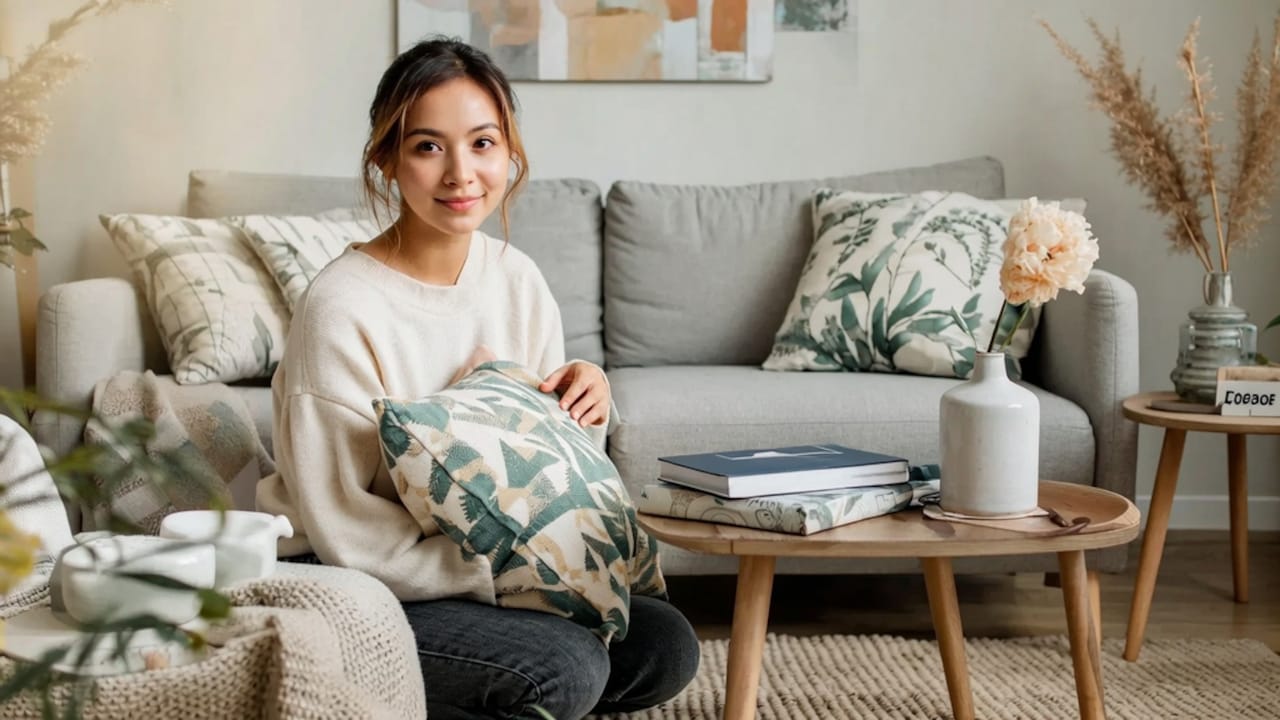
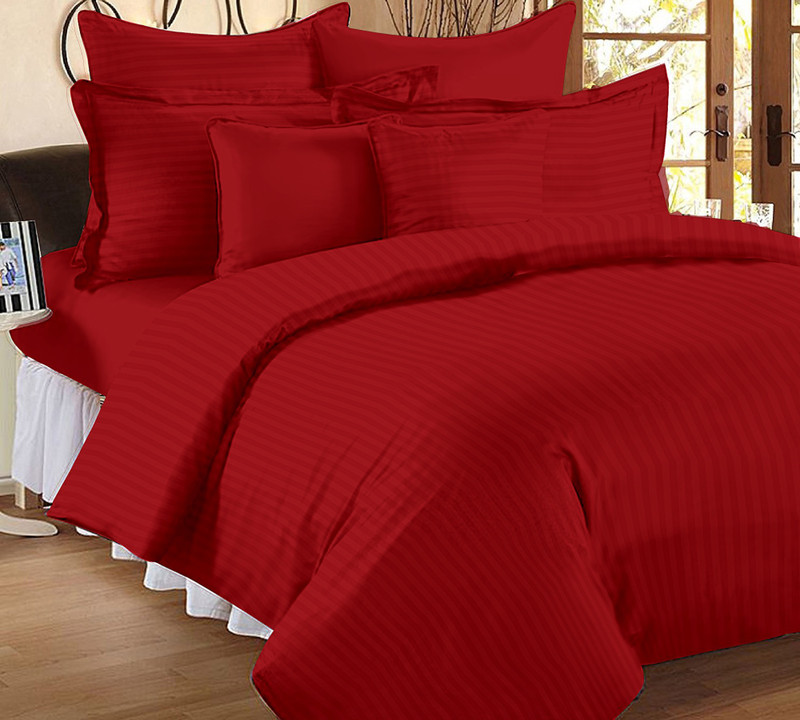
| Layering and texturing | Adding depth with fabrics and finishes | Homes needed warmth without clutter | Used rugs, cushions, and throws | Made spaces feel complete |
| Minimal maximalism | Simple space with bold details | Balance between clean and expressive | Added one strong decor piece | Kept homes neat yet personal |
Top 5 Home Interior Trends That Have Ruled In 2025
1. Multi-Purpose Interiors
Multi-purpose interiors became popular in 2025 because people wanted homes that could change with their daily needs. Furniture that could fold, move, or store items helped save space. People liked this trend because it made homes more useful.
2. Curves and Arches
Curves and arches ruled in 2025 because they softened hard lines inside homes. Rounded sofas, arched doorways, and curved mirrors made spaces feel calm and welcoming. This style felt easy on the eyes and brought a sense of flow into rooms.
3. Sustainability And Natural Materials
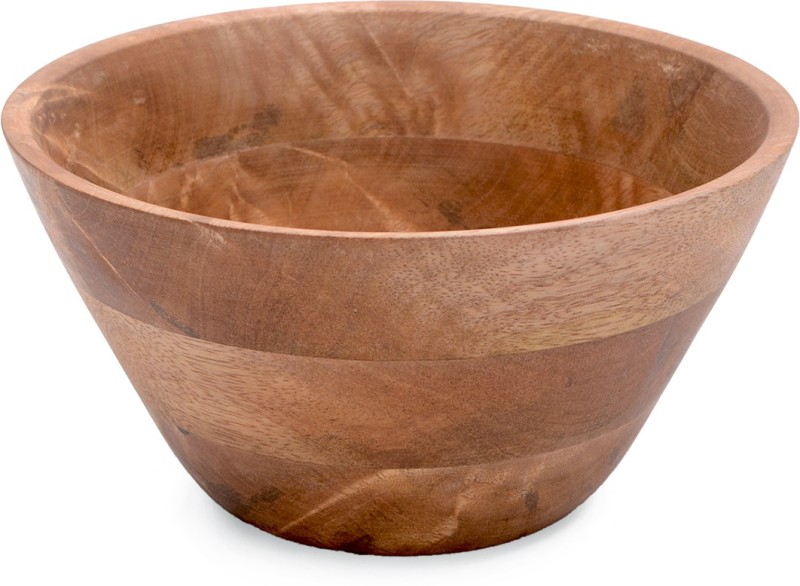
Sustainability became a strong focus in 2025 as people started caring more about how their homes were made. This trend ruled because it matched simple living and created homes that felt warm and luxurious.
4. Layering and Texturing
Layering and texturing stood out in 2025 because people wanted depth without crowding their homes. This trend allowed personal expression through small details. People liked how it made rooms feel complete and lived in.
5. Minimal Maximalism
Minimal maximalism ruled in 2025 because it balanced order and personality. People enjoyed choosing a few bold and large items instead of many small ones. This trend helped homes feel calm yet expressive.
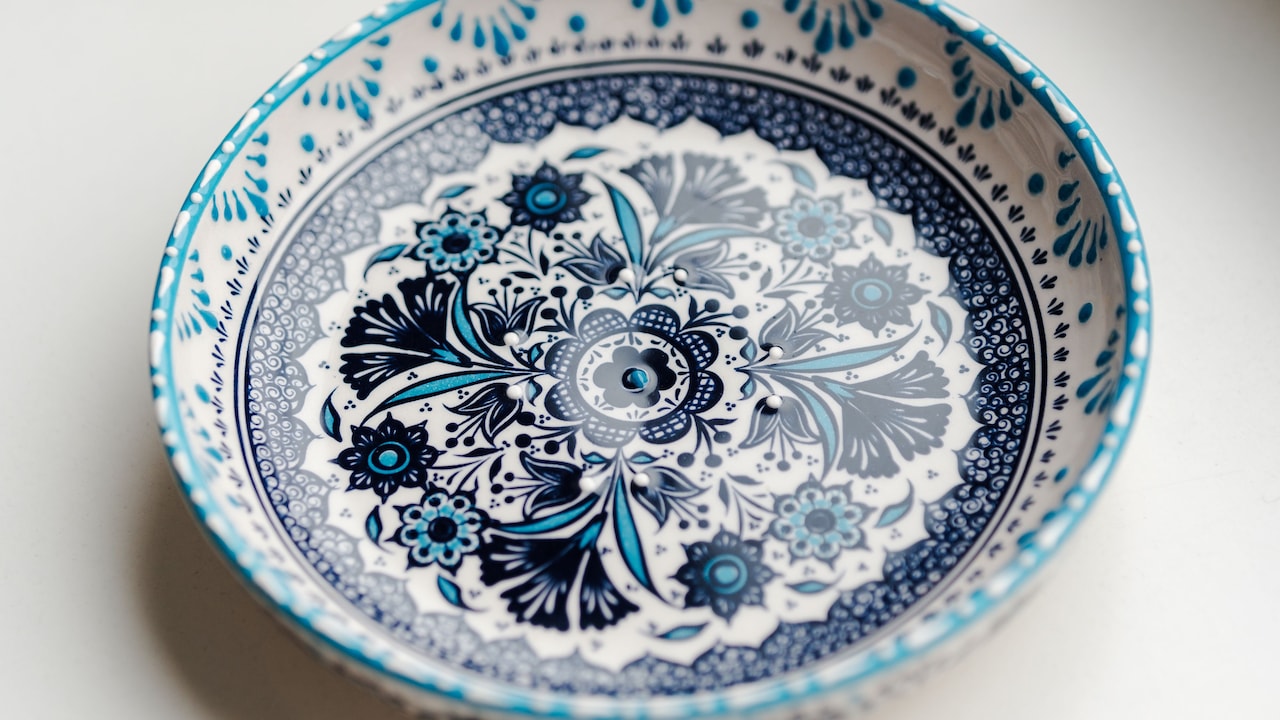
As 2025 ends, these home interior trends remind us how much our living spaces matter. The focus stayed on comfort, use, and simple living. These trends did not chase quick change but supported real life. So why wait? Grab these deals from Amazon today.
Frequently Asked Questions (FAQs)
1. Why did home interior trends change in 2025?
People spent more time at home, so they wanted spaces that felt calm and easy to use. Trends shifted to match daily routines and comfort needs.
2. Were simple designs more popular this year?
Yes. Many homes followed simple layouts with fewer items. This made rooms easier to clean and more open to live in.
3. Did people focus more on comfort than style?
Comfort became very important. Sofas, beds, and seating were chosen for daily use rather than just for looks.
4. Why were natural materials used more?
Natural materials felt familiar and warm. People liked items that felt close to everyday life and were easy to maintain.
5. Did small homes influence interior trends?
Yes. Many trends focused on saving space and using furniture that had more than one purpose.
(Disclaimer: This article may include references to or features of products and services made available through affiliate marketing campaigns. NDTV Convergence Limited (“NDTV”) strives to maintain editorial independence while participating in such campaigns. NDTV does not assume responsibility for the performance or claims of any featured products or services.)