Why Budget Air Mattresses Deflate Overnight: Material Quality Matters
Budget air mattresses often deflate overnight due to thin materials, weak seams, and poor valves. Low-quality construction sacrifices durability, comfort and long-term value for short-term savings.

Common reasons that cause budget mattresses to deflate easily
Nothing ruins a good night's sleep quite like waking up in the middle of the night feeling as though the bed has quietly given up. Budget air mattresses often promise convenience at a tempting price, making them popular for temporary guests, family visits, or sudden overnight stays. In households where every rupee matters, spending ₹1,500 instead of ₹6,000 can feel practical. However, many buyers soon realise that lower prices often come with hidden compromises. An air mattress that starts the night fully inflated may lose firmness by dawn, causing frustration, poor sleep, and sore backs. This overnight deflation is not always caused by punctures or user error. More often, the root problem lies deep within the quality of materials, design standards, and manufacturing shortcuts.

Why do some budget air mattresses deflate after a few uses; Photo Credit: Pexels
Material quality matters far more than flashy packaging or discount tags suggest. The true test of an air mattress comes not during purchase, but after hours of body weight, temperature changes, and pressure shifts. Understanding these factors helps consumers avoid false bargains and choose products that actually deliver comfort, reliability, and long-term value.
Also Read: 5 Best King-Size Orthopaedic Mattresses Under ₹10,000 For Better Spine Support
The Hidden Reasons Budget Air Mattresses Lose Air Overnight
Thin PVC Construction Leads To Gradual Air Loss
Most budget air mattresses rely heavily on low-grade PVC, which often feels plasticky and stiff. While this material helps manufacturers cut costs, it creates significant problems for durability. Thin PVC stretches more easily under body weight, particularly after several hours of use. As the material expands, internal pressure drops, creating the sensation of deflation.
In warmer climates, this issue worsens because heat softens cheaper plastics faster. Ceiling fans, air conditioning, or nighttime temperature drops can also affect air density inside the mattress. The combination of weak material and natural thermal contraction often leaves sleepers feeling disappointed by morning.
Premium mattresses typically use thicker, reinforced layers or incorporate flocked tops with stronger support systems. Budget versions skip these improvements to remain affordable. The result resembles buying a ₹200 umbrella during monsoon season, inexpensive initially, but often frustrating when reliability matters most.
Poor Seam Welding Weakens Structural Integrity
An air mattress is only as strong as its seams. In lower-cost products, manufacturers often use rushed heat-welding methods that fail to create fully secure bonds. Over time, these weak seams allow microscopic air leaks that remain invisible but steadily reduce firmness.
Unlike dramatic punctures, seam leaks operate quietly. A sleeper may blame natural stretching, while the real culprit lies in poor craftsmanship. Continuous pressure from shifting body weight worsens these leaks, especially near edges or corners where stress concentrates.
Higher-end models invest in precision sealing technology, ensuring stronger connections between mattress panels. Budget options often skip these costly production steps, prioritising affordability over endurance.
This difference becomes particularly noticeable during family functions or festival seasons, when extra bedding sees repeated use. A mattress purchased cheaply for visiting relatives may barely survive a few occasions before becoming unreliable.
Low-Quality Valves Cause Slow Leakage
The valve system serves as the mattress's gatekeeper, holding air securely inside. Budget mattresses frequently feature flimsy plastic valves that struggle to maintain airtight seals. Even a slight manufacturing flaw can create steady overnight leakage.
Repeated inflation and deflation place additional stress on these valves. Over time, caps loosen, seals weaken, and air escapes more easily. Dust or minor misalignment can further compromise performance.
Quality mattresses use advanced double-lock valves or reinforced systems designed for repeated use. Cheaper alternatives often feel secure initially but degrade quickly.
This small component can make a major difference. It mirrors buying a pressure cooker with a faulty whistle, one weak part undermines the whole product. A low price tag may save money upfront, but poor valve quality often leads to replacement costs that outweigh initial savings.
Internal Support Chambers Often Lack Durability
Air mattresses rely on internal coils or chambers to distribute weight evenly and maintain shape. Budget products often use weaker internal structures that collapse or stretch prematurely.
Once these support systems weaken, pressure distribution changes unevenly. Certain areas sink faster, creating discomfort and giving the impression of severe air loss even if total air volume remains similar.
Cheaper internal materials struggle under continuous use, particularly in homes where mattresses serve more than occasional purposes. Children jumping, uneven surfaces, or heavier sleepers accelerate this deterioration.
Premium models invest in stronger fibre technology or reinforced air beam designs, which improve resilience significantly. Budget options often skip such enhancements, resulting in shorter lifespans.
This explains why some mattresses feel perfect on day one but disappoint after a few uses. Beneath the surface, compromised structural quality quietly reduces long-term comfort.
Temperature Sensitivity Amplifies Deflation Problems
Many users mistakenly assume overnight softness means a leak, but temperature shifts also play a role. Air contracts as temperatures drop, naturally reducing firmness. Budget mattresses, however, handle this phenomenon poorly due to inferior materials.
Higher-quality mattresses compensate better because robust materials resist excessive stretching and maintain pressure more effectively. Cheaper PVC surfaces respond dramatically to environmental changes, making firmness fluctuate more noticeably.
For households in cities with cooler nights or heavy fan use, this issue becomes especially frustrating. A mattress inflated during a warm evening may feel noticeably softer by sunrise.
Although all air mattresses experience some temperature-related adjustment, budget products exaggerate the effect considerably. Material weakness transforms a manageable scientific reality into a sleep-disrupting nuisance.
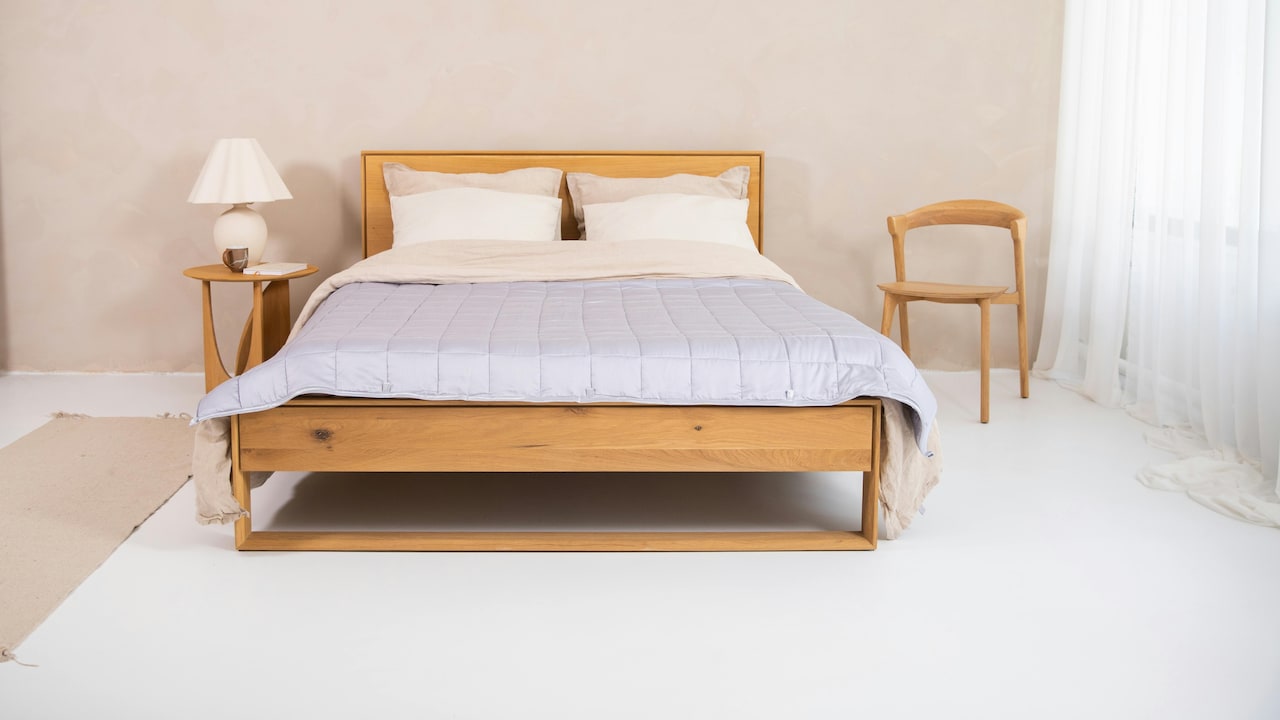
Budget mattress with PVC surfaces respond dramatically to environmental changes; Photo Credit: Pexels
Surface Wear And Tear Accelerates Faster
Frequent folding, storage, and handling can rapidly degrade low-cost mattresses. Budget materials often crack, weaken, or develop tiny abrasions far sooner than premium alternatives.
These small imperfections may not cause immediate punctures, but they gradually compromise airtightness. Repeated use on rough flooring or improper storage worsens the problem.
Many buyers underestimate how quickly wear accumulates. A mattress used occasionally for guests may seem sufficient, but after a year of festival gatherings, family visits, and holiday travel, quality differences become obvious.
Investing slightly more often delivers greater value. Spending ₹4,000 on a durable mattress that lasts years can prove wiser than repeatedly replacing ₹1,500 models that fail regularly.
Durability should never be underestimated when balancing cost against comfort.
Manufacturing Standards Often Prioritise Cost Over Performance
Mass-market budget mattresses often emerge from production lines focused on minimising expenses rather than ensuring quality. Lower-grade raw materials, reduced inspection standards, and faster assembly speeds contribute to widespread reliability issues.
This manufacturing philosophy creates products designed primarily for affordability, not longevity. While packaging may highlight convenience and comfort, hidden compromises frequently undermine real-world performance.
Consumers often fall for appealing discounts without considering construction quality. A flashy online sale may promise luxury sleep at half price, but material shortcuts soon reveal themselves.
The difference resembles choosing between roadside bargain footwear and well-crafted shoes. Initial savings feel satisfying, but poor endurance eventually leads to regret.
Understanding production quality helps buyers look beyond surface-level marketing and focus on true value.
Excessive Stretching Creates Misleading Expectations
New air mattresses often stretch naturally during initial use, which can mimic deflation. Budget mattresses, however, tend to stretch excessively due to weaker materials.
This overstretching reduces support rapidly, causing frustration for users who expect consistent firmness. Many assume inflation errors when the real issue lies in substandard elasticity.
Manufacturers may mention initial stretching, but cheaper products often continue expanding beyond normal expectations. This persistent material fatigue significantly impacts user satisfaction.
A mattress should adapt slightly, not transform into a hammock overnight. Excessive stretching signals compromised quality and predicts a shorter lifespan.
Understanding this distinction helps consumers avoid disappointment and select better-performing alternatives.
Repairability Is Often Limited In Cheaper Models
Budget mattresses may seem replaceable, but frequent failure creates ongoing inconvenience. Repair kits often prove ineffective against widespread seam leaks or material fatigue.
Higher-quality products generally support easier maintenance and offer stronger warranties. Budget options rarely provide dependable after-sales support, making replacement more common than repair.
For households managing regular guests or travel needs, constant replacement becomes both expensive and irritating. Saving a few thousand rupees initially can eventually lead to greater long-term spending.
A more durable purchase often reduces stress, improves sleep quality, and offers better overall satisfaction.
Better Materials Deliver Better Sleep
Ultimately, sleep quality depends heavily on mattress performance. Budget air mattresses may serve occasional emergencies, but poor material quality often undermines comfort, stability, and durability.
A sagging mattress affects posture, disrupts rest, and creates avoidable frustration. Investing in superior materials means better seam strength, valve security, temperature resilience, and structural support.
Quality sleep remains one of life's essential comforts, whether for guests or personal use. Choosing better materials ensures fewer midnight surprises and more dependable rest.
In many cases, spending wisely once proves far more practical than repeatedly chasing cheap replacements.
Products Related To This Article
1. Infi Air Bed for Bed Sores
2. Anti Decubitus Bubble Air Mattress For Patients With Pump
3. Intex Polyvinyl Chloride (PVC) Deluxe Single-High Dura-Beam Airbed with Fiber-Tech Construction
4. Springtek Ortho Pocket Spring Mattress Queen
5. Amazon Basics Inflatable Car Air Mattress
Budget air mattresses often attract buyers with appealing prices, but overnight deflation reveals the true cost of compromised material quality. Thin PVC, weak seams, poor valves, and fragile support systems all contribute to disappointing performance. While lower prices may seem sensible initially, repeated frustration, reduced durability, and poor sleep often outweigh short-term savings.
A dependable air mattress should provide more than temporary affordability. It should deliver comfort, consistency and peace of mind. Material quality remains the key factor separating reliable products from frustrating purchases.
In the end, smart spending is not always about choosing the cheapest option. Sometimes, it means recognising when quality deserves the extra investment, especially when a restful night's sleep hangs in the balance.
(Disclaimer: This article may include references to or features of products and services made available through affiliate marketing campaigns. NDTV Convergence Limited (“NDTV”) strives to maintain editorial independence while participating in such campaigns. NDTV does not assume responsibility for the performance or claims of any featured products or services.)