Choose Between Cotton And Microfiber To Find The Most Effective Towel For Daily Tasks
Cotton or microfiber? This guide breaks down absorbency, comfort, drying time, and everyday usability to help choose the right towel for daily household needs.
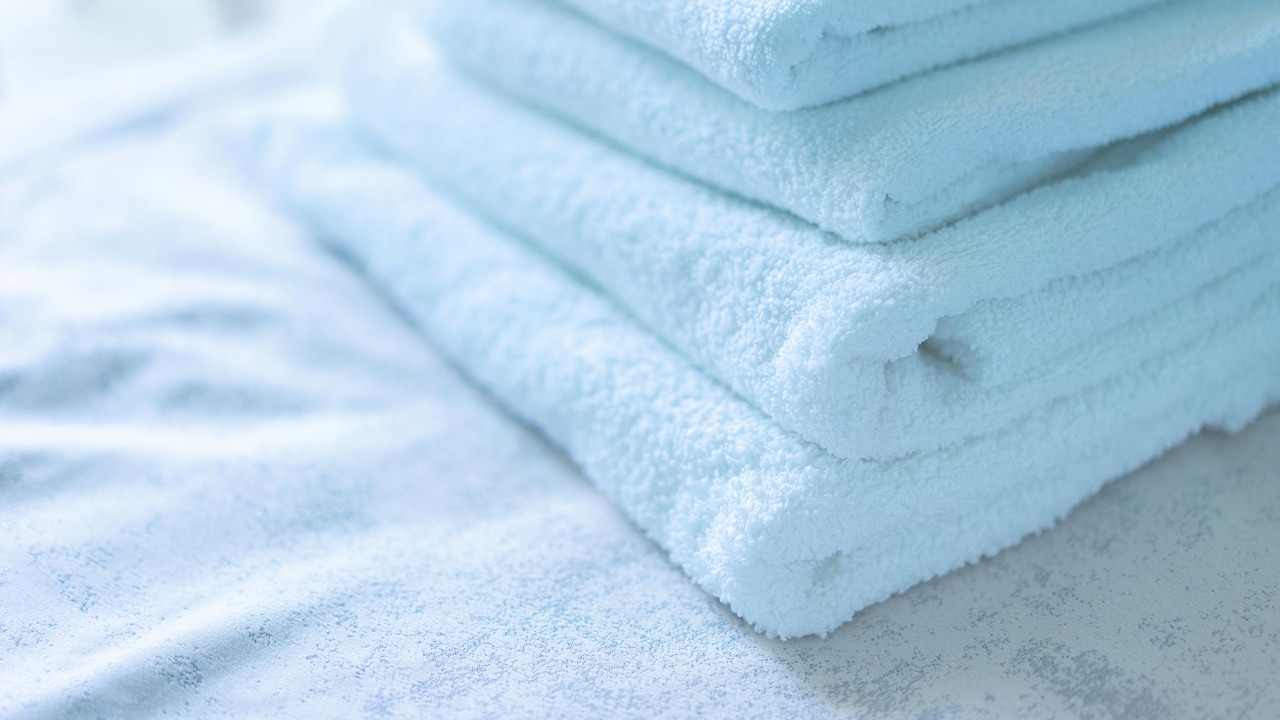
Cotton vs Microfiber Towels Explained: Absorbency, Comfort, and Daily Use Compared.
A towel rarely gets the spotlight. It hangs behind doors, folds neatly on shelves, and absorbs the chaos of daily life without complaint. Yet the wrong towel can ruin a rushed morning or turn a quick clean-up into a soggy mess. Cotton towels have long enjoyed household loyalty, thanks to their softness and familiarity. Microfiber towels, newer to the scene, promise speed, strength, and modern convenience.
Homes today juggle tight schedules, changing weather, compact living spaces, and rising costs. Every purchase now faces tougher questions. Does it dry fast enough during monsoon weeks? Does it survive frequent washes? Does it feel good on the skin after a long day? This article unpacks these questions with clarity, warmth, and a few knowing nods to everyday life. No lab jargon. No sales pitch. Just practical insight to help daily routines run more smoothly.
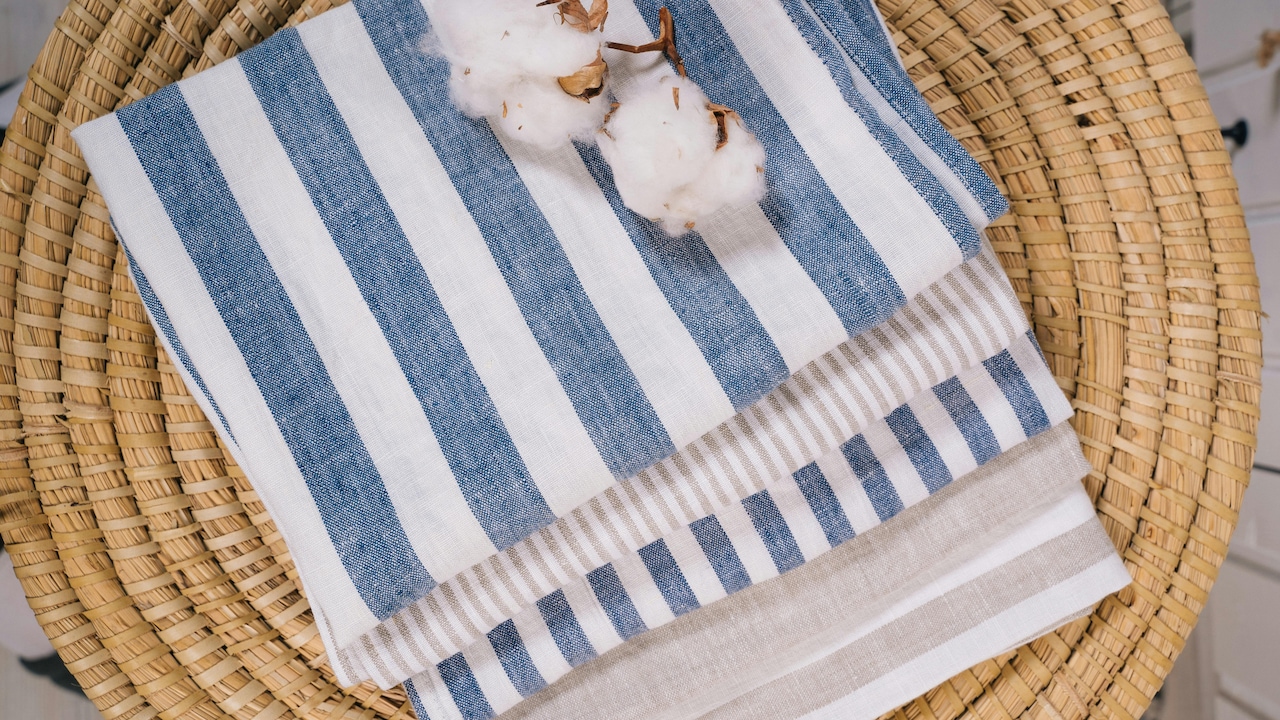
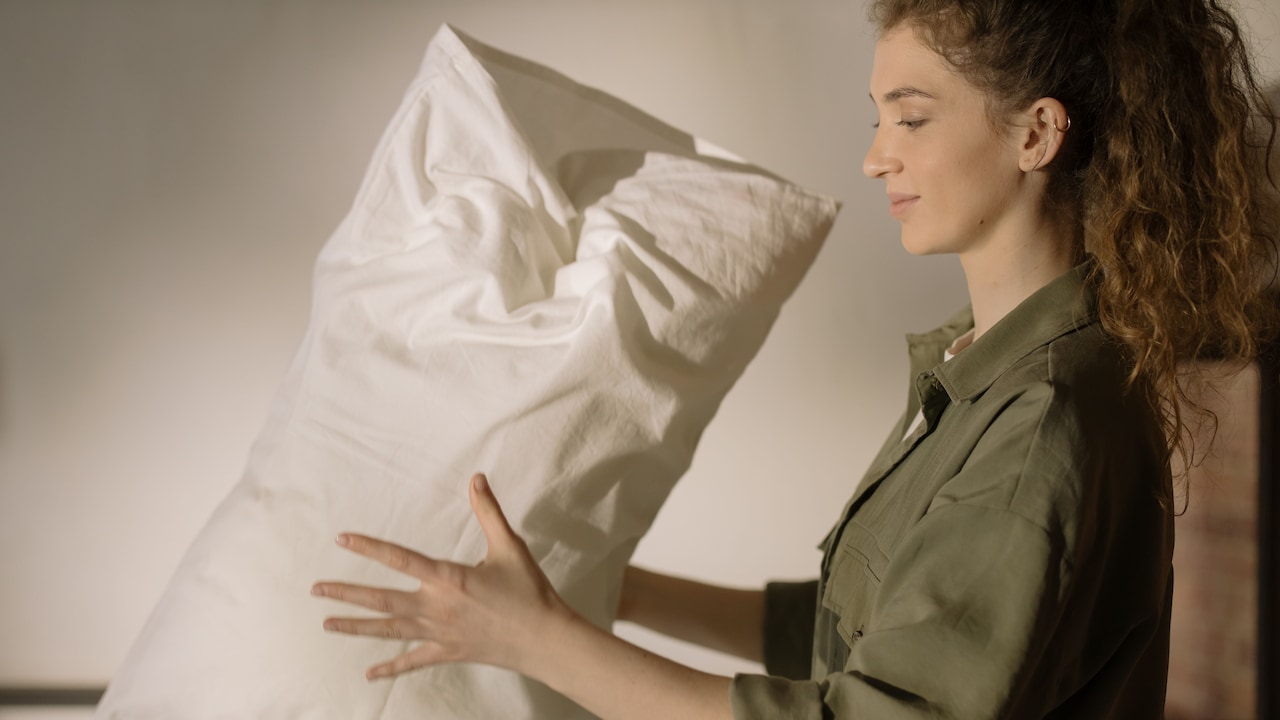
Cotton vs Microfiber Towels: What Works Better For Daily Household Tasks?; Photo Credit: Pexels
Breaking Down Cotton And Microfiber For Everyday Use
1. Fabric Fundamentals: What Cotton And Microfiber Are Really Made Of
Cotton towels begin their journey in fields, spun from natural fibres that breathe with ease. This natural origin gives cotton its familiar softness and gentle touch. The fibres allow air to pass through, which helps the towel feel comfortable on the skin, especially after a hot shower.
Microfiber tells a different story. It blends polyester and polyamide into fibres far thinner than a strand of hair. These ultra-fine strands create a dense surface that traps water, dust, and even oil. The result feels almost futuristic when compared to traditional fabrics.
The difference shows up quickly in daily use. Cotton feels plush and welcoming. Microfiber feels smooth and efficient. One leans into comfort. The other focuses on performance. Understanding this basic contrast helps explain why opinions around towels often feel so divided at family dinners or during shopping trips.
2. Absorbency Face-Off: Which Towel Handles Water Better
Absorbency decides whether a towel feels helpful or hopeless. Cotton absorbs water by soaking it into its fibres. A thick cotton towel can hold a large amount of water, which explains that heavy, damp feeling after use. This trait works well after baths but slows drying time.
Microfiber absorbs differently. Its tiny fibres create millions of pockets that pull in water through capillary action. Instead of feeling waterlogged, the towel spreads moisture across its surface. This allows it to hold more water relative to its weight.
During humid days, this difference matters. A cotton towel may stay damp for hours, sometimes developing that unpleasant musty smell. Microfiber dries faster, which suits packed bathrooms and limited balcony space. For quick hand-drying or wiping spills, microfiber often wins. For leisurely post-shower comfort, cotton still holds its ground.
Also Read: Cotton, Microfibre Or Bamboo, Which Is The Best Towel For Your Skin?
3. Skin Comfort And Sensitivity: Daily Contact Matters
A towel touches skin more often than many realise. Comfort becomes non-negotiable. Cotton towels feel soft, fluffy, and reassuring. They suit sensitive skin, young children, and anyone who enjoys that gentle hug after a shower. Many associate cotton with care and familiarity, which adds emotional comfort.
Microfiber feels smoother and sometimes slightly grabby on very dry skin. Some enjoy this sensation, especially during face cleansing or hair drying. Others find it less cosy. High-quality microfiber has improved over the years, yet it still lacks that cloud-like feel of premium cotton.
Skin reactions also matter. Cotton, being natural, rarely irritates. Microfiber can bother extremely sensitive skin if the weave feels too tight. For daily bathing and comfort-first routines, cotton often feels like the safer bet.
4. Drying Time And Hygiene In Humid Weather
Humidity turns towels into silent troublemakers. Cotton towels, especially thick ones, struggle to dry quickly in damp weather. Prolonged moisture invites odour and bacteria. Frequent washing becomes necessary, which increases water and electricity use.
Microfiber shines in these conditions. Its quick-dry nature reduces the window where bacteria thrive. A towel washed in the morning often dries by evening, even indoors. This trait suits homes with limited sunlight or crowded drying racks.
Hygiene feels easier to manage with microfiber during long rainy stretches. Cotton still works, but it demands extra care. Spacing towels properly and ensuring airflow becomes essential. The choice here often depends on patience and available space rather than loyalty to tradition.
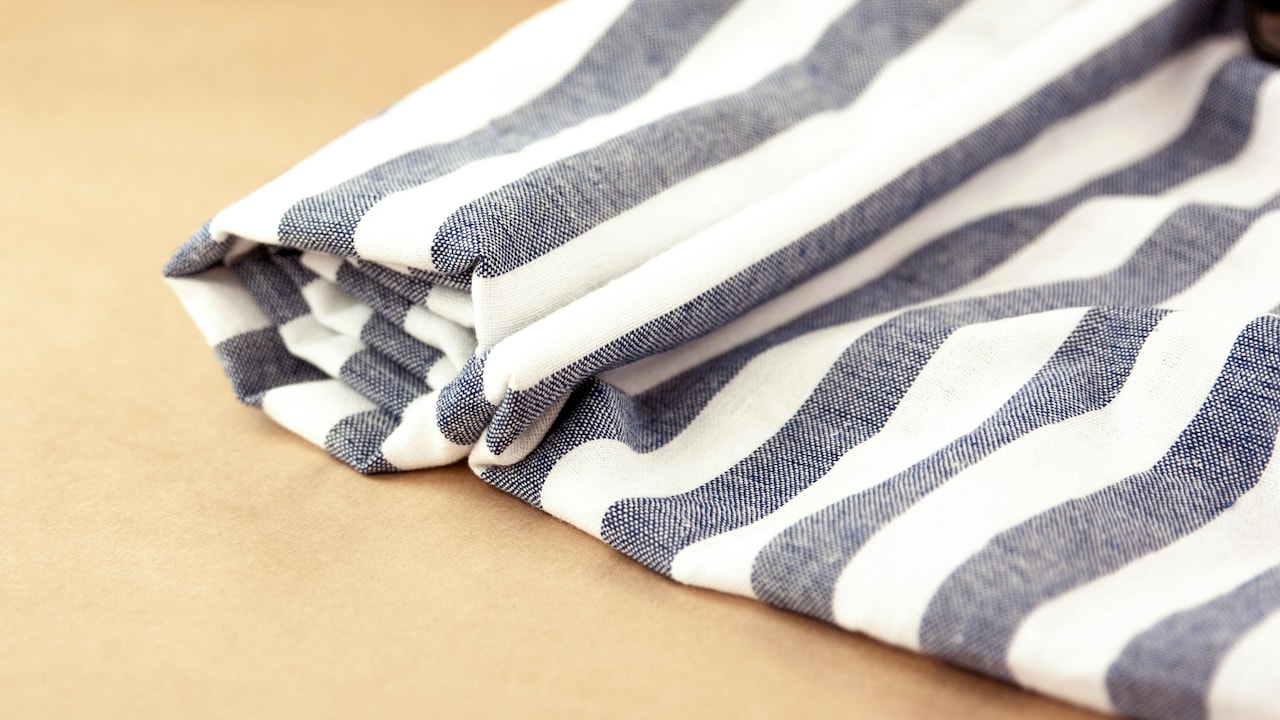
Cotton vs Microfiber Towels: What Works Better For Daily Household Tasks?; Photo Credit: Pexels
5. Durability And Long-Term Value
Towels face constant washing, wringing, and daily wear. Cotton towels age gracefully when cared for well. Over time, they may thin or lose fluff, yet they remain usable for years. Edges may fray, but the fabric stays dependable.
Microfiber resists wear impressively. The fibres hold their shape and strength through repeated washes. Colours stay brighter for longer. However, improper washing with fabric softeners can damage performance. Care instructions matter more here.
Cost over time tells an interesting story. A good cotton towel may cost more upfront, but offers years of comfort. Microfiber towels often cost less and last longer, making them economical for cleaning and utility tasks. Value depends on how the towel fits into daily routines rather than price alone.
6. Cleaning Tasks Beyond Bathing
Not all towels belong in the bathroom. Kitchens, cars, and workspaces demand different skills. Cotton towels handle spills well but leave lint behind. Glass surfaces and polished countertops rarely appreciate that.
Microfiber excels in cleaning. It traps dust instead of pushing it around. It wipes grease without smearing. From kitchen counters to mobile screens, microfiber handles delicate surfaces with confidence. Many households keep a stack just for cleaning, separate from bathing towels.
Using cotton for heavy cleaning often shortens its lifespan. Microfiber thrives in these roles. This clear division helps households build a smarter towel system, where each fabric plays to its strengths.
7. Space, Storage, And Travel Friendliness
Space feels precious in most homes. Cotton towels, especially plush ones, take up shelf space and drying lines. Folding them feels satisfying, but storing many can crowd cupboards.
Microfiber towels fold down small and weigh very little. This makes them ideal for gym bags, travel, and emergency kits. A single microfiber towel can replace several cotton ones in tight spaces.
For travel, microfiber often feels like a quiet hero. It dries overnight in hotel bathrooms and fits easily into backpacks. Cotton still feels luxurious at home but rarely leaves the house. Storage needs often guide the final decision more than fabric preference.
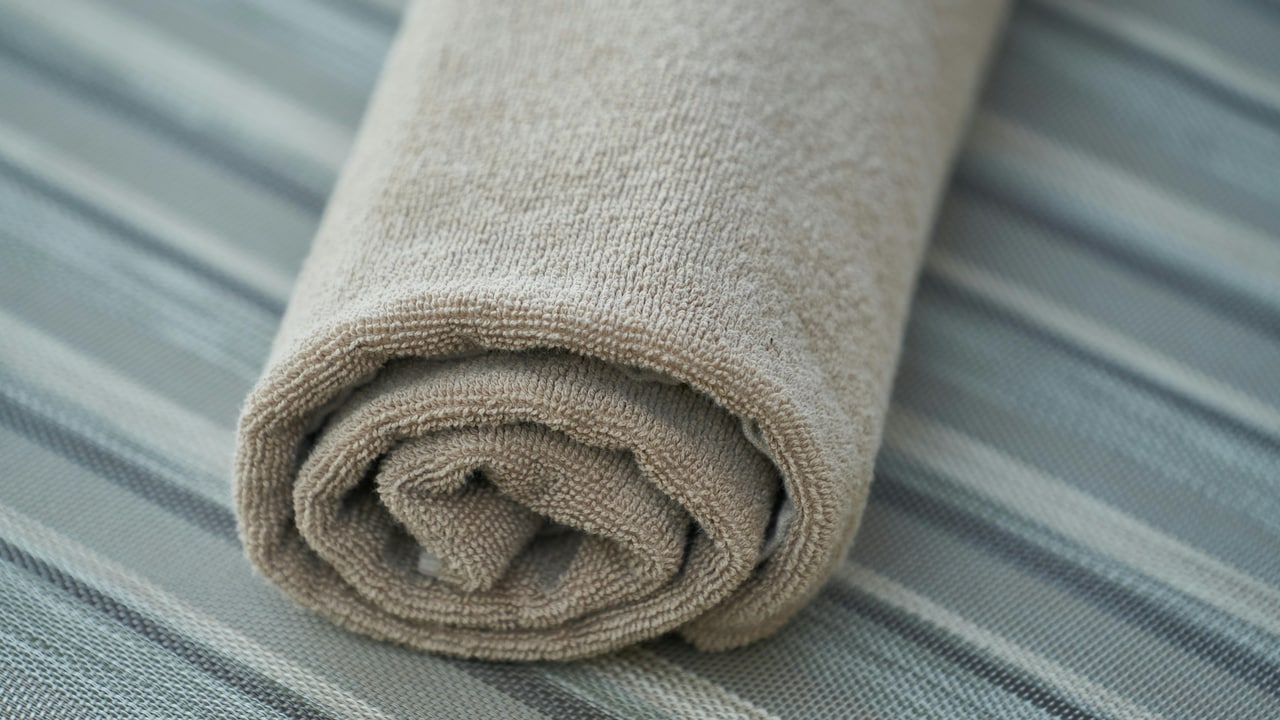
Cotton vs Microfiber Towels: What Works Better For Daily Household Tasks?; Photo Credit: Pexels
8. Environmental Impact And Conscious Choices
Environmental awareness shapes modern buying habits. Cotton, being natural, feels eco-friendly at first glance. However, cotton farming uses significant water and resources. Organic options reduce impact but cost more.
Microfiber, being synthetic, raises concerns about microplastics during washing. These tiny particles can enter water systems. Washing less frequently and using filtration bags helps reduce harm.
Neither option claims perfection. Choosing fewer, better-quality towels often matters more than fabric alone. Longevity, mindful washing, and proper use shape the true environmental footprint. Conscious choices come from balance, not extremes.
9. Cost Considerations And Everyday Budgeting
Towels rarely feel like luxury purchases, yet costs add up. A premium cotton towel may cost ₹800 or more, depending on thickness and brand. Microfiber towels often sit between ₹250 and ₹500.
Replacing towels frequently strains budgets. Cotton towels last longer when reserved for bathing. Microfiber lasts longer when used correctly for cleaning and quick drying tasks.
Smart households mix both. Investing in a few good cotton towels for comfort and several microfiber towels for utility spreads costs wisely. This balanced approach avoids overspending while covering every need without compromise.
10. Matching Towels To Lifestyle And Routine
Every home runs on habits. Morning routines, family size, laundry frequency, and climate all influence towel needs. A home with children may value soft cotton for daily baths. Busy professionals may prefer quick-drying microfiber that keeps up with fast schedules.
There is no universal winner. Cotton suits moments of rest and care. Microfiber supports efficiency and practicality. Choosing one over the other rarely works as well as choosing both with intention.
The best towel system reflects real life, not catalogue perfection. When towels align with habits, small daily moments feel smoother and less stressful.
Products Related To This Article
1. Prem House Cotton 500 GSM Bath Towel
2. PENYAN Microfiber 400 GSM Hand Towel
3. Visoka Tex Cotton 300 GSM Bath Towel
4. Fezora Microfiber 500 GSM Bath Towel
5. VEL Cotton 200 GSM Bath, Hair, Face Towel
Cotton and microfiber towels serve different purposes, yet both earn their place in modern homes. Cotton offers comfort, tradition, and that familiar softness that turns a routine shower into a small pleasure. Microfiber delivers speed, strength, and adaptability that suits busy days and compact spaces.
Rather than framing the choice as a battle, viewing it as a partnership makes more sense. Each fabric solves different problems. Together, they support daily life with quiet efficiency. The most effective towel is not the trendiest or the most advertised. It is the one that fits seamlessly into everyday moments, dries when needed, and feels right when reached for without a second thought.
(Disclaimer: This article may include references to or features of products and services made available through affiliate marketing campaigns. NDTV Convergence Limited (“NDTV”) strives to maintain editorial independence while participating in such campaigns. NDTV does not assume responsibility for the performance or claims of any featured products or services.)