10 Chopping Board Mistakes That Increase Cross-Contamination, Knife Damage And Lingering Odours
Avoid these 10 chopping board mistakes that spread germs, blunt knives and trap stubborn odours. Simple changes in cleaning, storage and food prep can make every meal safer.
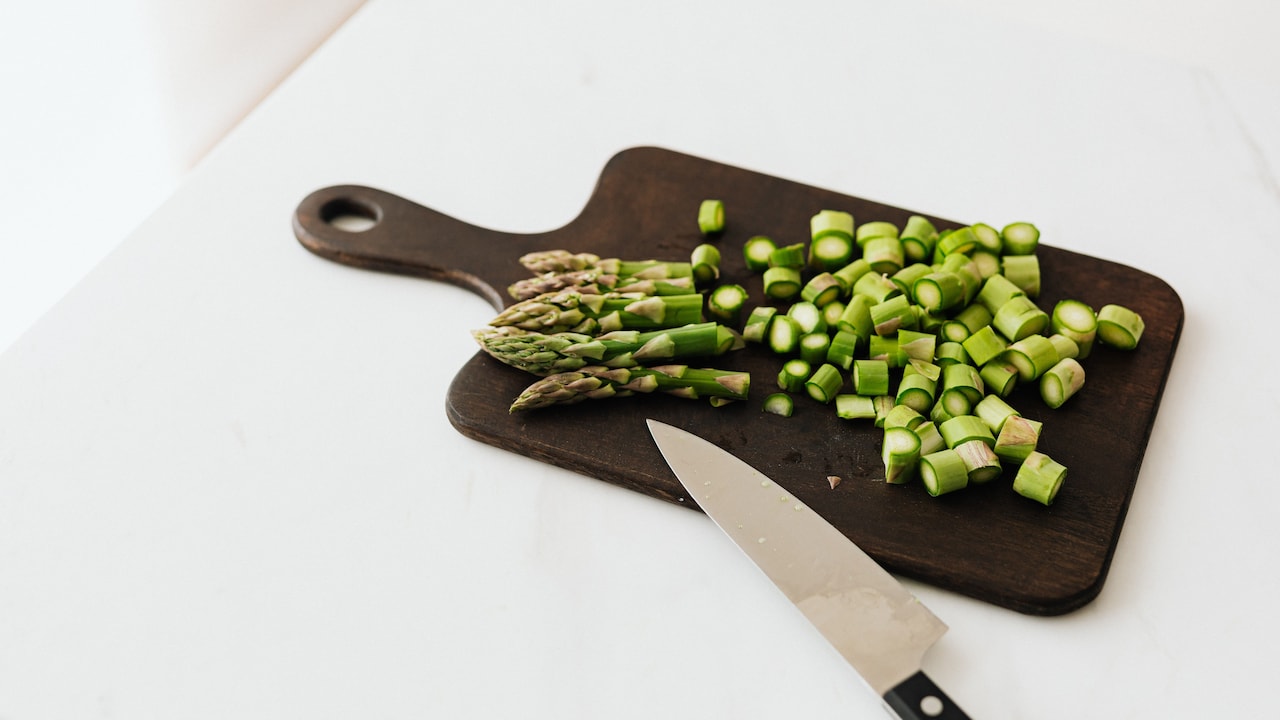
Avoid These 10 Chopping Board Mistakes For Safer Food And Sharper Knives
The chopping board may look like the most straightforward item in the kitchen. Place it on the kitchen counter, chop a few ingredients, rinse it, and move on. Simple enough, or so it seems. In reality, this humble slab sits at the centre of countless kitchen mishaps. Raw meat juices creep into cracks. Garlic leaves behind a scent strong enough to survive three rounds of washing. A sliding board sends tomatoes rolling towards the floor. Meanwhile, a beautiful ₹2,000 knife loses its edge after repeated contact with the wrong surface. Most of these problems do not come from dramatic carelessness. They grow from ordinary routines that feel harmless. Someone slices cucumber on the same board that held raw chicken. Another person leaves a damp wooden board flat on the counter. A heavily scarred plastic board remains in service because it “still looks fine”. Better chopping-board habits require little effort. They simply demand attention to the details that often escape notice.
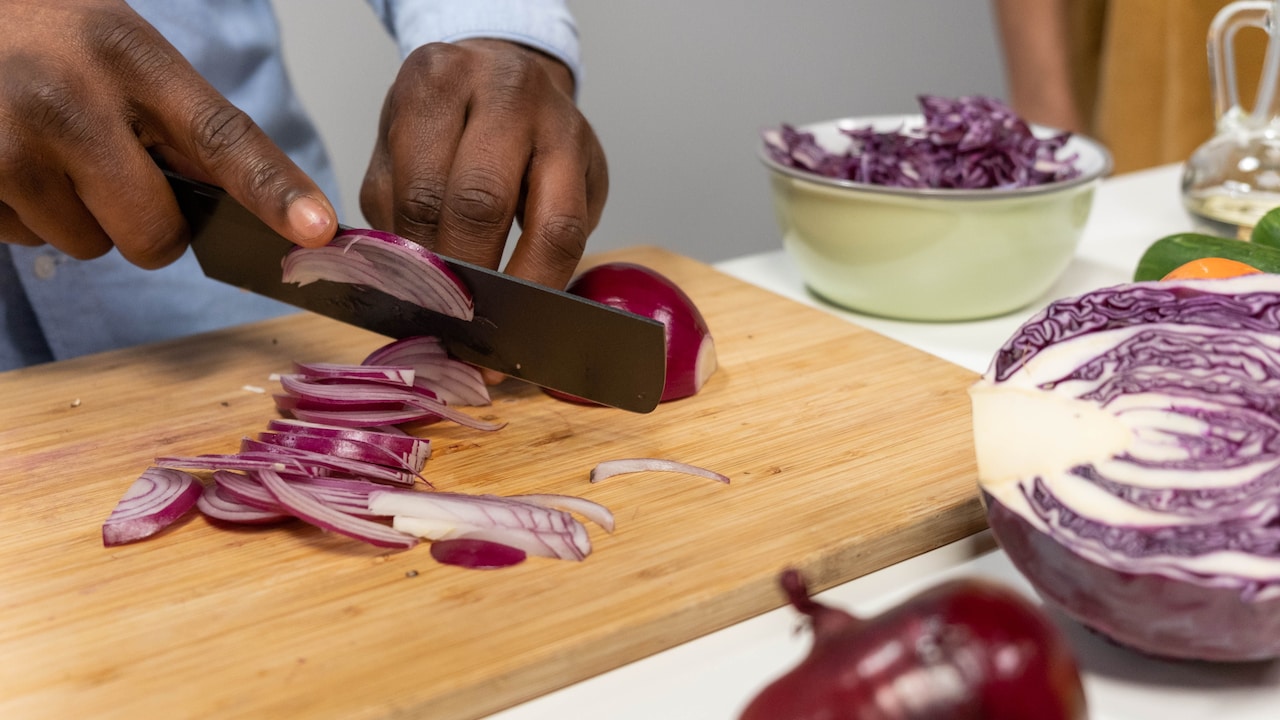
Avoid These 10 Chopping Board Mistakes For Safer Food And Sharper Knives; Photo Credit: Pexels
Common Chopping Board Habits That Cause More Harm Than Expected
1. Using One Board For Every Ingredient
One chopping board for onions, fruit, raw chicken, paneer and cooked food may seem convenient, especially in a compact kitchen. Unfortunately, convenience can quickly create a cross-contamination problem.
Raw meat and seafood may leave harmful microbes on the board. When cucumber, tomato or fruit lands on the same surface, those microbes can travel to food that will receive no further cooking. A quick splash of water between tasks does not provide enough protection.
Keep separate boards for different food groups. A simple system works well: one board for raw meat and fish, another for vegetables and fruit, and a third for bread or cooked food. Colour-coded boards make the routine easier, although labels on the handle work just as well.
Space need not become an obstacle. Thin boards can stand upright in a rack without crowding the counter. Even two boards offer far better protection than one board used for everything.
Think of the arrangement as kitchen traffic control. Raw ingredients stay in their lane, ready-to-eat foods stay in theirs, and everyone reaches the dining table without an unwanted collision.
Also Read: Cut Better, Cook Faster With Top Chopping Boards Under 500 For Every Kitchen
2. Chopping Raw Meat Before Salad Ingredients
The order of preparation matters almost as much as the choice of board. Cutting raw chicken first and then moving straight to salad vegetables creates unnecessary risk, even when the board receives a hurried rinse.
Raw meat juices can splash onto the knife, counter, sink tap and nearby containers. Once the chopping area becomes messy, microbes may travel through hands and utensils. Coriander leaves, sliced onions and lemon wedges can then pick up contamination without showing any visible warning.
Prepare ready-to-eat ingredients first. Chop fruit, salad vegetables, herbs and garnishes before opening packets of raw meat or fish. Move the clean ingredients into covered bowls, then begin the messier work.
This sequence also makes cooking feel calmer. Nobody wants to wash the entire counter while the tadka begins smoking and hungry family members ask whether dinner is ready.
After handling raw meat, wash the board, knife, hands and surrounding worktop thoroughly with hot water and dishwashing liquid. Clean the tap handle too, as it often receives attention from unwashed fingers.
Good preparation order turns hygiene into a natural part of cooking rather than an extra chore.
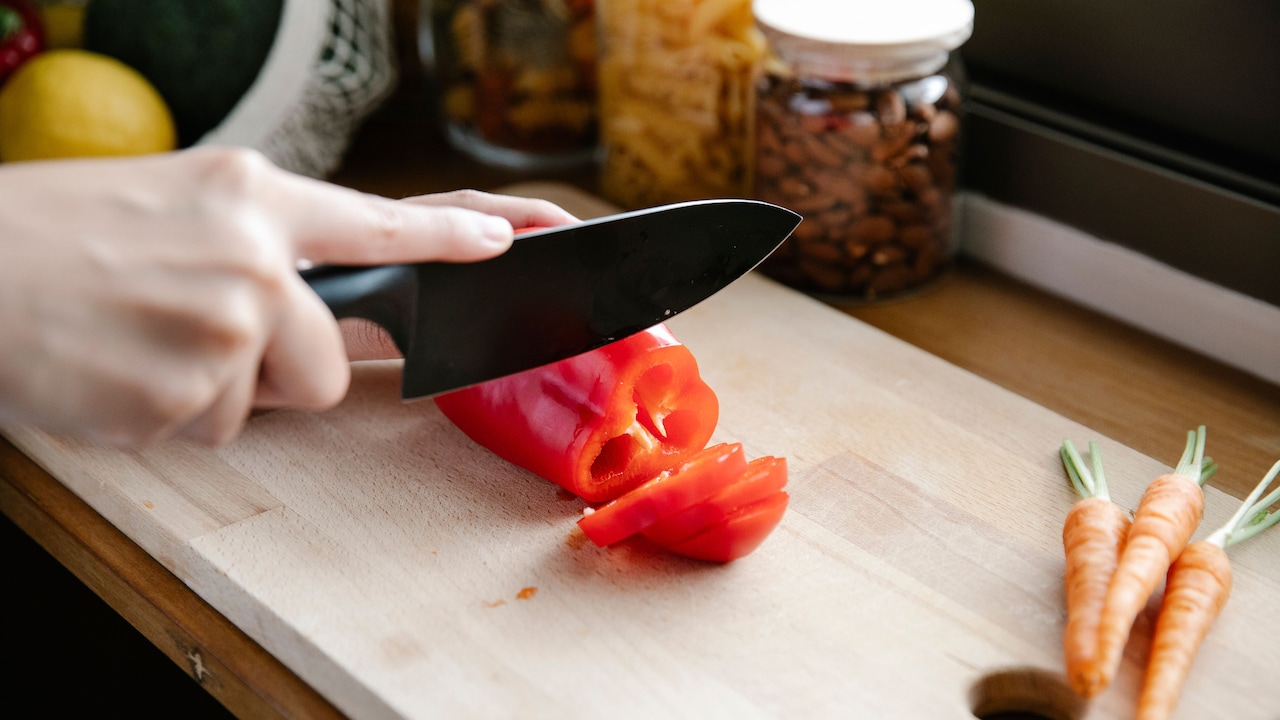
Avoid These 10 Chopping Board Mistakes For Safer Food And Sharper Knives; Photo Credit: Pexels
3. Rinsing The Board Instead Of Washing It
A quick rinse may remove visible crumbs and vegetable bits, but it does not always remove grease, proteins, bacteria or stubborn smells. Water alone often spreads residue across the surface rather than lifting it away.
Wash the board with dishwashing liquid and warm or hot water after each major task. Scrub both sides, including the edges and handle. Cleaning only the cutting surface leaves the underside neglected, even though juices often run beneath the board.
A dedicated brush helps reach shallow cuts and textured areas. Sponges can work too, but replace them regularly. A tired kitchen sponge may carry more unpleasant surprises than the board itself.
For strong-smelling ingredients such as garlic, fish or raw jackfruit, sprinkle a little coarse salt over the surface and scrub with half a lemon. Rinse afterwards and wash with dishwashing liquid. This method helps tackle odours, but it should support normal washing rather than replace it.
Avoid assuming that a board looks clean simply because no stains remain. Germs do not arrive wearing bright name tags. Proper washing removes the invisible residue that a casual rinse leaves behind.
4. Putting Every Board In The Dishwasher
The dishwasher can clean many plastic and composite boards effectively, but it does not suit every material. Wooden and bamboo boards may warp, split or loosen after repeated exposure to intense heat, detergent and prolonged moisture.
Once a wooden board develops cracks, food particles and moisture can settle inside. These hidden pockets become difficult to clean and may create lingering smells. A once-sturdy board can also begin rocking on the counter, turning routine chopping into a balancing act.
Check the manufacturer's care instructions before placing any board in the dishwasher. Wash wooden and bamboo boards by hand with warm water and mild dishwashing liquid. Do not soak them in a filled sink. Extended soaking encourages swelling and cracking.
Plastic boards usually tolerate the dishwasher better, provided the label confirms this. Place them securely so they do not bend against the heating element.
Convenience matters, but the wrong cleaning method can shorten a board's life dramatically. A quality wooden board may cost ₹1,500 or more, so treating it like an ordinary steel plate makes little financial sense.
Match the cleaning method to the material. The board will last longer, stay flatter and remain safer to use.
5. Leaving The Board Damp And Flat
A freshly washed board needs air, not a long rest in a puddle beside the sink. Leaving it damp and flat traps moisture underneath, encouraging musty odours, dark patches and surface damage.
Wooden boards suffer most from this habit. Uneven drying causes one side to lose moisture faster than the other, which can lead to warping. Plastic boards may not warp as easily, but trapped moisture can still create an unpleasant smell around deep grooves.
After washing, wipe away excess water with a clean cloth. Stand the board upright in a rack with enough space on both sides for air to circulate. Avoid pressing several wet boards tightly together.
Sunlight can help dry a board, but harsh afternoon heat may crack or bend certain materials. A bright, airy spot works better than hours under fierce sun on a balcony.
Never store a board inside a closed cabinet while it remains damp. That familiar cupboard smell does not appear by magic; moisture and poor ventilation usually create it.
A board should feel completely dry before storage. This small pause protects the material, reduces odours and prevents the kitchen rack from turning into a humid hiding place.
6. Ignoring Deep Knife Grooves
Every chopping board collects marks over time. Fine scratches look harmless, but deep grooves can trap meat juices, spices, moisture and tiny food particles beyond the reach of a casual wash.
Plastic boards often develop rough, furry-looking surfaces after years of heavy use. Wooden boards may split along the grain or form cracks near the edges. Once damage becomes extensive, scrubbing cannot guarantee a truly clean surface.
Inspect boards regularly under good light. Run clean fingers across the surface. If grooves feel deep, raised or difficult to clean, replace the board. A sour smell that returns after washing also signals trouble.
Do not keep a damaged board simply because it has become part of the kitchen family. Sentiment suits grandmother's brass kadai better than a plastic board with enough trenches to resemble a road after monsoon repairs.
Lightly scarred wooden boards may sometimes benefit from professional sanding or careful home refinishing, followed by food-safe oil. However, splitting, mould or deep cracks usually call for retirement.
A new board costs far less than a stomach infection, a ruined meal or a weekend spent cancelling plans. Know when maintenance has reached its limit.
7. Choosing Glass, Marble Or Granite Boards
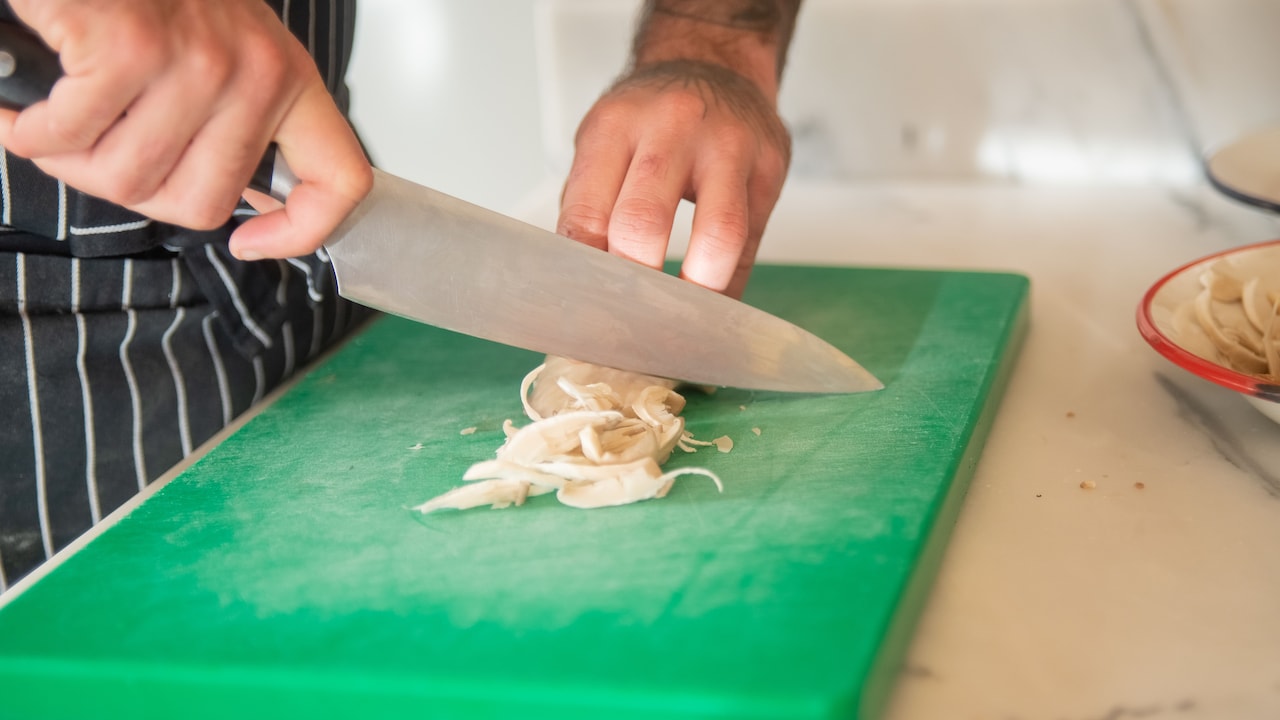
Glass and stone boards look sleek, resist stains and wipe clean quickly. They also punish knife edges with remarkable efficiency.
A knife requires a surface with a slight amount of give. Glass, marble and granite offer almost none. Each chopping motion forces the blade against a hard surface, causing the fine edge to roll, chip or blunt faster. The sharp tap-tap sound may feel professional, but the knife tells a different story.
A dull knife creates its own safety problem. It requires greater pressure and may slip off smooth foods such as tomatoes, grapes or onions. That increases the chance of cuts.
Choose wood, bamboo, quality plastic or rubber instead. End-grain wooden boards offer a particularly knife-friendly surface because the fibres separate slightly under the blade and then close again. Good rubber boards also provide excellent grip and edge protection.
Stone slabs still have useful roles. They work well for rolling dough, tempering chocolate or presenting cheese. Just keep chopping away from them.
Protecting a ₹3,000 chef's knife while using a ₹500 glass board makes practical sense. A beautiful board should not turn every onion into a small act of blade destruction.
Avoid These 10 Chopping Board Mistakes For Safer Food And Sharper Knives; Photo Credit: Pexels
8. Allowing The Board To Slide
A board that moves during chopping can cause more immediate harm than stains or odours. One forceful cut may send it skidding across a polished counter, taking the knife and fingertips along for the ride.
Smooth plastic boards often slide on granite, quartz and steel surfaces. Wooden boards can move too, especially when the counter holds a thin film of water or oil.
Place a damp, clean kitchen towel beneath the board before chopping. A small non-slip mat also works well. The aim is to create friction without raising the board unevenly.
Check stability before picking up the knife. Press each corner. If the board rocks or shifts, adjust it immediately. Never try to control a moving board with the hand holding the food.
This habit matters even more when chopping hard ingredients such as pumpkin, raw papaya or coconut pieces. These foods require extra force, and any movement can quickly become dangerous.
Avoid using a soaking-wet towel, as water may spread across the counter. A lightly damp cloth provides enough grip.
A stable board makes chopping faster, cleaner and far less stressful. It also prevents that heart-stopping moment when a knife slips and everyone in the kitchen suddenly stops talking.
9. Using The Same Side Without Checking It
Many boards look identical on both sides, which makes accidental contamination easy. Someone may cut raw fish on one side, flip the board without realising it, and later place rotis or sliced fruit on the contaminated surface.
Juices can also run over the edges and reach the underside. Flipping the board does not magically create a fresh surface when both sides have touched the counter or food residue.
Assign a clear purpose to each side. Use a permanent food-safe marking near the edge, such as “V” for vegetables and “M” for meat. Some boards already include symbols, colour strips or juice grooves that help distinguish the surfaces.
Even with separate sides, wash the entire board after handling raw ingredients. Do not treat one surface as permanently clean while neglecting the other.
Boards with a juice groove work well for meat because the channel catches liquid before it reaches the counter. Keep the flat side for drier tasks only after proper washing.
This mistake often comes from absent-mindedness rather than poor hygiene. During a busy dinner rush, both sides can look exactly the same. A tiny mark removes the guesswork and prevents an unnecessary game of “Which side held the chicken?”
10. Using Harsh Chemicals Or The Wrong Oil
Strong bleach mixtures, floor cleaners and heavily perfumed products have no place on a food-preparation surface. They may leave chemical residue, damage the material or create smells that transfer to food.
Use ordinary dishwashing liquid for routine cleaning. When disinfection becomes necessary, follow recognised food-surface guidance and use the correct dilution. More chemical does not mean more protection. It often means more rinsing and a greater chance of residue.
Wooden boards also need occasional conditioning, but cooking oils such as mustard, sunflower or olive oil make poor choices. These oils can oxidise and turn rancid, leaving the board sticky or sour-smelling.
Choose food-grade mineral oil or a board conditioner designed for wooden utensils. Apply a thin layer to a clean, completely dry board. Let it absorb, then wipe away the excess. This treatment helps reduce water absorption and prevents cracking.
Avoid furniture polish, industrial oils and fragranced products, regardless of how glossy they make the wood look. A chopping board does not need to smell like sandalwood, roses or a hotel lobby.
Gentle care works best. The goal is a clean, neutral surface that protects food, not a highly perfumed plank that gives every apple slice an unexpected aftertaste.
Products Related To This Article
1. CUMIN CO. Chopping Board
2. UrbanFix Large Natural Bamboo Wood Chopping Cutting Board for Kitchen Vegetables
3. Herrlich Homes Premium 304 Stainless Steel Rectangle Chopping Board for Kitchen
4. E-COSMOS® Plastic Cutting/Chopping Board for Kitchen
5. Wooden Chopping Board with Handle/Home Use Cutting Board
6. Vesta Homes Wooden Chopping Board, Cutting Board
7. 2in1 Large Steel Chopping Cutting Board for Kitchen
A chopping board rarely attracts attention until something goes wrong. The knife slips, the board smells of yesterday's fish, or a family member develops an upset stomach after a meal. Yet most problems begin with small habits that can change easily.
Separate raw and ready-to-eat foods. Wash the whole board rather than giving it a ceremonial rinse. Dry it upright, inspect deep grooves and choose a surface that respects the knife edge. Keep the board stable, follow the correct cleaning method and replace it when damage becomes impossible to ignore.
No kitchen needs a complicated collection of expensive boards. A few sensible choices and consistent routines provide far more value than fancy accessories. Clean tools also make cooking feel lighter. Coriander smells like coriander, mango tastes like mango, and the chef's knife glides through tomatoes instead of crushing them.
The chopping board may remain one of the quietest members of the kitchen, but it handles some of the most important work. Treat it well, and it will protect meals, knives and fingertips without demanding any applause.
(Disclaimer: This article may include references to or features of products and services made available through affiliate marketing campaigns. NDTV Convergence Limited (“NDTV”) strives to maintain editorial independence while participating in such campaigns. NDTV does not assume responsibility for the performance or claims of any featured products or services.)







![Steam Iron Teflon Shoe Cover for ES-300,ST-96 [Only For ES-300 and ST-96 Model Electric Steam Irons]](https://m.media-amazon.com/images/I/51wwkttondL._SL160_.jpg)