The Coffee Table Buying Mistake That Makes Rooms Feel Smaller
A coffee table that is too big, tall, or bulky can make even a stylish living room feel cramped. Here is the buying mistake to avoid before it shrinks your space.
The Coffee Table Mistake That Can Make Your Room Feel Cramped
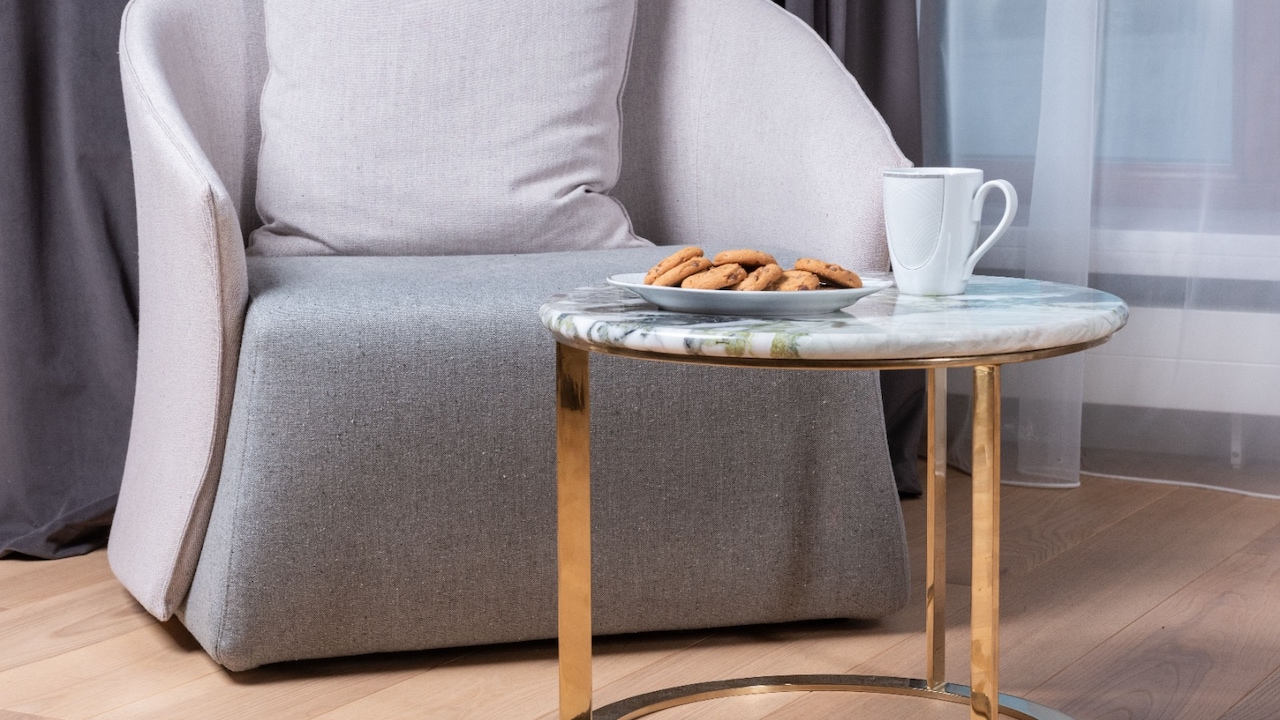
A coffee table looks harmless in the showroom. It sits there under soft lights, styled with glossy books, a ceramic bowl, and perhaps a lonely artificial plant pretending to have a full social life. Then it comes home, enters the living room, and suddenly the space feels smaller. The sofa looks bulky. The walking path disappears. Knees begin hitting corners during family conversations. Tea trays wobble. Someone quietly says, “Maybe we should have measured.” That is the coffee table buying mistake most people make. They choose the table as a separate object, not as part of the room. The design may be beautiful, the wood may be rich, and the price may feel like a clever bargain at ₹6,999 during a festive sale. Yet, if the table does not suit the sofa, floor space, traffic flow, and daily habits, it can shrink the room faster than a badly placed cupboard.
The Coffee Table Mistake That Can Make Your Room Feel Cramped; Photo Credit: Pexels
A coffee table should anchor a room, not choke it. It should help conversations flow, hold snacks during cricket nights, support laptops during work-from-home days, and still leave enough space to walk without performing a sideways dance. The right one makes a living room feel calm and generous. The wrong one turns even a decent-sized hall into a furniture obstacle course.
How A Coffee Table Can Make Or Break A Living Room
Choosing A Table That Is Too Large
The most common mistake is buying a coffee table that is simply too large for the room. Big tables look luxurious in catalogues because those rooms often have high ceilings, wide floors, and sofas that could host half a wedding party. At home, especially in city flats, the same table can feel like a wooden island dropped in the middle of the room.
A table that stretches too close to the sofa blocks movement. People stop using the space naturally. They squeeze past it, lift their feet around it, or avoid sitting in certain spots altogether. The room then feels smaller because the body senses discomfort before the eye understands it.
A good coffee table should leave breathing room. There should be enough space between the sofa and the table for legs, trays, and easy movement. If someone has to tuck their knees in like they are travelling in a crowded auto, the table is too big. A modest table that fits well will always look more elegant than a grand one that bullies the room.
Also Read: Top 5 Coffee Table Sets for Balconies Under ₹10,000: Enhance Relaxation Outdoors
Ignoring The Sofa Proportion
A coffee table and sofa behave like a couple at a family function. If they do not look comfortable together, everyone notices. A tiny table in front of a large sectional looks lost. A huge table in front of a slim sofa looks bossy. The room feels off, even if every item is individually stylish.
The table should usually be around two-thirds the length of the sofa. This proportion helps the seating area feel balanced. It also keeps the arrangement useful, so people seated at either end can still reach the table without stretching dramatically over cushions.
Many buyers fall for a table because it looks “premium” in isolation. Marble tops, chunky legs, and dramatic shapes can tempt anyone. But the real test begins when the table sits before the sofa. A low, sleek sofa needs a table with a lighter profile. A broad, cushioned sofa can carry something more solid. When the sofa and table share the right scale, the room opens up visually. When they fight for attention, the space feels crowded, even before guests arrive.
Forgetting About Walking Space
A living room is not a furniture display. It is a moving, breathing part of the home. People walk through it with tea, snacks, laundry, bags, school projects, and sometimes sleeping toddlers. A coffee table that interrupts these daily routes makes the entire room feel tighter.
Before buying, it helps to imagine the normal path through the room. Where does someone walk after entering? How does one reach the balcony, TV unit, bookshelf, or dining area? If the table sits in that path, it will create irritation every day.
The mistake becomes worse in open-plan homes, where the living and dining zones share space. A bulky table can break the flow and make both zones feel smaller. Round or oval tables often work better in such layouts because they soften movement. Rectangular tables suit longer rooms, but only when they leave enough clearance.
A beautiful table loses its charm when people keep bumping into it. Space around furniture is not wasted space. It is what makes a room feel relaxed, airy, and liveable.
The Coffee Table Mistake That Can Make Your Room Feel Cramped; Photo Credit: Pexels
Buying A Table That Is Too Tall
Height is easy to overlook, but it changes everything. A coffee table that sits higher than the sofa seat can look awkward and heavy. It interrupts the sightline and makes the seating area feel boxed in. It also feels uncomfortable during use because people expect a coffee table to sit low and relaxed.
Ideally, the table should be roughly the same height as the sofa seat or just a little lower. This creates visual ease. It also makes the table more practical for placing cups, plates, remote controls, and that one phone charger everyone keeps asking for.
Tall coffee tables often appear in stores as “multi-purpose” pieces, especially those with storage underneath. They promise convenience, but in a small room, they can feel like a mini dining table wearing the wrong outfit. The extra height adds visual bulk.
A lower table creates the impression of more vertical space. It lets the eye travel across the room without interruption. This matters in flats with standard ceiling heights, where every visual trick counts. A few centimetres can decide whether a room feels open or oddly compressed.
Picking Heavy Designs For Small Rooms
Some coffee tables look as if they have been built to survive three generations, two house moves, and a minor earthquake. Solid wood, thick legs, deep drawers, and block-like bases can look impressive. In a compact room, though, they often create visual weight.
Visual weight is not about actual kilos. It is about how heavy something appears to the eye. A dark, chunky table with closed storage can make the floor seem occupied and crowded. Even if the table technically fits, the room may feel smaller because the furniture blocks light and sightlines.
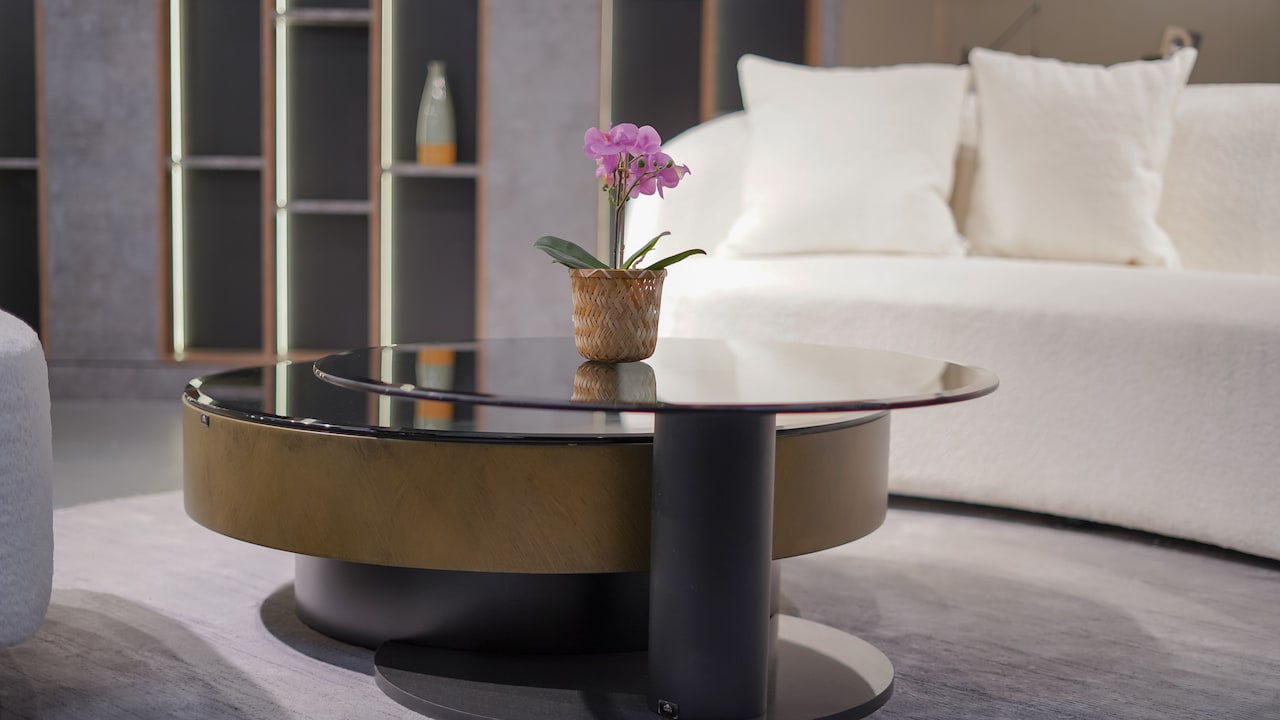
Lighter designs work better in tight spaces. Slim legs, open bases, glass tops, cane shelves, and rounded edges help the eye move through the room. The floor remains visible, which creates a sense of openness.
This does not mean every small room needs a delicate table. It means the design should not look heavier than the room can handle. A ₹12,000 solid sheesham table may be excellent quality, but quality alone cannot rescue poor proportion. Sometimes, the air around a table matters more than the table itself.
Ignoring Shape And Room Layout
Shape can make a coffee table feel friendly or frustrating. Many people default to rectangles because they look familiar. Rectangular tables do work well with straight sofas and longer rooms. But in square rooms, narrow flats, or homes with children running about, sharp rectangles can create tight corners and awkward movement.
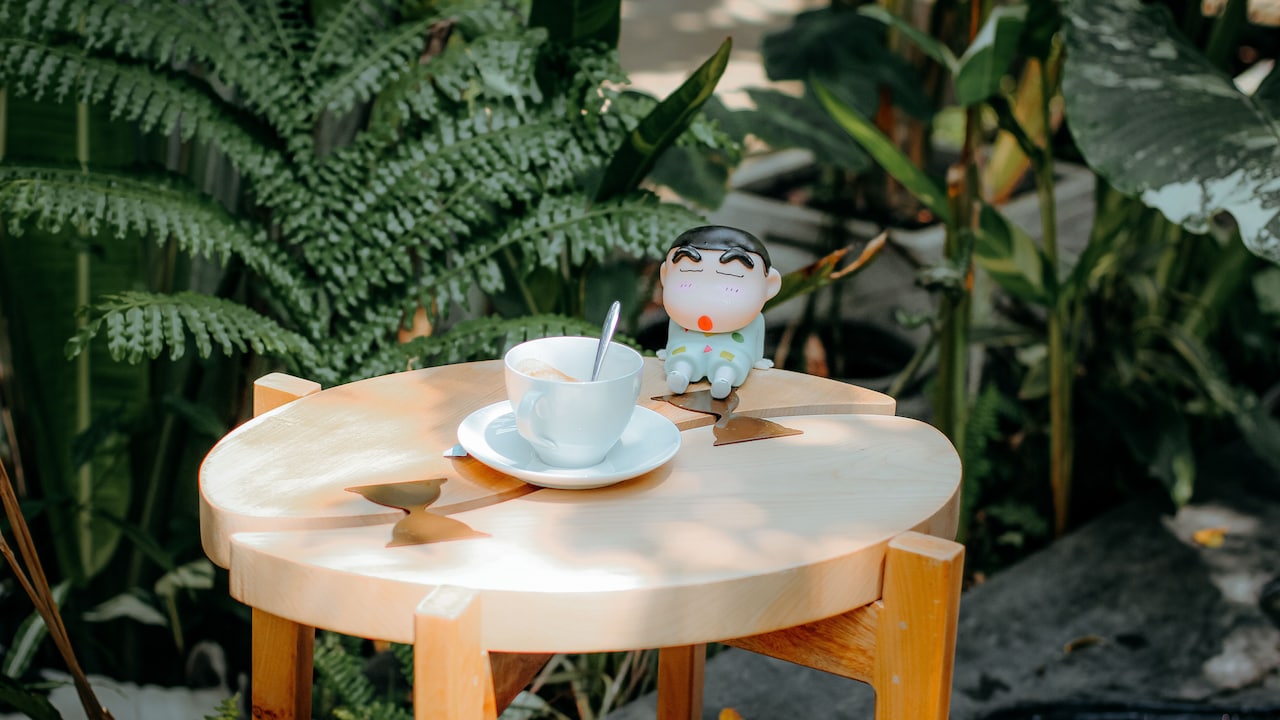
Round tables soften the space. They allow people to move around more easily and reduce the chance of bumped knees. They also suit conversation-led seating, where chairs and sofas face one another. Oval tables offer a similar benefit while still giving enough surface area for snacks, books, and décor.
Square tables can look smart with large sectionals, but they need space. In a smaller hall, they can sit too heavily in the centre and make the room feel blocked.
The shape should follow the room's rhythm. A narrow living room may need a slim oval table. A cosy family space may benefit from nesting tables that shift when guests arrive. Buying the shape that looks trendy, rather than the shape the room needs, often leads to that cramped, “something is wrong” feeling.
Choosing Storage That Adds Bulk
Storage coffee tables sound practical, especially in homes where every drawer has a job. They hide remotes, coasters, chargers, magazines, board games, and emergency namkeen packets. The problem starts when storage turns the table into a bulky box.
Lift-top tables, deep drawers, and closed bases can be useful, but they also add mass. In a small room, this mass can make the centre feel clogged. The table becomes another cabinet rather than a light, flexible surface.
Open storage often works better. A slim shelf below the tabletop can hold books or trays without making the table look heavy. Baskets can add warmth and still keep clutter under control. Nesting tables offer flexibility because they expand when needed and tuck away later.
The best storage is the kind that supports daily life without shouting about itself. A coffee table should not become the place where forgotten objects go to retire. Once it starts holding old bills, broken pens, and mystery keys, the room feels messy and smaller. Storage helps only when it stays intentional.
Falling For Showroom Styling
Showrooms know how to seduce. A coffee table appears under perfect lighting, surrounded by a sofa set, rug, lamp, and wall art that all belong to the same polished universe. At home, the table must face real life. It has to deal with steel tumblers, TV remotes, courier packets, children's crayons, laptop cables, and relatives who believe every surface exists for keeping their phone.
The mistake lies in buying the showroom mood instead of the table. A large table may look balanced in a spacious display area, but that does not mean it will suit a 10-by-12-foot living room. A glossy black surface may look glamorous until fingerprints appear five minutes after delivery.
It helps to look past the styling. Ask whether the table fits the actual sofa, rug, floor space, and lifestyle. Will it survive daily tea rounds? Will dust show easily? Can it handle guests during festivals? Does it leave room for floor seating during card games?
A coffee table should impress at home, not just under showroom lights. Real rooms need grace with stamina.
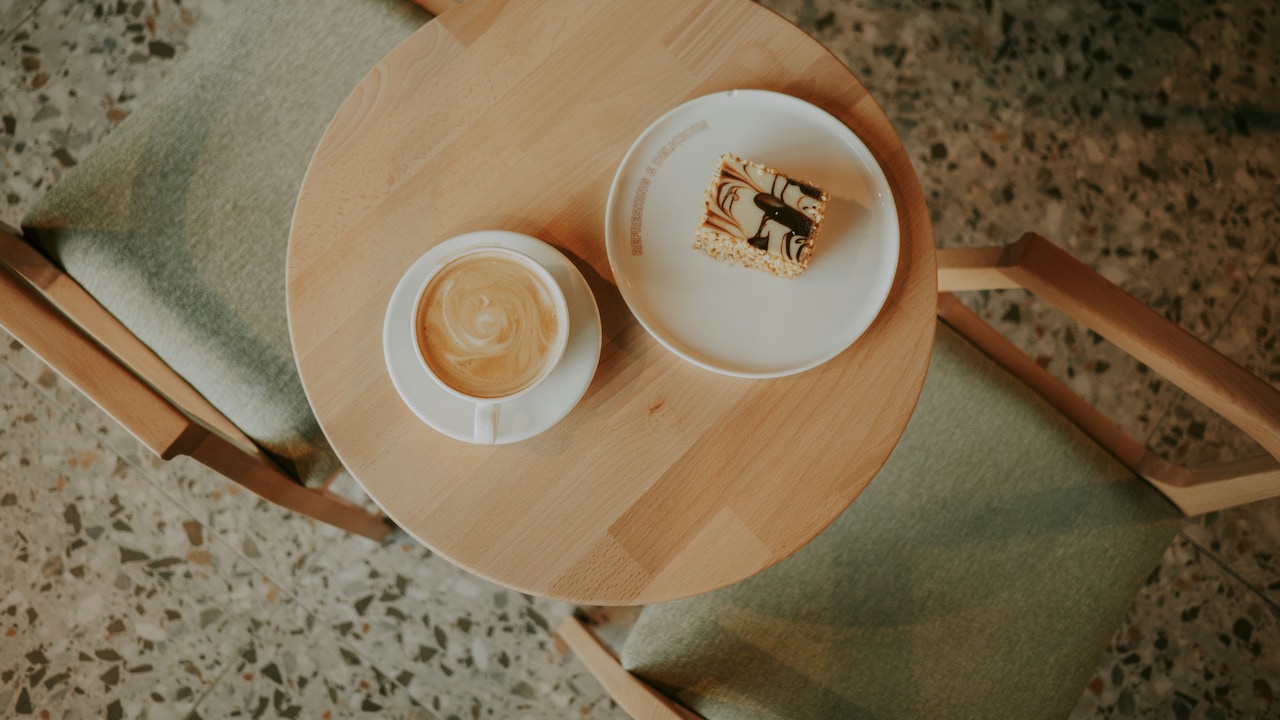
The Coffee Table Mistake That Can Make Your Room Feel Cramped; Photo Credit: Pexels
Forgetting The Rug Relationship
A coffee table rarely stands alone. It usually sits on or near a rug, and this relationship affects how large the room feels. When the rug is too small and the table is too large, the centre of the room looks confused. The table may appear to float awkwardly, while the seating feels disconnected.
A rug should help gather the furniture into one cosy zone. If only the coffee table sits on the rug and the sofa legs remain far away, the arrangement can feel like separate islands. In smaller rooms, this broken visual line makes the floor look chopped into pieces.
The coffee table should suit the rug's size and shape. A round table on a rectangular rug can look charming if the proportions are right. A slim wooden table on a dhurrie can bring warmth without heaviness. A glass table can let a patterned rug shine without adding clutter.
The mistake is treating the rug as an afterthought. When the rug and table work together, the room feels composed. When they compete, the floor feels busier than a railway platform during the holiday season.
Not Measuring Before Ordering
The simplest mistake creates the biggest regret: not measuring. Online shopping makes this easy to do. A coffee table appears beautiful on the screen, the reviews look promising, the discount countdown adds pressure, and suddenly the order is placed. Then the package arrives, and the living room begins negotiating with fate.
Measurements protect both money and mood. Before buying, mark the table size on the floor with newspaper, cardboard, or masking tape. Walk around it. Sit on the sofa. Pretend to reach for a cup. Check whether doors, drawers, balcony access, and foot movement still feel comfortable.
This small rehearsal can prevent expensive disappointment. A table worth ₹4,500 that fits properly will feel better than a ₹25,000 designer piece that blocks the room. Measuring also helps avoid returns, arguments, and the classic household line, “But it looked smaller in the photo.”
Furniture is not just about taste. It is about fit. The room always tells the truth, but only after delivery, unless measurements happen first.
Products Related To This Article
1. Brown Art SHOPPEE Round Coffee Table Home Décor Furniture Coffee Table Sets
2. Solid Sheesham Wood Coffee Center Table for Living Room
3. Solid Wood Coffee Table for Living Room
4. Elegant Round Coffee Table with Wooden Top
5. The Attic Carlston Coffee Table
6. Brown Art SHOPPEE Round Side Table
7. TARKAN Small Modern Wooden End Table for Living Room
A coffee table does not make a room feel smaller because it is ugly, cheap, or unfashionable. It does so when it ignores proportion, movement, height, shape, and the way people actually live. The biggest buying mistake is choosing the table with the heart alone and leaving the measuring tape out of the conversation.
The right coffee table feels almost effortless. It gives the sofa company, keeps essentials close, supports evening chai, and leaves enough space for people to move without careful planning. It can be stylish without being loud, useful without being bulky, and compact without looking apologetic.
Before buying one, look at the room as a whole. Notice the sofa length, the walking paths, the rug, the light, and the everyday mess that life brings. A coffee table should not demand that the room adjust around it. It should slip into the space like it was always meant to be there.
In the end, a room feels larger when furniture behaves politely. And the best coffee table is not the one that gets the most compliments on delivery day. It is the one nobody bumps into, everyone can reach, and the room quietly thanks you for choosing.
(Disclaimer: This article may include references to or features of products and services made available through affiliate marketing campaigns. NDTV Convergence Limited (“NDTV”) strives to maintain editorial independence while participating in such campaigns. NDTV does not assume responsibility for the performance or claims of any featured products or services.)








![Steam Iron Teflon Shoe Cover for ES-300,ST-96 [Only For ES-300 and ST-96 Model Electric Steam Irons]](https://m.media-amazon.com/images/I/51wwkttondL._SL160_.jpg)