Curtains That Look Cheap Despite High Price: Finish And Stitching Details
Expensive curtains can still look cheap due to poor stitching and finishing. From uneven hems to weak lining, small details make a big difference in how luxurious your curtains actually appear.
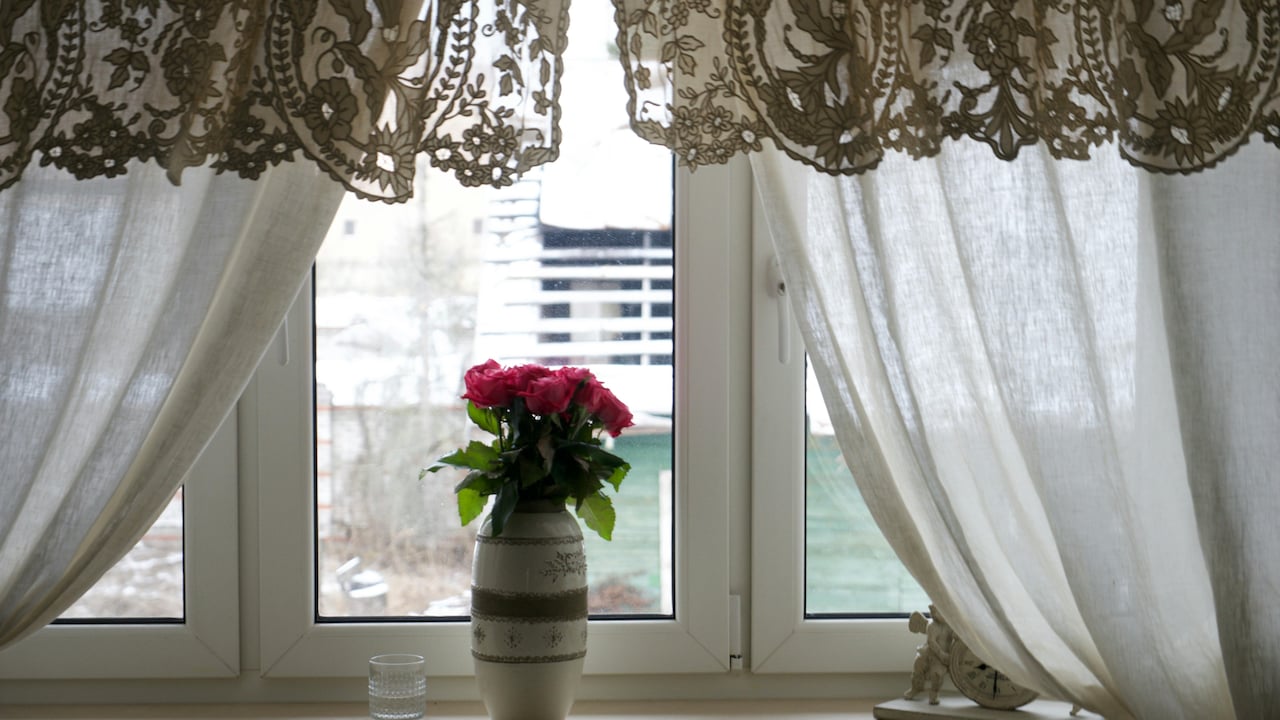
Discover reasons that make your expensive curtains look cheap
Curtains hold a curious kind of power. They frame windows, soften harsh light, and quietly set the mood of a room. Walk into any well-designed home and notice how effortlessly the right curtains pull everything together. Yet, there is an oddly common problem: curtains that cost a small fortune but somehow look… ordinary.
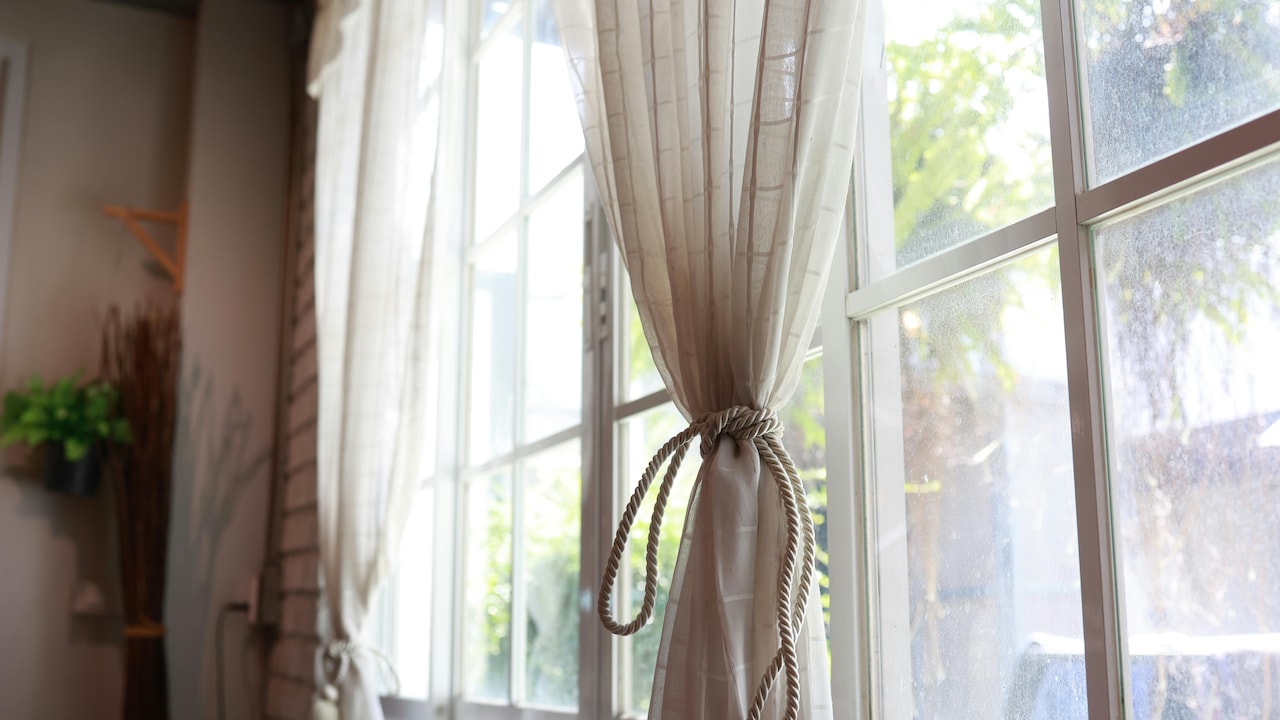
Discover what makes curtains look cheap despite their high price; Photo Credit: Pexels
The issue rarely lies in the fabric price or brand name. Instead, it hides in the details, those tiny finishing touches that often go unnoticed until something feels off. A poorly stitched hem, an awkward fall, or flimsy lining can undo the charm of even the most premium material.
In homes where every rupee is thoughtfully spent, such disappointments sting a little more. After all, nobody expects curtains worth ₹10,000 or more to resemble something picked up during a clearance sale.
Understanding these nuances changes everything. With a sharper eye for detail, choosing curtains becomes less about price tags and more about craftsmanship. The following sections uncover the quiet factors that separate truly elegant curtains from those that only pretend to be.
Also Read: Top 5 Linen Blend Curtains That Protect Privacy And Let Light In
The Small Details That Make Expensive Curtains Look Surprisingly Cheap
Uneven Hemlines That Disrupt The Entire Look
A curtain's hemline might seem like a minor detail, but it holds surprising visual weight. When hems appear uneven, the entire room feels slightly unsettled, even if everything else looks perfect.
In many homes, curtains skim the floor in some places while awkwardly hovering in others. This inconsistency often comes from rushed stitching or incorrect measurements. Expensive fabric cannot compensate for a hemline that fails to align properly.
There is also a psychological effect at play. The human eye naturally seeks symmetry. When curtains fall unevenly, they create a subtle sense of imbalance. Guests may not pinpoint the issue, yet something feels incomplete.
Well-finished curtains either gently kiss the floor or puddle with intention. Both styles require precise stitching and careful measurement. Without this attention, even a ₹12,000 curtain can look like an afterthought.
The solution lies in insisting on tailored finishing rather than relying on ready-made options. Precision transforms the same fabric from average to refined.
Poor Stitch Density And Loose Threads
Stitching quality speaks volumes, though it rarely shouts. Loose threads, inconsistent stitch lines, or visible gaps instantly reduce the perceived value of curtains.
High-priced curtains sometimes suffer from mass production shortcuts. Stitch density becomes uneven, especially along edges and pleats. Over time, these weak stitches loosen further, making the curtain look worn far sooner than expected.
Loose threads dangling from seams create a careless impression. It suggests that the product lacked attention during finishing, regardless of its cost.
Good stitching remains invisible. It supports the structure without drawing attention. The seams feel firm, clean, and consistent across the entire panel.
In homes where every detail matters, from polished floors to curated cushions, such flaws stand out sharply. Spending ₹8,000 or ₹10,000 only to notice unraveling threads within months feels frustrating.
Choosing curtains with tight, uniform stitching ensures longevity and elegance. It is one of those quiet upgrades that make a visible difference.
Inadequate Or Cheap Lining Choices
Curtain lining often goes unnoticed until it fails its purpose. A poor-quality lining can make even the richest fabric look thin, dull, or lifeless.
Lining influences how curtains fall, how they block light, and how colours appear. Without proper backing, sunlight can wash out even deep hues, making them look faded over time.
Some high-priced curtains compromise here to cut costs. They use thin or synthetic linings that lack structure. As a result, the curtain loses its crisp appearance and begins to look limp.
A good lining adds weight and enhances drape. It allows the curtain to hang gracefully, creating a fuller and more polished look. It also protects the outer fabric from harsh sunlight, which is particularly important in bright climates.
Imagine spending ₹15,000 on velvet curtains only to see them appear flat and dull within weeks. The disappointment often traces back to poor lining rather than the fabric itself.
Investing in quality lining transforms curtains from decorative pieces into functional, long-lasting elements of the home.
Incorrect Pleating Styles That Look Awkward
Pleats define the personality of curtains. When done well, they create structure and rhythm. When done poorly, they make even premium curtains appear clumsy.
Different pleating styles suit different spaces. Pencil pleats, pinch pleats, and eyelet designs each offer distinct aesthetics. Problems arise when the chosen style does not align with the fabric or room setting.
Heavy fabrics paired with weak pleating lose their shape quickly. Similarly, overly tight pleats on light fabrics create an artificial, stiff look.
Incorrect spacing between pleats also disrupts the flow. Curtains may bunch up unevenly or fail to spread gracefully when drawn.
The result feels off-balance, as though the curtain struggles to sit comfortably in its place. Even a ₹9,000 curtain can lose its charm if pleats look forced or uneven.
Well-crafted pleats maintain their structure over time. They guide how the fabric falls and folds, ensuring the curtain looks elegant whether open or closed.
Visible Seams That Break The Fabric Flow
Seams should support the curtain, not distract from it. Yet, poorly placed or overly visible seams can break the visual continuity of the fabric.
This issue often appears in wide windows where multiple fabric panels are joined together. When seams do not align properly or stand out due to mismatched stitching, they disrupt the overall look.
Premium curtains aim for seamless elegance. The fabric should flow uninterrupted, creating a cohesive appearance.
Visible seams draw attention to construction flaws. They remind viewers that the curtain is pieced together rather than thoughtfully designed.
In some cases, seam puckering adds to the problem. The fabric gathers unevenly along stitch lines, creating ripples that distort the curtain's fall.
For curtains costing ₹10,000 or more, such imperfections feel particularly disappointing. Attention to seam placement and finishing makes all the difference between a polished look and a patchy one.
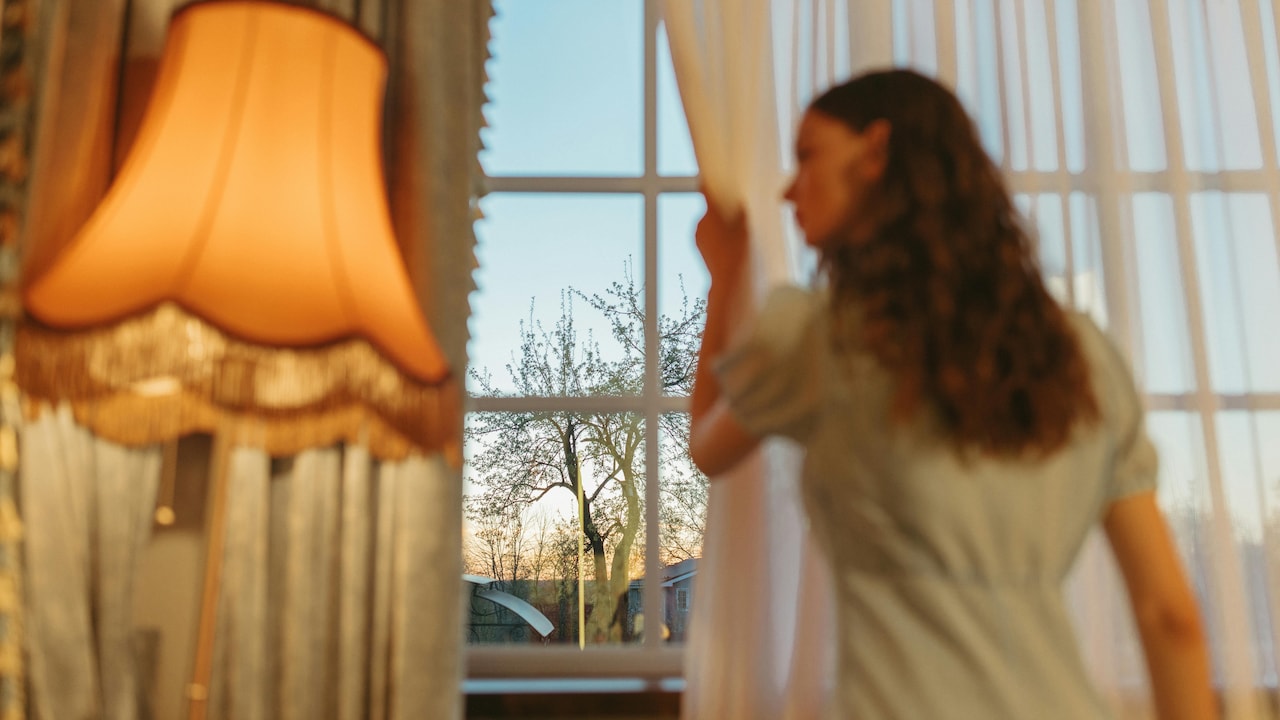
Poorly placed or visible seams can break the visual continuity of the fabric; Photo Credit: Pexels
Improper Curtain Length That Feels Off-Balance
Curtain length plays a crucial role in defining a room's proportions. Curtains that end too high or drag excessively can distort the visual harmony of a space.
Short curtains often look accidental, as though they shrank in the wash. On the other hand, overly long curtains without intentional pooling appear messy rather than luxurious.
The ideal length depends on the room's design. Some spaces benefit from floor-length curtains that just touch the ground, while others embrace a slight puddle for added drama.
Mistakes usually occur during measurement or stitching. Even a small error of a few centimetres can change the entire aesthetic.
For curtains priced at ₹7,000 or more, such inaccuracies feel avoidable. Proper measurement and precise stitching ensure the curtains complement the room rather than compete with it.
A well-measured curtain enhances ceiling height and creates a sense of order. It quietly elevates the entire space.
Cheap Looking Curtain Headers And Hooks
Curtain headers and hooks rarely receive attention during purchase. Yet, they significantly influence how curtains hang and function.
Low-quality hooks or flimsy headers can cause uneven hanging. Curtains may tilt, sag, or bunch awkwardly at the top.
Plastic hooks that bend under weight often create gaps between pleats. This disrupts the clean, structured look expected from premium curtains.
Similarly, poorly stitched headers fail to hold pleats firmly. Over time, they lose shape and require constant adjustment.
Even curtains worth ₹12,000 can look unimpressive if the hardware lacks quality. The top section becomes the weakest link, undermining the overall appearance.
Strong, well-designed headers ensure the curtain hangs evenly. They maintain structure and allow smooth movement, enhancing both aesthetics and functionality.
Mismatched Thread Colours That Stand Out
Thread colour might seem insignificant, but it plays a subtle yet powerful role in finishing. When thread does not match the fabric, it becomes an unintended highlight.
Contrasting stitches along hems or seams draw attention to construction rather than design. This creates a slightly unfinished look, even when the fabric itself is premium.
The issue becomes more noticeable in lighter fabrics or solid colours. Dark threads on pastel curtains, for instance, can appear jarring.
Matching thread requires careful selection and attention during stitching. It is a small detail that signals quality craftsmanship.
Curtains priced at ₹8,000 or more should not reveal such inconsistencies. The expectation is seamless integration, where stitches blend quietly into the fabric.
When thread matches perfectly, it disappears into the design. The curtain looks refined, allowing the fabric and form to take centre stage.
Improper Weight Distribution That Affects Drape
Curtains should fall naturally, with a smooth and even drape. Poor weight distribution disrupts this flow, making curtains look stiff or uneven.
Light fabrics without proper weighting tend to flutter excessively. Heavy fabrics without balanced support may pull unevenly, creating awkward folds.
Weight distribution depends on stitching techniques, lining, and sometimes added weights at the hem. Without these elements, curtains struggle to maintain shape.
The result often feels unpolished. Curtains may cling to one side or fail to spread evenly across the window.
Even at ₹10,000 or more, such issues diminish the visual appeal. The curtain appears less luxurious and more functional.
Balanced weight ensures graceful movement and consistent structure. It allows the curtain to respond naturally to airflow while maintaining its intended form.
Neglecting Edge Finishing And Side Seams
Edges frame the curtain just as much as the fabric itself. Poorly finished edges can make curtains look incomplete, regardless of cost.
Frayed edges, uneven side seams, or rough stitching instantly reduce perceived quality. These flaws often become more visible with time as the fabric begins to wear.
Edge finishing requires precision and care. Clean, neatly stitched sides create a polished border that enhances the overall design.
In many cases, shortcuts during manufacturing lead to weak edge finishing. Curtains may look acceptable at first glance but reveal flaws upon closer inspection.
For a product priced at ₹6,000 or higher, such compromises feel unnecessary. Attention to edges signals attention to detail.
Well-finished edges contribute to durability as well. They prevent fraying and help the curtain maintain its structure over time.
Products Related To This Article
1. HOMEMONDE White & Yellow 2 Pieces Floral Cotton Sheer Door Curtains
2. URBAN SPACE Yellow Embroidered Long Door Curtain
3. Tranquebar Home Green & White Ethnic Motifs Door Curtain
4. CHHAVI INDIA Pink & White 4 Pieces Floral Printed Door Curtain
5. DDecor White Single Curtain Curtain
Curtains may appear simple, yet they carry a surprising depth of craftsmanship. The difference between elegant drapes and disappointing ones rarely lies in price alone. Instead, it rests in the quiet details, those finishing touches that often escape immediate notice.
From stitching quality to lining, from pleats to edge finishing, each element contributes to the final impression. When even one of these aspects falls short, the entire curtain risks looking cheaper than it truly is.
In homes where design choices reflect personality and care, such details matter. Curtains are not just functional pieces; they shape the atmosphere of a room.
Paying attention to these subtle factors transforms curtain shopping into a more thoughtful experience. It ensures that every rupee spent translates into visible value.
After all, true elegance does not shout. It whispers through precision, balance, and the kind of craftsmanship that feels right the moment one walks into the room.
(Disclaimer: This article may include references to or features of products and services made available through affiliate marketing campaigns. NDTV Convergence Limited (“NDTV”) strives to maintain editorial independence while participating in such campaigns. NDTV does not assume responsibility for the performance or claims of any featured products or services.)