Does A Firmer Mattress Always Give Better Support? 10 Mattress Myths Explained
Does a firmer mattress guarantee better sleep? Explore 10 common mattress myths about firmness, comfort, back support, durability and materials to make smarter choices for restful nights.

Does A Firmer Mattress Always Give Better Support? 10 Mattress Myths Explained
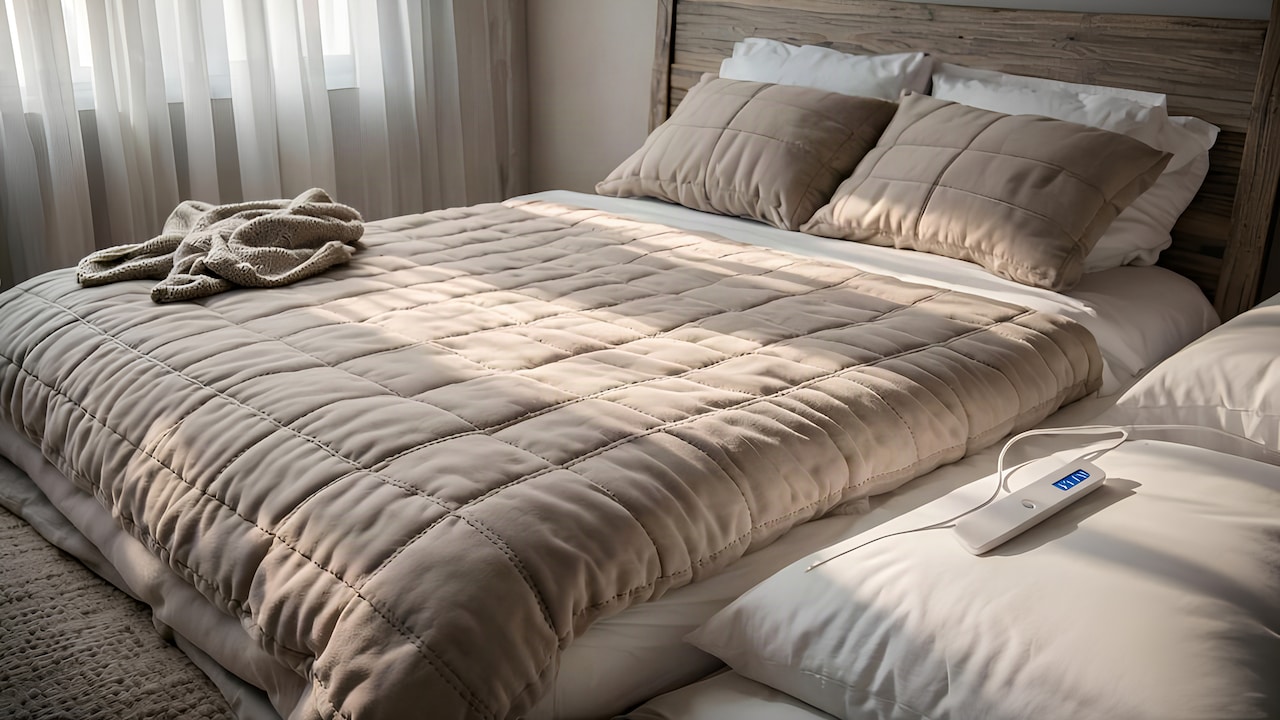
A mattress can look perfectly comfortable in a showroom and still become the reason someone wakes up with a stiff back every morning. Perhaps it felt wonderfully soft during that five-minute trial. Or maybe the salesperson insisted that a rock-hard mattress would fix every sleeping problem. Either way, choosing the right mattress often involves more confusion than expected. Mattress shopping comes with plenty of well-meaning advice. Some people swear by firm surfaces, while others wouldn't give up their plush beds for anything. Then there are claims about memory foam, orthopaedic mattresses, expensive materials and the supposed need to replace a mattress every few years. With so many opinions floating around, separating useful guidance from marketing promises becomes surprisingly difficult.'

Does A Firmer Mattress Always Give Better Support? 10 Mattress Myths Explained
Photo Credit: Pexels
The truth is that mattress support depends on more than firmness alone. Sleeping position, body weight, pressure distribution and personal comfort all influence how well a mattress performs. A surface that feels supportive to one person might leave another tossing and turning. Before investing in a new mattress or blaming the current one for every restless night, it's worth examining ten common myths that often influence buying decisions.
10 Common Mattress Myths And The Truth Behind Them
1. Myth: A Firmer Mattress Always Provides Better Back Support
Firm mattresses have enjoyed a reputation for being better for the back. Many households even associate a hard sleeping surface with good posture. However, firmness and support aren't interchangeable. A mattress can feel extremely hard without providing the right support for the spine.
Good support means keeping the spine in a reasonably neutral position while allowing heavier areas, such as the shoulders and hips, to settle comfortably. An excessively firm mattress may create pressure around these areas, particularly for side sleepers. Instead of improving alignment, it might leave gaps beneath the waist or force the body into an uncomfortable position.
Research involving people with chronic, non-specific lower back pain has suggested that medium-firm mattresses may provide better outcomes than very firm ones. That doesn't make medium-firm surfaces ideal for everyone, though.
Body weight and sleeping habits also matter. Someone who sleeps on their stomach may prefer firmer support, while a side sleeper might need more cushioning.
The goal isn't to find the hardest mattress in the shop. It's to choose one that supports the body without making sleep feel like an endurance test.
2. Myth: Soft Mattresses Are Always Bad For Your Spine
Soft mattresses often get blamed for back pain, poor posture and restless sleep. Yet softness alone doesn't determine whether a mattress supports the body properly. Some mattresses offer a plush surface while maintaining a stable support layer underneath.
Consider someone who sleeps mostly on their side. Their shoulders and hips naturally press deeper into the mattress. A surface with some cushioning can accommodate these curves and reduce uncomfortable pressure. An extremely hard mattress, meanwhile, might leave those areas feeling sore.
The real concern arises when softness turns into excessive sinking. If the hips drop significantly below the rest of the body, the spine may bend unnaturally. Over several hours, that position can contribute to discomfort.
Modern mattresses often combine softer comfort layers with firmer foam or springs beneath them. This arrangement allows the surface to feel gentle without sacrificing structural support.
So, a mattress doesn't need to feel like a wooden board to protect the back. The important distinction lies between cushioning that follows the body's natural shape and sagging that fails to support it.
3. Myth: Orthopaedic Mattresses Can Cure Back Pain
The word 'orthopaedic' sounds reassuring, particularly when back pain makes everyday activities uncomfortable. Mattress advertisements often use the term to suggest specialised spinal support. However, an orthopaedic label doesn't automatically mean a mattress has undergone clinical testing or offers proven therapeutic benefits.
In many cases, manufacturers use the description to indicate a firmer design or a particular support system. Different brands may apply the label to products with entirely different constructions.
Back pain also has numerous possible causes. Muscle strain, prolonged sitting, poor sleeping positions and underlying medical conditions can all contribute. Changing the mattress might improve comfort when an unsuitable sleeping surface aggravates symptoms, but it cannot treat every cause.
Someone experiencing persistent pain should consider professional medical advice rather than relying entirely on product claims.
When comparing mattresses, focus on how the surface supports the shoulders, lower back and hips. Look for clear construction details and realistic comfort promises.
A well-designed mattress can become part of a more comfortable sleep routine. Expecting it to perform miracles overnight, however, gives a piece of bedroom furniture far too much responsibility.
Also Read: Sleep Better For Less: Shop King-Size Mattresses Under ₹20,000 On Amazon
4. Myth: Expensive Mattresses Always Offer Better Sleep Quality
A mattress carrying a ₹70,000 price tag might feature premium fabrics, elaborate stitching and several layers of specialised foam. Meanwhile, a simpler ₹20,000 mattress could feel considerably more comfortable to someone with different sleeping preferences.
Price often reflects materials, manufacturing methods, brand positioning and additional features. These factors can influence quality, but they don't guarantee a better match for every sleeper.
For example, a premium mattress might include advanced cooling layers that offer limited benefits in a bedroom with consistently comfortable temperatures. Another model might provide elaborate zoned support that a particular sleeper barely notices.
That said, choosing the cheapest available mattress without examining its construction can also prove disappointing. Low-density foam may lose its shape sooner, while poorly designed springs can create uneven support.
The smarter approach involves comparing material specifications, warranty conditions, trial policies and everyday comfort.
A mattress represents a long-term purchase, so durability matters alongside the initial cost. Still, paying more only makes sense when the additional features offer genuine value.
A peaceful night's sleep doesn't necessarily require the most expensive mattress in the showroom.
5. Myth: Memory Foam Mattresses Always Make You Feel Hot
Memory foam has a reputation for trapping heat, especially during warm and humid nights. That concern isn't entirely imaginary. Traditional memory foam responds to body heat and pressure, allowing sleepers to sink into its surface. This close contact can restrict airflow around the body.
However, not every memory foam mattress behaves identically. Manufacturers now offer open-cell structures, ventilated layers and different foam formulations intended to improve temperature regulation.
Some products also include cooling fabrics or gel-infused materials. These features may change how the mattress initially feels, although their ability to prevent heat buildup varies.
Bedroom conditions play an equally important role. A thick mattress protector, synthetic bedsheets or limited ventilation can make even a relatively breathable mattress feel uncomfortable.
People who regularly wake up sweating should consider the complete sleeping environment rather than focusing only on the mattress material.
A breathable cotton sheet, suitable room temperature and a mattress that allows reasonable airflow can improve comfort.
Memory foam isn't automatically a poor choice for warmer weather. However, hot sleepers should examine its construction carefully instead of assuming every cooling claim guarantees a sweat-free night.

Does A Firmer Mattress Always Give Better Support? 10 Mattress Myths Explained
Photo Credit: Pexels
6. Myth: You Must Replace Your Mattress Every Eight Years
The familiar eight-year mattress replacement rule sounds wonderfully straightforward. Unfortunately, mattresses don't follow calendars. Their useful lifespan depends on construction quality, materials, body weight, maintenance and daily use.
A well-made latex mattress might remain supportive for considerably longer than a basic foam mattress. Similarly, a frequently used mattress in a poorly ventilated bedroom may deteriorate faster than one with more favourable conditions.
Rather than marking a replacement date immediately after purchase, watch for changes in comfort and structure.
Visible sagging, permanent body impressions, damaged springs and uneven support can indicate deterioration. Waking with discomfort that improves after sleeping elsewhere may also suggest that the mattress deserves closer attention.
However, occasional back pain doesn't automatically mean the mattress has reached retirement age. Stress, physical activity and other health factors can influence how the body feels each morning.
Regular cleaning, suitable bed support and following the manufacturer's rotation instructions may help preserve mattress condition.
Eight years can serve as a useful reminder to assess an ageing mattress. It shouldn't become an automatic deadline for replacing something that still performs well.
7. Myth: A Thick Mattress Is Always More Comfortable And Supportive
A towering mattress with multiple cushioning layers can look luxurious. It might even make an ordinary bedroom resemble a hotel suite. But thickness alone reveals surprisingly little about actual comfort.
Mattress height depends on the materials and layers inside. Some thick models combine substantial comfort layers with supportive cores. Others simply contain additional padding that contributes little to spinal alignment.
A comparatively thinner mattress with quality materials and thoughtful construction may perform equally well, depending on the sleeper's needs.
Thickness also influences practical considerations. An unusually tall mattress can make getting in and out of bed awkward, particularly when paired with a high bed frame. Standard fitted sheets may struggle to accommodate its depth.
Instead of treating height as a measure of quality, examine the purpose of each layer.
The comfort section should relieve pressure, while the support core should help prevent excessive sinking. Both components matter more than the mattress's overall appearance.
A thick mattress isn't necessarily a bad investment. It simply needs to offer something beyond extra centimetres and an impressive profile in product photographs.
8. Myth: One Mattress Firmness Suits Every Sleeping Position
Two people can sleep on the same mattress and wake up with completely different opinions about it. One might enjoy its firmness, while the other complains about aching shoulders. Sleeping positions explain part of this difference.
Side sleepers generally need enough cushioning around the shoulders and hips to prevent concentrated pressure. Back sleepers often benefit from balanced support that accommodates the natural curve of the lower back.
Stomach sleepers may prefer a firmer surface that limits excessive sinking around the midsection. Even then, comfort varies with body size and individual anatomy.
Combination sleepers face another challenge because they change positions throughout the night. Their mattresses need to accommodate movement without feeling overly restrictive.
Firmness ratings can provide an initial reference, but manufacturers don't always use identical standards. A medium-firm mattress from one brand might feel noticeably different from another.
Body weight further complicates comparisons. Heavier sleepers may sink more deeply into certain materials, while lighter sleepers might find those same surfaces unexpectedly hard.
Rather than choosing firmness according to a universal rule, consider the position in which sleep feels most natural and comfortable.
9. Myth: Testing A Mattress For Five Minutes Is Enough
A quick showroom trial can reveal whether a mattress feels immediately uncomfortable. Unfortunately, it rarely provides enough information about how the surface will perform during an entire night.
Most people behave differently while testing mattresses. They sit on the edge, press the surface with their hands and lie perfectly still for a few minutes. None of these actions accurately reflects several hours of changing positions during sleep.
A more useful test involves lying in the usual sleeping position for at least 10–15 minutes, preferably longer when possible. Notice whether the shoulders feel compressed, the lower back lacks support or the hips sink excessively.
Couples should ideally test the mattress together. Movement transfer and available space can significantly influence shared sleeping comfort.
Online mattress brands sometimes offer home trials, allowing buyers to experience the surface over multiple nights. However, trial conditions differ, so checking return fees, minimum trial periods and collection policies matters.
Some mattresses also require a short adjustment period as the body becomes accustomed to a different surface.
An attractive showroom display might catch attention, but thoughtful testing offers a better chance of avoiding an expensive bedroom regret.
10. Myth: A Good Mattress Never Needs Maintenance
Mattresses might not demand the attention of kitchen appliances, but they still benefit from basic care. Assuming that a quality mattress can remain untouched for years may shorten its useful lifespan.
Daily use exposes mattresses to sweat, body oils, dust and moisture. Over time, these can affect hygiene and materials. A breathable, washable mattress protector helps reduce direct contact with spills and everyday dirt.
Regular vacuuming may remove surface dust, while prompt spot cleaning can prevent stains from becoming stubborn. Always follow the manufacturer's cleaning instructions because excessive water can damage certain materials.
Rotation is another consideration. Some mattresses benefit from occasional head-to-foot rotation to distribute wear more evenly. However, many modern models have specific layer arrangements and should never be flipped.
The bed frame also matters. Weak slats or inadequate central support can cause a mattress to sag even when its internal materials remain in reasonable condition.
Allowing bedding to air occasionally can help moisture escape, particularly during humid weather.
A little maintenance won't make a poorly constructed mattress last forever. Nevertheless, sensible care can help a good mattress remain comfortable and hygienic for longer.

Does A Firmer Mattress Always Give Better Support? 10 Mattress Myths Explained
Photo Credit: Pexels
Products Related To This Article
1. The Sleep Company Orthopedic GRID Mattress
2. Centuary Mattresses Sleepables 8-Inch King Size Orthopedic Memory Foam Back Support Pressure Relieving Roll Pack High Resilience
3. Wakeup India Virasat Dual Comfort Foam Mattress with Body Zone Technology Single
4. Sleepyhead Original Designed by Duroflex
5. Wakeup India Virasat Dual Comfort Foam Mattress
6. SleepyCat Latex Mattress
7. Duroflex Duropedic LiveIn Airboost 2.6 Mattress
Choosing a mattress shouldn't become a contest to find the firmest, thickest or most expensive option. Good support comes from the right balance of cushioning, spinal alignment and personal comfort. Sleeping position, body weight, materials and construction all influence that balance.
Mattress myths often survive because they contain a small element of truth. Firmness matters, premium materials can improve durability, and regular replacement eventually becomes necessary. Yet none of these ideas works as a universal rule.
Before buying, compare construction details, test the mattress carefully and consider everyday sleeping habits. The right mattress should help the body rest comfortably, not force it to adapt to an unsuitable surface. After all, better mornings often begin with a bed that genuinely fits the person sleeping on it.
(Disclaimer: This article may include references to or features of products and services made available through affiliate marketing campaigns. NDTV Convergence Limited (“NDTV”) strives to maintain editorial independence while participating in such campaigns. NDTV does not assume responsibility for the performance or claims of any featured products or services.)