Does A Flattened Bean Bag Always Need More Filling? 10 Furniture-Care Myths Explained
A flat bean bag does not always need more filling. From over-polishing wood to scrubbing stains, discover 10 common furniture-care myths and the smarter ways to keep your furniture looking good for longer.

10 Furniture-Care Myths That Could Be Damaging Your Furniture
Furniture rarely grows old quietly. A bean bag sinks lower than usual. The dining table develops a cloudy patch after a hurried cup of chai. A favourite sofa cushion starts looking more relaxed than the person sitting on it. Before long, someone has a remedy: add more filling, polish harder, scrub the stain immediately or push the sofa against the wall to create extra floor space. Some advice works. Some merely sounds sensible. That difference matters because overenthusiastic care can shorten the life of furniture just as quickly as neglect. Materials respond differently to moisture, sunlight, pressure, heat and cleaning products. A trick that helps solid wood may ruin veneer. What suits a fabric sofa could spell trouble for leather. The good news? Furniture care does not need to resemble a chemistry practical. A little observation, gentle maintenance and an understanding of how materials behave can prevent many expensive mistakes. Here are ten stubborn furniture-care myths that deserve a comfortable retirement.
10 Furniture-Care Myths That Could Be Damaging Your Furniture; Photo Credit: Pexels
10 Furniture-Care Myths You Should Stop Believing
Myth 1: A Flattened Bean Bag Always Needs More Filling
A bean bag that resembles a deflated aloo puri can certainly look ready for a refill. Yet adding more beans straight away may create a different problem.
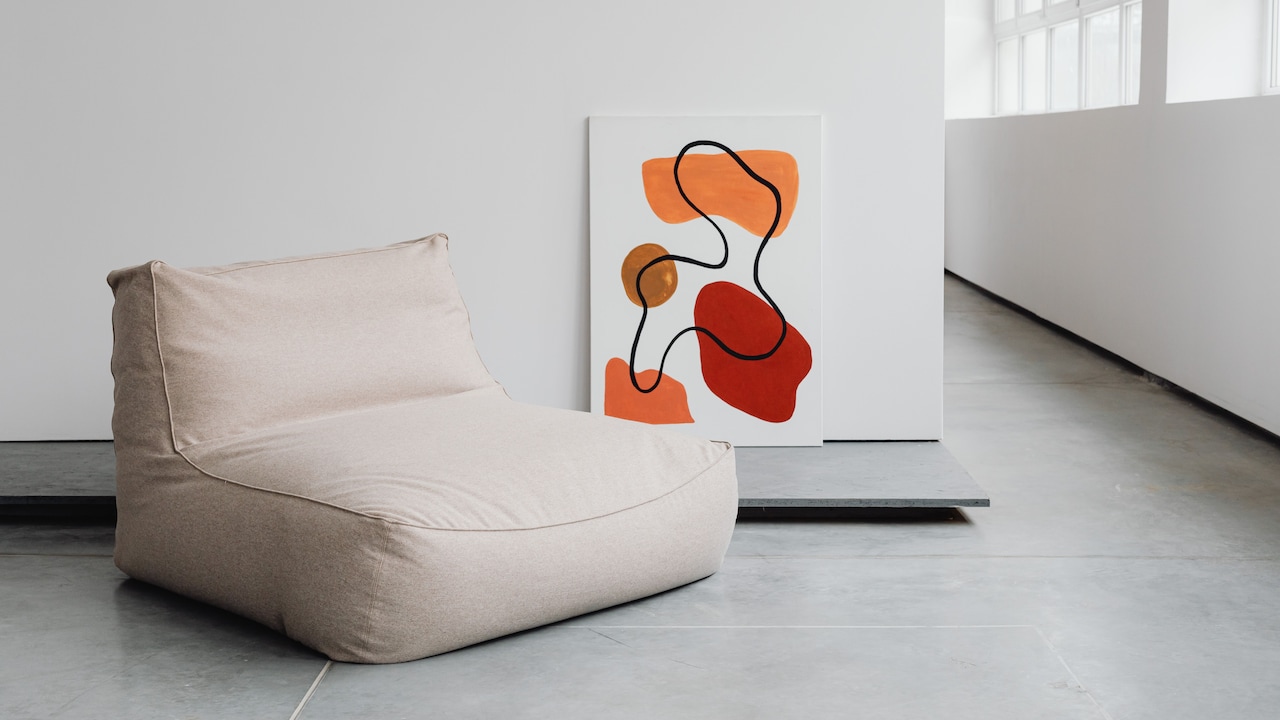
Bean bags flatten because their expanded polystyrene beads gradually compress with regular use. However, uneven distribution can make the seat appear emptier than it really is. Before ordering another sack of filling, unzip the outer cover if the design allows it, shake the bag thoroughly and redistribute the beads. Turn it upside down, roll it gently and give compressed sections room to loosen.
The cover also matters. Fabric can stretch over time, making the bean bag seem underfilled even when plenty of beads remain inside.
If reshaping brings back support, extra filling may make the bag too firm. An overstuffed bean bag loses the soft moulding quality that makes it comfortable in the first place. It can also place unnecessary strain on seams and zips.
Top up only when the filling has genuinely lost substantial volume. Think adjustment first, refill second. Your bean bag needs comfort, not a bodybuilding programme.
Also Read: Outdoor Furniture Maintenance Tips: How To Protect Your Pieces From The Elements
Myth 2: More Furniture Polish Means Healthier Wood
Few household jobs create instant satisfaction quite like polishing a wooden table until it gleams. That shine can become addictive, which helps explain why bottles of furniture polish sometimes receive more attention than the furniture actually needs.
Wood does not require constant layers of polish. Frequent application can leave behind wax, silicone or oily residue, depending on the product. Dust then sticks to that film, creating a dull or slightly greasy surface. Over time, repeated polishing may hide the natural character of the finish rather than enhance it.
For routine care, a soft dry microfibre cloth often does enough. When the surface needs deeper cleaning, use a method suitable for its specific finish. Solid wood, laminate, veneer and lacquered surfaces do not all welcome the same treatment.
Never assume that a product labelled “wood polish” suits every wooden-looking surface either.
A dining table that hosts breakfast, homework and the occasional hot kadhai needs sensible protection more than constant polishing. Use coasters and mats, wipe spills promptly and keep moisture under control. Healthy-looking wood usually comes from restraint, not relentless shine.
Myth 3: Scrubbing Harder Removes Stains Faster
A splash of coffee lands on the sofa. Instinct takes over. Someone grabs a cloth and attacks the stain with the determination of a contestant facing the final round of a cleaning show.
That energetic scrubbing can make matters worse.
Rubbing pushes liquid deeper into many upholstery fibres and spreads the stain across a larger area. Aggressive friction can also roughen delicate fabric, distort its texture or create a visibly lighter patch. By the time the original stain disappears, the cleaning mark may become the new problem.
Blotting offers a gentler first response. Use a clean, absorbent cloth and press from the outer edge towards the centre. This approach helps lift moisture without encouraging it to travel.
Next, check the manufacturer's care instructions before introducing detergent, upholstery cleaner or homemade remedies. Even the famous baking-soda-and-vinegar combination does not deserve automatic entry into every cleaning situation.
Different stains need different responses. Oil, tea, ink and muddy paw prints do not behave alike.
When furniture suffers a spill, speed matters, but force does not. Treat the stain like an uninvited guest: remove it efficiently, without starting a wrestling match.

10 Furniture-Care Myths That Could Be Damaging Your Furniture; Photo Credit: Pexels
Myth 4: Sunlight Keeps Furniture Fresh And Healthy
A bright room feels cheerful, airy and welcoming. Furniture, however, does not always share our enthusiasm for a generous dose of afternoon sunshine.
Strong, direct sunlight can gradually fade upholstery, curtains, leather and certain wood finishes. One section of a sofa near a large window may lose colour faster than the shaded side. Over months or years, that uneven fading can become surprisingly obvious.
Heat adds another concern. Leather may dry out when it spends long periods in intense sun. Some wooden furniture can experience changes in moisture that encourage movement, fading or surface deterioration.
None of this means furniture belongs in permanent darkness. Natural light remains one of the pleasures of a well-designed home. The smarter approach involves managing exposure.
Use curtains, blinds or sheers during the harshest hours. Rotate movable chairs or cushions occasionally so one side does not absorb all the sunlight. If a treasured cabinet sits beside a strongly lit window, reconsider its position.
Sunlight works beautifully as ambience. Treating furniture to an uninterrupted daily sunbath, though, rarely counts as maintenance.
Myth 5: Leather Furniture Needs Oil Whenever It Looks Dry
Leather sofas carry a curious reputation. The moment one looks slightly dry, family wisdom may produce suggestions involving coconut oil, petroleum jelly, hair conditioner or whatever moisturising product happens to sit nearby.
Leather deserves more selective care.
Household oils can darken the material, leave sticky patches or alter its finish. Some products may initially create an attractive shine but later encourage uneven colouring or collect dust. Modern leather furniture can also have protective coatings that react differently from untreated leather.
Start with regular dusting and gentle cleaning according to the manufacturer's instructions. When conditioning becomes necessary, choose a product designed for the specific type of leather and test it on a hidden area first.
Frequency matters too. Constant conditioning does not automatically produce softer, longer-lasting furniture. Too much product can cause build-up and change the surface.
Leather naturally develops character with age. Fine creases do not always signal damage; sometimes they simply show that the sofa has hosted years of conversations, Sunday naps and cricket matches.
The goal should not involve making leather look untouched forever. Good care helps it age gracefully without turning the living room into an experimental skincare clinic.
Myth 6: A Mattress Only Needs Turning When It Starts Sagging
Waiting for a mattress to develop a visible valley before changing its position resembles rotating car tyres only after one becomes bald. By then, wear has already concentrated in particular areas.
Mattresses experience repeated pressure around the places where people sleep most often. Regular rotation can distribute that wear more evenly and help the surface maintain consistent support for longer.
However, the old instruction to “flip the mattress” no longer applies universally. Many modern mattresses use layered construction with a designated sleeping surface. Turning such a mattress upside down may place the wrong layer on top.
Rotation from head to foot often makes more sense, but the manufacturer's guidance should lead the decision.
A mattress also benefits from sensible support underneath. A damaged bed frame, weak slats or an unsuitable base can contribute to sagging, even when the mattress itself remains in reasonable condition.
So, when an uncomfortable dip appears, do not immediately blame the mattress or plan a ₹30,000 replacement. Inspect the entire sleep setup first.
Preventive rotation takes little effort. Wrestling a king-size mattress through a doorway because its support failed early requires considerably more enthusiasm.

10 Furniture-Care Myths That Could Be Damaging Your Furniture; Photo Credit: Pexels
Myth 7: Wooden Furniture Should Never Get Wet
Wood and water have a complicated relationship, but treating every drop of moisture as a furniture emergency oversimplifies the issue.
Leaving standing water on wooden furniture can certainly cause trouble. Moisture may create stains, swelling, warping or damage to certain finishes. A forgotten wet glass can leave one of those pale rings that mysteriously becomes the centrepiece of the dining table.
Yet proper cleaning sometimes requires slight moisture.
A barely damp cloth can remove grime more effectively than dry dusting on many sealed wooden surfaces. The key lies in controlling the amount of water and drying the surface promptly. A dripping cloth, soaked sponge or enthusiastic bucket has no place in the process.
Wood type and finish matter enormously. Sealed hardwood, unfinished timber, veneer and engineered wood react differently. Therefore, one cleaning rule cannot cover every table, wardrobe and bookshelf.
Think of moisture as seasoning rather than the main ingredient. A tiny amount may help; excess creates problems.
Most importantly, wipe spills quickly. The occasional drop of water rarely destroys furniture. Leaving a puddle beneath a flower vase for three days may have a much more dramatic ending.
Myth 8: Sofas Last Longer When Pushed Tight Against A Wall
Pushing a sofa tightly against the wall often seems practical, especially when every square foot of the room has a job. Yet the closest possible placement does not automatically protect the sofa.
Walls can hold moisture, particularly during humid weather or in rooms with limited ventilation. Upholstery pressed constantly against a damp or poorly ventilated surface may develop musty smells, marks or, in worse cases, mould.
Friction creates another issue. A sofa that shifts slightly whenever somebody sits down may repeatedly rub against paint or plaster. Eventually, both the wall and the back of the sofa can show wear.
Leaving a modest gap encourages airflow and makes cleaning easier. Dust has an impressive ability to build a secret city behind large furniture. A little breathing space gives a vacuum cleaner or mop some chance of reaching it.
The arrangement can improve the room visually too. Furniture does not always need to cling to walls like nervous guests at a wedding.
Space permitting, pull seating forward slightly and allow the layout to breathe. Sometimes a few centimetres improve both furniture care and the overall feel of a room.
Myth 9: Tightening Every Screw As Hard As Possible Prevents Wobbling
A wobbling chair invites an irresistible response: find a screwdriver and tighten everything until each screw feels incapable of independent thought.
More force does not always create more stability.
Overtightening screws can strip threads, crack wooden components or damage fittings. Flat-pack furniture and engineered wood deserve particular caution because repeated excessive tightening can weaken the material around the fixing.
When furniture starts wobbling, first identify the actual source. A loose screw may indeed need attention, but uneven flooring, worn joints, damaged brackets or a slightly distorted frame can create similar symptoms.
Tighten fittings until they sit secure and snug rather than forcing them beyond resistance. If a screw no longer grips properly, simply turning it harder rarely solves the underlying issue.
Routine checks help, especially for frequently used dining chairs, study desks and beds. Small movements tend to become larger ones when ignored.
Good maintenance requires precision rather than muscle. Furniture assembly should not end with a heroic final twist followed by the sound nobody wants to hear: crack.
A stable chair needs sound joints and sensible tension, not a screwdriver powered by frustration.
Myth 10: Old Furniture Costs More To Save Than Replace
When a chair scratches, a cabinet looks dated or a table develops a tired finish, replacement can feel like the easiest answer. In many cases, it is not the smartest one.
Older furniture may contain solid timber, sturdy joinery or repairable components that newer budget pieces lack. A loose hinge, damaged handle, worn cushion cover or faded finish can sometimes receive a straightforward repair for far less than the price of a new item.
Of course, restoration does not always make financial sense. Structural damage, severe termite activity or repeated repair costs can make replacement more practical. The trick lies in assessing the problem rather than judging furniture by appearance alone.
A dated chest of drawers might need new handles. Dining chairs may only require fresh upholstery. A scratched table could gain several more years after careful refinishing.
There is another advantage: repaired furniture keeps its familiar proportions and character. That matters when a piece already fits an awkward corner perfectly.
Before spending ₹20,000 on a replacement, check what a competent carpenter or upholsterer can rescue. Sometimes “old” simply means “ready for another chapter”.
Products Related To This Article
1. Biggie Bean Bag with Beans Filled 5XL Bean Bag Sofa with Free Cushion and Footrest
2. Gold 4XL Bean Bag Combo with Footstool & Cushion
3. Bean Bag Sofa with Side Pocket | Gaming Bean Bag for Adults & Kids
4. Amazon Brand - Solimo Classic Bean Bag Cover 6XL Without Beans
5. 4XL Bean Bag Chair with Footrest & Cushion
6. Mollismoons Jumbo Fur Bean Bag Chair Round
7. Style Homez Classic Cotton Canvas Printed Bean Bag Cover
Furniture care attracts myths because quick fixes feel reassuring. A flattened bean bag seems to demand more filling. Dry-looking leather appears thirsty for oil. A stain practically begs for aggressive scrubbing. Yet furniture often responds better to measured care than dramatic intervention.
The most useful habit involves looking before acting. Check the material, understand the cause and follow suitable care instructions. Redistribute bean-bag filling before topping it up. Protect wood instead of polishing it endlessly. Blot upholstery rather than attacking it. Give sofas ventilation, mattresses balanced wear and screws sensible tension.
Good furniture does not need constant pampering. It needs attention at the right moment.
That approach saves money, reduces unnecessary replacement and keeps familiar pieces useful for longer. More importantly, it makes furniture care less intimidating. Every scratch need not become a crisis, and every sag does not require a shopping cart.
Sometimes the best way to look after a favourite piece is remarkably simple: clean gently, repair thoughtfully and resist the urge to “fix” what merely needs a little adjustment.
(Disclaimer: This article may include references to or features of products and services made available through affiliate marketing campaigns. NDTV Convergence Limited (“NDTV”) strives to maintain editorial independence while participating in such campaigns. NDTV does not assume responsibility for the performance or claims of any featured products or services.)