Electric Vs Traditional Diyas: Which Is Better For Diwali
Confused between electric and traditional diyas this Diwali? Compare safety, cost, look and effort to find out which one suits your home and family better.
Electric Vs Traditional Diyas: Which Is Better For Diwali
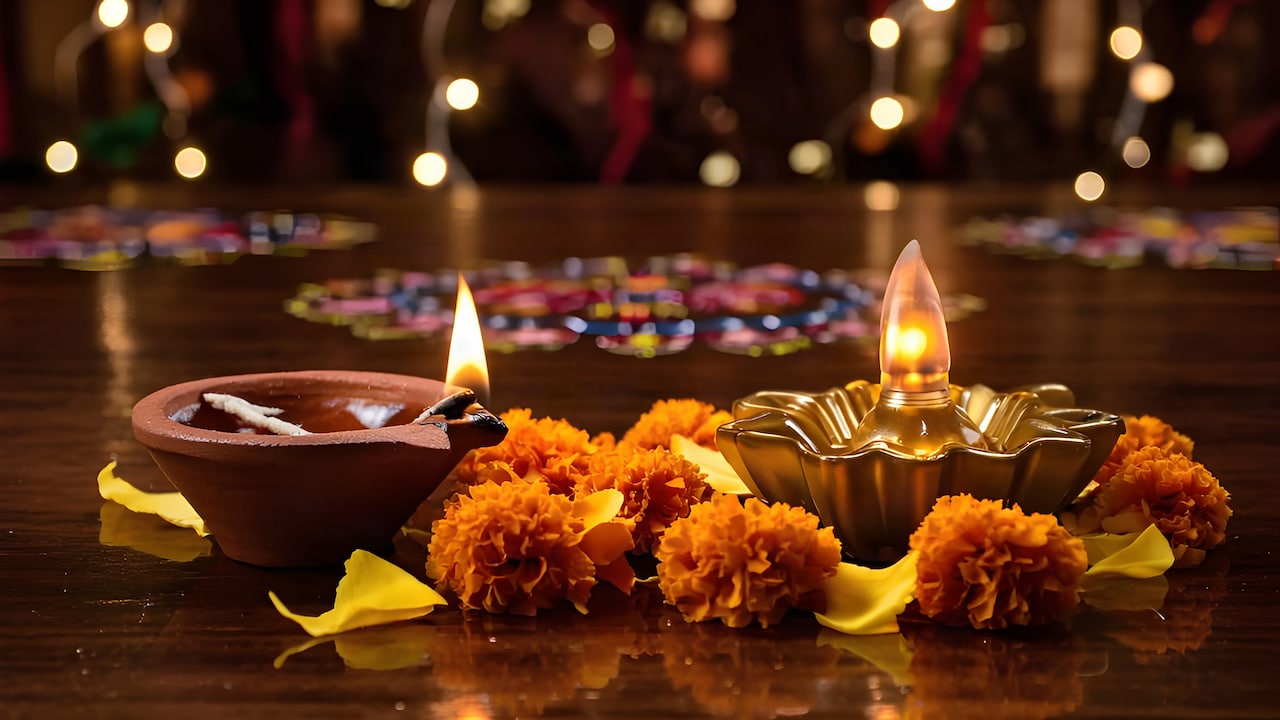
Diwali is just around the corner, and for many, that means bringing out the diyas. But choosing the right ones isn't quite as straightforward as it used to be. A trip to the market today will show you clay diyas sitting alongside rows of glowing LED lamps. Both can give your home that warm festive feel, but they offer very different experiences. Traditional diyas bring an actual flame, along with the familiar ritual of lighting them during Diwali. Electric diyas, on the other hand, are convenient, fuss-free and generally safer to use. Some families prefer a mix of both. Before you start filling your cart, it is worth taking a closer look at what each option offers.
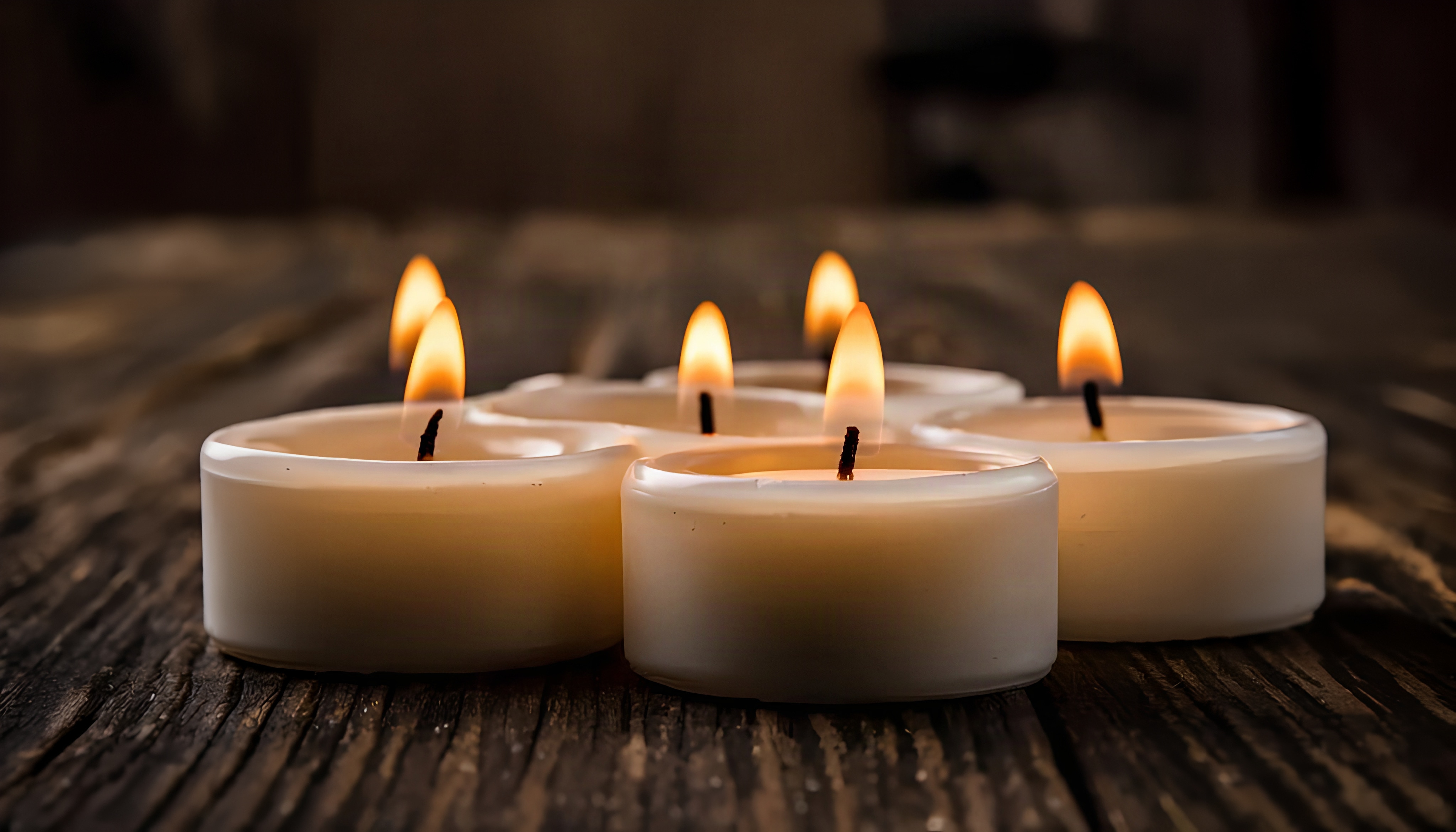
Why Traditional Diyas Still Win Hearts
Photo Credit: iStock
You can choose which type of diyas you want. A family with young children may have different concerns from a couple living in a high-rise apartment with a breezy balcony. Your budget, available space and personal attachment to Diwali traditions can also influence the decision. In this guide, here's a comparison of traditional and electric diyas based on their appearance, safety, cost and the effort involved in using them. By the end, you'll have a clearer idea of which type works best for your home this Diwali. Visit Amazon for all the options.
Why Traditional Diyas Still Win Hearts
A clay diya is more than a source of light; it is part of the Diwali tradition itself. Lighting one at dusk with a little oil and a cotton wick feels like a small ritual. Many families have grown up doing this every year, and they want to keep the tradition going and pass it on to the next generation.
1. The Glow Of A Real Flame
A real flame has its own character. It flickers, leans with the slightest breeze and then settles again. That soft movement adds a warmth to the room that an electric light can't quite match. It also makes sense during puja, where lighting an actual flame carries its own significance. Elders often prefer it for that reason. And there's something about the faint aroma of ghee that makes the whole house feel more festive.
2. Cost, Mess And Upkeep
Clay diyas are budget-friendly, especially when you buy them in a bunch. Picking them up from local potters can also support small makers who depend on seasonal sales. The catch is that traditional diyas need oil or ghee, fresh cotton wicks and a bit of cleanup once the celebrations are over. Spilt oil can leave marks on the floor, too. And if you want the lamps to stay lit through the night, you'll need to top them up from time to time.
Why Electric Diyas Are Becoming More Popular
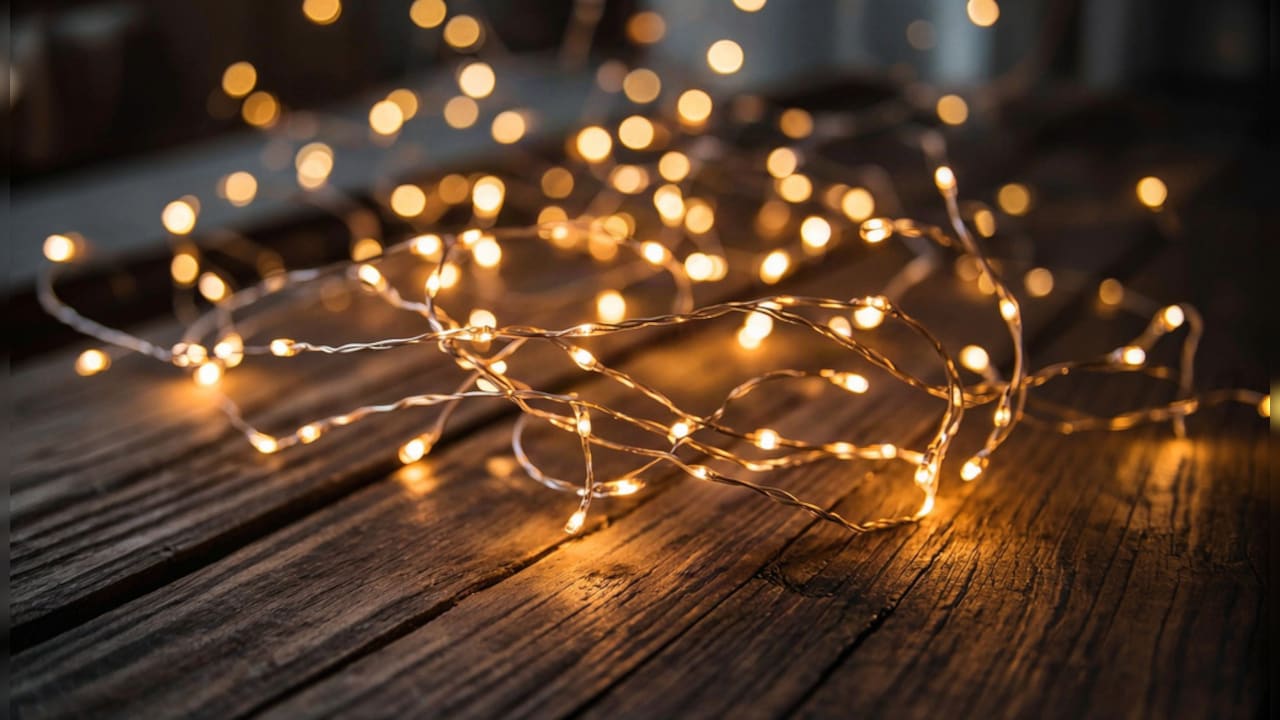
Electric diyas have come a long way. Early ones had been flat and a little cold. The newer ones use warm light, flickering effects and neat designs that pass for the real thing, at least from a distance.
1. Safer For Kids And Pets
There is no open flame, thus no risk of a burn. That's important in homes with curious toddlers or with a cat that likes to knock things over. Curtains, dupattas and decor are also safe. Many parents say the device settles the issue on its own.
2. Reusable And Easy To Set Up
Most electric diyas are battery-operated or plug-in. You put them on, and you forget about them. They don't run out of oil. You can pack them away and use them again next year. Some have timers so your door glows without you lifting a finger.
Electric Vs Traditional Diyas: Side By Side
1. Look And Mood
Ambiance is where traditional diyas win. Electric diyas are consistent; they're not going to go out in a breeze. A good electric diya with warm white light can be lovely, but low-cost ones with harsh bluish light spoil the mood.
2. Cost Over Time
Clay diyas are cheap to buy, but the cost of oil, ghee, and wicks adds up over the year. The initial cost of the electric diyas is higher. Figure out how many you need before you go shopping.
Also Read: From Exam Prep To Late-Night Reading: 5 Study Lamps Perfect For Students Living With Roommates
3. Safety And Convenience
Electric diyas win here, no question. No fire. No mess. No cleanup. Traditional diyas need to be watched, especially near curtains or in homes with children. If you do light them, make sure they are on a stable, non-flammable surface, and never leave them unnoticed.
Which One Should You Choose For Your Home
Think about where each lamp is to be placed and who will be using it. Usually a brief look at your space gives the answer.
1. Balconies And Windy Spots
Wind kills a flame in minutes. For balconies, windows and open terraces, electric diyas look neat and stay lit all night. Also, lining them on a railing obviates the worry of oil dripping on the floor below.
2. Puja Corner And Main Entrance
A real diya seems appropriate for the puja room. A couple of clay lamps at the main door give a classic touch too. Keep them away from any flammability, and light them when you are home.
3. A Mix Works Best
There's no need to pick one. A few clay diyas are lit for the ritual in many homes, and electric ones are placed around the house for added glow. So you get both the tradition and the security. It's simple, and it's fair.
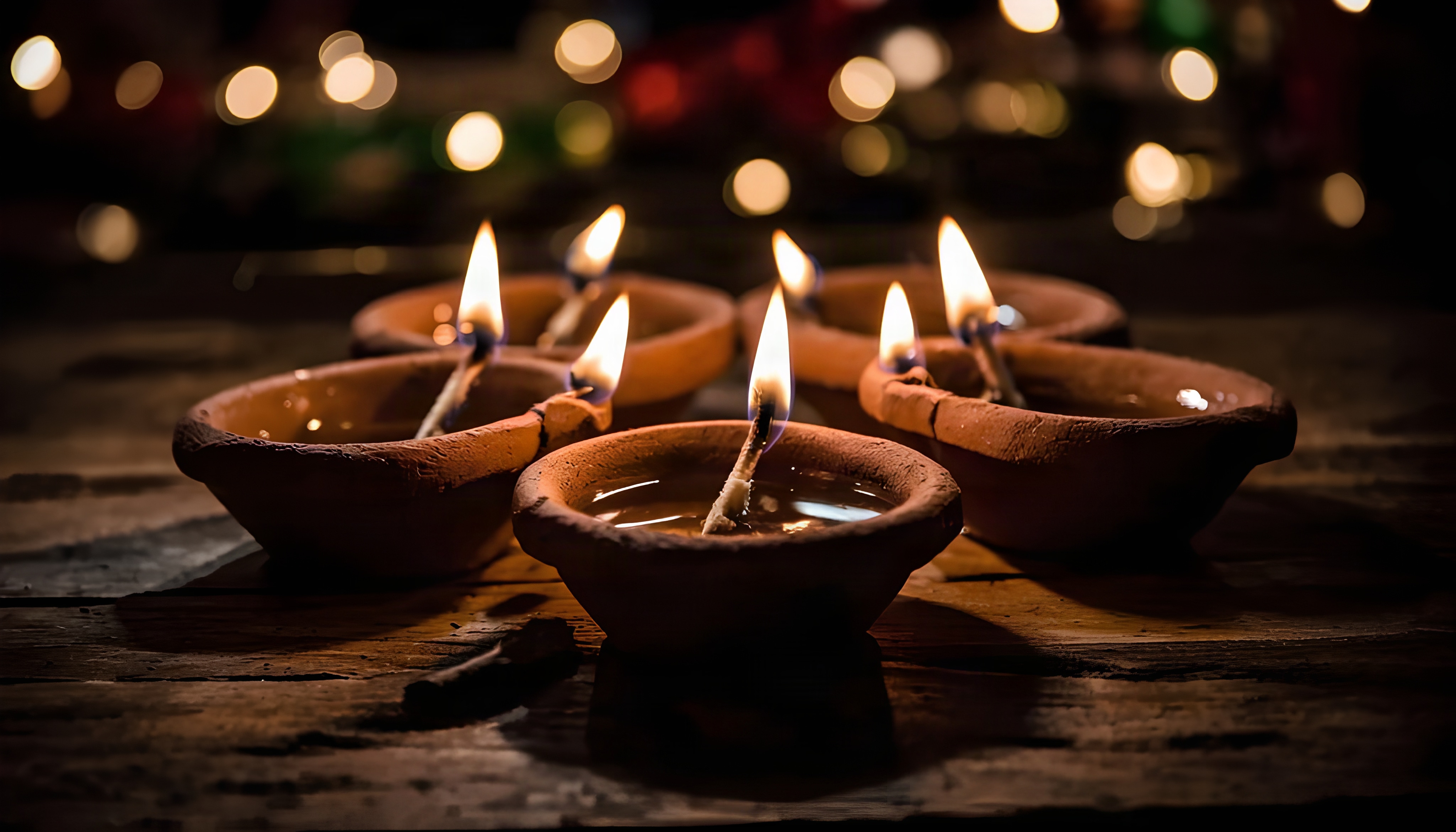
Some Diya Options You May Like
Photo Credit: iStock
Some Diya Options You May Like
1. VERVENIX 12 Pcs LED Tea Light Candles
2. PANCA Water Sensor Diya Electric LED Diyas
3. VRB Dec™ 24 Pcs Acrylic Flameless & Smokeless Decorative Candles Led
4. 5-Layer Electric Diya Deepak Light for Pooja
5. Saudeep India Pack of 21 Diwali Diyas
6. Set of 4 Decorative Diyas for Diwali Decoration
7. Welburn Veda & Co® Pure Cow Ghee Diya
8. Yuvraj Handmade Mitti Ke Diye
Both electric and traditional diyas can add warmth and charm to your Diwali celebrations, but the right choice depends on your preferences and needs. Traditional diyas bring an authentic festive feel and cultural significance, while electric diyas offer convenience, safety, and reusability. Many households even use a mix of both to enjoy the best of tradition and modernity. Whichever option you choose, focus on creating a bright, welcoming atmosphere that reflects the spirit of Diwali and makes the festival truly special for your family and guests.
Frequently Asked Questions (FAQs):
1. Are electric diyas safe to use outdoors?
Many are suitable, but check the label first. Pick ones made for balconies or outdoor use, because rain and damp can damage ordinary battery or plug-in models. Keep wires and plugs away from puddles and cover any open sockets properly.
2. Can electric diyas replace clay diyas for puja?
Some families use them for decoration but prefer a real flame for the puja itself. It mostly depends on your family custom and beliefs. The easiest way is to ask the elders at home and then decide together.
3. How long does a traditional diya burn?
It depends on the size of the diya and how much oil or ghee you add. A small one usually burns for an hour or two. Top it up if you want the glow to last all evening.
4. Do electric diyas save money?
They can, if you reuse them for a few Diwalis. You skip oil, ghee and wicks every year. The first purchase costs more, though, so count how many diyas you need before you spend anything.
5. Are traditional diyas bad for the environment?
Not really. Clay diyas are made from natural earth, and the smoke from one small lamp is minor. Good ventilation helps, and buying from local potters keeps the festival kind to both nature and small businesses.
(Disclaimer: This article may include references to or features of products and services made available through affiliate marketing campaigns. NDTV Convergence Limited (“NDTV”) strives to maintain editorial independence while participating in such campaigns. NDTV does not assume responsibility for the performance or claims of any featured products or services.)