Gaming Chairs vs Office Chairs: Which Is Better for Long Hours of Work and Comfort?
Gaming chairs promise style and comfort, while office chairs focus on posture and productivity. This article breaks down which chair truly supports long working hours and delivers better value for everyday work.

Gaming Chairs vs Office Chairs: Which One Truly Wins for Long Hours of Comfort and Work? Find Out.
The modern workday rarely sticks to neat office hours. Screens glow late into the evening, deadlines stretch, and chairs quietly take on more responsibility than expected. A poorly chosen chair can turn a productive day into a painful one. That is why the debate between gaming chairs and office chairs sparks so much interest.
Gaming chairs arrive with bold colours, racing-seat designs, and a promise of all-day comfort. Office chairs, on the other hand, look understated and serious, built for long meetings and steady focus. Both claim to support posture, reduce strain, and boost productivity. Yet, comfort feels deeply personal, shaped by body type, work style, and daily habits.
This article breaks down the real differences, beyond marketing slogans. From ergonomics and materials to price, durability, and lifestyle fit, every angle matters. Whether setting up a home workspace or upgrading an office seat, the right choice can change how workdays feel, one hour at a time.
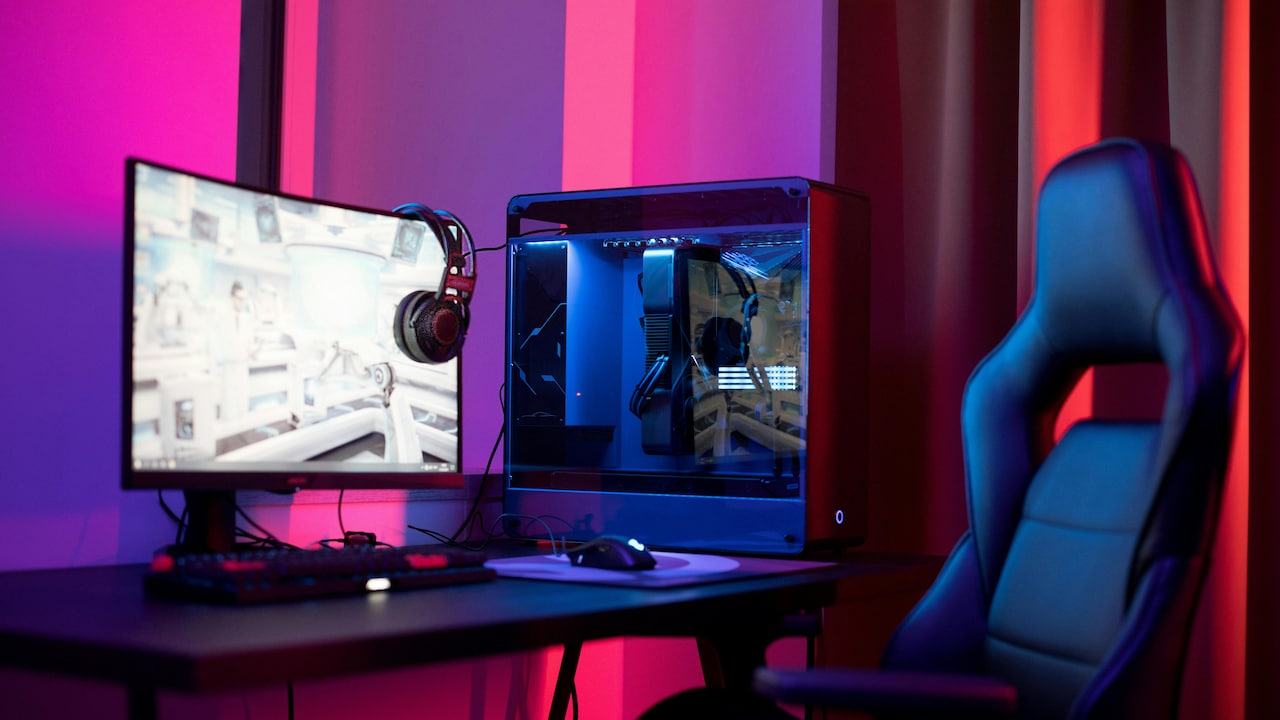
Gaming Chairs vs Office Chairs: Which One Truly Wins for Long Hours of Comfort and Work
Photo Credit: Pexels
Breaking Down Comfort, Support And Real-World Use
1. Design Philosophy: Flashy Appeal vs Functional Simplicity
Gaming chairs catch attention instantly. Bright colours, sharp angles, and high backs borrow heavily from sports car seats. They aim to excite and energise, especially during long gaming sessions or late-night work sprints. The design feels expressive, almost like a statement piece in a room.
Office chairs take a quieter route. Neutral colours, mesh backs, and clean lines focus on blending into professional spaces. The design rarely screams for attention, but it often prioritises balance and comfort over flair. These chairs suit boardrooms, home offices, and shared workspaces without clashing with surroundings.
The real difference lies in intention. Gaming chairs try to motivate through aesthetics. Office chairs aim to disappear into the background, letting work take centre stage. For some, a bold chair sparks motivation. For others, a simple, calming setup reduces mental clutter. Design may not affect posture directly, but it shapes mood, focus, and how welcoming a workspace feels during long hours.
2. Ergonomics: Support Where It Truly Counts
Ergonomics decides whether a chair feels good after eight hours or becomes a source of constant discomfort. Gaming chairs often include adjustable armrests, headrests, and lumbar pillows. These add-ons look impressive and offer flexibility, yet they sometimes rely on cushions rather than built-in structural support.
Office chairs usually focus on integrated ergonomics. Lumbar support sits within the backrest, shaped to follow the spine's natural curve. Adjustable seat depth, tilt tension, and breathable mesh aim to keep the body aligned without extra accessories.
During long workdays, subtle support matters more than dramatic features. A well-designed office chair encourages natural posture changes and steady comfort. Gaming chairs can feel plush at first, but may push the shoulders forward or limit movement due to their bucket-style design. Ergonomics is less about how many adjustments exist and more about how naturally the chair supports the body throughout the day.
3. Comfort Over Long Hours: The Real Test
Comfort reveals itself slowly. A chair that feels cosy for an hour may cause stiffness by evening. Gaming chairs often use thick foam padding, creating a soft, enveloping feel. This works well for short bursts but can trap heat and restrict airflow over time.
Office chairs rely more on breathable materials like mesh or layered foam. These allow air circulation, reducing sweat and discomfort during long sessions. The seat cushioning tends to balance softness with firmness, preventing the sinking feeling that strains the lower back.
Long hours demand consistent comfort rather than instant plushness. Office chairs usually excel here, especially during continuous typing, calls, and focused tasks. Gaming chairs suit breaks, casual work, or mixed use but may struggle during marathon workdays. Comfort, in this sense, becomes about endurance rather than indulgence.
4. Posture and Spinal Health: Short-Term vs Long-Term Impact
Posture affects energy, focus, and long-term health. Gaming chairs promote an upright, slightly reclined posture, supported by high backs and headrests. However, the pronounced side bolsters can limit natural movement, encouraging static sitting.
Office chairs encourage micro-movements. Flexible backs, synchro-tilt mechanisms, and adjustable lumbar support allow the spine to move gently throughout the day. This reduces pressure points and supports spinal health over time.
Poor posture rarely hurts immediately. It builds quietly, showing up as neck pain, lower back aches, or fatigue. Chairs designed for office use often consider these long-term effects more carefully. Gaming chairs offer support, but their design focuses more on stability than dynamic movement. For daily work routines, posture-friendly flexibility often proves more valuable than rigid support.
5. Materials and Build Quality: What Lasts Longer
Materials determine how a chair ages. Gaming chairs often use faux leather or PU leather. These look sleek and feel smooth, but may crack or peel over time, especially in warmer climates. Stitching and foam quality vary widely across price ranges.
Office chairs usually feature mesh, fabric, or high-grade polymers. Mesh resists wear and allows airflow, while fabric feels softer and more breathable. The frames often use reinforced plastic or metal, built for daily use over the years.
Durability matters when investing ₹10,000 or more. A chair should survive long hours, shifting weights, and constant adjustments. Office chairs generally win on longevity, especially in mid-range budgets. Gaming chairs may need extra care to maintain appearance and comfort. Build quality often reflects purpose, and office chairs tend to prioritise endurance over aesthetics.
6. Adjustability and Custom Fit
No two bodies sit the same way. Adjustability helps a chair adapt to different heights, weights, and work styles. Gaming chairs boast multiple adjustment points, including armrest directions, recline angles, and removable cushions.
Office chairs focus on fewer but more precise adjustments. Seat height, lumbar depth, tilt tension, and armrest height often receive priority. These controls aim to fine-tune posture rather than offer dramatic movement.
A chair that adjusts easily encourages proper use. Complex levers and knobs can feel intimidating, leading users to ignore them. Office chairs usually keep adjustments intuitive, supporting a custom fit without fuss. Gaming chairs offer flexibility but may overwhelm or distract. Adjustability works best when it feels natural and purposeful.
7. Work Style Compatibility: Gaming, Coding, Meetings, and More
Work styles vary widely. Designers lean forward, coders sit for hours, and managers move between calls and paperwork. Gaming chairs suit dynamic use, allowing reclining during breaks and casual work sessions.
Office chairs cater to structured routines. They support upright posture during typing, writing, and meetings. Swivel bases and smooth casters help with movement across desks and files.
For mixed use, including occasional gaming or media consumption, gaming chairs feel versatile. For focused professional tasks, office chairs usually provide better alignment and comfort. Choosing based on daily habits ensures the chair supports work rather than distracts from it.
8. Price vs Value: What Does Money Really Buy?
Price tags can mislead. Gaming chairs often range from ₹8,000 to ₹25,000, depending on brand and features. Office chairs span a similar range, with premium ergonomic models costing more.
Value lies in how long the chair remains comfortable and functional. A cheaper gaming chair may look impressive, but require replacement sooner. A slightly pricier office chair may deliver consistent comfort for years.
Hidden costs include health issues, reduced productivity, and frequent replacements. Investing wisely saves money and discomfort over time. Value emerges from durability, ergonomics, and daily satisfaction rather than flashy extras.
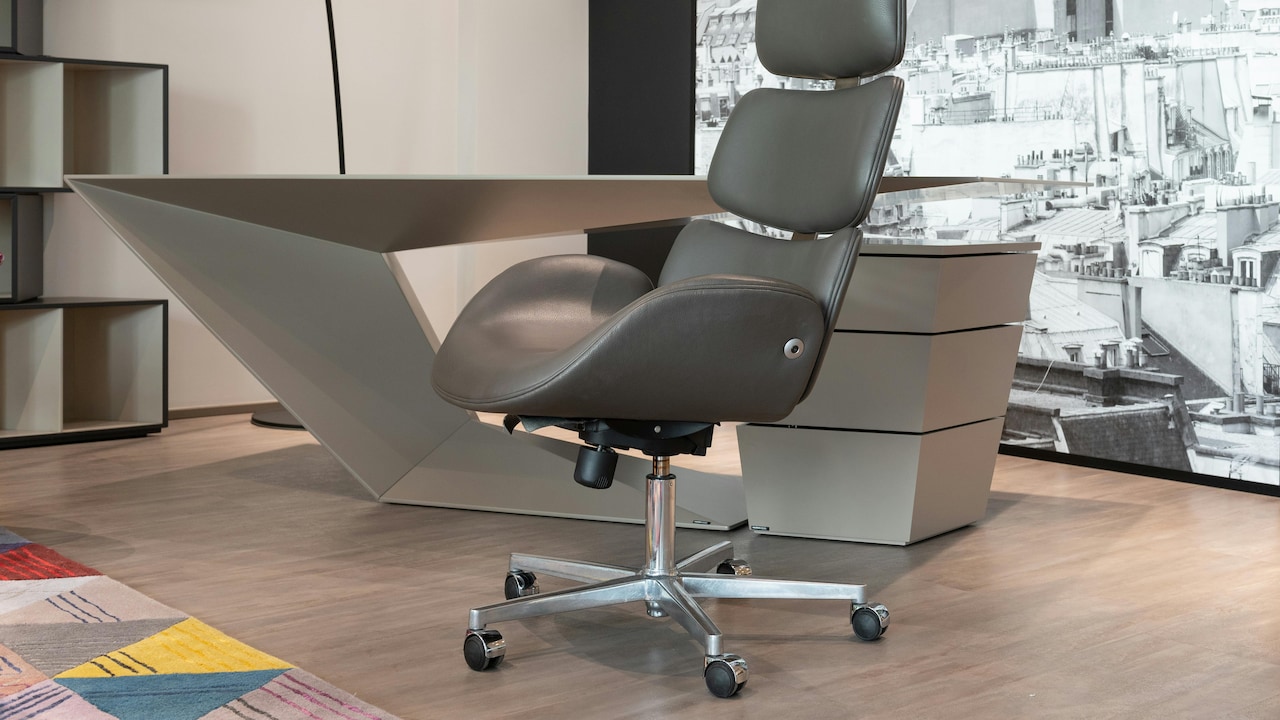
Gaming Chairs vs Office Chairs: Which One Truly Wins for Long Hours of Comfort and Work
Photo Credit: Pexels
9. Aesthetics and Home Workspace Vibes
Home workspaces blend personal and professional life. Gaming chairs add personality and energy, often appealing to younger users or creative setups. They can make a room feel lively and modern.
Office chairs create a calm, organised atmosphere. Neutral tones and minimalist designs suit shared spaces and video calls. They rarely steal attention but maintain a polished look.
The right vibe depends on personal taste and environment. A chair should complement the space, not dominate it. Comfort remains key, but aesthetics influence mood and motivation. Balancing style with practicality ensures the workspace feels inviting every day.
10. The Verdict: Which Chair Truly Wins?
The answer depends on priorities. Gaming chairs shine in style, versatility, and casual comfort. They suit mixed-use and users who enjoy expressive design. Office chairs excel in ergonomics, durability, and long-term comfort.
For long hours of focused work, office chairs usually win. They support posture, reduce strain, and age gracefully. Gaming chairs work well for shorter sessions or combined work and leisure setups.
Choosing wisely means understanding daily needs, body comfort, and workspace style. A chair should support productivity without demanding attention. When comfort lasts through long days, the right choice becomes clear.
Products Related To This Article
1. GTPLAYER #1USA Ergonomic Gaming Chair with Massage Lumbar Cushion & Footrest
2. CELLBELL Desire C104 Mesh Mid Back Chair
3. DROGO Ergonomic Gaming Chair with Breathable Weave Fabric for Long-Hour Comfort
4. ASTRIDE Ergofit Ergonomic Office Chair for Home
5. Green Soul Ghost RGB (2026 Edition) Gaming Chair
6. DROGO Premium Ergonomic Office Chair for Work from Home
7. Green Soul Monster Ultimate Series T
Chairs rarely get the attention they deserve, yet they shape every workday silently. Gaming chairs and office chairs both offer comfort, but in different ways. One excites with bold design and plush features. The other supports with subtle ergonomics and lasting reliability.
For those spending long hours working, comfort becomes a necessity, not a luxury. Office chairs often provide the steady support needed for health and focus. Gaming chairs bring flair and flexibility, appealing to varied routines.
The best chair fits the body, the work, and the space. When chosen thoughtfully, it turns long hours into manageable ones, making work feel lighter and days more productive.
(Disclaimer: This article may include references to or features of products and services made available through affiliate marketing campaigns. NDTV Convergence Limited (“NDTV”) strives to maintain editorial independence while participating in such campaigns. NDTV does not assume responsibility for the performance or claims of any featured products or services.)