Curtain Buying Guide: Length, Fabric, Rod Pocket And Eyelet Styles Explained
Learn how to choose the right curtains for every room with simple tips on length, fabric, width, rod pocket and eyelet styles, light control, maintenance and budget-friendly buying decisions for a polished home.
Curtain Buying Guide: How To Choose Length, Fabric And Styles
Curtains have a quiet way of changing the mood of a room. A bare window can make even a well-furnished space feel unfinished, while the right pair of curtains can bring warmth, height and personality in one sweeping move. They can make a rented flat feel homely, a compact bedroom feel taller, or a living room feel ready for guests, chai and long conversations. Still, curtain shopping rarely feels simple. One visit to a furnishing store and suddenly there are questions about GSM, lining, pleats, tracks, rods and drop length. Then comes the classic confusion: should the curtain kiss the floor, hover above it, or gather like a film set? Should the fabric block harsh afternoon sun or let in that soft morning glow?

Curtain Buying Guide: How To Choose Length, Fabric And Styles
Photo Credit: Pexels
The good news is that curtains follow a few easy rules. Once length, fabric and heading style make sense, the rest becomes enjoyable. This guide explains the essentials without fuss, so the next curtain purchase feels less like guesswork and more like styling magic.
Key Things To Know Before Buying Curtains
Measure The Window Before Falling In Love With Fabric
Curtain shopping often begins with colour. Someone spots a lovely sage green, deep maroon or cream jacquard and decides, “This is it.” Then the fabric reaches home and hangs awkwardly because the size does not work. Measurement deserves first place, even if it feels less glamorous than choosing patterns.
Start with the curtain rod or track, not just the window glass. Measure the full width from one end of the rod to the other. Curtains need extra width to create folds, so buy panels that together measure at least one and a half to two times the rod width. A flat curtain looks tired, like a bedsheet pinned in a hurry.
For height, measure from the top of the rod to the point where the curtain should end. In many homes, curtain rods sit six to eight inches above the window frame, which helps the room look taller. Keep a steel measuring tape handy and note everything down. Guesswork has ruined many otherwise beautiful curtains.
Choose A Length That Suits The Room
Curtain length can change the entire character of a space. Short curtains that end at the sill suit kitchens, utility areas and windows above desks or counters. They stay practical, avoid stains and do not fight with furniture. In bedrooms and living rooms, longer curtains usually look more polished.
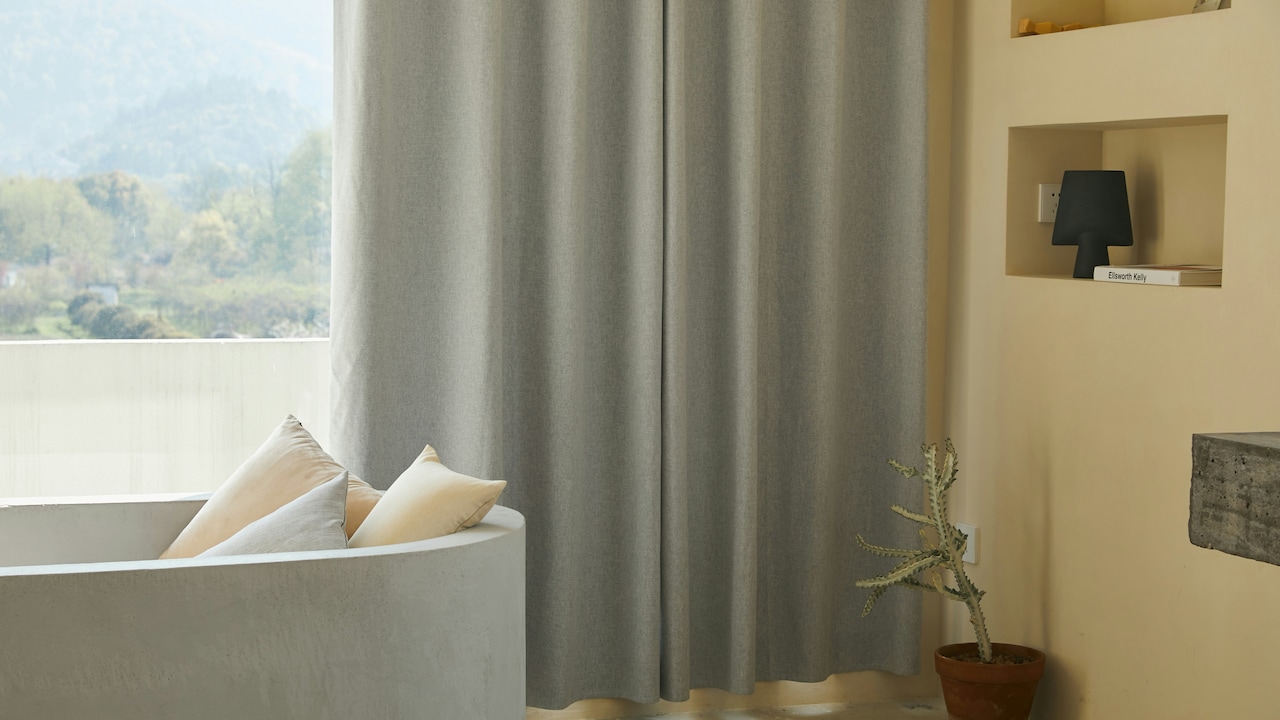
Floor-length curtains create a clean, elegant fall. They should either just touch the floor or stop about half an inch above it. This style works well in apartments where daily sweeping and mopping matter. No one wants to lift heavy fabric every morning while the floor dries.
Then there is the puddle style, where extra fabric pools softly on the floor. It looks luxurious in photographs and formal rooms, but it can collect dust quickly. In homes with pets, toddlers or busy routines, it may turn into a daily wrestling match. For most spaces, a neat floor-length drop gives beauty without drama.
Understand Curtain Width And Fullness
Width may sound boring, but it decides whether curtains look rich or stingy. A curtain panel should never cover a window like a flat notice board. Fullness creates those graceful folds that make fabric look soft and inviting. Without it, even expensive material can look underwhelming.
A simple rule works well: choose total curtain width at least twice the rod width for living rooms and bedrooms. For sheer curtains, even more width looks better because the fabric is light and airy. For thick blackout curtains, one and a half times the rod width may work, though twice still gives a plusher finish.
Also think about stack-back, which means the space curtains occupy when pulled open. Thick fabrics need more room at the sides. Extend the rod beyond the window frame by six to twelve inches on each side. This allows more sunlight when curtains open and makes the window appear broader. Small trick, big effect.
Curtain Buying Guide: How To Choose Length, Fabric And Styles
Photo Credit: Pexels
Pick Fabric According To Light And Lifestyle
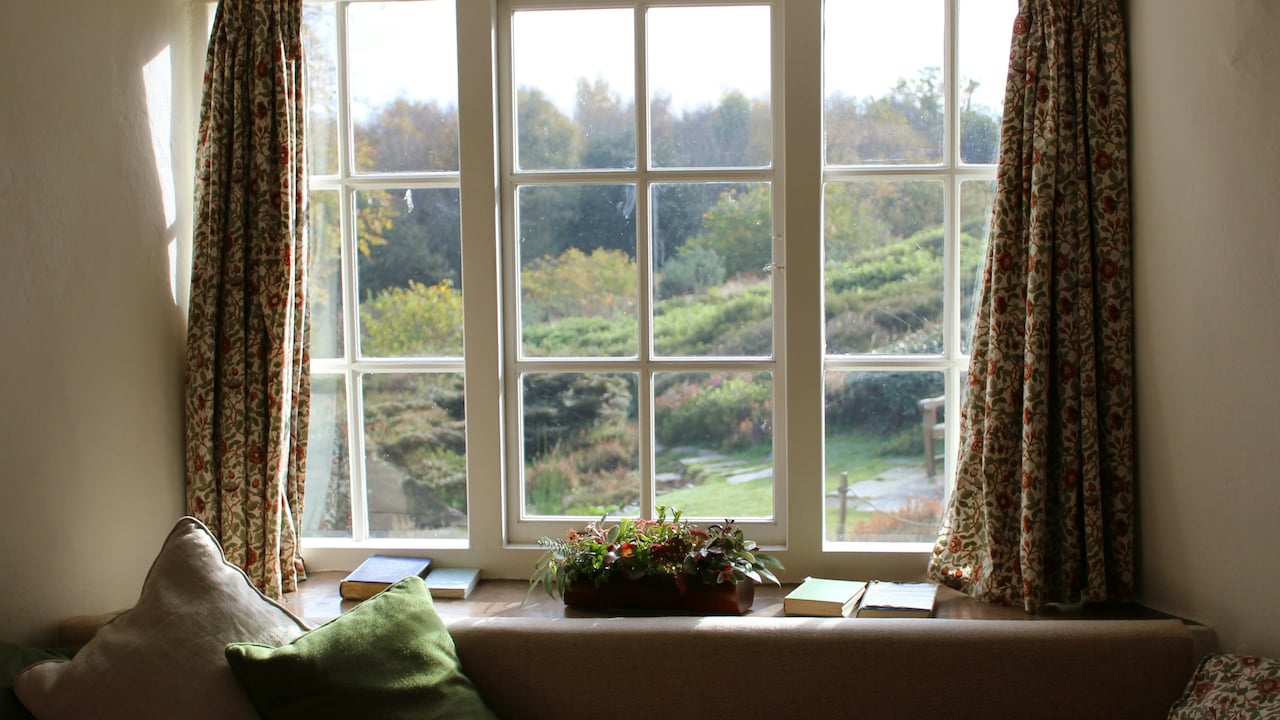
Fabric decides how a curtain behaves. Cotton feels relaxed and breathable, so it suits everyday spaces. Linen brings texture and charm, though it wrinkles easily. Polyester blends offer durability, easy maintenance and budget-friendly variety. Velvet adds drama and insulation, but it can feel heavy in smaller rooms.
Think about sunlight before choosing fabric. A west-facing window that catches fierce afternoon heat needs thicker curtains or lining. A room that already feels dark may benefit from cotton, linen-look fabric or sheers. In a pooja corner or reading nook, filtered light can feel calmer than complete darkness.
Lifestyle matters just as much as style. A house near a busy road collects dust faster, so washable fabrics make sense. Homes with children may need stain-friendly materials rather than delicate silks. A ₹900 curtain that survives regular washing can sometimes serve better than a ₹5,000 fabric that demands careful handling every week.
Also Read: 5 Curtains That Block Heat Without Darkening Rooms
Know When To Choose Sheer Curtains
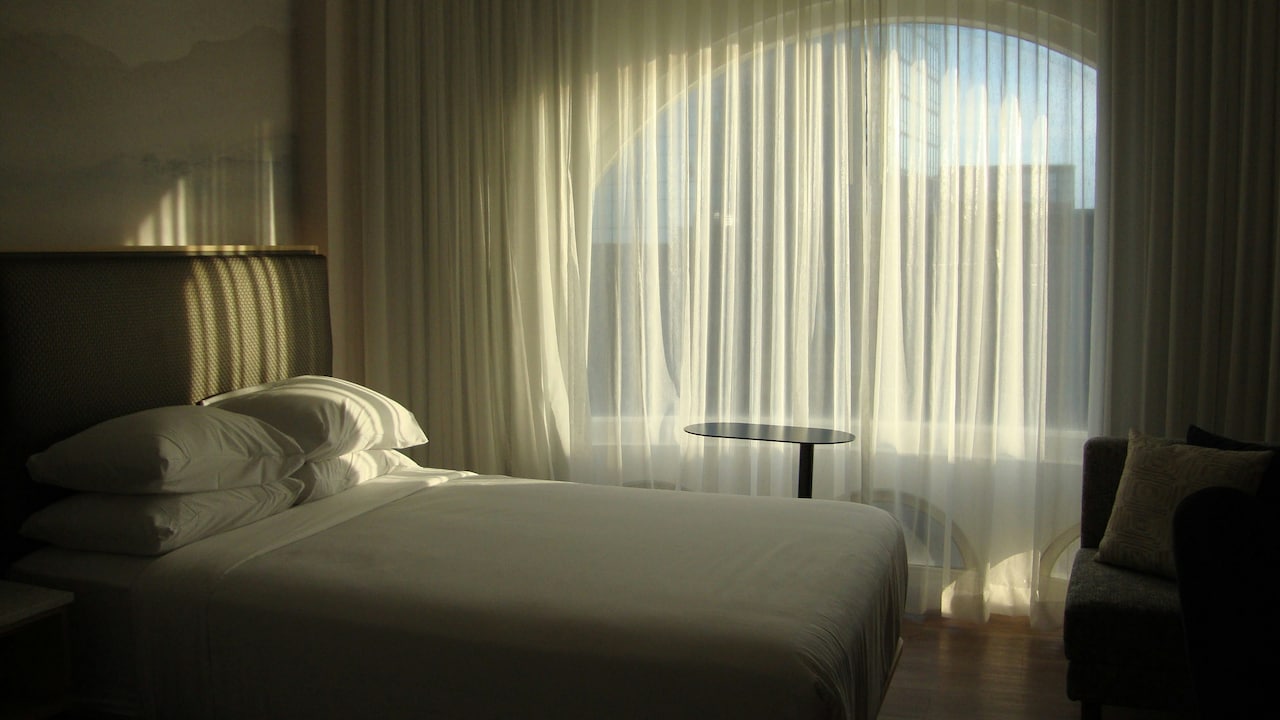
Sheer curtains bring softness without shutting out the world completely. They filter light, reduce glare and give a room a gentle glow. Morning sun through white sheers can make even a simple balcony door feel like a resort corner, minus the room service bill.
They work beautifully in living rooms, dining spaces and bedrooms where privacy does not need to be absolute during the day. Many people pair sheers with heavier curtains. The sheer layer stays closed for daytime comfort, while the thicker curtain comes in at night. This combination offers flexibility and looks layered without trying too hard.
Sheers also help when a room has strong colours or heavy furniture. Their lightness balances the space. Choose off-white, beige, pale grey or soft pastels for a timeless look. Avoid very cheap net-like fabric if the room receives harsh sun; it can look flimsy and age quickly. A good sheer should float, not sulk.
Decide Between Blackout And Dimout Curtains
Blackout curtains suit bedrooms, nurseries, home theatres and anyone who treats sleep like a sacred ritual. They block most outside light and reduce heat to some extent. In cities where streetlights, traffic and early sunrise disturb rest, blackout curtains can feel like a blessing.
Dimout curtains offer a softer option. They reduce brightness but do not create complete darkness. These work well in living rooms, guest rooms and study areas where some light feels welcome. They also look lighter than blackout curtains, so the room does not feel too closed.
Check the fabric before buying. Some curtains claim blackout performance but only darken the room slightly. Hold the fabric against strong light at the store or near a window. Lining also matters. A curtain with proper blackout lining performs better than merely dark-coloured fabric. Dark brown cotton may look serious, but sunlight can still march through it with full confidence.
Understand Rod Pocket Curtains
Rod pocket curtains have a stitched channel at the top through which the rod passes. They create a gathered, soft look and suit casual rooms. This style works well for windows where curtains stay mostly in place, such as guest rooms, decorative corners or small bedroom windows.
Their charm lies in simplicity. No rings, hooks or extra hardware enter the picture. The fabric bunches naturally and gives a cosy feel. Rod pocket curtains also suit lightweight fabrics, especially cotton and sheers. They can look sweet in children's rooms or relaxed balcony corners with plants and cane chairs.
However, they do not glide as smoothly as eyelet or ring curtains. Pulling them open and shut every day can feel slightly annoying, especially on a long rod. For wide windows or balcony doors, rod pockets may test patience. Choose them when the look matters more than daily movement. They are simple, charming and best for low-drama windows.
Understand Eyelet Curtains
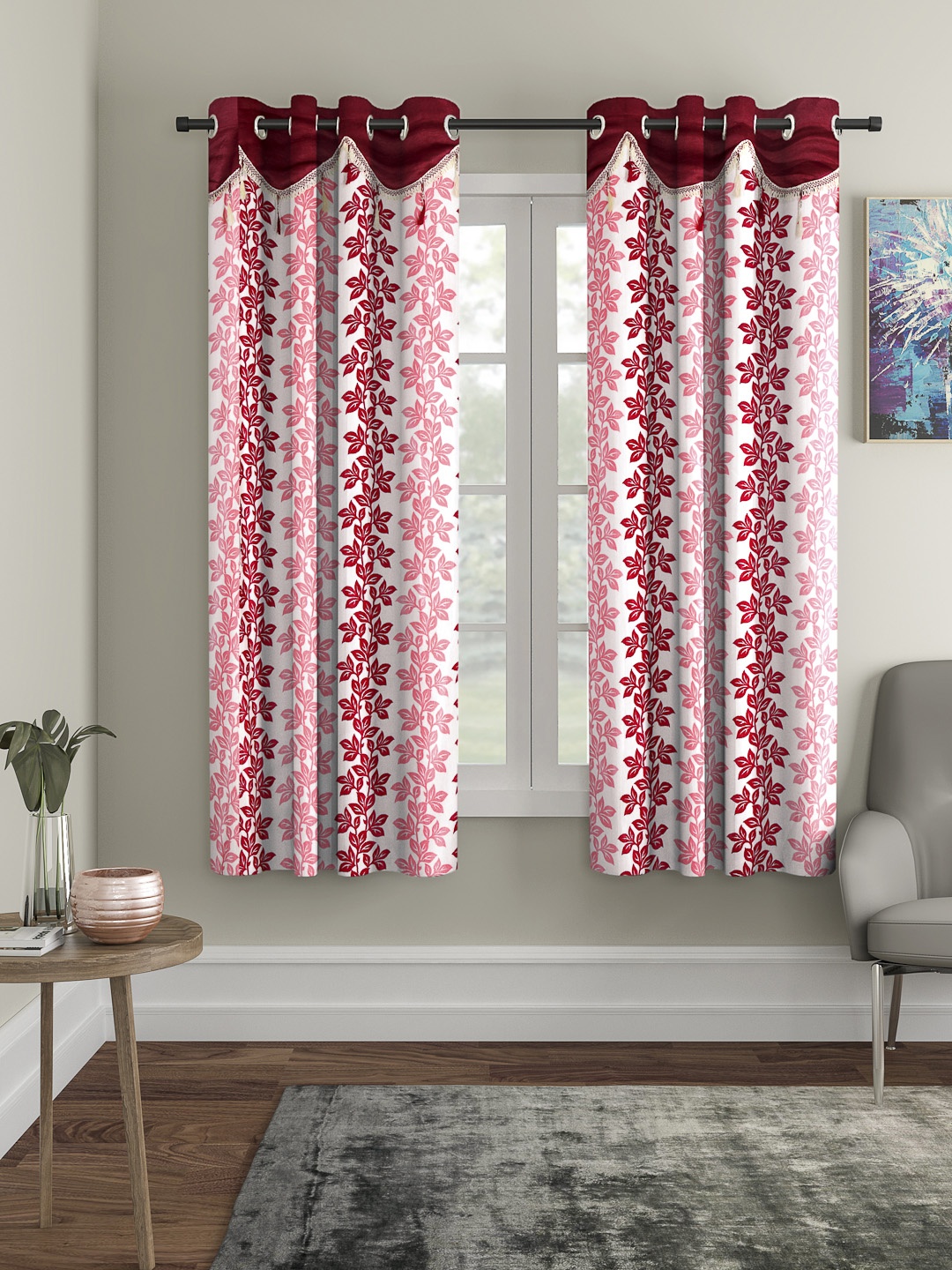
Eyelet curtains have metal rings fixed into the fabric header. The rod passes through these rings, creating even, deep folds. This style has become popular because it looks modern and opens smoothly. For balcony doors, bedroom windows and living rooms, eyelets offer a clean and practical choice.
They suit medium to heavy fabrics particularly well. Cotton blends, blackout curtains, jacquard and textured polyester all fall nicely in eyelet style. The folds look structured without feeling too formal. In a new flat, eyelet curtains can make the room look finished almost instantly.
The rod remains visible between the rings, so choose it with care. A dull or mismatched rod can spoil the effect. Metal rods in black, brass, steel or wood-finish tones usually pair well with eyelets. Also check ring quality. Poor metal rings may rust in humid weather or scrape the rod. A smooth glide makes daily use much happier.
Match Curtain Style With Décor
Curtains should join the room's conversation, not shout over it. In a room with patterned sofas, carved furniture or colourful rugs, plain curtains often work best. They calm the space and let the main pieces breathe. In a simple room with neutral furniture, patterned curtains can add character and movement.
Colour choice depends on mood. Cream, beige, grey and taupe feel safe and elegant. Earthy tones such as rust, olive, mustard and terracotta bring warmth. Deep blue, wine, charcoal or forest green can add drama, especially in larger rooms. For smaller spaces, lighter shades usually keep the room open and breezy.
Look at walls, flooring and furniture before deciding. Curtains need not match everything perfectly. In fact, exact matching can feel stiff. A cushion, rug or artwork can inspire the curtain colour. The aim is harmony, not uniformity. A room should feel collected over time, not assembled from one catalogue page.
Think About Maintenance Before Buying
Curtains collect dust, cooking fumes, pollen and the occasional mystery stain. Maintenance should influence the purchase as much as design. Machine-washable curtains make life easier, especially in busy homes. Check the care label before billing, not after the first spill.
Cotton may shrink if washed carelessly, so pre-shrunk or blended fabric works better for regular use. Linen needs gentle handling and ironing if crispness matters. Velvet and silk-look curtains often need dry cleaning. That cost adds up, so think beyond the first price tag. A ₹2,000 curtain with expensive cleaning needs may become less practical than a ₹1,500 washable pair.
Dust curtains weekly with a vacuum brush or a good shake outdoors. Wash or clean them every few months, depending on pollution and weather. During monsoon, make sure curtains dry fully before rehanging. Damp fabric can invite odour and mildew. Beautiful curtains should smell fresh, not like forgotten laundry.
Budget Smartly Without Compromising Style
Curtains come in every price range, from affordable ready-made panels to custom-made designer pieces. A smart budget begins with priorities. Spend more on curtains for rooms used daily, such as the living room and main bedroom. Choose simpler options for storage rooms, spare rooms or short-term rentals.
Ready-made curtains often cost less and work well for standard window sizes. Custom curtains suit odd-sized windows, tall ceilings or specific fabric choices. They cost more, but they can solve tricky design problems neatly. Always include rods, brackets, rings, lining and stitching charges in the budget. These extras can surprise anyone at the final bill.
A good approach mixes value and style. Use sheers with affordable solid curtains, or choose one statement fabric for the main room and simpler curtains elsewhere. Sales can help, but avoid buying only because the price looks tempting. A wrong-sized bargain still remains wrong-sized. The best curtain feels worth it every day.
Curtain Buying Guide: How To Choose Length, Fabric And Styles
Photo Credit: Pexels
Products Related To This Article
1. HOMEMONDE Solid Blackout Curtains 7 Feet Set of 2
2. FRESH FROM LOOM Botanical Opaque Window Curtains 6 Feet Long
3. Velvet Curtains 7 Feet Long for Living Room
4. Homefab India Royal Silky Grommet Door Curtain
5. Cloth Fusion 100% Blackout Door Curtains 7 Feet Long Set
6. HUESLAND Cotton Door Curtain 7 feet Long
7. Exporthub 2 Piece Eyelet Polyester Door Curtain
Curtains may seem like a small detail, but they carry plenty of responsibility. They manage light, protect privacy, frame views and add comfort to daily life. The right curtain length can make a room look taller. The right fabric can cool a sunny corner or soften a dull wall. The right heading style can turn a simple rod into a design feature.
Before buying, measure carefully, think about how the room gets used and choose fabric that suits both climate and routine. Rod pocket curtains bring softness and simplicity, while eyelet curtains offer smooth movement and a modern finish. Sheers add charm, blackout curtains support better sleep, and well-planned width creates that lovely gathered look.
A beautiful curtain does not need to cost a fortune or follow every trend. It only needs to suit the window, the room and the people who live around it. Once those three come together, even an ordinary window can look ready for compliments.
(Disclaimer: This article may include references to or features of products and services made available through affiliate marketing campaigns. NDTV Convergence Limited (“NDTV”) strives to maintain editorial independence while participating in such campaigns. NDTV does not assume responsibility for the performance or claims of any featured products or services.)










![Steam Iron Teflon Shoe Cover for ES-300,ST-96 [Only For ES-300 and ST-96 Model Electric Steam Irons]](https://m.media-amazon.com/images/I/51wwkttondL._SL160_.jpg)