How To Choose The Right Pot Size Without Overcrowding Plants
Choosing the right pot size helps plants grow healthy roots, prevents overcrowding, and avoids water stress. This guide explains how to match pot size with plant type, growth rate, and climate for better results. Keep your plants healthy and happy by choosing the right pot size through these simple tips.
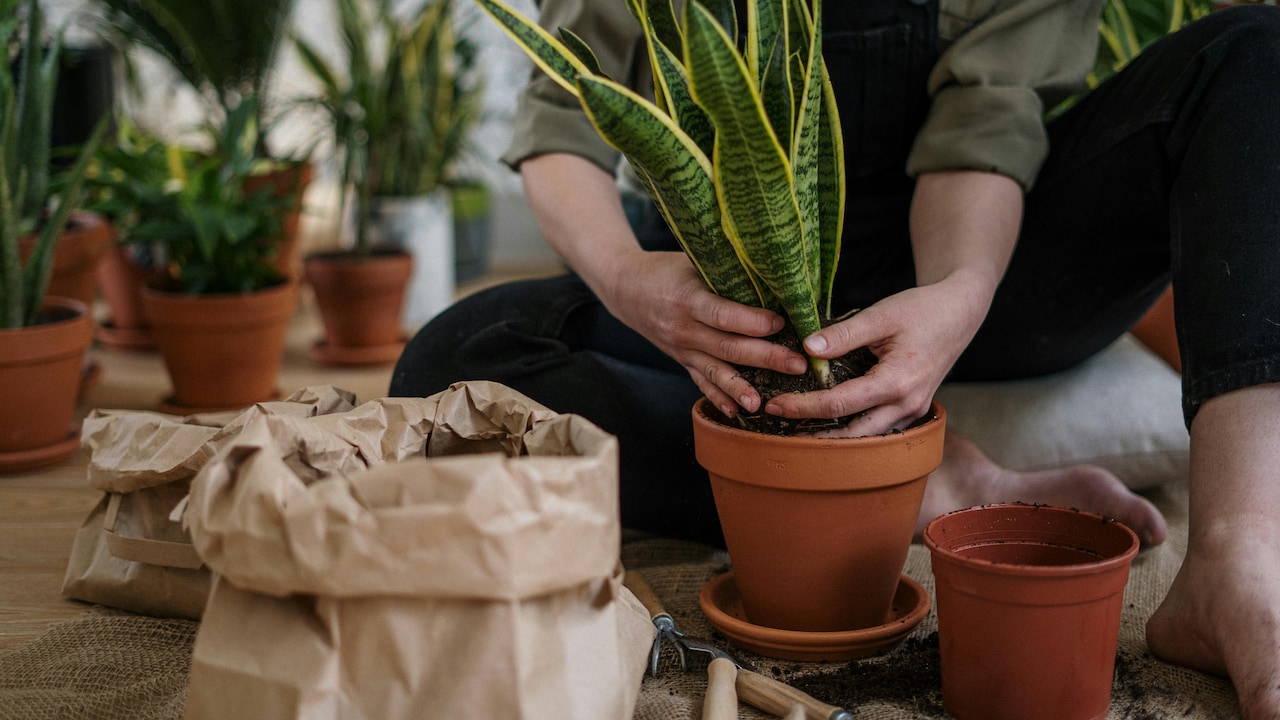
Choosing the Right Pot Size: Here Is A Simple Guide to Prevent Overcrowded Plants.
Plants speak, just not in words. Curling leaves, slow growth, and stubborn blooms often point to one quiet issue: the wrong pot size. Many home gardeners rush this step, driven by looks or discounts at the nursery. A shiny ceramic pot for ₹800 may charm the eyes, yet roots care little for style. They want space, air, and balance.
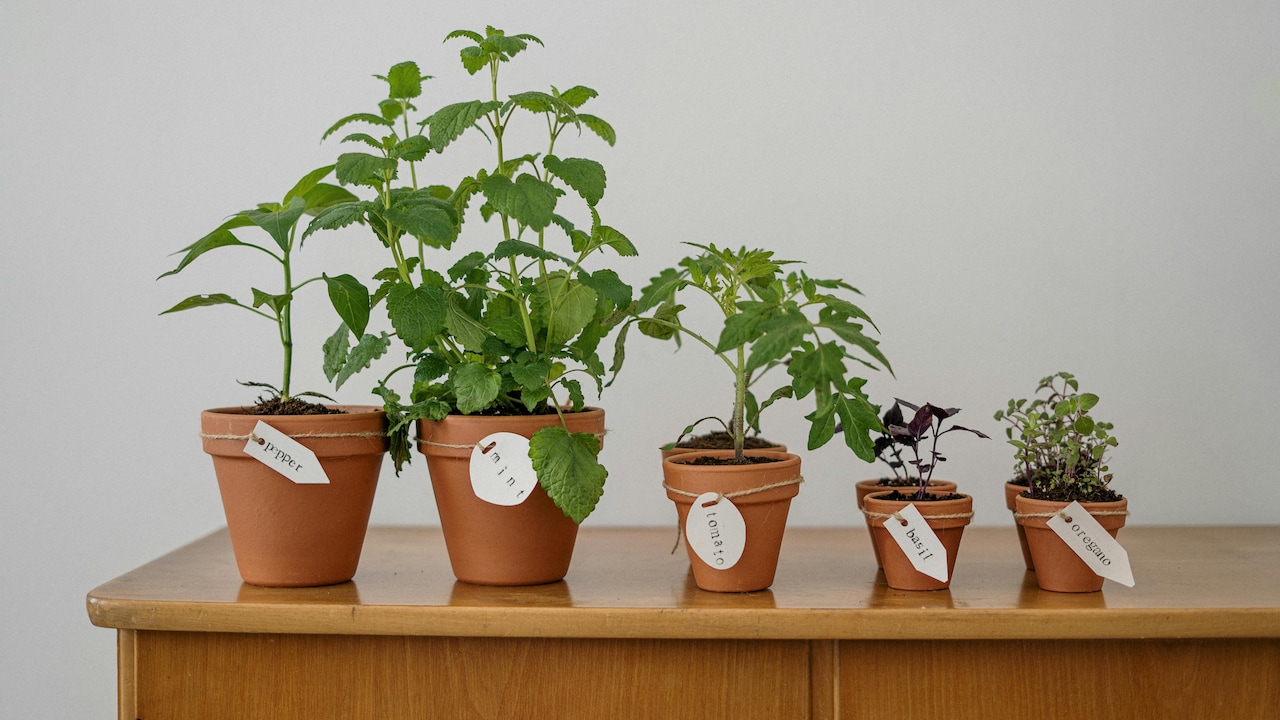
Make your garden thrive by choosing the right pot size; Photo Credit: Pexes
Urban homes now host balcony gardens, terrace jungles, and kitchen-window herbs. Space stays limited, yet expectations run high. The right pot size helps plants grow strong without fighting neighbours for nutrients. It also saves water, fertiliser, and effort. Overcrowding stresses plants and invites pests. Oversizing creates soggy soil and weak roots.
This article explains how to match pot size with plant needs. No jargon. No lectures. Just practical tips shaped by everyday growing conditions, warm weather, and busy routines. Think of it as choosing the right home for a green companion, comfortable, not cramped, and never wasteful.
Also Read: 5 Best Decorative Pots On Amazon
Key Principles For Choosing The Right Pot Size
1. Understand the Root System Before Choosing the Pot
Roots shape the future of a plant. Some spread wide and shallow, while others dig deep with purpose. A pot should match this natural behaviour. Herbs like coriander prefer shallow containers. Roses and hibiscus enjoy deeper roots that allow anchoring roots.
A quick check at the nursery helps. Gently slide the plant out of its plastic bag. Roots circling tightly signal the need for a larger pot. Sparse roots suggest patience. Jumping too many sizes shocks the plant and slows growth.
A good rule works well: choose a pot that feels one size bigger than the current root ball. Around 2–5 cm extra space on all sides suits most plants. This space allows roots to explore without drowning in excess soil.
Think of roots as feet. Shoes that pinch hurt. Shoes that flop trip. The right fit supports steady growth and keeps the plant stable during strong winds or heavy rain.
2. Match Pot Size With Plant Growth Speed
Some plants grow as they race against time. Others take a slow, thoughtful path. Money plants and tomatoes stretch fast and demand space quickly. Snake plants and ZZ plants stay calm and compact for years.
Fast growers need pots that allow future expansion. A small pot may look neat today, but it will demand repotting within weeks. This constant shifting stresses the plant and disrupts roots.
Slow growers prefer snug homes. Large pots hold moisture longer, which suits fast-growing, thirsty plants. Slow growers often rot in such conditions.
Gardeners often overestimate growth. A sapling does not become a tree overnight. Check average growth rates before buying that oversized pot on sale for ₹500. Let the plant earn its upgrade. Growth should guide the pot, not impatience.
3. Consider the Material Along With the Size
Pot size never works alone. Material changes how soil behaves. Clay pots breathe and dry faster. Plastic pots retain moisture longer. Cement pots stay cool but feel heavy.
A small clay pot may dry too fast in summer. A large plastic pot may stay wet for days. Both affect roots. Size decisions should adjust for material choice.
For balconies that receive strong afternoon sun, slightly larger clay pots help maintain moisture. For shaded corners, smaller plastic pots prevent soggy soil.
Cost matters too. A sturdy clay pot may cost ₹150, while decorative ceramic ones cross ₹1,000. Plants thrive in balance, not luxury. Choose material that supports the plant's water needs, then adjust size accordingly.
4. Leave Room for Drainage, Always
Drainage holes save lives. Without them, even the perfect pot size fails. Excess water suffocates roots and invites fungus. Many attractive pots have skip holes for style. This choice causes trouble.
Pot size should allow a drainage layer without crowding roots. Pebbles or broken tiles need space. A very small pot leaves little room for this layer, which traps water near the roots.
As a guide, pots under 15 cm often struggle with proper drainage for most plants. Slightly larger pots handle water flow better.
A healthy pot allows water to exit within seconds after watering. Standing water signals danger. Overcrowding roots and blocking drainage work together to weaken plants faster than pests ever could.
5. Respect the Climate and Season
Warm weather speeds growth and evaporation. Cooler months slow everything down. Pot size choices should reflect this rhythm.
During hot summers, small pots dry quickly. Plants wilt by noon and demand frequent watering. Slightly larger pots reduce stress and keep roots cool.
During the monsoon, large pots stay wet for too long. Fungal issues rise. Medium-sized pots strike a balance during this season.
Seasonal repotting helps. Upgrade pot size just before active growth begins. Avoid major changes during peak heat or heavy rains. Plants handle transitions better when conditions feel gentle.
Pot size should work with the season, not fight it. This awareness reduces effort and keeps plants steady through weather swings.
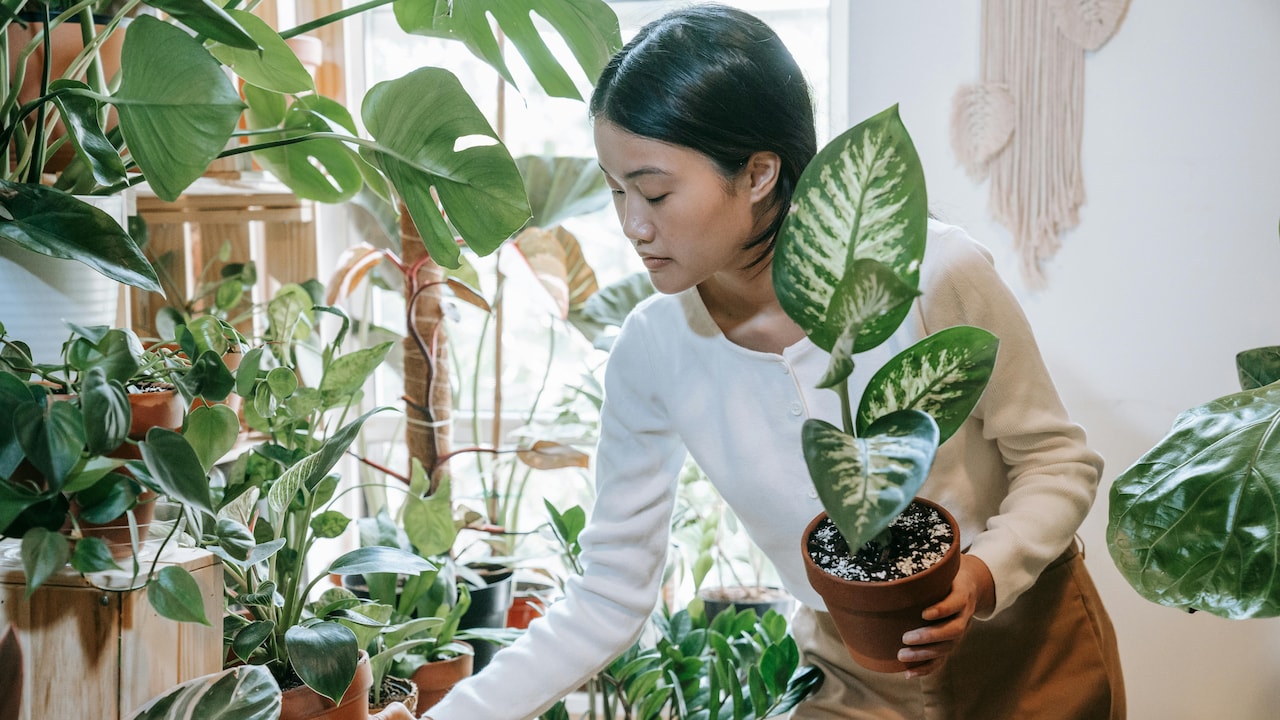
Always consider the climate and season when choosing a pot for your plants; Photo Credit: Pexels
6. Avoid the Temptation to Group Too Many Plants
A wide pot filled with multiple plants looks lush. It also creates competition underground. Roots fight for nutrients, water, and air. Growth suffers, even when foliage looks full at first.
Each plant needs its own breathing space. Herbs planted together often bolt early or turn bitter. Flowering plants bloom less when crowded.
If grouping feels necessary, increase pot size thoughtfully. Space plants evenly and choose shallow-rooted varieties. Even then, expect shorter lifespans.
A single healthy plant often outperforms five struggling ones. Fewer plants also simplify care. Watering, feeding, and pruning stay manageable. Overcrowding promises abundance but delivers disappointment.
7. Observe the Plant's Signals Regularly
Plants communicate through subtle signs. Yellow leaves, slow growth, and roots peeking out of drainage holes speak clearly.
Roots emerging from the bottom suggest the pot feels tight. Soil drying too fast also hints at overcrowding. These signs call for a size upgrade.
On the other hand, soil staying wet for days and limp growth indicate excess space. Downsizing may rescue the plant.
Regular observation beats rigid rules. Spend a minute each week checking soil and leaves. This habit costs nothing and saves plants. Pot size decisions improve with attention and patience.
8. Balance Aesthetics With Practicality
A pot should please the eye without hurting the plant. Tall plants in tiny pots topple easily. Short plants in huge pots look lost.
Visual balance often matches biological balance. A plant that looks proportionate usually grows better.
Use stands or decorative covers if style matters. Let the inner pot serve the plant. The outer layer can serve as the décor.
Gardening does not demand constant spending. A plain pot costing ₹120 often outperforms a decorative one priced at ₹900. Plants reward care, not appearance. Beauty follows health.
9. Plan for Repotting, Not Permanence
No pot lasts forever. Growth changes needs. Roots expand, soil compacts, and nutrients deplete.
Expect to repot most plants every one to two years. Each time, increase the pot size gradually. Jumping from a 15 cm pot to a 30 cm one creates an imbalance.
Keep a few spare pots ready. This habit avoids rushed purchases during sales or stressful moments.
Repotting offers a chance to refresh soil and inspect roots. Treat it as maintenance, not a failure. Plants thrive when change happens at the right pace.
10. Learn From Everyday Mistakes Without Guilt
Every gardener learns through loss. A wilted plant teaches more than a thriving one. Pot size mistakes happen to everyone.
Blame helps no one. Observation and adjustment fix most issues. Plants often recover when given the right space and care.
Start small. Experiment with one plant. Notice results. Confidence grows with each success.
Gardening rewards consistency, not perfection. Choosing the right pot size becomes easier with time. Trust the process. Soil, roots, and patience work together quietly.
Products Related To This Article
1. Modern White Flower Pot with Plastic Legs
2. YUCCABE ITALIA FOXB PCUP 15 Inch Pots
3. YUCCABE ITALIA Foxb Tk 30 Inch Pots for Plants Highly Durable Polymers Lightweight Indoor Outdoor Plant Pots
4. Ikom 6 Inch Planter - Indoor Pots for Plants Used in Home Decor
5. Plastic Round Flower Pots with Drainage Hole Saucers
Choosing the right pot size shapes the entire plant journey. It supports roots, balances water, and reduces stress. Overcrowding steals strength, while excess space invites rot. The sweet spot lies between comfort and challenge.
Good choices save money, effort, and heartbreak. A thoughtful pot selection often costs less than repeated replacements. Plants respond with steady growth, richer colour, and longer life.
Gardening thrives on attention, not rules carved in stone. Watch the plant. Adjust the pot. Learn with each season. When roots feel at home, everything above the soil begins to shine.
(Disclaimer: This article may include references to or features of products and services made available through affiliate marketing campaigns. NDTV Convergence Limited (“NDTV”) strives to maintain editorial independence while participating in such campaigns. NDTV does not assume responsibility for the performance or claims of any featured products or services.)



![Steam Iron Teflon Shoe Cover for ES-300,ST-96 [Only For ES-300 and ST-96 Model Electric Steam Irons]](https://m.media-amazon.com/images/I/51wwkttondL._SL160_.jpg)