How To Keep Your Towels Soft And Absorbent With Simple Laundry Habits And By Avoiding Common Washing Mistakes
Towels can become rough when detergent residue, hard water minerals, fabric softener and poor drying clog the fibres. A few simple laundry tweaks can restore softness, improve absorbency and help towels last longer.
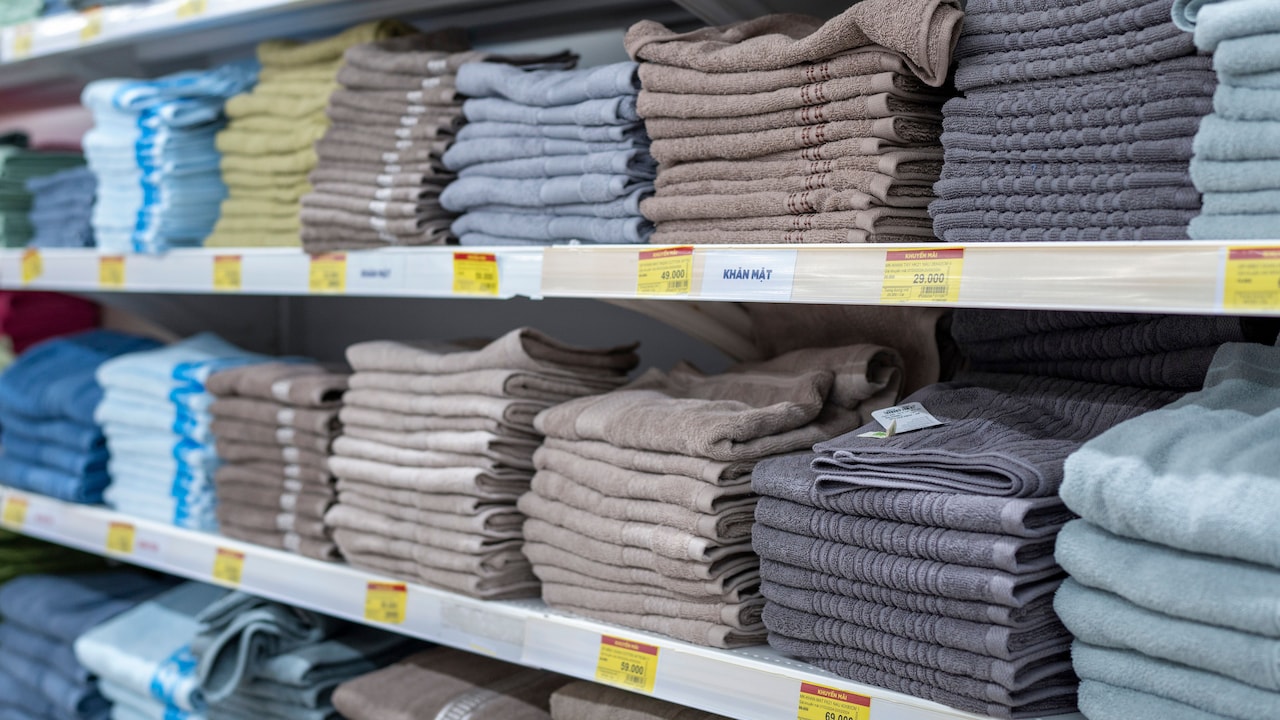
Towels Can Stay Soft For Longer With A Few Simple Tricks
Few household betrayals feel as personal as a towel turning rough too soon. One month it feels plush enough for a spa day, and the next it scrapes the skin like an old coir doormat. Many homes know this story well. A new towel comes home from a local market, mall, or online sale, looking thick, bright, and promising. After a few rounds in the washing machine, it loses that soft hug. The good news is that rough towels do not always mean poor quality. Often, the problem starts with small laundry habits that seem harmless. Too much detergent, hard water, fabric softener, crowded washing loads, harsh sunlight, and skipped rinses can all leave towels stiff and flat. Even good cotton struggles when soap residue and minerals cling to every fibre.
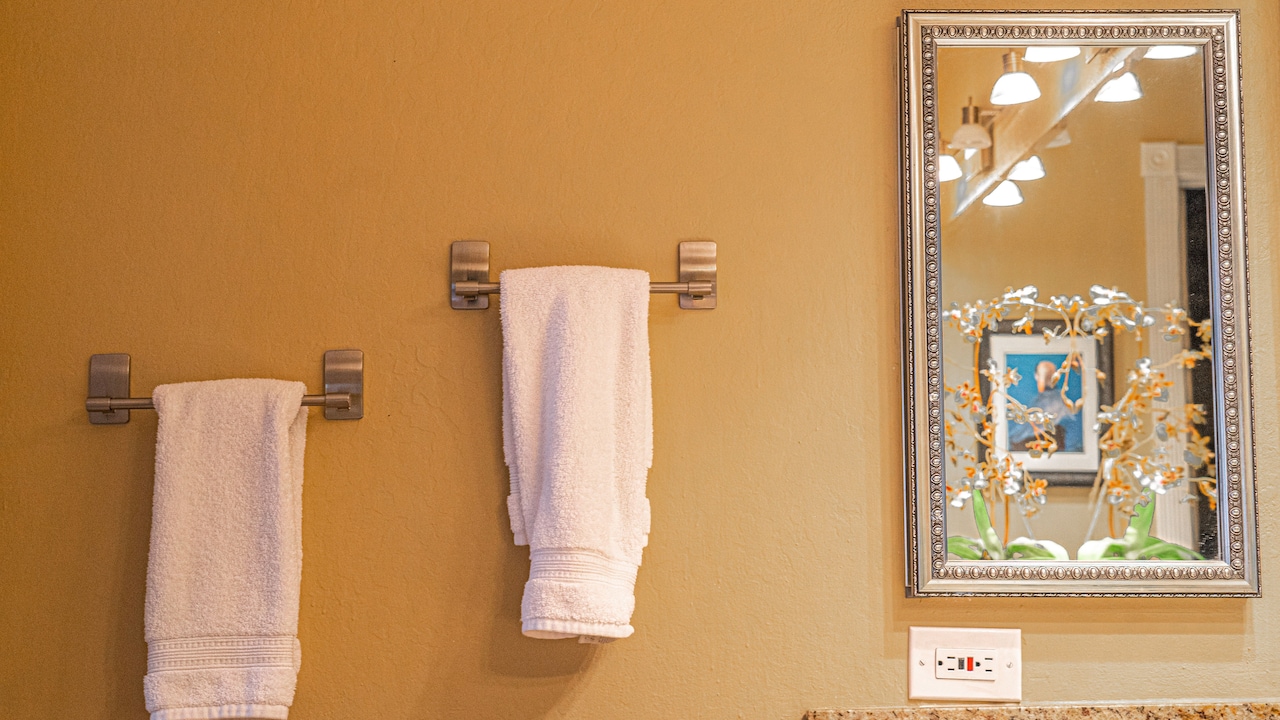
Why Your Towels Feel Rough After A Few Washes: Easy Fixes That Actually Help
Photo Credit: Pexels
Soft towels need space, clean water, mild washing, and proper drying. They also need less drama in the machine. No fancy imported products, no expensive laundry rituals, and no complicated hacks. A few practical fixes can make towels feel better, last longer, and dry the body properly without that sandpaper effect.
Common Mistakes And Easy Fixes To Make Rough Towels Soft Again
Too Much Detergent Leaves Towels Stiff
Detergent feels like the hero of laundry day, so adding an extra spoon seems logical. More soap should mean cleaner towels, right? Sadly, towels disagree. Cotton fibres soak up detergent easily, and when the machine cannot rinse it all out, the leftover residue settles deep inside the fabric. After a few washes, the towel starts to feel stiff, heavy, and oddly waxy.
This happens more often in homes where towels face heavy use after baths, workouts, hair washes, and humid monsoon days. People add extra detergent to fight smells, but the towel ends up carrying a soap coat. That coat blocks softness and reduces absorbency. The towel may look clean, yet it feels rough against the skin.
Use less detergent than the packet suggests, especially for towel-only loads. A medium load rarely needs a mountain of powder or liquid. For front-load machines, a small measured dose works better than a generous guess. Once a month, wash towels with no detergent and an extra rinse. This helps clear old buildup and gives the fibres room to breathe again.
Hard Water Makes Cotton Feel Crunchy
Many homes deal with hard water, especially in cities where borewell or mixed-supply water runs through the taps. Hard water contains minerals such as calcium and magnesium. These minerals cling to towel fibres during every wash. Over time, they create a dull, rough feel, even when the towel itself remains in good condition.
A towel washed in hard water can dry with a crunchy texture. It may also lose its brightness faster. White towels turn greyish, coloured towels look tired, and bath towels feel like they have spent a week near a construction site. This has less to do with the towel's price and more to do with what the water leaves behind.
A simple fix starts with regular descaling of the washing machine. Many households clean the drum only when it smells odd, but mineral buildup starts much earlier. A water softening powder made for laundry can also help, and many options cost under ₹200 for regular use. For a natural refresh, run towels with half a cup of white vinegar during the rinse cycle. Vinegar helps loosen mineral deposits without making towels smell like pickles, as long as the rinse works properly.
Fabric Softener Can Do The Opposite
Fabric softener sounds like the obvious solution for rough towels. The name itself feels reassuring. Yet towels and fabric softener have a complicated relationship. Most softeners coat fibres with a thin layer that makes clothes feel smooth. On towels, that coating blocks absorbency and traps residue. After repeated use, towels become less fluffy and more slippery than soft.
This is why a towel washed with fabric softener may smell pleasant but perform badly. It glides across the skin without drying properly. Then it stays damp for longer, especially in bathrooms without strong ventilation. Dampness invites musty smells, and the next wash brings more detergent and softener. The cycle continues until the towel feels tired beyond its age.
Skip fabric softener for towels. That one change can make a visible difference within a few washes. Use white vinegar occasionally in the rinse compartment instead. It helps soften fibres by removing buildup rather than hiding it. Also, avoid mixing towels with heavily perfumed laundry products. A towel should smell clean, not like a perfume counter in a wedding shopping rush.
Also Read: Top 5 Hooded Towels For Newborns: Soft, Safe, And Snuggly Comfort After Bath
Overloading The Washing Machine Crushes The Fibres
A full laundry basket tempts everyone. Towels take up space, and running a separate load feels wasteful on a busy weekday. So the machine gets packed with bath towels, hand towels, pillow covers, gym clothes, and perhaps one forgotten kurta. The drum turns, groans, and does its best. The towels, however, suffer.
Towels need movement to wash and rinse well. When the drum gets too full, detergent cannot spread evenly. Dirty water struggles to drain from the fibres. The rinse cycle also fails to remove residue properly. The result is a towel that feels stiff, smells stale, and dries badly. Overloading also flattens the loops that give towels their fluffy texture.
Wash towels in smaller loads. The drum should feel comfortably full, not stuffed like a suitcase before a long train journey. Towels should tumble freely. This allows water to pass through the fibres and lift away detergent, sweat, body oils, and dust. A lighter load may seem less efficient, but it saves re-washing, protects the machine, and keeps towels softer for longer.
Hot Water Is Not Always The Answer
Hot water has a strong reputation in laundry. It feels powerful, serious, and capable of defeating every germ in sight. Towels do need hygienic washing, but very hot water can damage fibres over time. It can fade colours, weaken cotton, and make towels feel rough sooner than expected. Not every towel needs a boiling-hot bath.
Warm water works well for most towel washes. It removes body oils and soap residue without punishing the fibres. For daily-use towels, a gentle warm cycle offers a good balance. Very hot water should be reserved for occasional deep cleaning, especially after illness or heavy contamination. Even then, check the care label before turning the temperature up.
In many homes, towels also face a bucket soaking before machine washing. Long soaking in harsh detergent and hot water can make matters worse. A short soak works for smell or stains, but overnight soaking often leaves fibres stressed and dull. Treat towels like hardworking guests, not criminals under interrogation. Give them warmth, not torture, and they will reward the skin with softness.
Skipping The Extra Rinse Leaves Hidden Residue
Towels are thirsty by nature. That makes them great after a bath, but tricky in the wash. They absorb detergent, dirty water, and minerals more deeply than lighter clothes. A normal rinse cycle may not always remove everything, especially when the load includes thick bath sheets. Leftover residue dries inside the fibres and creates that rough, cardboard-like feel.
An extra rinse can change the texture dramatically. It gives the machine another chance to flush out detergent, sweat, shampoo traces, and hard water deposits. This matters even more during humid weather, when towels may already smell damp before they reach the laundry basket. A better rinse means less residue, fewer odours, and a softer finish.
Use the extra rinse setting whenever towels feel heavy after washing or foam still appears near the end of the cycle. For hand washing, rinse until the water runs clear and the towel no longer feels slippery. This step takes a little more water, so use it wisely. But for towels that have turned rough too quickly, an extra rinse often works better than buying another laundry product.
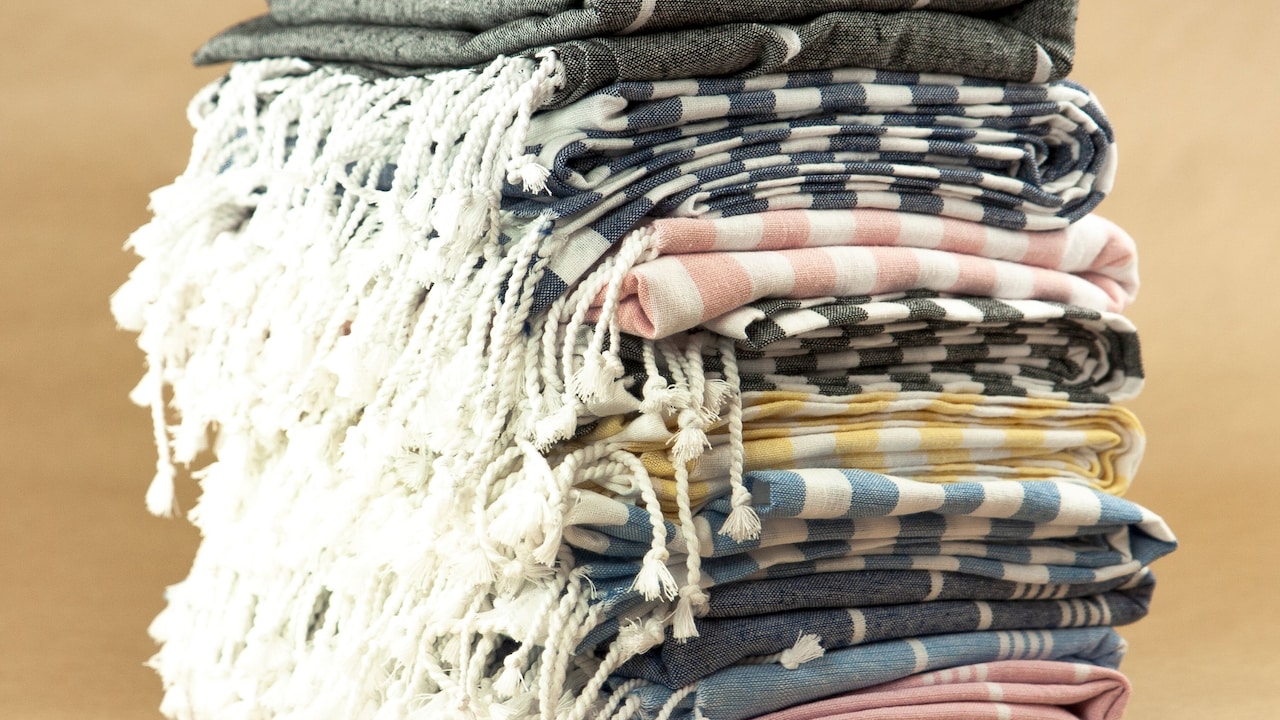
Why Your Towels Feel Rough After A Few Washes: Easy Fixes That Actually Help
Photo Credit: Pexels
Drying In Harsh Sun Can Make Towels Scratchy
Sunlight feels like nature's disinfectant, and it certainly helps dry towels quickly. But strong afternoon sun can make cotton fibres stiff, especially during peak summer. Towels left outside for too long may come back crisp enough to stand on their own. That dry, baked texture often feels rough on the skin, even when the towel smells fresh.
The trick is to dry towels well without roasting them. Morning sun or filtered balcony light works better than harsh midday heat. Shake each towel before hanging it. This loosens the loops and helps air move through the fabric. Hang towels with enough space between them, not folded thick over a line where the middle stays damp.
Once dry, remove towels promptly. Do not leave them outside from breakfast to evening chai unless the weather demands it. A quick shake after drying can also soften the texture. In flats where sunlight comes in short shifts, use a stand near a well-ventilated window or fan. Towels need airflow more than punishment from the sun.
Leaving Towels Damp Invites Odour And Roughness
A damp towel thrown on a bed, door hook, or plastic chair starts a silent rebellion. Moisture sits inside the fibres. Bathroom humidity makes it worse. Soon, the towel develops that sour smell everyone recognises, but nobody wants to discuss. Once odour settles in, people usually respond with stronger detergent, more washing, and hotter water. The towel then turns rough faster.
The best fix begins after every bath. Spread the towel properly so it can dry between uses. A towel bunched on a hook dries unevenly. A towel spread on a rod or stand gets better airflow. This small habit prevents musty smells and reduces the need for aggressive washing.
Do not toss damp towels straight into a closed laundry basket. Let them dry first, especially during monsoon months. A basket full of wet towels can smell like a forgotten changing room. If a towel already smells sour after washing, run it through a vinegar rinse or a wash with baking soda, but not both together in the same cycle. Used separately, they help tackle odour and residue more effectively.
Cheap Towels May Need Different Care
A towel does not need to cost ₹2,000 to feel good. Many affordable towels from local shops work beautifully with the right care. Still, cheaper towels sometimes have shorter fibres, looser weaving, or more finishing chemicals from manufacturing. These towels may feel soft at first because of factory treatments, then turn rough once those coatings wash away.
This does not mean the towel has failed. It may simply need gentler handling. Wash new towels before use to remove finishing residue. Avoid harsh detergents, strong bleaching agents, and vigorous scrubbing. For coloured towels, mild detergent helps protect both texture and shade. Also, avoid ironing towels. Heat presses down the loops and steals the fluff.
When buying towels, feel the density rather than trusting only the shine. A towel that feels plush but not overly slippery often performs better. Check the edges too. Strong stitching prevents fraying after repeated washes. A good everyday towel can come at ₹300, ₹600, or ₹1,000, but care decides how long it stays pleasant. Even a modest towel can feel luxurious when washed kindly.
The Right Wash Routine Keeps Towels Soft
A soft towel routine does not need a complicated Sunday spreadsheet. Keep it simple. Wash towels separately or with similar items. Use a modest amount of detergent. Choose warm water for regular washes. Add an extra rinse when towels feel stiff or smell dull. Skip fabric softener. Dry towels with enough airflow, and remove them once they are fully dry.
Every few weeks, give towels a reset wash. Use warm water, a small amount of detergent, and a rinse with white vinegar. This helps remove the buildup that normal washing leaves behind. For very rough towels, run one wash with vinegar and another later with baking soda. Keep them separate because mixing them in the same wash mostly creates fizz and disappointment.
Storage matters too. Fold towels only when completely dry. Keep them in a cupboard with a little breathing space. A tightly packed shelf traps moisture and flattens fluff. Place the newest towels at the bottom and use older ones first. This keeps rotation fair and prevents one favourite towel from ageing like it has carried the whole household on its shoulders.
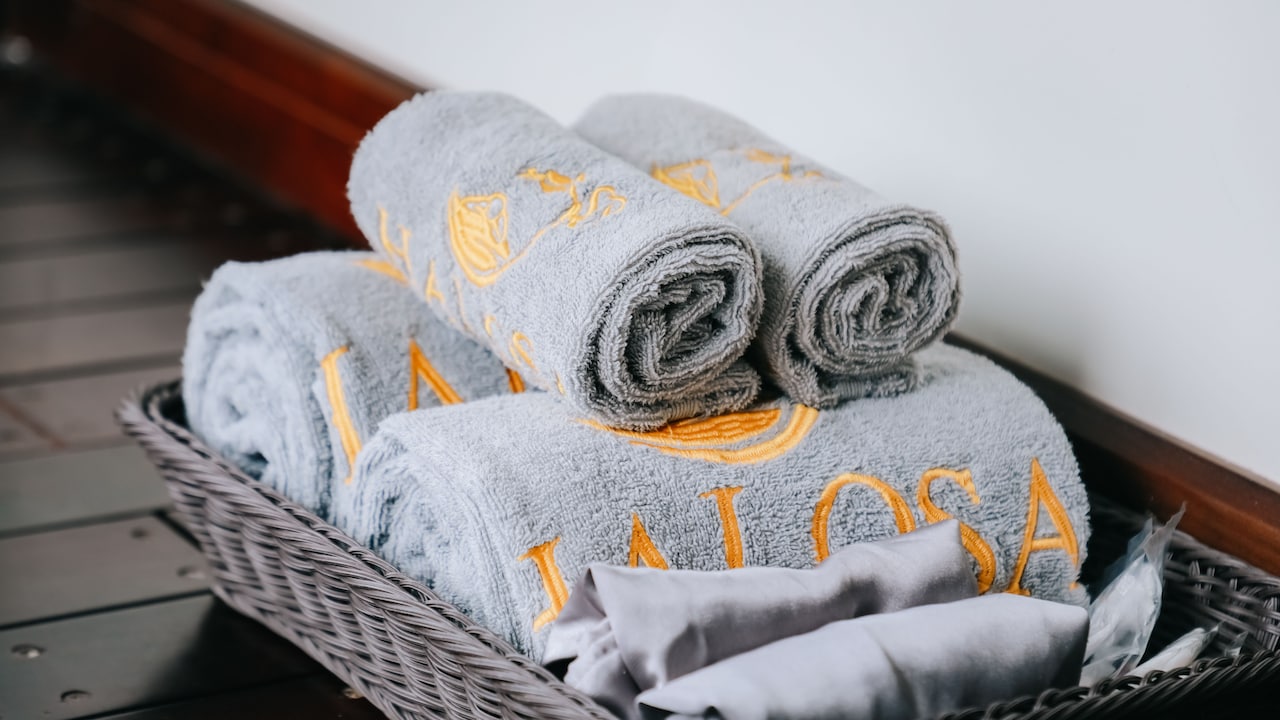
Why Your Towels Feel Rough After A Few Washes: Easy Fixes That Actually Help
Photo Credit: Pexels
Some Top-Rated Towels You May Like On Amazon
1. HEELIUM Bamboo Bath Towel | Ultra Absorbent
2. Earthy Fables Bamboo Bath Towel 70x140 cm, 600 GSM Bamboo Towel
3. MAXOSHINE Microfiber Towels for Bath Large Size-Super Soft Coral Fleece Bathing Towel
4. Athom Living Premium Cotton Bath Towel, Quick Dry
5. COMFORT WEAVE Cotton Bath Towels 250 GSM Multicolor
6. Mush Bamboo Towels for Bath Large Size
7. Thirsty Towel by Doctor Towels, Bamboo Bath Towel Set of 3
Rough towels usually come from buildup, not bad luck. Detergent residue, hard water minerals, fabric softener, overloaded machines, harsh drying, and damp storage can all turn soft cotton into something scratchy. The fixes are easy once the cause becomes clear. Use less detergent, rinse better, dry smarter, and let towels breathe between uses.
A good towel should feel comforting at the end of a long day, whether after a quick morning bath, a sweaty commute, or a lazy weekend hair wash. It should dry well, smell clean, and touch the skin gently. With a few thoughtful changes, even towels that have lost their charm can become softer again. No magic, no luxury laundry bill, and no dramatic cupboard replacement needed. Just kinder washing habits and a little respect for the humble towel.
(Disclaimer: This article may include references to or features of products and services made available through affiliate marketing campaigns. NDTV Convergence Limited (“NDTV”) strives to maintain editorial independence while participating in such campaigns. NDTV does not assume responsibility for the performance or claims of any featured products or services.)