How To Set Up A Golu Display For Navratri
Understand different ways to set up a Golu display for Navratri with the right steps, dolls, themes, lighting and simple decoration ideas for any home.
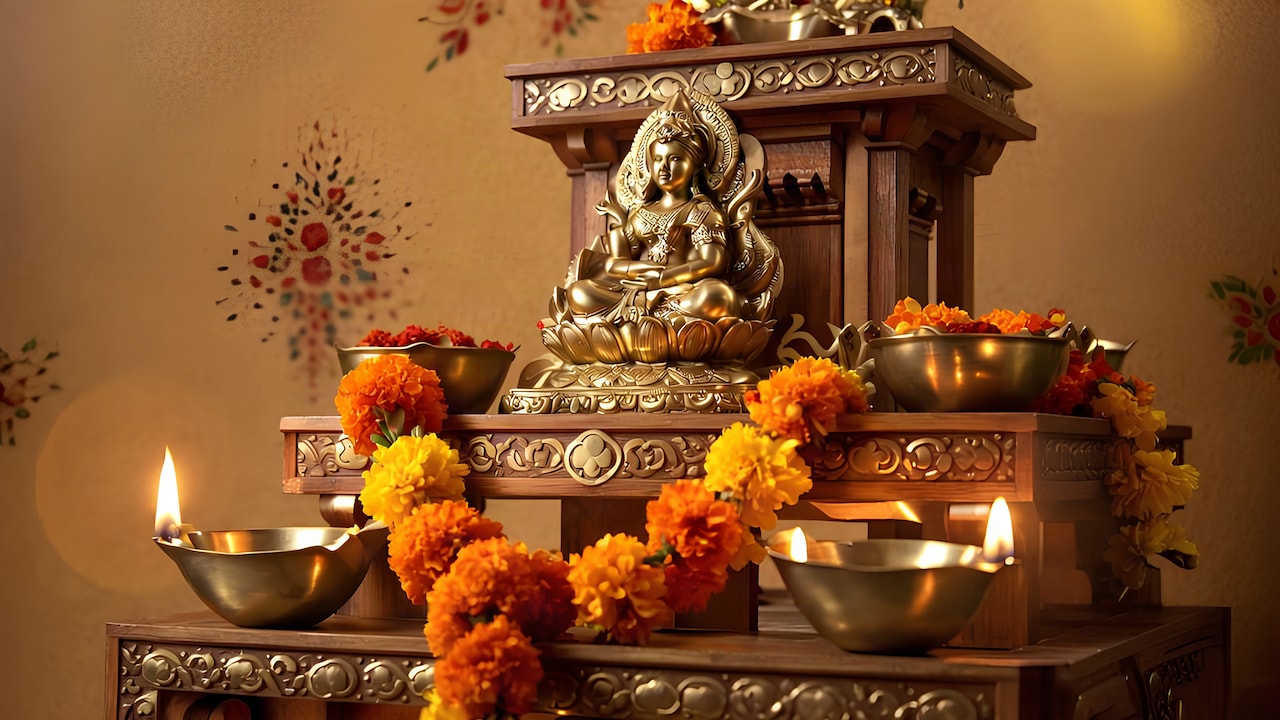
Easy ways to set up a stunning Golu doll display
A Golu display can turn a corner of the home into a colourful festive scene filled with dolls, figurines, lights and stories, and for families who follow the tradition, setting it up is also an opportunity to bring out treasured pieces collected over several years. Golu, also called Kolu or Bommai Golu, is traditionally arranged on stepped platforms during Navratri. The practice is especially associated with households in parts of South India, with related traditions known by different names across regions.
What Do You Need Before Setting Up A Golu?
Photo Credit: iStock
The display does not have to be enormous to look beautiful. A smaller three- or five-step arrangement can work well in an apartment; also, larger homes can use seven or nine steps to create a more elaborate presentation, and traditional guidance commonly uses an odd number of tiers.
Also Read: Let Your Corners Glow This Navratri: 5 Budget Friendly Curtain Lights
What Do You Need Before Setting Up A Golu?
1. Choose The Right Number Of Steps
Start by deciding how much space is available and how many dolls need to be displayed, and three, five, seven and nine steps are commonly used, with the final choice depending on the size of the home and collection.
For a first Golu, three or five steps can be easier to manage; also, a larger nine-step display can provide more room to separate deities, mythological scenes, cultural figures and everyday-life arrangements.
2. Prepare A Stable And Clean Base
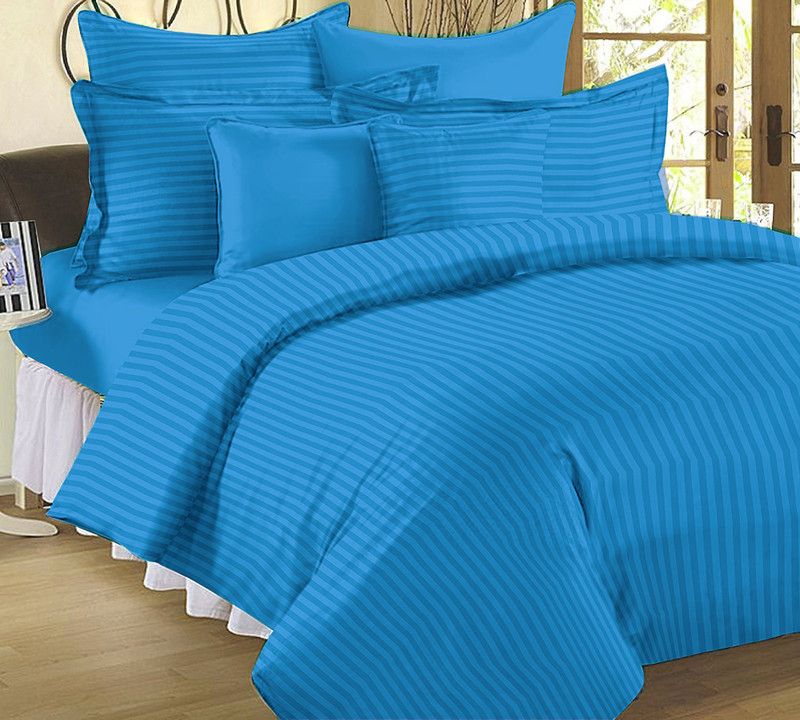
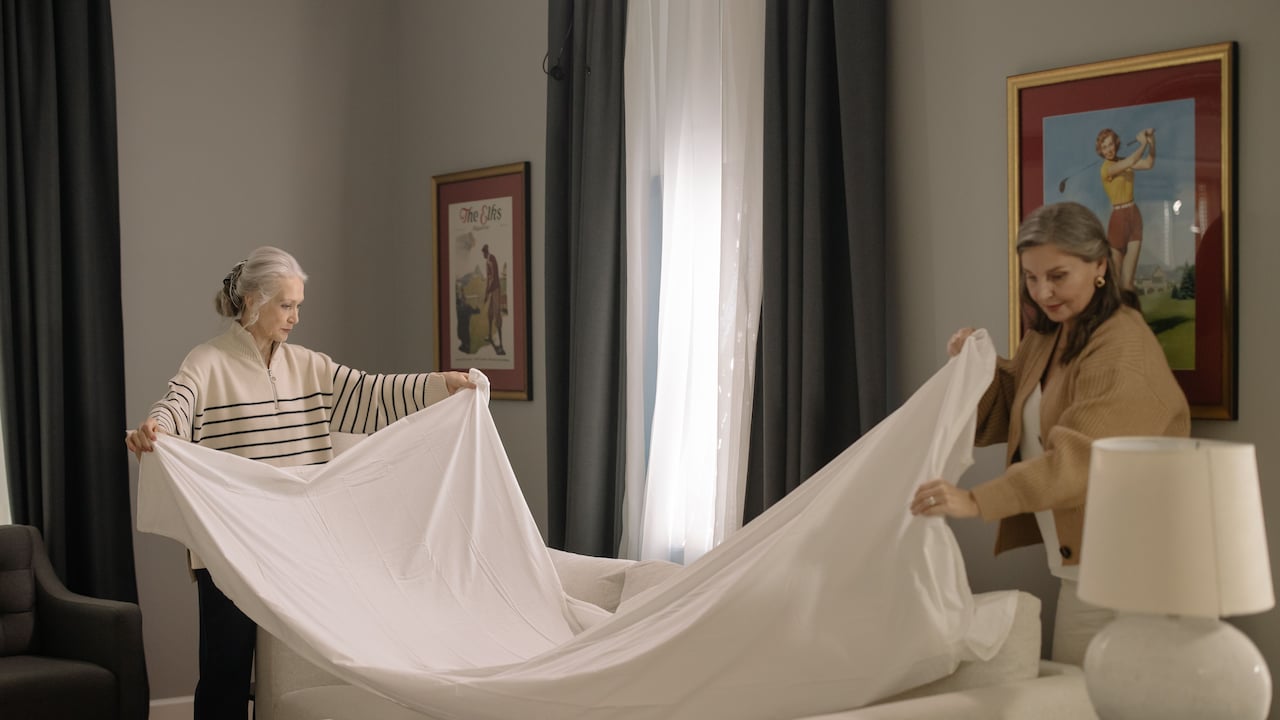
The steps should be sturdy enough to safely support the dolls, and wooden or metal stands are commonly used, while a reinforced temporary structure can work if it is stable and properly covered.
How Should You Arrange A Golu Display Step By Step?
Step 1: Start With The Top Tier
The topmost tier is usually kept for the main deities and the central ceremonial setup. Depending on the family tradition, figures of Durga, Lakshmi, Saraswati, Ganesha and other revered gods can be kept here along with the kalash.
If you are going to have the most important numbers, don't fill every space with them. Leave some space around your main arrangement. This can make your display look more organised.
Step 2: Arrange Religious And Mythological Figures
The middle tiers can be used for other deities, saints, gurus and mythological scenes; also, traditional displays may include stories or figures associated with the Ramayana, Mahabharata, Krishna stories and other religious narratives.
Try grouping similar figures instead of scattering them across the display, and this creates a clearer visual story and makes individual sets easier for visitors to appreciate.
Step 3: Create Everyday-Life Scenes
The lower tiers are where a Golu display can become especially creative. Families may use dolls representing musicians, dancers, markets, weddings, village life, occupations, celebrations and other everyday scenes.
A small market scene, music group or wedding arrangement can give the display a sense of movement. Different heights and colours can also make these lower sections more visually interesting.
Step 4: End With Nature And Small Details
The bottom area can feature animals, birds, plants, trees, and miniature garden scenes. Also, some displays extend the scene onto the floor in front of the lowest tier to make the arrangement look larger.
What Are The Benefits Of Planning A Golu Theme?
Planning a theme can be a huge help to make a large collection feel cohesive; instead of placing every doll wherever there is a space, each section can contribute to one larger story. A theme can also make the display easier for children and visitors can understand. For example, one tier can focus on mythology, another on music and dance, and another on village or family life.
The approach is also useful when working with an older collection. Rather than buying entirely new decorations, existing dolls can be reorganised into groups and supported with simple fabric, flowers and lighting.
What Mistakes Should You Avoid When Setting Up Golu?
1: Every Step Overcrowding
It is tempting to show all the dolls out at once, but overcrowding can hide the smaller figures and make the display difficult to see.
Leave some space between the groups, especially the big dolls, so that they are more visible without adding more steps; just put taller figures toward the back and smaller ones toward the front.
2: Ignoring Safety Around Lighting
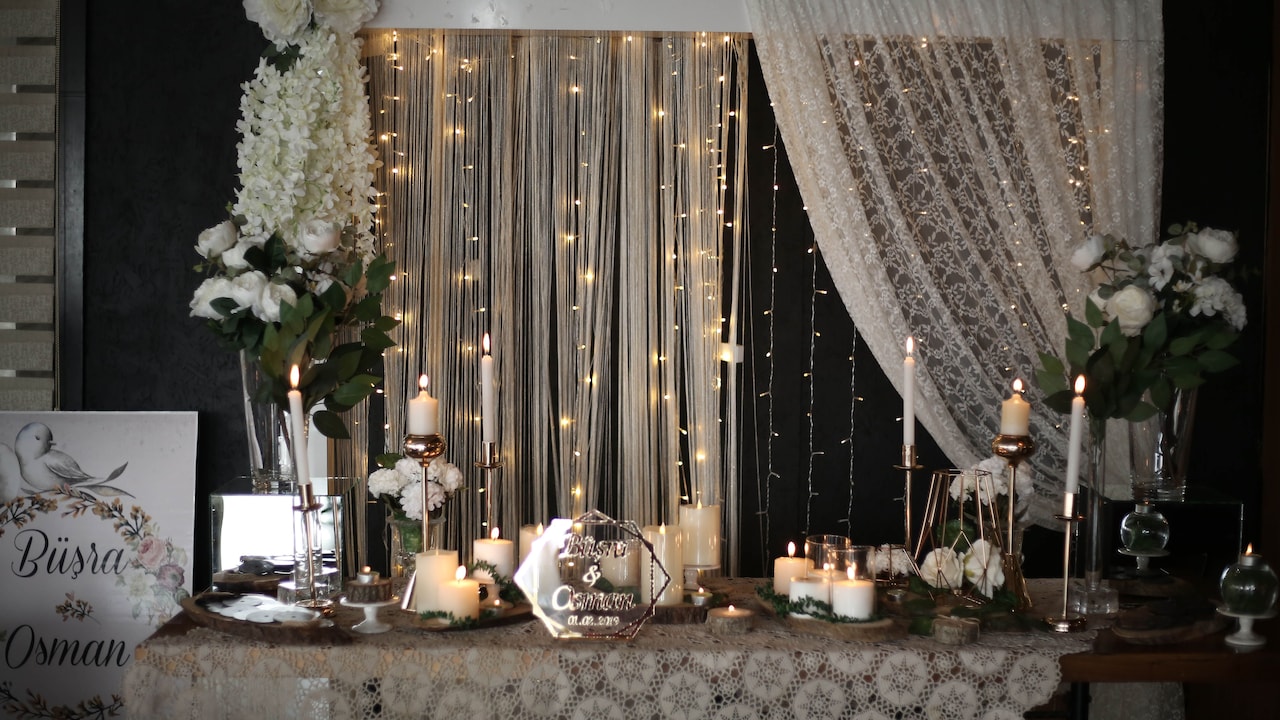
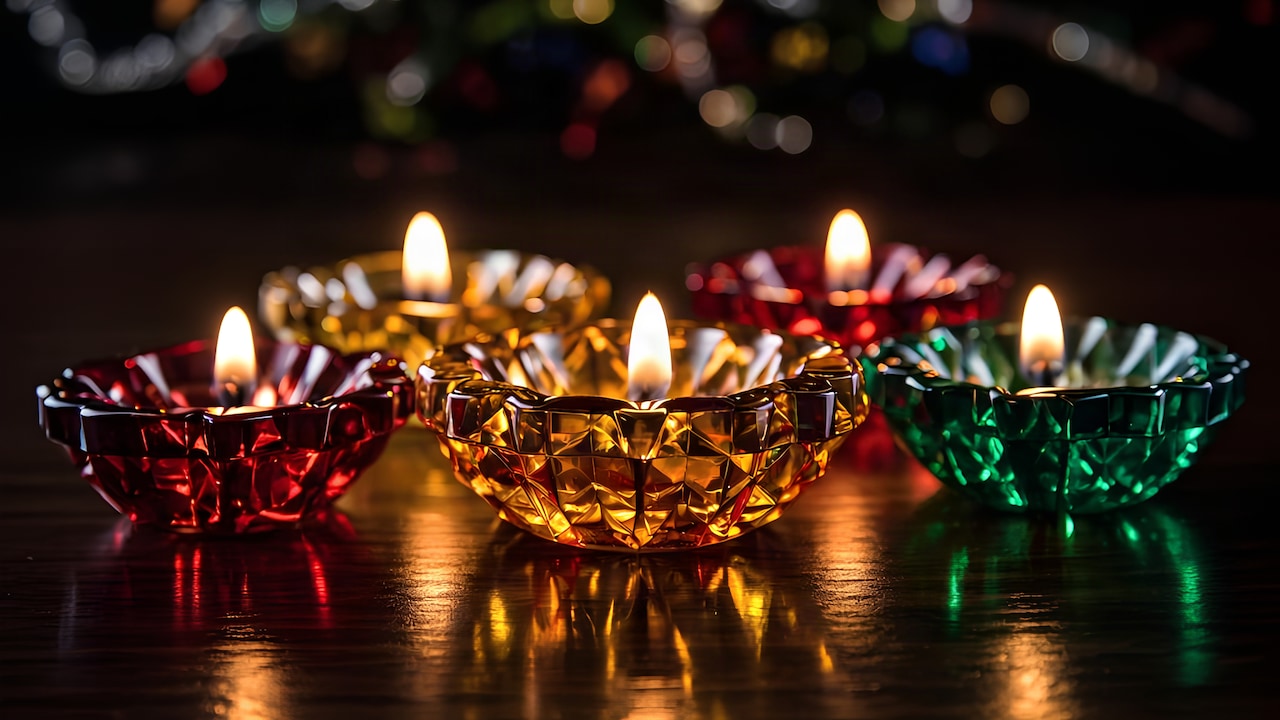
Decorative lights and lamps can add warmth to a Golu display, but they should be positioned carefully around fabric and wooden structures, and electrical wires should also be kept organised and away from areas where people may walk.
Heavier dolls should be positioned securely, while delicate pieces should not be placed where they can easily be knocked over; since the display may remain in place throughout Navratri, stability matters as much as appearance.
Few Products To Consider From
Photo Credit: iStock
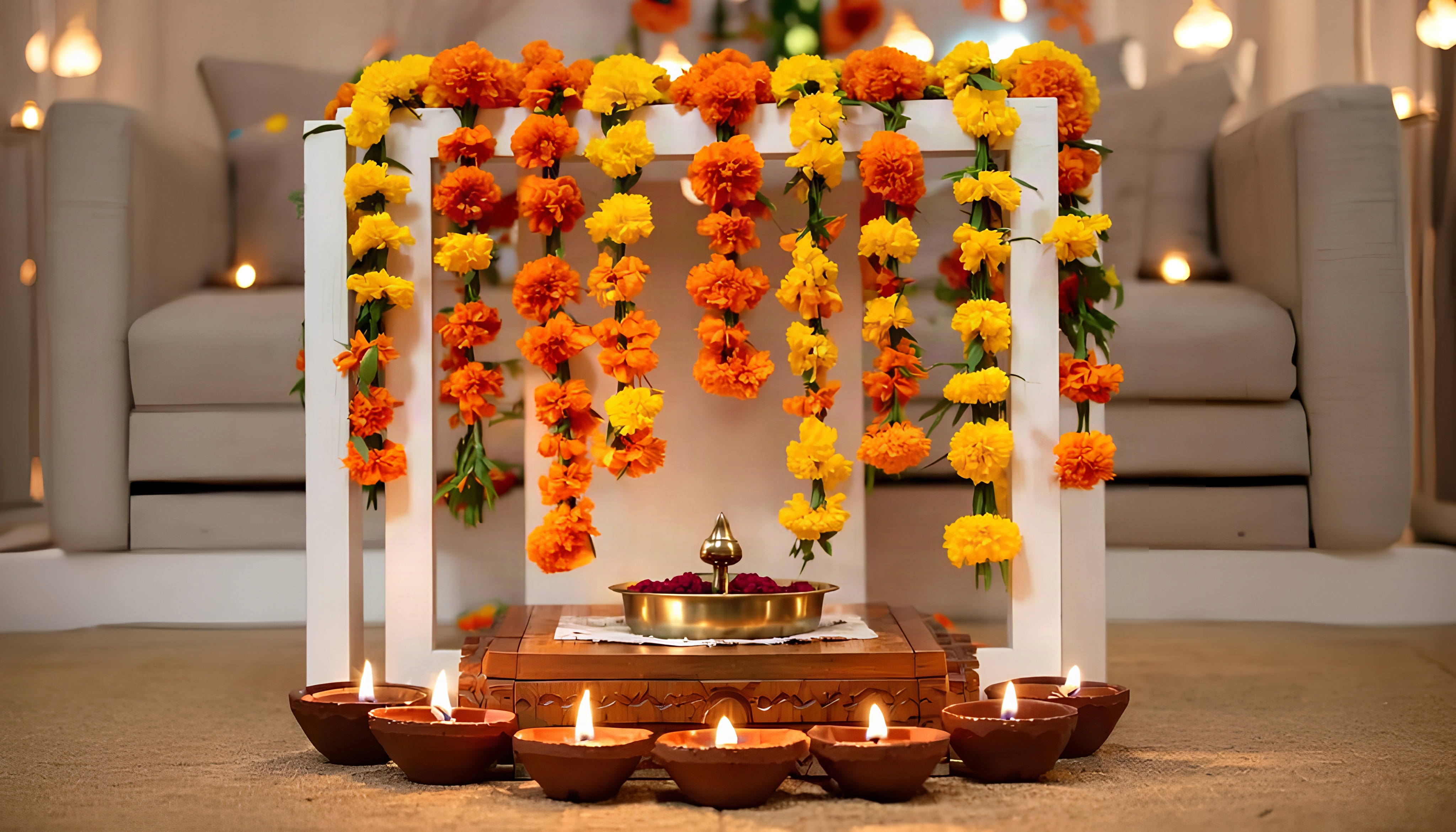
Few Products To Consider From
1. SpecialYou Diwali Decoration for Home & Navratri
2. Satvaikya Store 3-Step Bommala Koluvu Stand
3. LIXERA Store Wooden Home Puja Mandir 3 Tier
4. SATYAM KRAFT 1 Piece Foldable Folding Wooden Makhar Mandap
5. SMART NEST CART Decorative Laxmi Display Stand
6. GIFT JAIPUR Store Wooden Multicolour Mix Lotus Chudi Diya Rangoli
7. iHandikart Set of 4 MDF Lotus with Jaal Chudi Wall Hanging
8. JH Gallery Marigold Latkan Toran
Frequently Asked Questions
1. How many steps should a Golu display have?
Three, five, seven and nine steps are commonly used, and the number can be selected according to available space, the size of the doll collection and family tradition.
2. Which dolls should be put on the top step?
The top shelf is usually reserved for the main deities and the main setup for ceremonies. Exact placement varies with families and regional traditions.
3. How to arrange a Golu in a small apartment?
Yes. You can fit a three or five-step display in a smaller space but still have room for important dolls and a few themed scenes.
4. What can be put on the lower Golu steps?
The lower tiers may include scenes from everyday life, musicians, dancers, markets, weddings, animals, plants and other figures from nature or culture.
5. How to create a beautiful Golu display without buying too many decorations?
Use a clean fabric backdrop, organise existing dolls by theme, add some flowers and use carefully placed lighting, and good spacing and grouping can make a collection look more complete without adding many new pieces.
(Disclaimer: This article may include references to or features of products and services made available through affiliate marketing campaigns. NDTV Convergence Limited (“NDTV”) strives to maintain editorial independence while participating in such campaigns. NDTV does not assume responsibility for the performance or claims of any featured products or services.)





![Steam Iron Teflon Shoe Cover for ES-300,ST-96 [Only For ES-300 and ST-96 Model Electric Steam Irons]](https://m.media-amazon.com/images/I/51wwkttondL._SL160_.jpg)