Is It Safe To Sleep With An Electric Blanket On
Wondering if you can sleep with your electric blanket switched on? Here's when it's safe, when it isn't, and 8 electric blankets and add-ons on Amazon.
How safe are electric blankets for everyday use
It's a cold January night, and the bed feels like ice. You switch on the electric blanket, get under the quilt and start to drift off. Then the thought comes. Should you switch it off, or is it fine to leave it on until morning? A lot of people up north ask the same thing every winter. Some never use one because they worry about fire or shocks. Others leave it on all night without thinking twice. Amazon has plenty of electric blankets now, and most newer ones come with safety features built in.
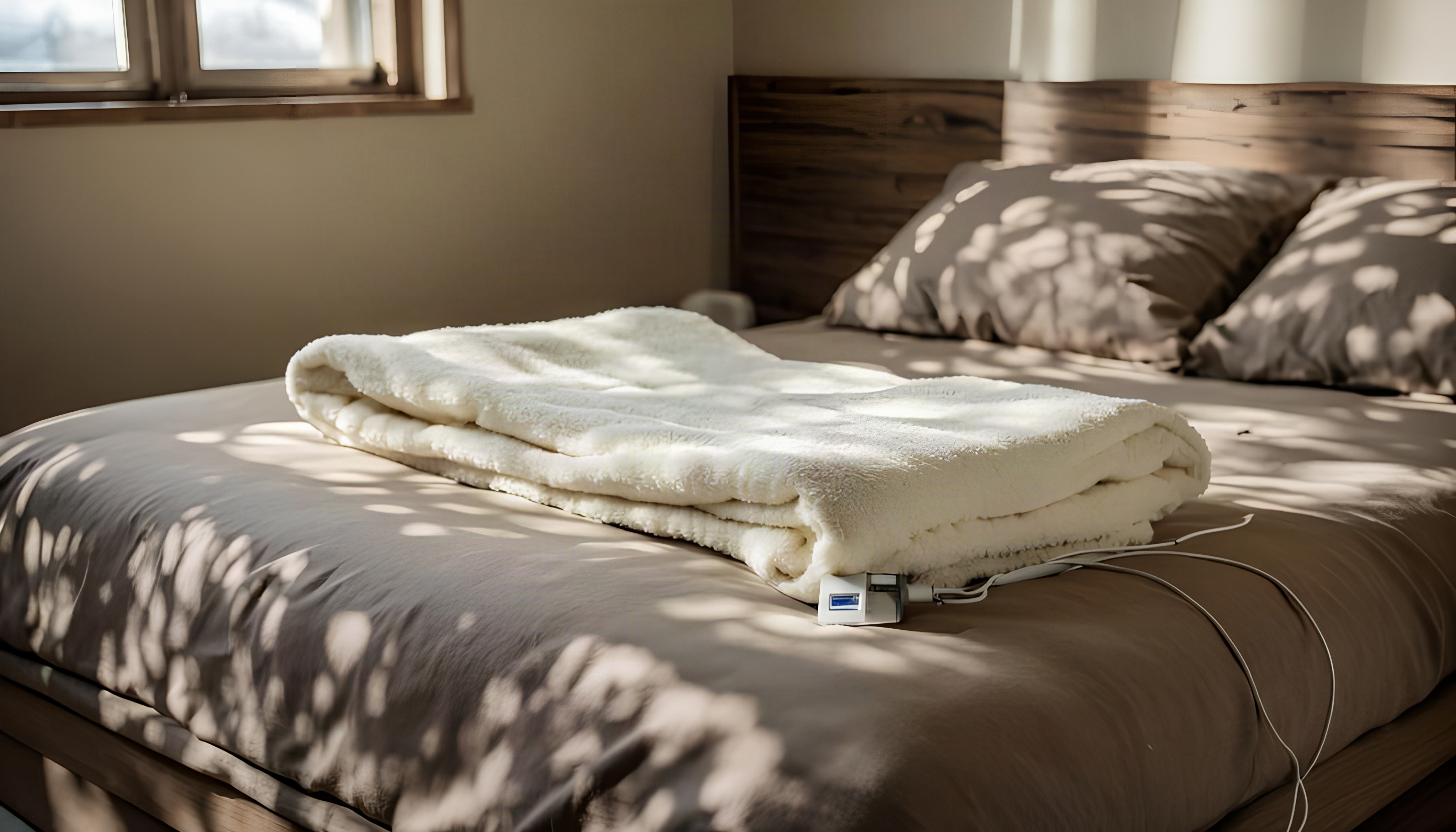
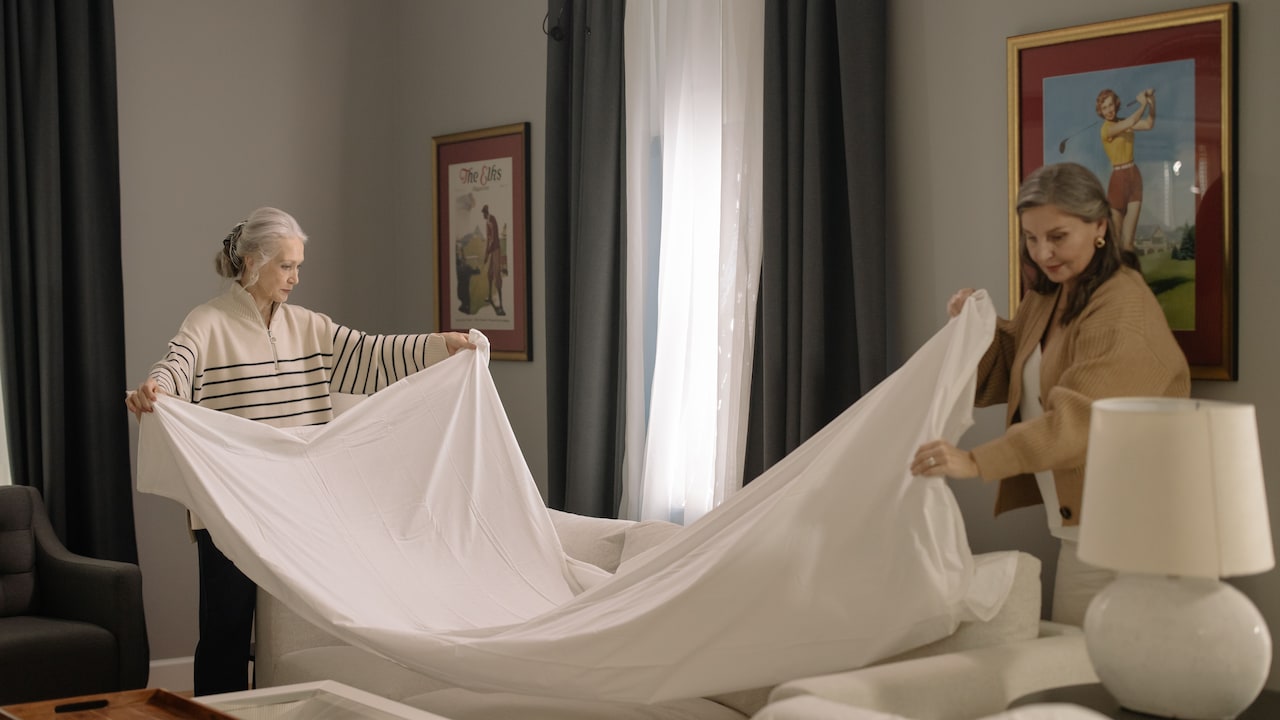
Cream electric blanket with controller
Photo Credit: iStock
The short answer is that it depends on the blanket. A newer, certified blanket with an auto shut-off is much safer than an old one with a frayed wire. Even then, most makers suggest warming the bed and switching it off before you sleep. Below, we go through the real risks, how to use one safely, and what to check before buying. 8 picks from Amazon are at the bottom.
Also Read: Explore 5 Best-Selling Geysers On Amazon
What Can Actually Go Wrong With An Electric Blanket
Most problems come from old or damaged blankets. Wires inside can bend and break after years of folding. A broken wire can heat up in one spot and, in rare cases, cause a burn or a fire. Cheap blankets without proper insulation carry more risk than branded ones.
Overheating is the other risk. If the blanket stays on high all night, you can wake up sweaty and dehydrated. People with low sensation in their legs, like some diabetics, may not notice if it gets too hot.
Water is a problem too. A wet blanket or a spilt glass of water near the controller should never be used until it's fully dry.
Is It Safe To Leave It On All Night?
For most people, it's better not to. Many newer blankets have a timer or an auto shut-off that turns them off after a few hours. If yours has one, leaving it on low is fairly safe. Without it, the blanket keeps heating until you wake up.
The simplest habit is to switch it on 20 to 30 minutes before bed. The bed is warm when you get in, and you switch it off before you fall asleep. Your quilt keeps the warmth in for hours.
How To Use An Electric Blanket Safely
These habits make a big difference, whatever blanket you have.
1. Warm The Bed First, Then Switch Off
Use it to heat the bed, not to keep you warm all night. Switch it off or set it to the lowest level once you're in bed. Some blankets also have a separate low setting for the feet.
If you often fall asleep before switching it off, use a blanket with a timer. A smart plug with a schedule works too.
2. Check The Wires And Controller Every Winter
Before you use it for the season, lay it flat and look for burn marks, loose wires or a cracked controller. Check the plug as well.
If anything looks damaged, don't use it. Replacing an old blanket is much cheaper than dealing with a fire. If yours is from ten winters ago, it's probably time for a new one.
3. Don't Fold Or Tuck It While It's On
Folding it while it's on is how most blankets get damaged. The wires bend at the fold, and heat builds up there. So keep it flat on the bed, and don't let the kids jump on it.
In summer, roll it loosely and keep it on the top shelf of the cupboard. A heavy suitcase sitting on it for six months isn't a sensible idea.
4. Keep It Away From Kids, Pets And Water
Small kids won't tell you when it's too hot, and older people sometimes can't feel it properly. If someone at home falls into either group, check on them or skip the blanket. Dogs and cats like chewing wires, so keep the controller up high.
And never put a hot water bottle on top of it. If the bottle leaks, you have water on a live blanket.
What Should Actually Decide Which Electric Blanket You Buy
Most listings look the same, with the same photos and the same claims. These are the four things worth checking.
1. Look For A BIS Or ISI Mark
If the listing doesn't mention BIS or ISI anywhere, skip it. Bell, Warmland and Expressions all mention it on their pages. Also look at the warranty, since a longer one usually means the brand trusts its wiring.
2. Auto Shut-Off And Timer
This is the feature to look for if you're the kind who dozes off with the TV on. The blanket switches itself off after a few hours. Some cut off sooner than others, so read the details on the listing.
3. Number Of Heat Settings
You want at least three settings. High for ten minutes to take the chill off the sheet, then low or off. Double bed blankets with two controllers are handy if one person feels the cold more than the other.
4. Under Blanket Or Over Blanket
Most blankets sold here go under the bedsheet, on top of the mattress. They stay put, and you don't feel the wires much. Over blankets are used like a normal blanket on top of you. Check the size against your mattress before ordering.
So, Is It Safe To Sleep With An Electric Blanket On
It can be, as long as it's a newer, certified blanket with an auto shut-off. Still, the safest way is the old one. Warm the bed, then switch it off when you get in. Don't leave an old or damaged blanket overnight.
Check the wires each winter, keep it flat, keep water away and keep an eye on small kids. The 8 Amazon picks below include electric blankets and a smart plug that works as a timer.

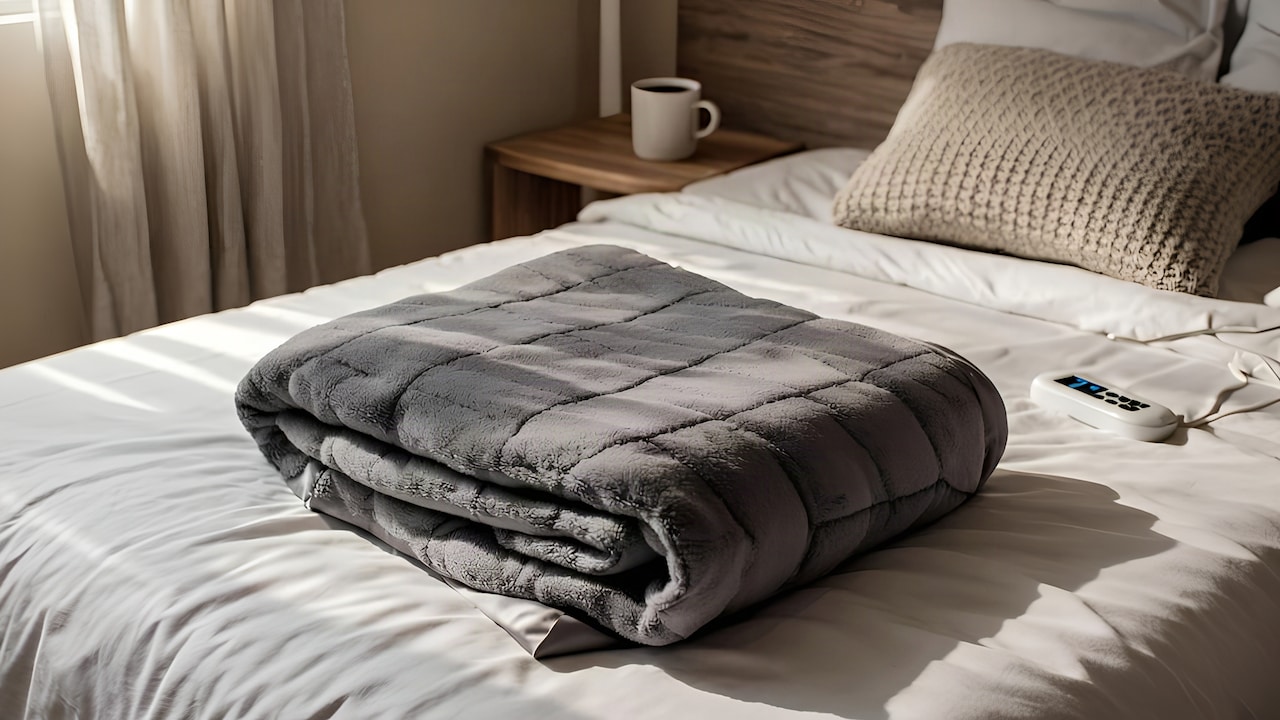
Grey electric blanket spread across a bed
Photo Credit: iStock
Some Products You May Like
1. Bell Electric Blanket, BIS Certified, Double Bed
2. Utopia Bedding Fur Fleece Electric Blanket, Single Bed
3. Beurer UB 56 Double Electric Blanket
4. Expressions Polar Electric Under Blanket, Double Bed
5. Tapish Coral Electric Blanket, Single Bed
6. Warmland BIS Certified Single Bed Electric Bed Warmer
7. Bell Electric Blanket, Single Bed
8. Dr Odin OHP105 Electric Bed Warmer, Double Bed
Frequently Asked Questions (FAQs)
1. Can I sleep with an electric blanket on all night?
It's better not to. Warm the bed first and switch it off before you sleep. If you do keep it on, use a blanket with an auto shut-off.
2. Do electric blankets use a lot of electricity?
Not really. Most use between 60 and 150 watts, which is far less than a room heater.
3. Are electric blankets safe for pregnant women?
Many doctors suggest avoiding them during pregnancy, mainly to prevent overheating. Ask your doctor before using one.
4. How long does an electric blanket last?
Usually five to ten years with proper care. Replace it sooner if you see burn marks, damaged wires, or a faulty controller.
5. Can I wash an electric blanket?
Some can be washed after removing the controller; others can only be spot-cleaned. Always follow the instructions on the label.
(Disclaimer: This article may include references to or features of products and services made available through affiliate marketing campaigns. NDTV Convergence Limited (“NDTV”) strives to maintain editorial independence while participating in such campaigns. NDTV does not assume responsibility for the performance or claims of any featured products or services.)