Are You Washing Clothes Wrong? 10 Habits That Destroy Fabrics Over Time
Everyday laundry habits can quietly damage expensive clothes. From excess detergent to harsh washing cycles, small mistakes reduce fabric life and fade quality faster than expected.

Discover laundry mistakes that can ruin your expensive clothes easily
Expensive clothes rarely shout for attention when mistreated. They fade, stretch, or lose shape in silence, often blamed on “quality issues” rather than daily habits. A ₹5,000 shirt or a cherished festive outfit does not unravel in a single wash; it wears down through repeated, unnoticed mistakes.
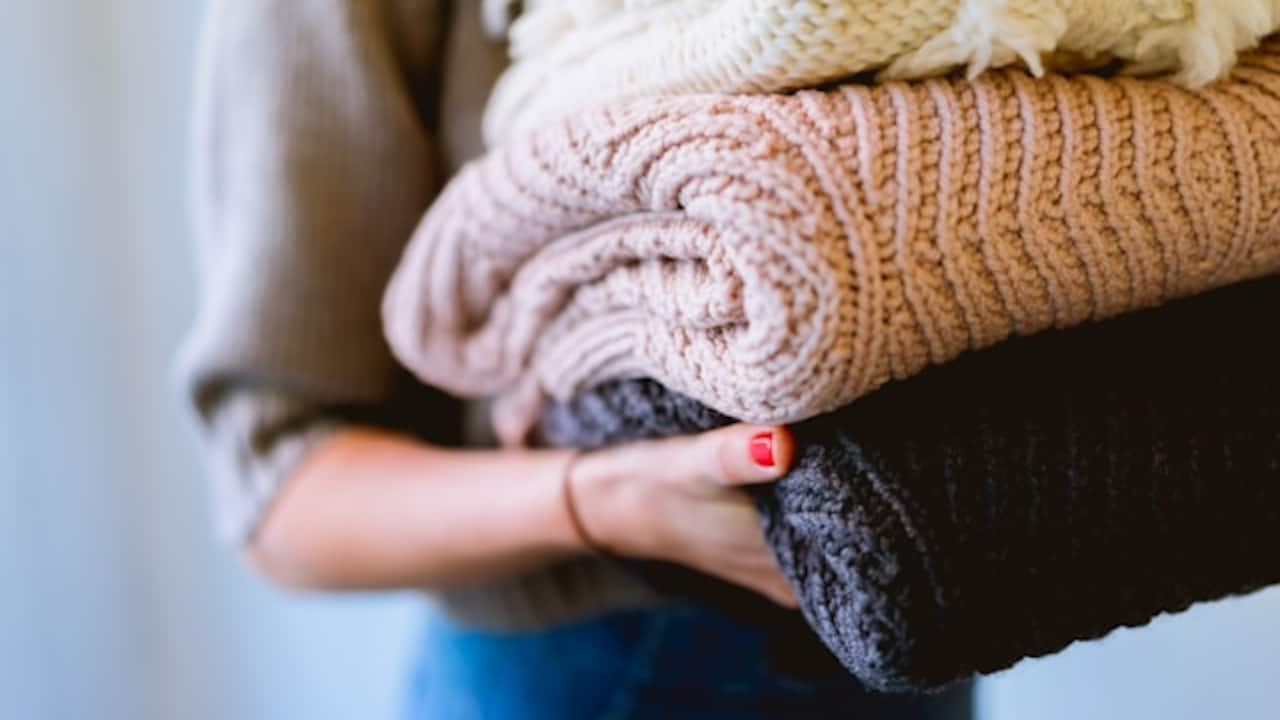
Common habits that destroy expensive clothes; Photo Credit: Unsplash
Modern homes juggle busy routines, quick washes, and convenience-driven choices. Laundry becomes a mechanical chore, stripped of thought or care. Yet fabrics, much like people, respond to how they are treated. A little neglect, repeated often, leaves lasting marks.
There is something oddly comforting about freshly washed clothes, the faint scent of detergent, the softness of cotton, the sense of order. But beneath that comfort lies a set of habits that quietly work against longevity. Understanding these patterns does not require expert knowledge. It simply needs attention to detail and a willingness to rethink what feels routine.
Also Read: 5 Best Laundry Detergents For Front-Load Washing Machines That Do Not Cause Excess Foam
Small Laundry Choices, Big Impact On Your Wardrobe
Overloading The Washing Machine
The temptation to cram “just one more shirt” into the washing machine feels harmless, especially on busy days. Electricity bills, water usage, and time all seem to justify squeezing in extra garments. However, fabrics pay the price.
When the drum is overloaded, clothes lose the space needed to move freely. Instead of being cleaned, they rub aggressively against each other. This friction weakens fibres, dulls colours, and causes tiny tears that slowly expand. Delicate fabrics suffer the most, even if they look fine at first glance.
Detergent also struggles in cramped conditions. It cannot distribute evenly, leaving residues that stiffen fabric over time. That favourite kurta might feel rougher after each wash, even when using a premium detergent.
Ironically, overloading often leads to clothes not being properly cleaned. A second wash becomes necessary, doubling the damage. What seems efficient in the moment quietly shortens the life of every garment in that crowded drum.
Using Too Much Detergent
More detergent feels like a shortcut to cleaner clothes. Advertisements often reinforce this belief, promising brighter whites and deeper cleans with richer lather. Reality tells a different story.
Excess detergent does not rinse out easily. Instead, it clings to fibres, creating a residue that attracts dirt rather than repelling it. Over time, clothes begin to look dull and feel sticky, even straight out of the wash.
This residue also affects fabric breathability. Cotton loses its softness, and synthetics develop an unpleasant stiffness. The issue becomes more noticeable during humid weather, when clothes fail to feel truly fresh.
There is also a hidden cost. Using more detergent than necessary does not improve results but increases expenses. That ₹800 bottle empties faster, while garments age prematurely.
A measured approach works best. Clothes need just enough detergent to clean, not drown. Sometimes, restraint does more for fabric health than abundance ever could.
Ignoring Fabric Labels
Those tiny labels stitched into seams often get dismissed as unnecessary or annoying. Many are cut off immediately for comfort, taking crucial care instructions with them.
Each fabric comes with its own needs. Silk demands gentleness, wool requires careful handling, and certain blends react poorly to heat or aggressive cycles. Ignoring these instructions turns every wash into a gamble.
A shirt labelled for cold wash may shrink when exposed to hot water. A delicate dress might lose its shape after a rough spin cycle. These changes rarely reverse, no matter how carefully the garment is treated afterwards.
Understanding fabric labels does not require expertise. It only asks for a moment of attention before pressing the start button. That small pause can save thousands of rupees in wardrobe replacements.
Clothes often communicate their needs quietly. Labels simply translate those needs into words.
Washing Everything In Hot Water
Hot water carries a sense of deep cleaning. It feels thorough, almost reassuring. However, most fabrics do not share that enthusiasm.
High temperatures weaken fibres, especially in natural materials like cotton and wool. Colours bleed faster, leading to faded garments that lose their vibrancy after just a few washes. That once-rich navy shirt slowly turns into a washed-out shade that no detergent can restore.
Elastic materials also suffer. Stretchable fabrics lose their shape, making clothes feel loose or uneven. This is particularly noticeable in everyday wear like leggings or fitted tops.
Cold water, on the other hand, preserves both colour and structure. Modern detergents are designed to work effectively at lower temperatures, making hot washes less necessary than before.
Saving energy is an added benefit, but the real reward lies in preserving the life and look of each garment. Heat may clean aggressively, but it rarely treats clothes kindly.
Mixing Colours Carelessly
The classic warning about mixing colours often feels outdated, especially with modern washing machines and detergents. Yet, colour bleeding remains a silent culprit.
Dark fabrics release dye, particularly in the first few washes. When mixed with lighter garments, this dye transfers subtly, creating a dull, uneven appearance. Whites lose their brightness, while lighter colours take on a greyish tint.
This change does not happen dramatically. It builds gradually, making it easy to overlook until the damage becomes obvious. A once-crisp white shirt may start to look permanently tired, no matter how often it is washed.
Sorting clothes by colour may seem tedious, but it protects the integrity of each piece. The effort required is minimal compared to the cost of replacing faded or stained garments.
Sometimes, the smallest habits hold the greatest impact.
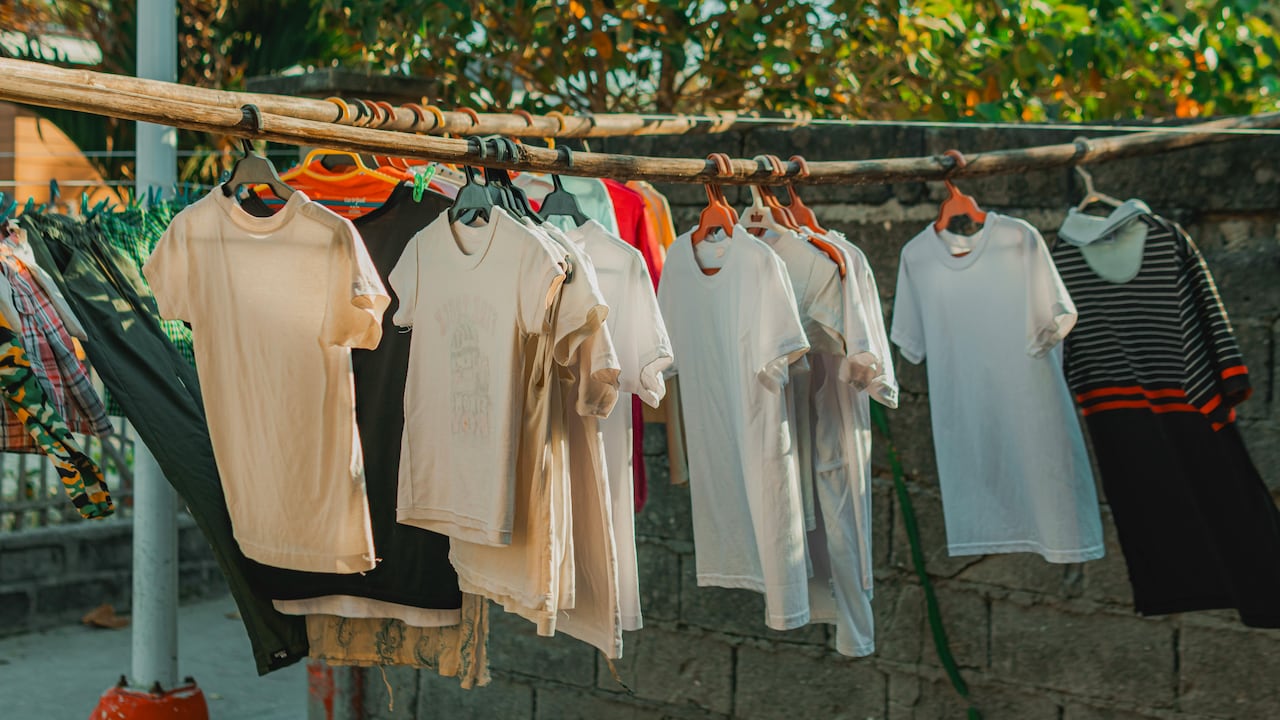
Mixing different colours can release dyes and ruin your laundry load; Photo Credit: Pexels
Using Harsh Spin Cycles
Fast spin cycles promise quicker drying times, which can be tempting during busy weeks or monsoon days. However, speed often comes at a cost.
High-speed spinning twists and stretches fabrics, especially delicate ones. Over time, this leads to misshapen garments that no longer fit as intended. Collars warp, seams strain, and fabric loses its natural drape.
The damage is not always visible immediately. Clothes may appear fine after the first few washes, but repeated stress weakens fibres from within. Eventually, garments lose their structure entirely.
Gentler spin settings may take slightly longer but treat fabrics with care. The difference becomes evident in how clothes retain their shape and feel over time.
Convenience should not outweigh longevity, especially when it comes to garments that carry both monetary and emotional value.
Neglecting Proper Drying Methods
Drying often receives less attention than washing, yet it plays an equally important role in garment care.
Direct sunlight can be harsh, especially during peak summer. While it dries clothes quickly, it also fades colours and weakens fibres. Dark garments suffer the most, losing their richness with each exposure.
Hanging clothes incorrectly also causes damage. Stretchable fabrics may elongate when hung from the shoulders, while heavier garments lose shape under their own weight.
Flat drying works better for delicate items, preserving their original form. Meanwhile, drying clothes inside out reduces colour fading.
It is easy to overlook these details, but drying methods quietly influence how long clothes remain wearable. A thoughtful approach ensures that washing efforts are not undone in the final step.
Washing Clothes Too Frequently
Cleanliness often becomes synonymous with frequent washing. However, not every garment needs to be washed after a single wear.
Overwashing exposes fabrics to repeated mechanical stress, detergent, and water. This combination accelerates wear and tear, especially for premium fabrics.
Clothes like jeans, jackets, and certain traditional wear benefit from fewer washes. Airing them out or spot cleaning often suffices. This approach preserves both fabric strength and colour.
Frequent washing also impacts utility bills. Water, electricity, and detergent usage add up over time, turning a simple habit into an expensive routine.
There is a balance between hygiene and preservation. Recognising when a garment truly needs washing can extend its life significantly.
Sometimes, less really does mean more.
Ignoring Stains Until Wash Day
Stains rarely improve with time. Yet, they often sit unnoticed or untreated until laundry day arrives.
Fresh stains are easier to remove. Once they set, they bond with fabric fibres, making removal difficult or even impossible. A small spill can turn into a permanent mark if ignored.
Delaying treatment also encourages repeated washing attempts, which further damage the fabric without guaranteeing success. The result is often a weakened garment with a stubborn stain.
Quick action makes a noticeable difference. Even simple steps like rinsing with water or applying mild soap can prevent long-term damage.
Clothes respond well to timely care. Ignoring small issues often leads to bigger problems that no washing cycle can fix.
Using The Wrong Detergent For The Fabric
Not all detergents suit every fabric. A one-size-fits-all approach often causes more harm than good.
Strong detergents designed for heavy-duty cleaning can be too harsh for delicate fabrics. They strip away natural softness and weaken fibres over time. On the other hand, mild detergents may not effectively clean heavily soiled garments.
Special fabrics like wool, silk, or embellished clothing require specific care. Using the wrong product can lead to shrinkage, fading, or texture changes that cannot be reversed.
Choosing the right detergent does not need to be complicated. It simply involves matching the product to the fabric's needs.
Clothes, much like ingredients in cooking, respond best when treated appropriately. The right choice preserves both quality and longevity.
Products Related To This Article
1. Rioware Foldable Laundry Basket with Wheels
2. Himalaya Germ Free Baby Laundry Detergent Liquid 1 L
3. LiMETRO STEEL Clothes Drying Stand Foldable Stainless Steel for Home
4. Cello Eliza Laundry Basket with Lid (50 L)
5. 200 Count Dye Trapping Laundry Saving Sheets for Laundry in Wash Sheets
6. LiMETRO STEEL Stainless Steel Foldable Cloth Dryer Stand Double Rack Cloth Stands for Drying Clothes Steel
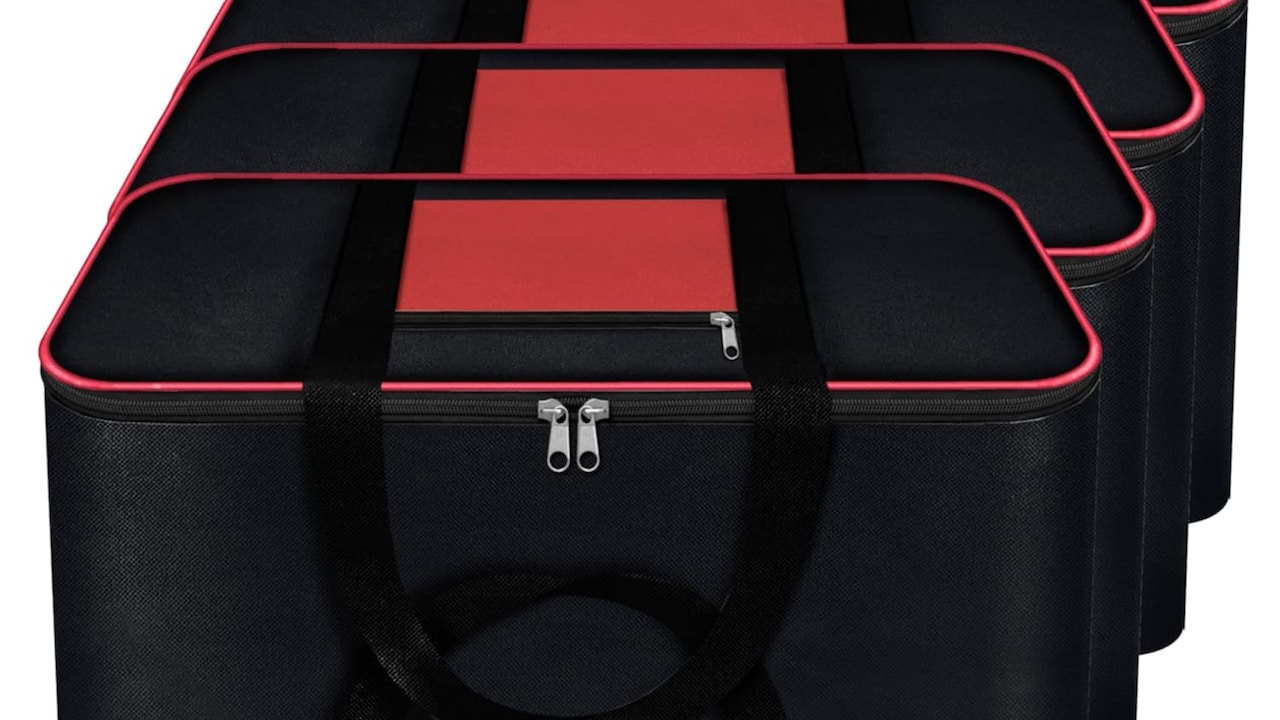
7. Zollyss Large Laundry Bags with Lid | 100L Capacity
Laundry may seem like a routine task, but it holds more influence than expected. Each small habit, from detergent usage to drying methods, quietly shapes the lifespan of clothes.
Expensive garments deserve more than hurried washes and overlooked details. They carry stories, occasions, and often significant investments. Treating them with care does not demand extra effort, only mindful choices.
There is a quiet satisfaction in seeing clothes age gracefully rather than prematurely. Colours stay vibrant, fabrics remain soft, and shapes hold true.
Sometimes, the difference between a worn-out garment and a lasting one lies not in its price, but in how it is cared for at home.
(Disclaimer: This article may include references to or features of products and services made available through affiliate marketing campaigns. NDTV Convergence Limited (“NDTV”) strives to maintain editorial independence while participating in such campaigns. NDTV does not assume responsibility for the performance or claims of any featured products or services.)












![Steam Iron Teflon Shoe Cover for ES-300,ST-96 [Only For ES-300 and ST-96 Model Electric Steam Irons]](https://m.media-amazon.com/images/I/51wwkttondL._SL160_.jpg)