Why Your Living Room Feels Incomplete Even After Decorating: Top 10 Home Decor Tips
Even a beautifully decorated living room can feel unfinished. Discover 10 simple decor tips that add warmth, balance, personality and comfort to create a space that truly feels complete.
Why Your Living Room Feels Incomplete Even After Decorating: Top 10 Home Decor Tips
Many people spend weeks choosing furniture, comparing paint shades, and hunting for the perfect centre table. Yet once everything settles into place, the room somehow lacks warmth. It looks finished but does not feel complete. The reason is surprisingly simple. Decorating and creating atmosphere are two different things. A living room should tell a story. It should feel comfortable after a long day, welcome guests naturally, and reflect the personalities of those who use it every day. A room can have stylish furniture and still feel disconnected. It can feature trendy décor and yet lack character. Often, the smallest details create the biggest impact. The placement of furniture, the choice of lighting, or even the absence of personal touches can quietly affect how a space feels.
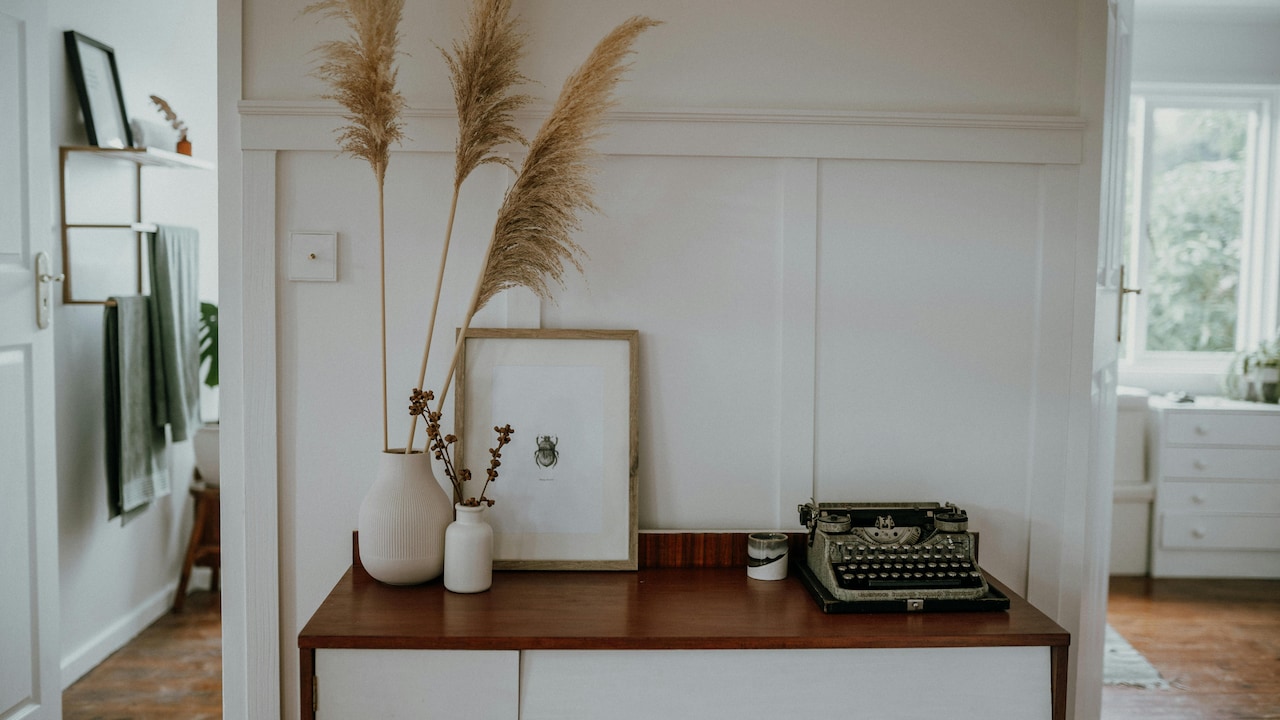
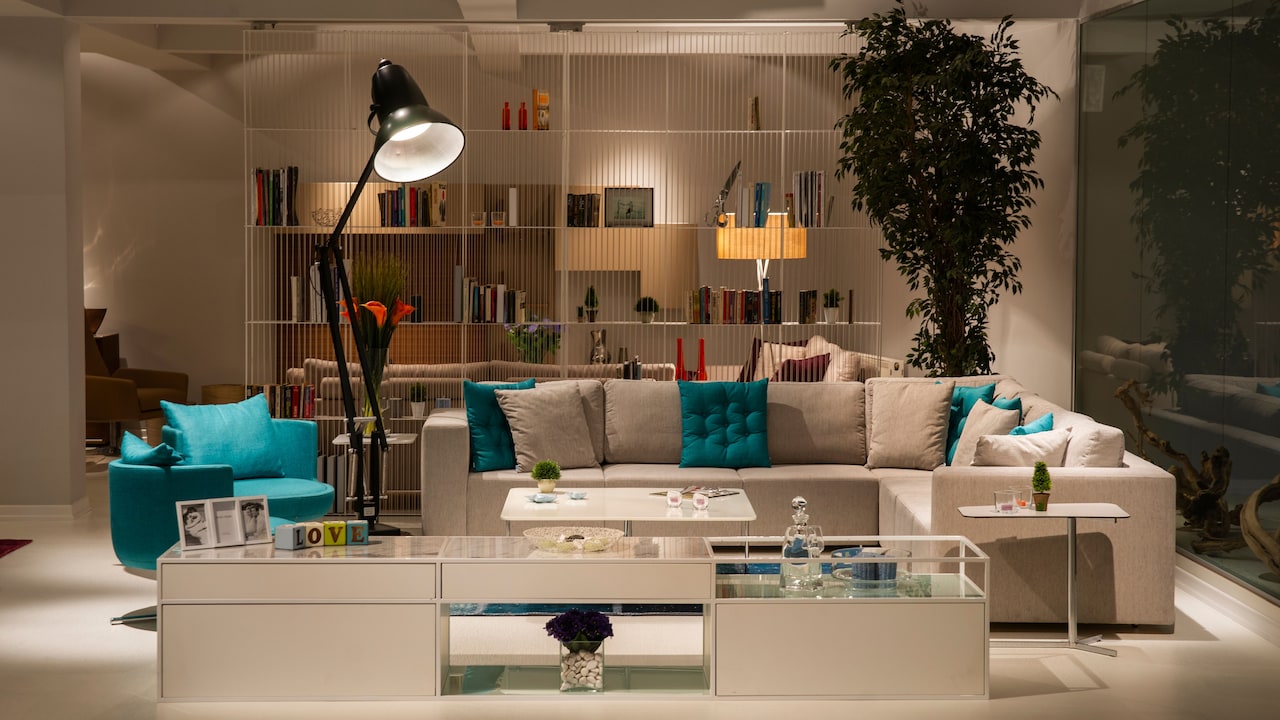
Why Your Space Feels Incomplete: 10 Home Decor Tips For A Stylish Home
Photo Credit: Pexels
If your living room looks good in photographs but feels slightly unfinished in real life, these ten home décor tips may reveal exactly what is missing.
Top 10 Home Decor Tips To Complete Your Living Room
Create A Clear Focal Point
Every memorable living room has something that naturally draws attention. Without a focal point, the eye wanders around the room searching for direction. The result often feels chaotic, even when everything appears neat.
A focal point could be a striking artwork, a beautiful television unit, a textured feature wall, or even a large window with a pleasant view. Once established, every major furniture piece should support that focal point rather than compete with it.
Many homeowners unknowingly create several competing attractions. A colourful wall, oversized décor pieces, bold furniture, and dramatic lighting all demand attention simultaneously. Instead of creating excitement, the room feels visually exhausting.
Think of a living room as a conversation. When everyone speaks at once, nobody gets heard. A clear focal point gives the room purpose and creates a sense of balance. Guests immediately understand where to look, and the space feels more organised and complete.
Layer Your Lighting Thoughtfully
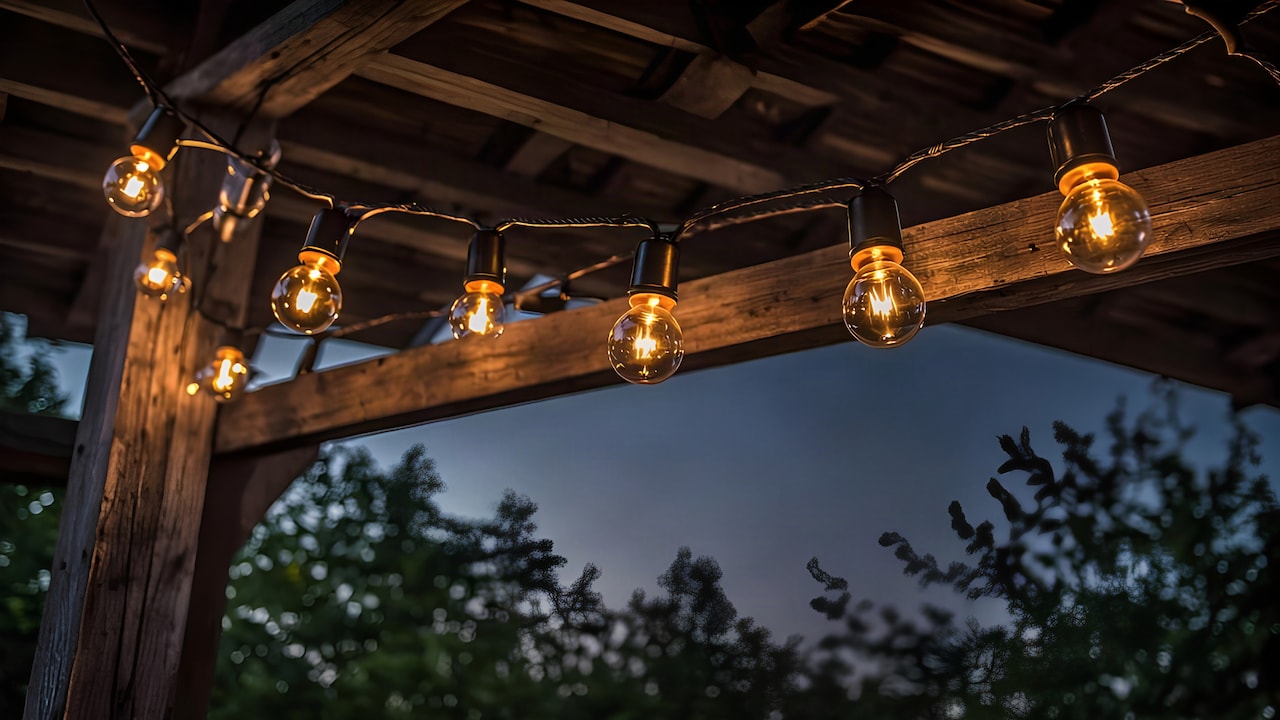
Lighting remains one of the most overlooked aspects of interior design. A single ceiling light rarely creates the warm and inviting atmosphere people desire.
Living rooms benefit from layered lighting. Ambient lighting provides overall brightness. Task lighting supports activities such as reading. Accent lighting highlights decorative features and creates mood.
Imagine hosting friends during a festive evening. Bright white overhead lights can make the room feel like an office waiting area. Softer lamps, warm-toned wall lights, and subtle accent lighting instantly create a more relaxed environment.
Many people happily spend ₹40,000 on furniture but hesitate to invest ₹2,000 on an attractive table lamp. Yet lighting often influences the mood of a room more than any sofa ever could.
When lighting comes from multiple sources at different heights, the room gains depth, warmth, and personality. Suddenly, the same furniture looks more elegant, and the entire space feels thoughtfully designed.
Avoid Pushing All Furniture Against The Walls
A common decorating mistake involves placing every piece of furniture around the room's perimeter. While this may seem practical, it often creates an empty centre and weakens conversation areas.
Furniture should encourage interaction. Pulling sofas slightly inward can create a cosy gathering zone that feels more welcoming. Even in compact spaces, careful placement often improves both functionality and appearance.
Think about a family gathering during a cricket match. People naturally move closer together, share snacks, and engage in conversation. Furniture should support that behaviour rather than force everyone to sit metres apart.
Creating distinct seating arrangements helps establish intimacy and balance. A coffee table positioned thoughtfully between sofas can anchor the room and connect individual pieces into a unified design.
The goal is not to fill every inch of space. Instead, create intentional spaces that invite people to relax, connect, and stay longer.
Add Personal Elements That Tell A Story
A living room filled entirely with showroom furniture often feels strangely impersonal. It may look stylish, but it lacks emotional connection.
Personal elements transform a house into a home. Family photographs, travel souvenirs, handmade artwork, inherited pieces, and meaningful collections add authenticity that no catalogue can replicate.
A framed photograph from a memorable holiday or a handcrafted decorative item purchased during a weekend getaway often sparks more conversation than an expensive designer accessory.
These details reveal personality and create emotional warmth. They remind residents of cherished memories while giving guests insight into the people who live there.
The most inviting living rooms rarely look perfect. Instead, they feel lived-in and genuine. Personal touches introduce character and make the space feel complete rather than staged.
Also Read: Rainy Season Makeover: 5 Balcony Decor Essentials You Need This Monsoon
Pay Attention To Scale And Proportion
Even beautiful furniture can feel wrong when its size does not suit the room. Scale and proportion play a crucial role in achieving visual balance.
An oversized sofa can overwhelm a compact living room. Similarly, tiny furniture pieces may appear lost in a spacious area. The same principle applies to artwork, rugs, and decorative accessories.
A common example involves purchasing a small rug that barely fits beneath a coffee table. The room immediately feels disconnected because the rug fails to anchor the seating area properly.
When selecting décor, consider how each item relates to surrounding elements. Larger rooms often benefit from substantial furniture and statement pieces. Smaller spaces require carefully scaled furnishings that maintain openness.
Achieving the right proportions creates harmony. Every item feels intentional, and the room naturally appears more polished and complete.
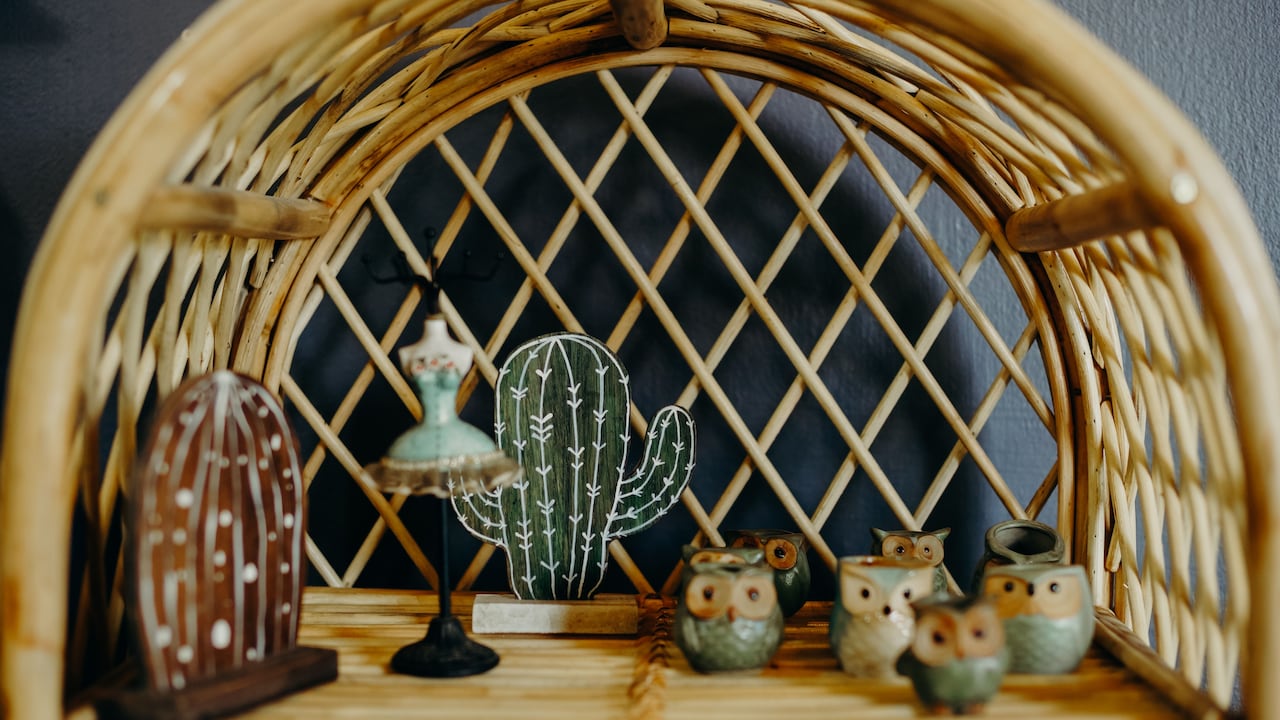
Why Your Space Feels Incomplete: 10 Home Decor Tips For A Stylish Home
Photo Credit: Pexels
Introduce Texture For Depth And Warmth
A room can feature beautiful colours and still feel flat. The missing ingredient is often texture.
Texture adds depth, richness, and visual interest. Soft cushions, woven baskets, textured rugs, wooden surfaces, ceramic accents, and layered fabrics all contribute to a more dynamic environment.
Imagine a room containing only smooth surfaces. Leather sofa, glass table, glossy flooring, and painted walls. Despite looking modern, the space may feel cold and sterile.
Adding a knitted throw, linen cushions, natural wood elements, or woven décor instantly softens the atmosphere. The room begins to feel more welcoming and comfortable.
Texture engages both sight and touch. It creates subtle contrasts that make interiors feel layered and thoughtfully curated. Often, this simple adjustment provides the missing warmth people struggle to identify.
Use Rugs To Define Spaces
Many living rooms feel incomplete because furniture appears to float independently rather than functioning as a cohesive arrangement.
A well-chosen rug helps solve this problem. It visually connects seating pieces and defines activity zones within the room.
The size of the rug matters significantly. A rug that is too small can make furniture appear disconnected. Ideally, at least the front legs of major seating pieces should rest on the rug.
Beyond aesthetics, rugs contribute warmth and comfort. They soften hard flooring surfaces and help reduce echo, creating a more pleasant environment.
Whether the design is traditional, contemporary, or eclectic, a rug often serves as the foundation that ties everything together. It provides structure and makes the room feel intentionally designed rather than randomly assembled.
Bring Nature Indoors
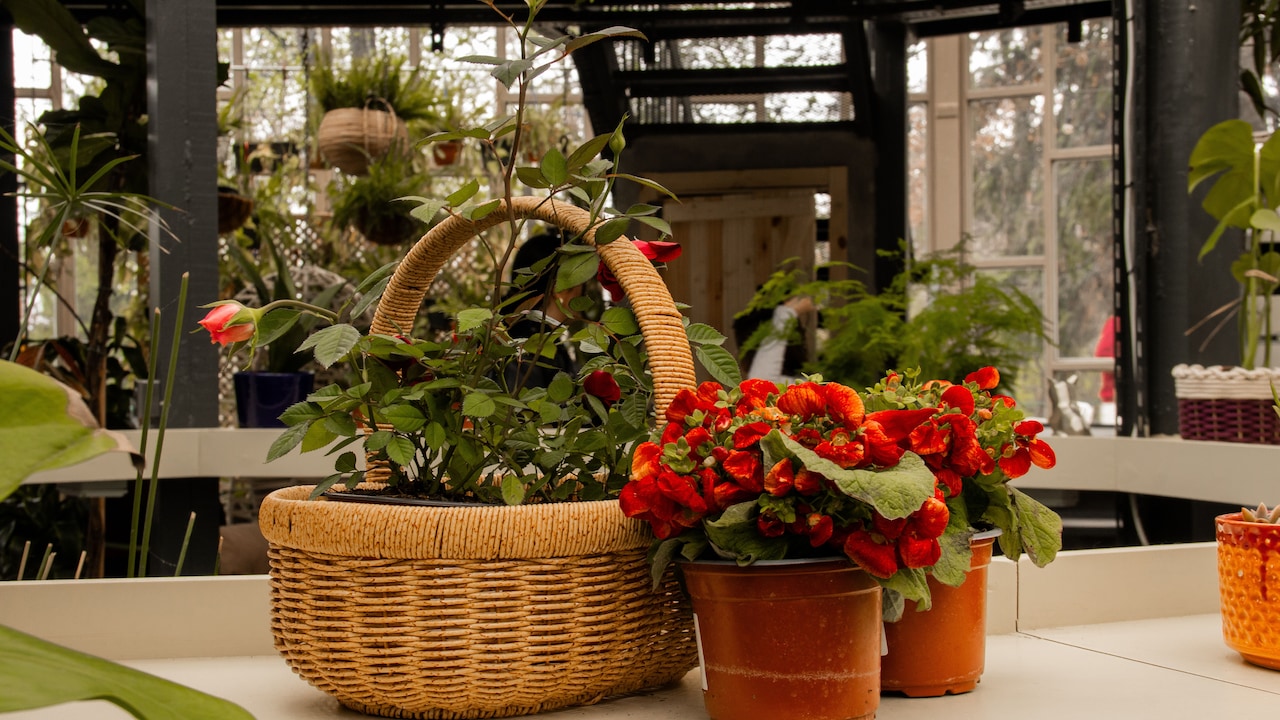
Plants possess an almost magical ability to make spaces feel alive. Even the most carefully decorated room can seem incomplete without a touch of nature.
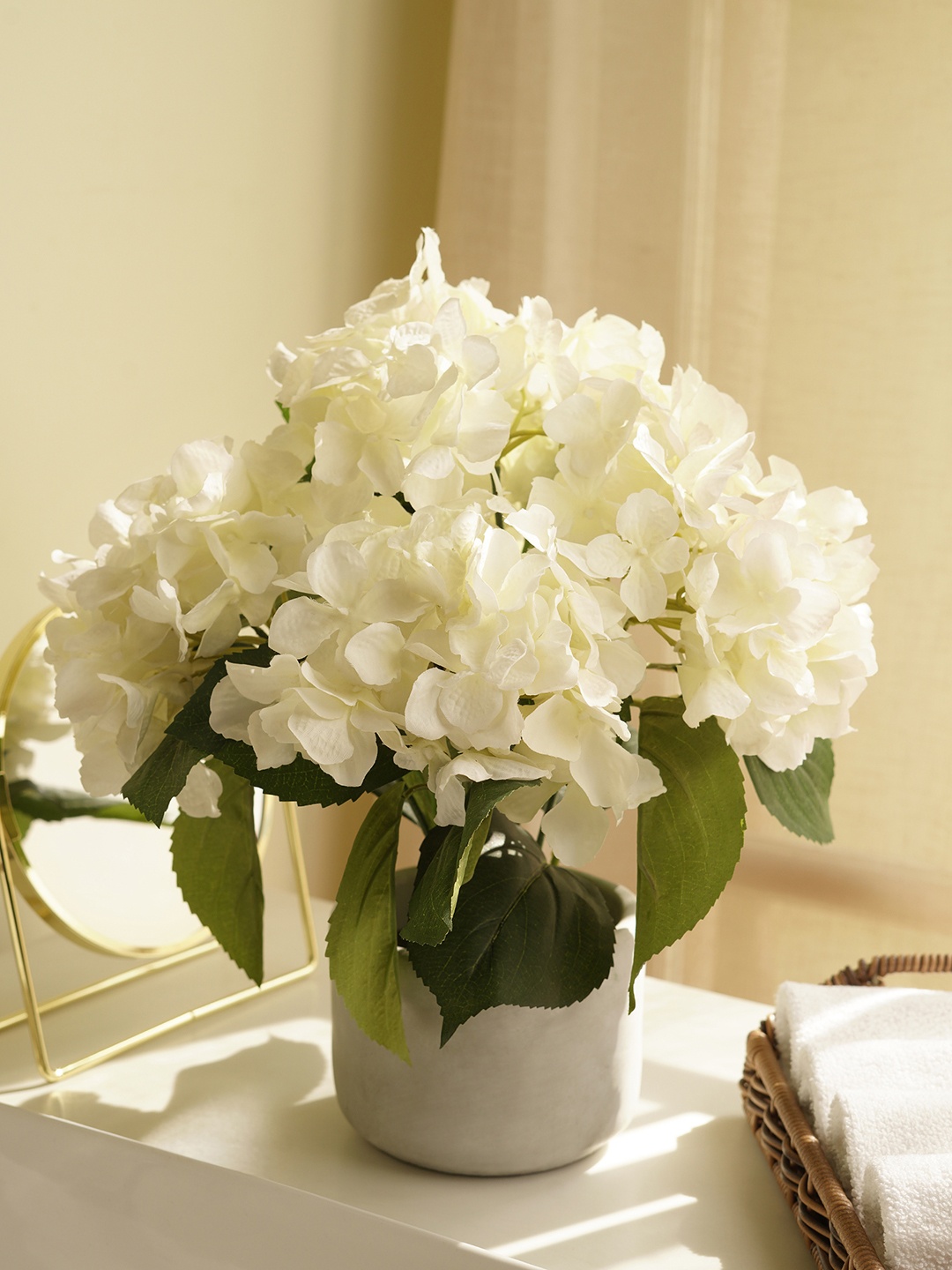
Indoor plants introduce colour, texture, and freshness. They soften sharp lines and create a sense of balance within the environment.
Not everyone has a green thumb, and that is perfectly fine. Low-maintenance varieties require minimal effort while delivering significant visual impact.
A corner plant beside a sofa, a small tabletop arrangement, or a collection of planters near a window can dramatically transform the atmosphere.
Nature creates a calming effect that resonates with people instinctively. It introduces movement, organic shapes, and subtle imperfections that make interiors feel more natural and comfortable.
Curate Accessories Rather Than Clutter
Accessories complete a room, but too many can create visual noise. Striking the right balance is essential.
Many homeowners continue adding decorative items whenever a space feels unfinished. Ironically, excessive accessories often make a room feel more chaotic than complete.
Instead of filling every shelf and surface, select pieces with purpose. A few carefully chosen books, decorative objects, candles, or sculptures often create greater impact than dozens of unrelated items.
Imagine attending a buffet where every dish competes for attention. The experience becomes overwhelming. A living room works the same way.
Curated accessories allow important elements to shine. They create breathing room and enhance visual clarity. The result feels sophisticated, organised, and effortlessly inviting.
Create Comfort Beyond Appearance
The most beautiful living room ultimately fails if people do not enjoy spending time there. Comfort should always accompany style.
A sofa that looks impressive but feels uncomfortable quickly loses its appeal. The same applies to awkward seating layouts, insufficient side tables, or poor circulation paths.
Comfort extends beyond furniture. It includes practical considerations such as accessible charging points, adequate storage, soft furnishings, and convenient surfaces for everyday use.
Think about how the room functions during real life. Family movie nights, casual conversations, festive gatherings, and quiet evenings all place different demands on the space.
When comfort and aesthetics work together, the living room becomes more than a decorated area. It transforms into the heart of the home, where people naturally gather and create memories.
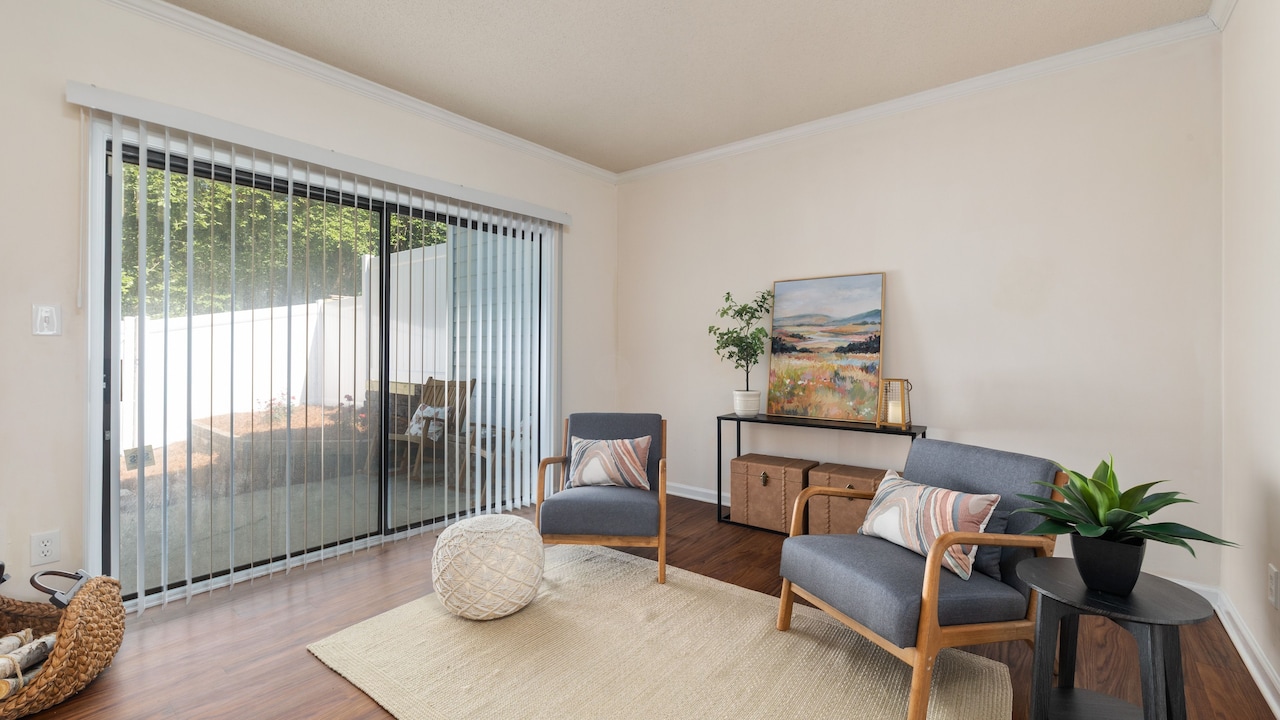
Why Your Space Feels Incomplete: 10 Home Decor Tips For A Stylish Home
Photo Credit: Pexels
Products Related To This Article
1. RITUALISTIC Madhubani Wall Plates Set of 5
2. Webelkart Premium HD UV Printed Mahindra Thar Car Shape Designer Wooden Key Holder Home and Office Decor
3. Dekorly Artificial Potted Plants, Artificial Plastic Eucalyptus Plants Small Indoor Potted Houseplants
4. Spiral Gride Glow 3-in-1 LED Wall Light | Modern Fancy Lights for Living Room
5. Crosscut Furniture LED Tripod Floor Lamp with 3 Shelves
6. CHRONIKLE Polyresin Tabletop Gold Brown Meditating Buddha Sitting in Cave Style Indoor Front Curtain Waterfall Fountain
7. Murphy Aluminium LED (Wall Highlighter) - 12W
A living room rarely feels incomplete because it lacks more furniture or expensive décor. More often, the issue stems from missing balance, warmth, personality, or functionality.
The most successful living rooms combine thoughtful design with genuine comfort. They feature clear focal points, layered lighting, meaningful personal touches, and carefully curated details. They feel welcoming rather than staged and practical rather than perfect.
Decorating is only the first step. Creating a space that feels complete requires intention, character, and a touch of everyday life. By applying these ten home décor tips, even a room that already looks finished can gain the warmth, depth, and personality that truly make it feel like home.
(Disclaimer: This article may include references to or features of products and services made available through affiliate marketing campaigns. NDTV Convergence Limited (“NDTV”) strives to maintain editorial independence while participating in such campaigns. NDTV does not assume responsibility for the performance or claims of any featured products or services.)