Is Cooking Spray Safe For Every Non-Stick Pan? 10 Cookware-Care Myths Explained
Cooking spray, high heat and harsh cleaning can shorten a non-stick pan’s life. This guide busts 10 common cookware-care myths and explains the simple habits that help pans last longer and perform better.
Is Cooking Spray Safe for Non-Stick Pans? 10 Cookware Myths Busted
Every kitchen has its own set of cookware rules. One household insists that non-stick pans must never touch soap. Another treats cooking spray as the secret to perfect dosas, omelettes and pancakes. Somewhere else, an ageing frying pan gets scrubbed with heroic enthusiasm because “a little scratching never hurt anything”. The trouble is that cookware has changed. Modern non-stick coatings, stainless steel, cast iron and ceramic surfaces behave differently, and a habit that works beautifully for one pan may ruin another. Cooking spray is a perfect example. It looks harmless and convenient, especially when only a whisper of oil is needed. Yet some sprays contain emulsifiers and propellants that can leave sticky residue on certain non-stick surfaces over time. That does not make every spray dangerous, nor does it mean every pan needs special treatment worthy of a museum display. Good cookware care is mostly about understanding materials, avoiding extremes and questioning kitchen folklore. These ten myths separate useful habits from advice that deserves to be retired.
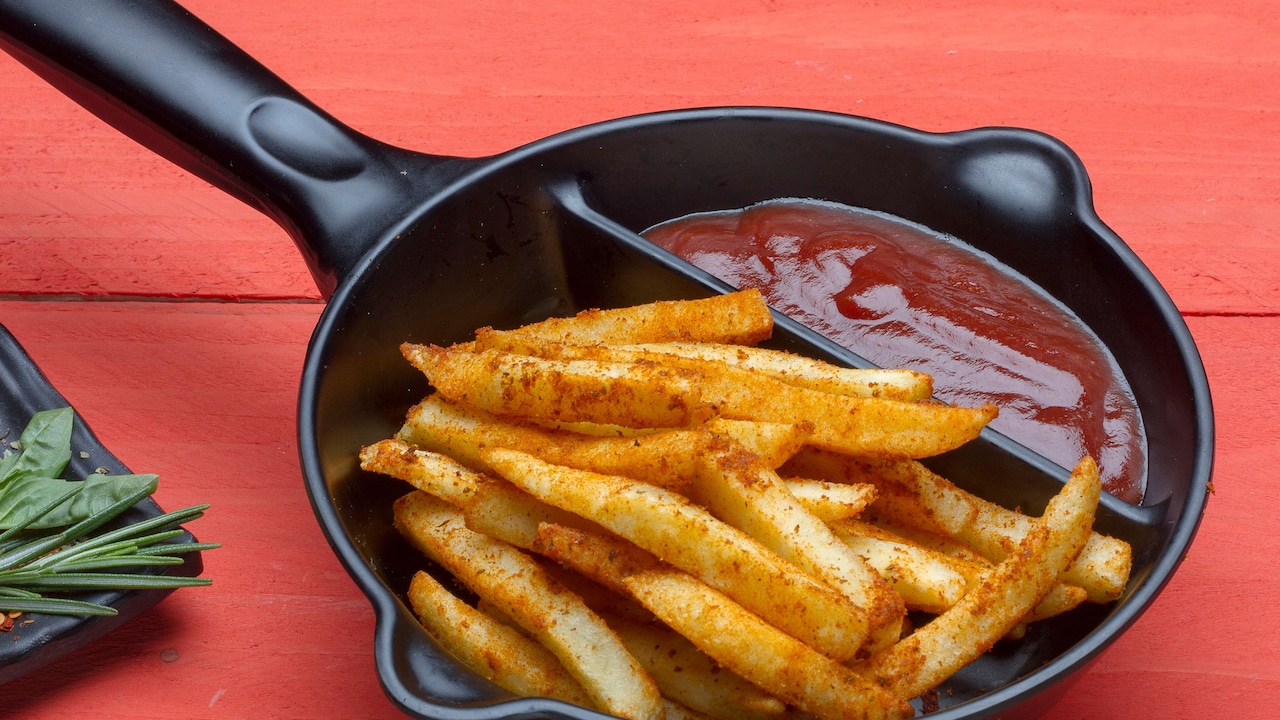
Is Cooking Spray Safe for Non-Stick Pans? 10 Cookware Myths Busted; Photo Credit: Amazon
Before You Ruin Another Pan: 10 Cookware-Care Myths Worth Busting
1. Cooking Spray Is Safe For Every Non-Stick Pan
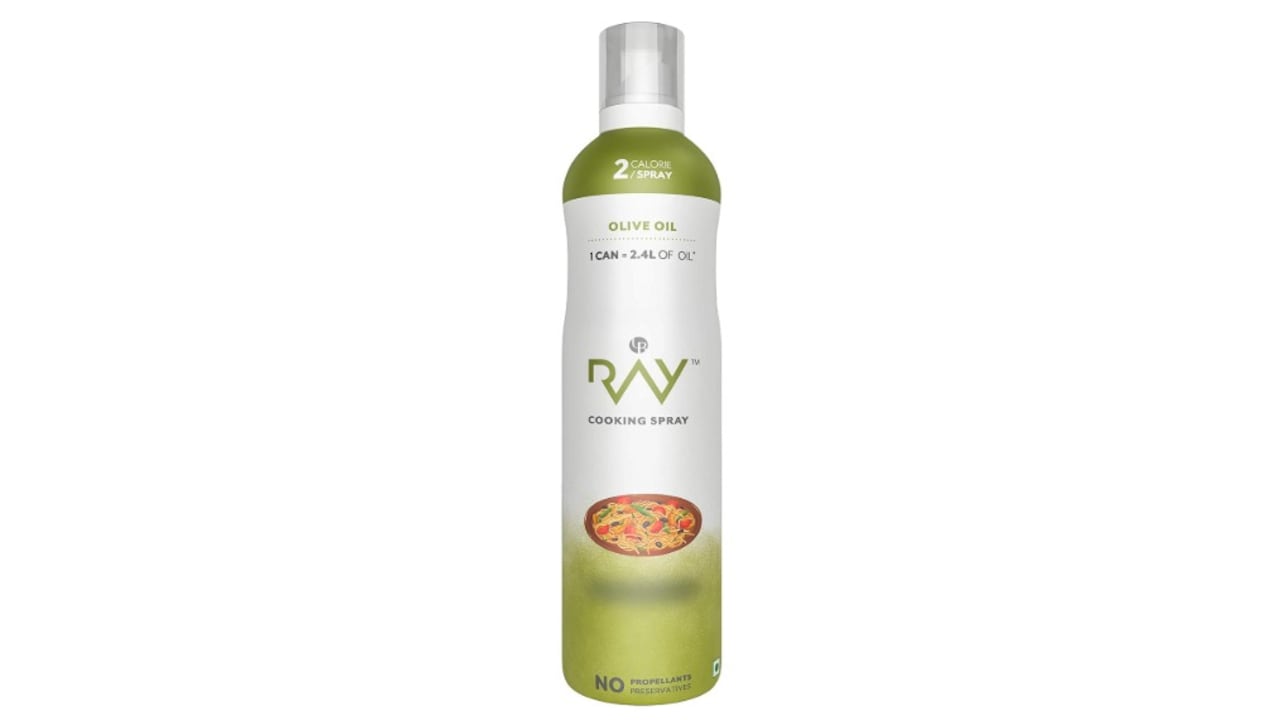
Cooking spray seems made for non-stick cookware. A quick mist, hardly any visible oil, and breakfast slides around the pan with admirable confidence. Unfortunately, the relationship is not always that simple.
Many aerosol cooking sprays contain more than oil. Ingredients such as emulsifiers, anti-foaming agents and propellants help create that fine, even mist. When repeatedly heated, some of these ingredients can leave a thin residue on the pan. Over time, that layer may become sticky, brown or surprisingly difficult to remove.
This does not mean that one spray will instantly destroy a non-stick coating. Problems usually build gradually. The pan simply starts feeling less “non-stick” than it once did.
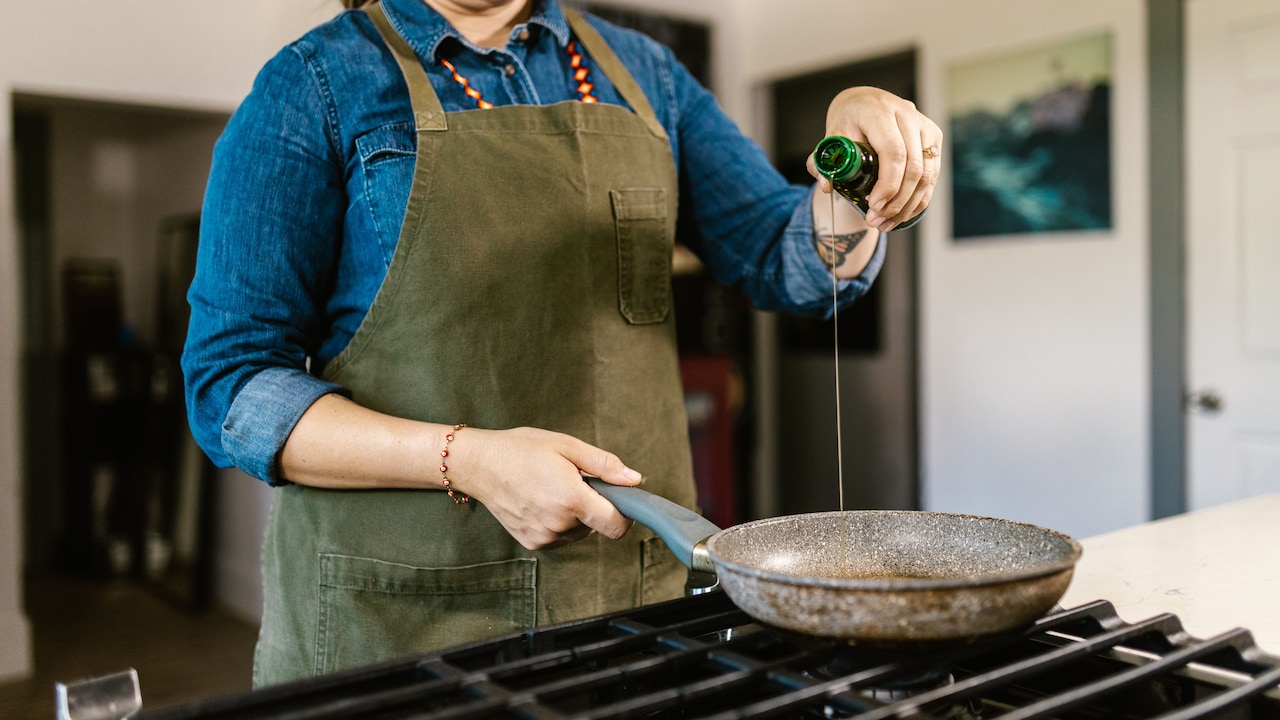
The safest approach is to check the cookware manufacturer's care instructions. Some brands specifically discourage aerosol sprays. A small amount of regular cooking oil, spread with a silicone brush or kitchen paper, often does the job just as well.
That tiny change can save a perfectly good pan from an early retirement.
Also Read: How To Pick A Non-Stick Pan Without The Fake Coating: Top 10 Tips And 8 Picks
2. High Heat Makes Non-Stick Cooking Better
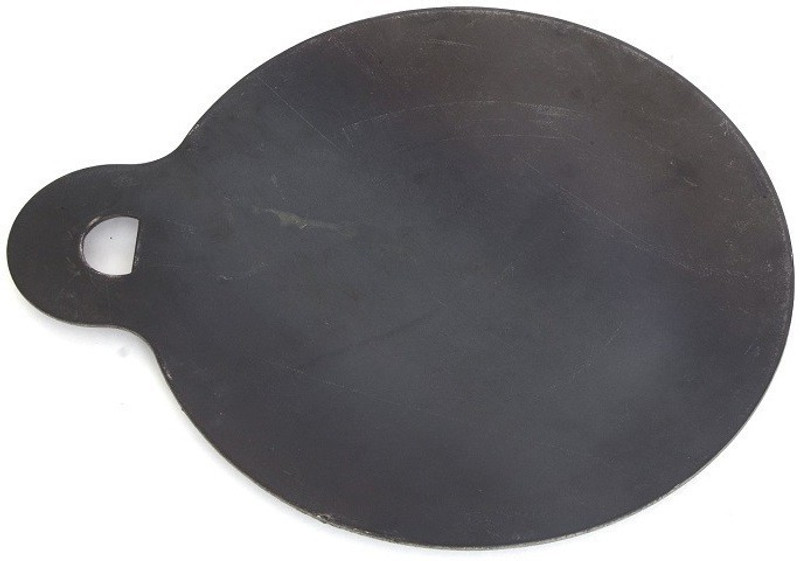
There is something satisfying about turning the flame high and hearing food hit a hot pan with an enthusiastic sizzle. For stainless steel or a well-seasoned iron tawa, that may sometimes be useful. For non-stick cookware, constant high heat can become expensive kitchen drama.
Non-stick coatings generally perform best over low to medium heat. Excessive temperatures can gradually damage the coating, especially when the pan sits empty over a strong flame. Once overheated repeatedly, the surface may lose its smoothness or begin deteriorating faster than expected.
The pan also does not need blazing heat to fry an egg, warm parathas or cook vegetable cutlets. Moderate heat usually gives better control and fewer burnt edges.
There is another practical clue. If oil begins smoking almost immediately, the pan is probably hotter than necessary.
A good non-stick pan should reduce cooking effort, not encourage a battle with the gas knob. Let it warm gently, add ingredients before it becomes fiercely hot and allow the coating to do the work it was designed to do.
3. Metal Spatulas Are Fine If Used Gently
Few cookware arguments sound more optimistic than, “The spoon barely touched the surface.” Unfortunately, non-stick coatings do not grade kitchen behaviour on good intentions.
Metal spatulas, forks, knives and ladles can scratch coated cookware, even when used carefully. One light scrape may not create obvious damage, but repeated contact can gradually mark the surface. Those marks may eventually reduce the pan's non-stick performance and make cleaning harder.
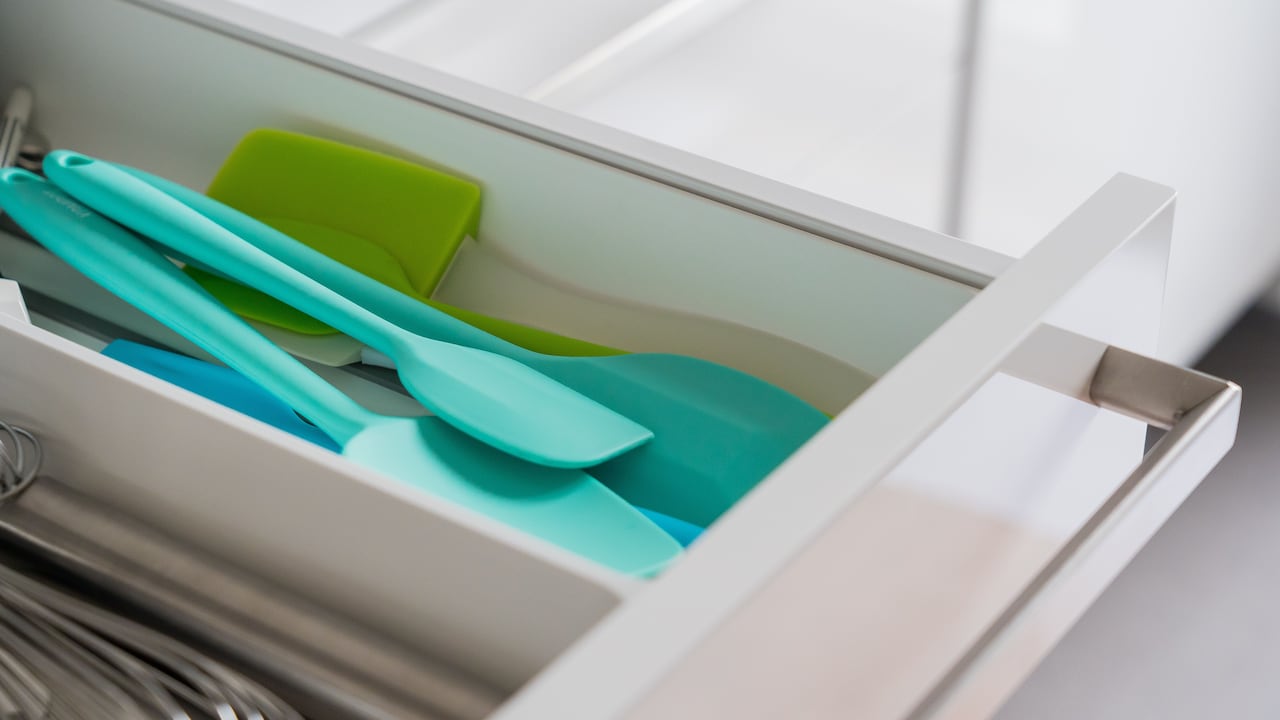
Silicone, wooden and suitable nylon utensils are much kinder. They are especially useful for everyday cooking, where stirring, flipping and scraping happen without much thought.
This does not mean every metal utensil must be banished from the kitchen. Stainless-steel kadais, cast-iron pans and many uncoated surfaces can handle them perfectly well. The issue is matching the tool to the cookware.
Think of a non-stick coating like the polished screen on a favourite phone. Nobody plans to scratch it, but prevention works better than regret.
A ₹300 silicone spatula can be cheaper than replacing a damaged ₹2,000 frying pan.
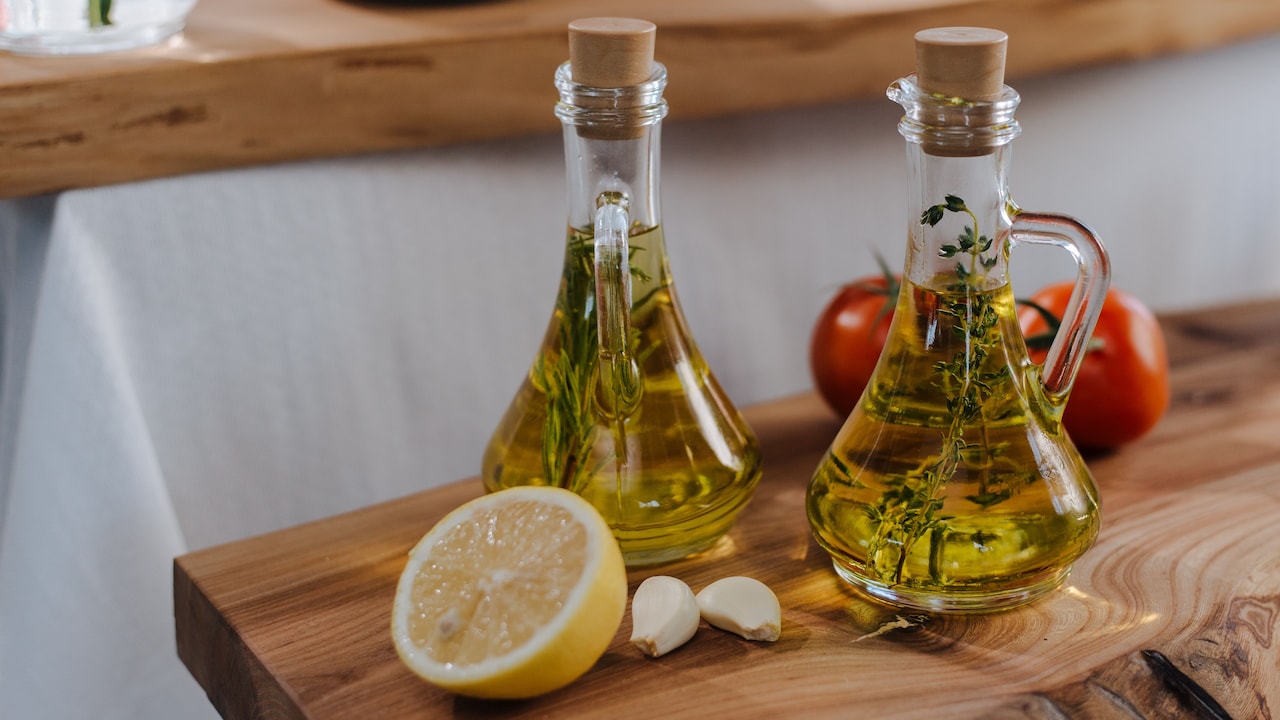
Is Cooking Spray Safe for Non-Stick Pans? 10 Cookware Myths Busted; Photo Credit: Pexels
4. A Dishwasher Is Safe For Anything Labelled Dishwasher-Friendly
The words “dishwasher-safe” sound reassuring. They can also encourage a little too much confidence.
If cookware is labelled dishwasher-safe, it should generally tolerate dishwasher cleaning according to the manufacturer's instructions. That does not automatically mean frequent dishwasher cycles are the gentlest way to care for it.
Dishwasher detergents can be fairly aggressive, while high temperatures and repeated washing may dull certain finishes or gradually affect some coatings. Handles, rivets and exposed metal edges can also age differently from the main cooking surface.
Hand washing is often kinder to non-stick cookware. Warm water, mild washing-up liquid and a soft sponge can remove most everyday grease without turning cleaning into a wrestling match.
For stainless steel, dishwashers are often less troublesome, although water marks and discolouration can still appear.
The important distinction is between “safe” and “ideal”. A raincoat may survive a washing machine, but nobody washes it after every drizzle.
Cookware lasts longer when cleaning matches both the material and the mess rather than relying on one method for everything.
5. Non-Stick Pans Should Never Be Washed With Soap
This myth has remarkable staying power, probably because it gets mixed up with traditional advice about seasoned cast iron.
Modern non-stick pans can usually be washed with mild washing-up liquid. In fact, cleaning away grease and food residue helps the surface perform properly. Leaving oily layers behind can cause build-up, unpleasant smells and sticky patches over time.
What non-stick cookware dislikes is harsh treatment. Strong abrasive cleaners, steel wool and rough scrubbing pads can damage the coating. A soft sponge and ordinary dishwashing liquid are usually enough.
Cast iron is a different story, and even there, the old rule that soap must never touch the pan has softened. A small amount of mild soap generally will not strip away a strong layer of seasoning. Long soaking and aggressive scrubbing create bigger problems.
The confusion comes from treating every pan as though it shares the same personality.
A non-stick frying pan, iron dosa tawa and stainless-steel saucepan may all sit in the same cabinet, but their cleaning needs differ. Kitchen harmony begins with accepting that cookware, much like relatives at a family function, cannot all be handled the same way.
6. Scratched Non-Stick Cookware Is Always Fine To Keep Using
One faint surface mark does not necessarily mean a pan must be thrown out that evening. Yet heavily scratched, peeling or flaking non-stick cookware deserves more attention than many kitchens give it.
As coatings wear down, cooking performance usually suffers first. Eggs begin sticking, pancakes need extra oil and cleaning becomes more annoying. Visible peeling or serious surface damage is a stronger sign that replacement may be sensible.
The age of the pan also matters. Cookware used daily for years naturally sees more wear than a pan brought out twice a month for weekend French toast.
Avoid trying to “repair” a damaged coating with seasoning tricks meant for cast iron. Non-stick coatings are manufactured finishes, not surfaces that can simply be rebuilt at home with extra oil and optimism.
When replacing cookware, price does not always need to climb dramatically. Plenty of reliable everyday non-stick pans fall within a reasonable ₹1,000 to ₹3,000 range.
Treat visible deterioration as useful information. A pan does not need to look showroom-perfect, but it should still have an intact cooking surface that performs as intended.
7. Stacking Pans Never Causes Damage
Stacking cookware feels harmless. In compact kitchens, it is often unavoidable. Unfortunately, placing one heavy pan directly inside another can create scratches, especially on coated surfaces.
The base of a kadai or frying pan may look smooth, yet repeated movement inside another pan acts like slow-motion sandpaper. Every time someone pulls the top pan out, the surfaces rub together.
A simple protector solves most of the problem. Felt pan separators are available, but fancy accessories are unnecessary. A clean cotton cloth, soft kitchen towel or even a sturdy paper napkin between pans can reduce direct contact.
This small habit matters even more when mixing materials. A heavy cast-iron skillet sitting inside a delicate non-stick pan is not a friendly arrangement.
Storage should also avoid pressure on handles. Awkwardly balanced stacks can loosen fittings or create the familiar late-night kitchen avalanche when someone reaches for the smallest saucepan at the bottom.
Cookware does not need luxury accommodation. It simply needs enough protection to stop one pan slowly damaging another while everyone assumes they are safely resting in the cabinet.
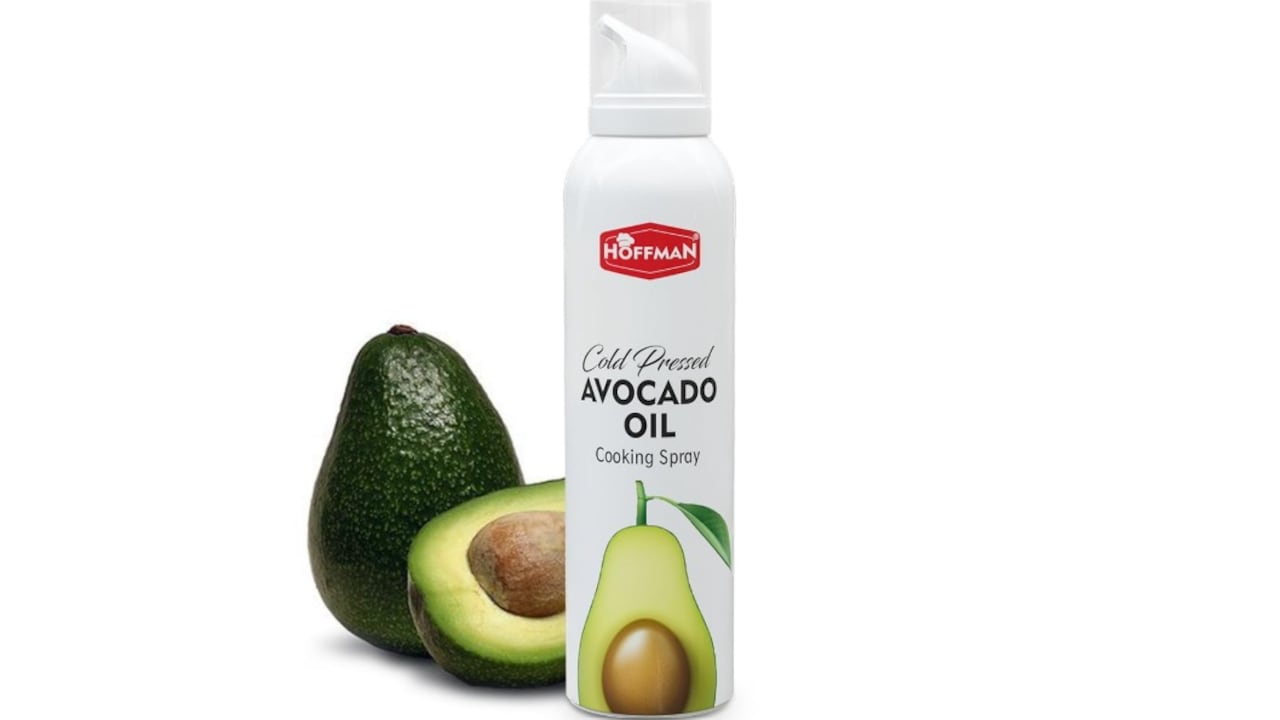
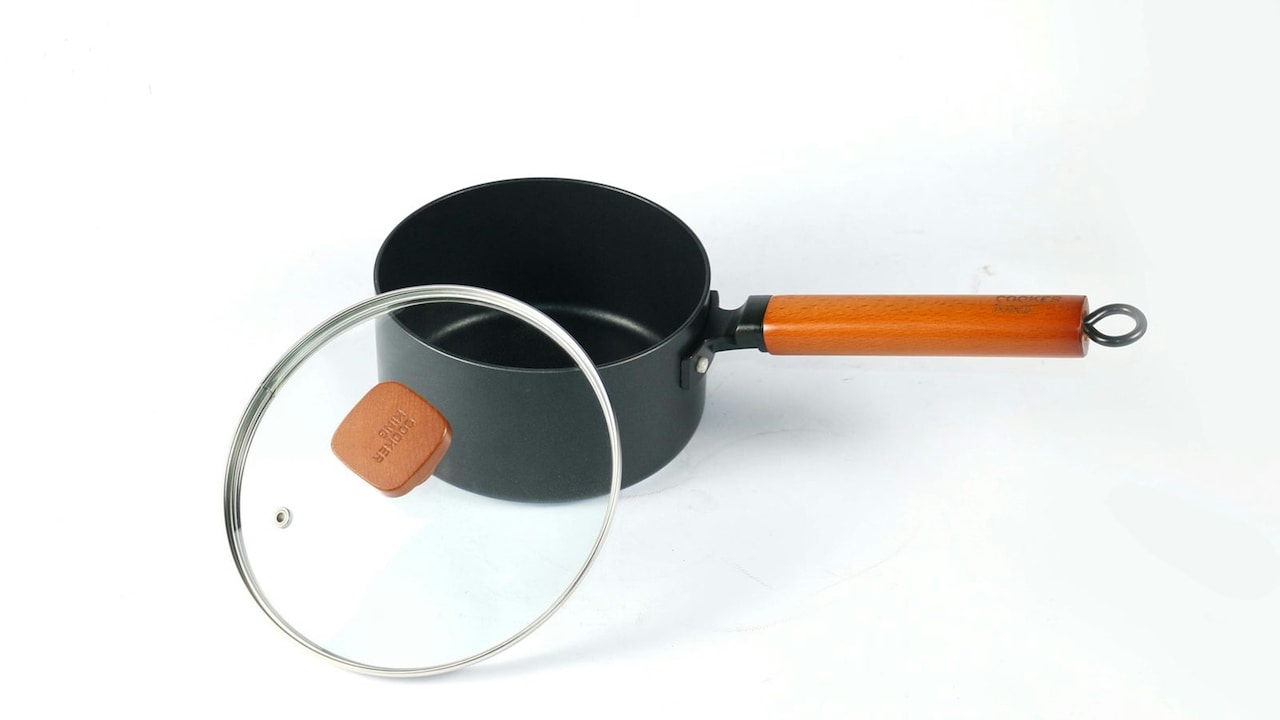
Is Cooking Spray Safe for Non-Stick Pans? 10 Cookware Myths Busted; Photo Credit: Amazon
8. Cold Water Helps Cool A Hot Pan Faster
Technically, cold water does cool a hot pan faster. That is exactly why pouring it into extremely hot cookware can cause trouble.
Sudden temperature changes may warp metal, particularly in thinner pans or cookware with layered construction. A pan that once sat flat on the hob can begin wobbling slightly, causing uneven heating and plenty of irritation.
Non-stick cookware can also suffer from repeated thermal shock. Even when no dramatic damage appears, constantly moving from strong heat to cold tap water is an unnecessary strain on the material.
The better habit is simple: let the pan cool naturally for a few minutes before washing.
This also makes cleaning easier. Trying to scrub a dangerously hot pan is hardly efficient, especially when steam starts rising the moment water touches it.
There are exceptions in cooking techniques where liquid is intentionally added to a hot pan, such as deglazing. That is controlled cooking, not cleaning.
After dinner, patience wins. Finish eating the last roti, clear the plates, then wash the cookware. The pan will still be there, and it will probably be grateful for the calmer treatment.
9. More Oil Protects A Non-Stick Surface
Adding extra oil may make food feel less likely to stick, but it does not act as protective armour for a non-stick coating.
These pans are specifically designed to cook with relatively little fat. Pouring in generous amounts can create unnecessary residue, particularly when oil repeatedly heats beyond its ideal temperature. That residue may eventually form a stubborn film around the edges or cooking surface.
Too much oil can also mask a declining pan. If an omelette suddenly needs three times as much oil as it did last year, the issue may be the coating rather than the recipe.
Use enough fat for flavour, texture and the food being prepared. Some dishes naturally need more. A shallow-fried cutlet and a soft omelette obviously belong to different oil categories.
For everyday non-stick cooking, a thin layer is often plenty.
The idea that more oil automatically extends cookware life probably comes from cast-iron seasoning, where fat does play an important role. Non-stick cookware follows different rules. Giving every pan the same oil treatment is like prescribing chai to solve every problem. Comforting, perhaps, but not always relevant.
10. Expensive Cookware Does Not Need Special Care
A ₹10,000 pan can still be ruined by careless use.
Higher-priced cookware may offer better construction, thicker bases, more even heating or durable materials. None of those features make it immune to overheating, harsh scrubbing or unsuitable utensils.
In fact, expensive cookware can sometimes require more careful attention because specialised finishes and layered materials come with specific maintenance instructions.
Price also creates a curious psychological trap. People may treat budget cookware gently because they worry about replacing it, then assume premium cookware can survive anything because it cost more. Physics does not recognise brand positioning.
Read the care instructions when the cookware is new, rather than after something goes wrong. Check heat recommendations, cleaning guidance and whether the pan is suitable for induction, the oven or the dishwasher.
Good habits protect both cheap and premium cookware.
Ultimately, the best pan is not necessarily the most expensive one in the shop. It is the one that suits regular cooking, feels comfortable to use and receives sensible care. A modest pan treated well can easily outlast a glamorous one handled badly.
Products Related To This Article
1. HOFFMAN Premium Cold Pressed Olive Oil
2. LB RAY Cooking Spray Sunflower Oil
3. Pure Nutrition Sunflower Oil Cooking Spray
4. Tata Simply Better Extra Virgin Olive Oil Cooking Spray
5. Pure Nutrition Organic Groundnut Oil Spray
6. LB RAY Cooking Spray Rice Bran Oil
7. NTH Extra Virgin Olive Oil, 100% Natural and Cold Extracted 200 Ml Spray
Cookware-care advice often gets passed down with the confidence of family wisdom, even when nobody remembers where the rule began. Some traditions remain useful. Others belong to older materials, different coatings or kitchens where cookware was built in completely different ways.
Cooking spray is a good example of why details matter. It is not automatically harmful, yet it may leave residue on certain non-stick surfaces, especially when manufacturers advise against using it. The same principle applies to high heat, metal utensils, dishwashers and storage.
The smartest approach is not to become nervous about every scratch or drop of oil. It is to understand what each pan needs.
Keep non-stick cookware away from extreme heat and abrasive tools. Let hot pans cool before washing. Use mild cleaners, protect stacked surfaces and replace cookware when coatings become seriously damaged.
These are small habits, but cookware notices them.
And when a favourite frying pan continues turning out crisp toast, tidy omelettes and golden pancakes years after it entered the kitchen, that extra bit of care suddenly feels very worthwhile.
(Disclaimer: This article may include references to or features of products and services made available through affiliate marketing campaigns. NDTV Convergence Limited (“NDTV”) strives to maintain editorial independence while participating in such campaigns. NDTV does not assume responsibility for the performance or claims of any featured products or services.)