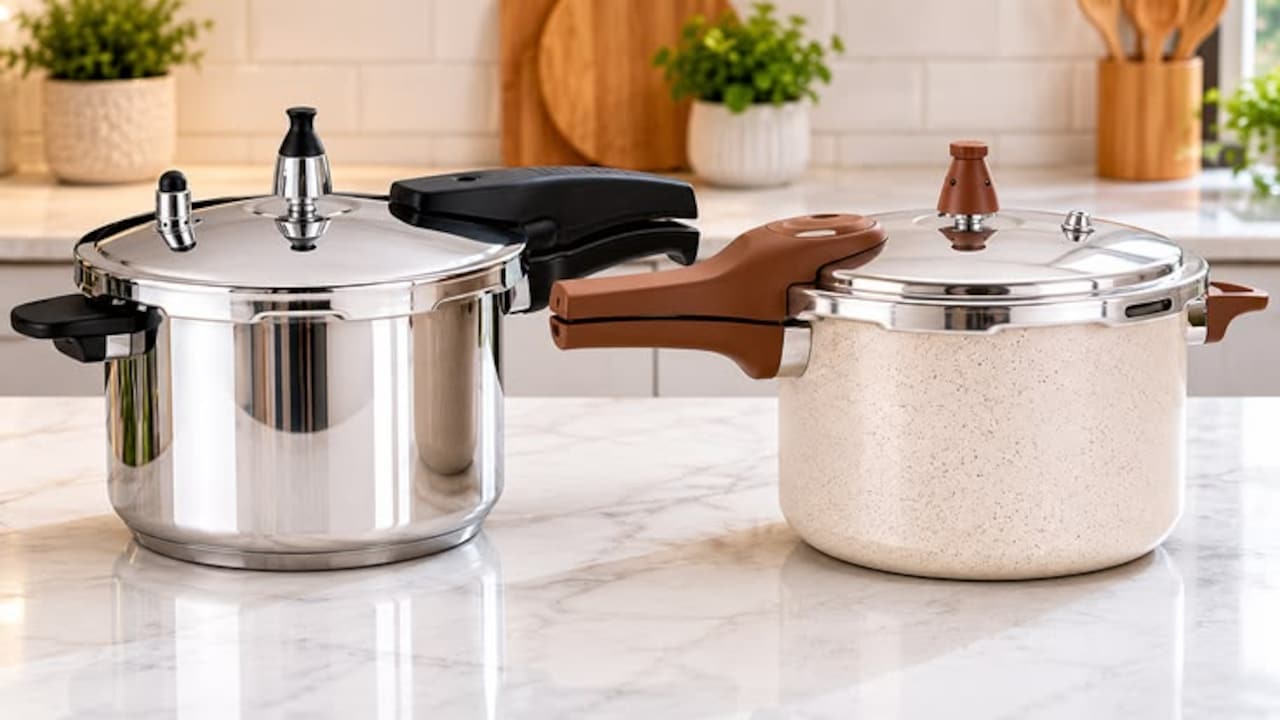
Non-Stick Or Aluminium? The Frying Pan Debate Every Home Cook Should Know
Confused between a non-stick and aluminium frying pan? Discover the key differences, benefits, drawbacks, and which pan suits your cooking style best.
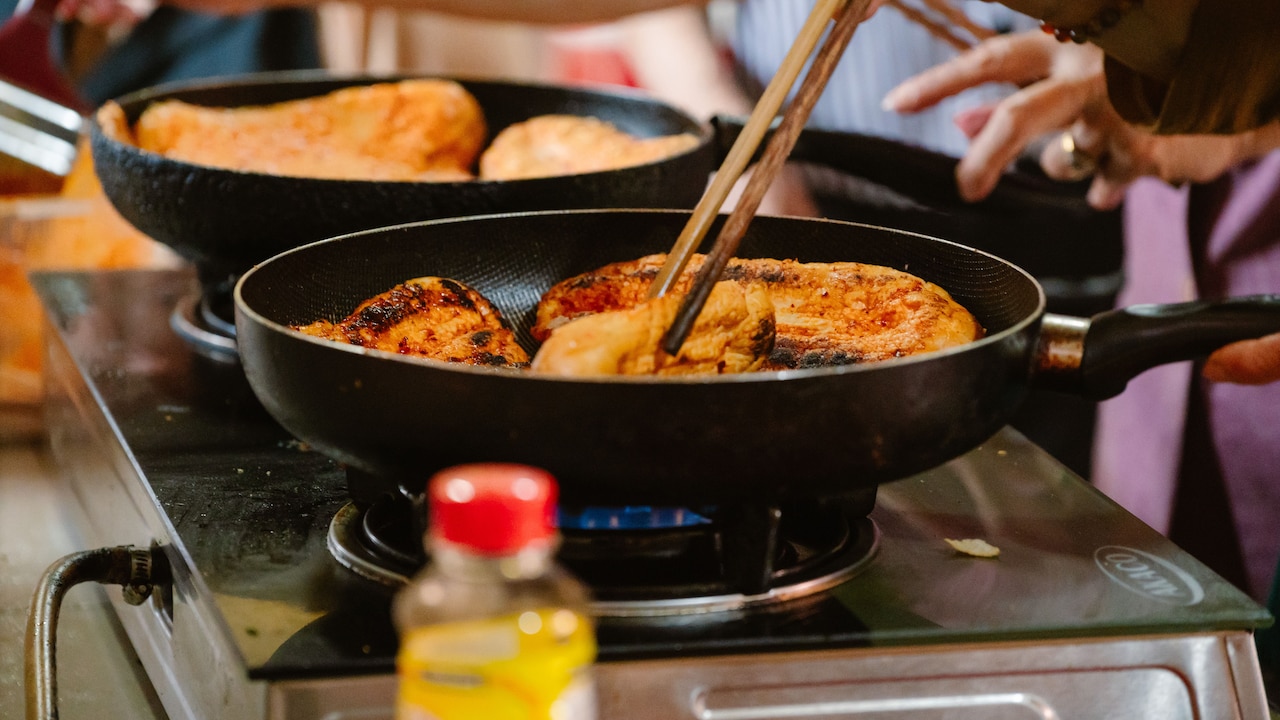
Non-stick frying pans are popular because food releases easily and cleaning is quick.
Walk into any kitchen store, browse an online marketplace, or even peek into a friend's kitchen cupboard, and you'll probably spot one of the two common contenders in the cookware world. You would find either a non-stick frying pan hanging by the shelf or the aluminium frying pan.
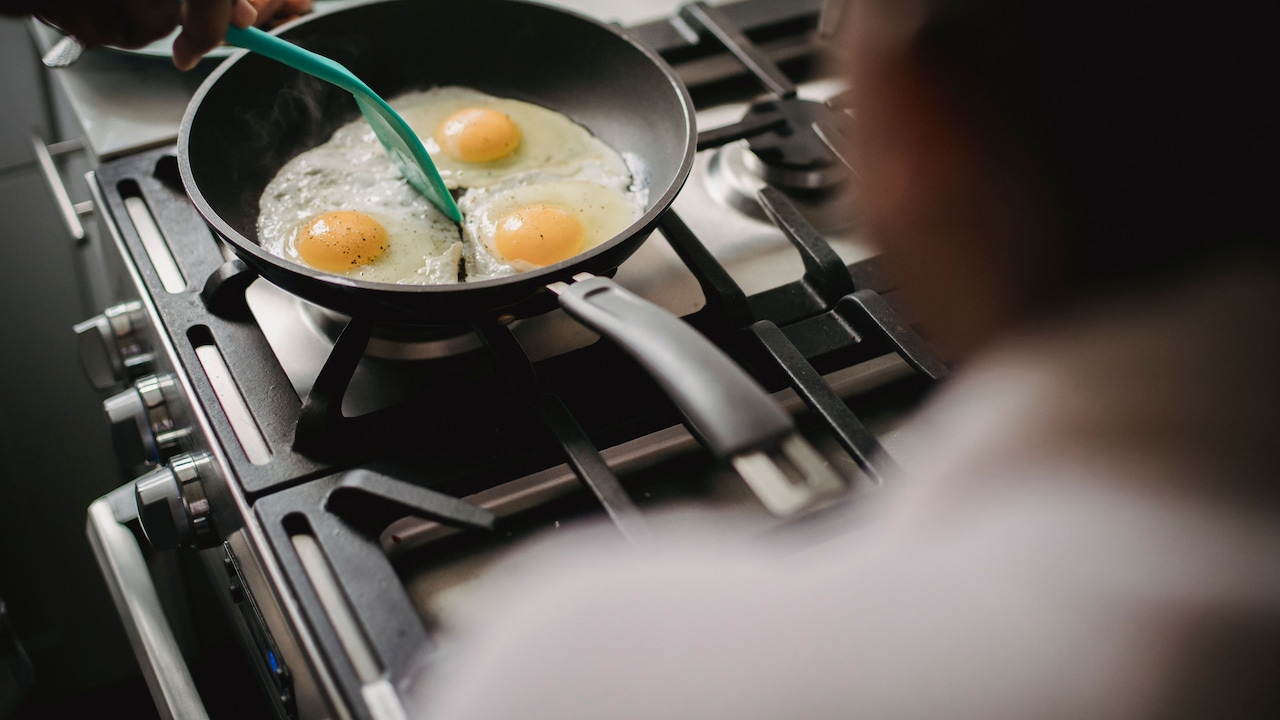
Many home cooks keep both non-stick and aluminium pans in their kitchen for different tasks.
Photo Credit: Pexels
At first glance, their choice seems simple. One promises easy cooking and effortless cleaning, while the other is often praised for being lightweight and quick to heat. But once you start cooking regularly, the question of choosing one for yourself becomes a lot more interesting. Which one actually deserves a permanent place on your hob?
Also Read: Create The Perfect YouTube Setup: Aesthetic Cookware Finds In Pink, Blue, And More Beautiful Colours
The truth is, there isn't a dramatic winner that knocks the other out of the competition. Much like choosing between trainers and formal shoes, the better option often depends on when and how you use it. Let's break it down.
The Story Of The Non-Stick Frying Pan
The non-stick frying pan is arguably one of the most appreciated kitchen inventions of modern times. Anyone who has tried scraping burnt omelette from a regular pan will understand why.
A non-stick pan is usually made from a metal base, often aluminium, coated with a non-stick surface. The coating creates a smoother cooking surface that helps food release more easily.
This makes non-stick pans particularly appealing for everyday cooking. Eggs slide around without much effort, pancakes flip with less drama, and delicate foods like fish fillets are less likely to stick to the surface.
For busy households, that's a genuine advantage. There is something satisfying about finishing breakfast and cleaning the pan in under a minute.
What Makes Aluminium Frying Pans Different?
Aluminium frying pans are often appreciated for their simplicity.
Aluminium is naturally lightweight and conducts heat efficiently. That means the pan heats up relatively quickly and can respond faster when you adjust the flame or hob setting.
Many professional kitchens rely on aluminium-based cookware because it is practical, durable for daily use, and generally easier to manoeuvre than some heavier alternatives.
The lightweight construction is a particular advantage for people who spend a lot of time cooking. A heavy pan may feel premium in the shop, but after lifting it repeatedly during dinner preparation, lighter cookware begins to make a lot of sense.
Round One: Everyday Cooking
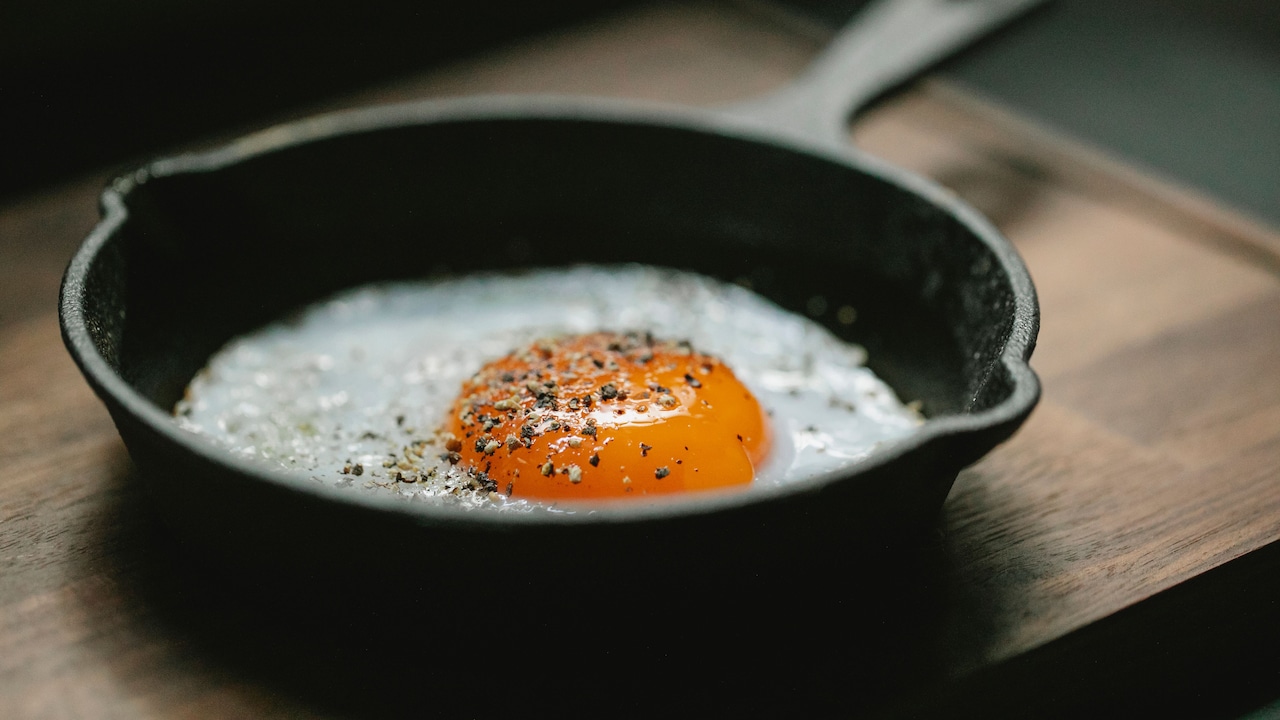
The best frying pan often depends on your cooking habits and preferred recipes.
Photo Credit: Pexels
If your cooking routine involves eggs, toast accompaniments, pancakes, grilled sandwiches, or quick weekday dinners, the non-stick pan often feels like the easier companion.
Food releases more smoothly, and many recipes can be prepared with less oil than you might otherwise use.
Imagine a rushed Monday morning. You're answering messages, making tea, and trying not to miss a meeting. That is exactly when a non-stick pan shines. It asks for very little effort and usually delivers predictable results.
Aluminium pans, particularly uncoated versions, may require a bit more attention. Ingredients are more likely to stick if the heat isn't managed properly or if the pan isn't prepared correctly before cooking.
For convenience alone, non-stick takes this round.
Round Two: Heat Performance
This is where aluminium starts showing its strengths.
One reason cooks appreciate aluminium cookware is its ability to heat quickly. The pan can respond relatively fast when temperatures need adjusting during cooking.
Making stir-fried vegetables? Searing onions? Cooking batches of food one after another? Aluminium's responsiveness can be useful.
Non-stick pans also perform well for everyday cooking, but most manufacturers recommend avoiding extremely high temperatures. These pans are usually designed for moderate cooking rather than intense heat.
That doesn't mean they are fragile. It simply means they perform best within their intended range.
For heat responsiveness, aluminium often has the edge.
Round Three: Cleaning Up Afterwards
Nobody talks about washing up when discussing dream kitchens, but it matters.
This category is probably one of the biggest reasons non-stick pans remain so popular.
A quick rinse, a soft sponge, and you're often done.
Aluminium pans can require slightly more effort, especially if food sticks or if cooking residue builds up during high-heat cooking sessions.
Of course, cooking skill and maintenance habits play a role too. A well-maintained aluminium pan isn't difficult to clean, but generally speaking, non-stick is usually the easier option.
And after a long working day, easier often wins.
Round Four: Durability
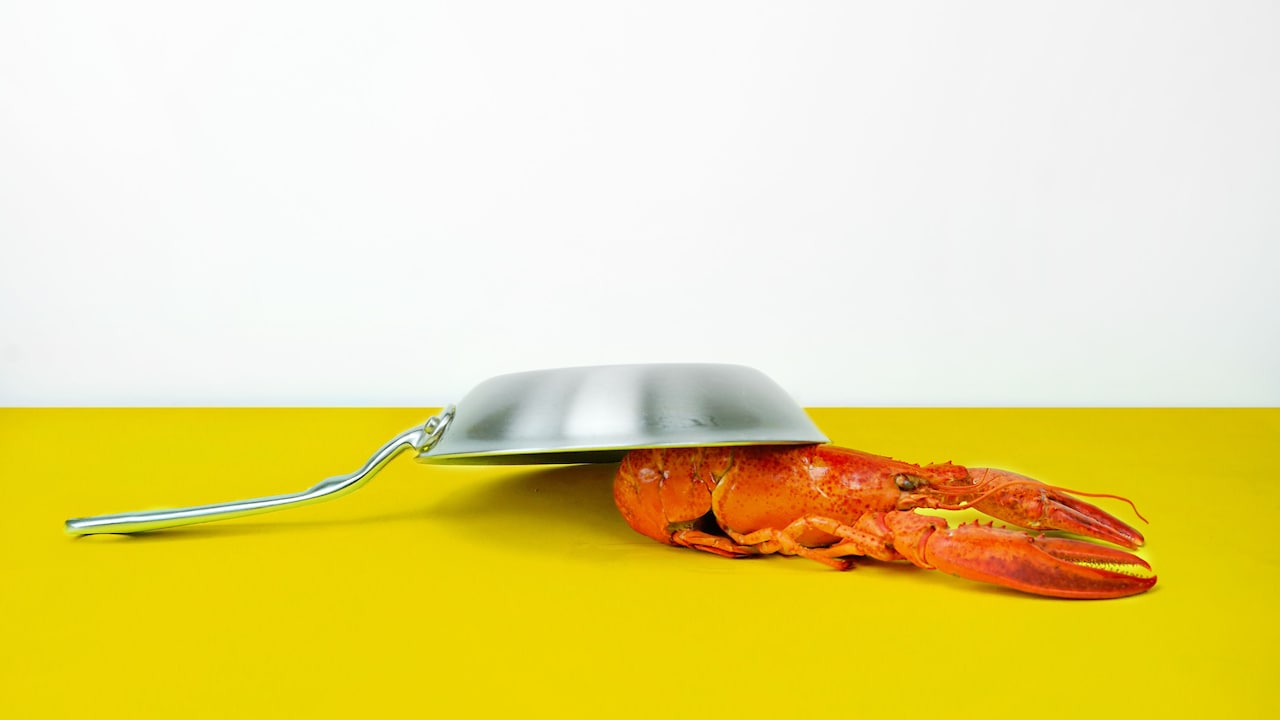
Aluminium frying pans heat up fast and respond well to temperature adjustments.
Photo Credit: Pexels
Here's where things become interesting.
Many people assume non-stick pans last forever if they look shiny enough. Unfortunately, cookware doesn't work that way.
Over time, non-stick coatings can wear down through everyday use. Frequent scraping with metal utensils, stacking pans carelessly, or overheating them repeatedly can shorten their lifespan.
Aluminium frying pans, especially thicker versions, can often handle years of regular cooking when cared for properly.
It doesn't mean aluminium is indestructible. It can warp if exposed to extreme conditions, and quality varies between products. Still, when it comes to long-term ruggedness, aluminium generally earns a few extra points.
Think of non-stick as a favourite pair of trainers and aluminium as a reliable leather boot. Both serve a purpose, but one may cope better with years of rough treatment.
Round Five: Cooking Versatility
Suppose you're preparing fluffy scrambled eggs in the morning, grilled vegetables at lunch, and a quick weeknight curry in the evening.
A non-stick pan handles many of these tasks comfortably.
However, if your cooking style involves frequent high-heat techniques, quick browning, or experimenting with different recipes, aluminium cookware may offer slightly more flexibility.
Many home cooks eventually discover that cookware isn't something they need to choose exclusively. Different pans excel at different jobs.
That's why experienced cooks often own more than one frying pan.
Not because they're collecting cookware like trophies, but because each serves a different purpose.
Cost Considerations
Budget naturally influences any kitchen purchase.
Basic aluminium frying pans are often available at attractive prices, although premium models can cost considerably more.
Non-stick pans are available across a wide range of budgets as well. However, buyers should pay attention to construction quality rather than simply choosing the cheapest option available.
An inexpensive pan that needs replacing frequently may not feel like a bargain in the long run.
The sweet spot often lies somewhere in the middle: a pan from a reputable brand with solid reviews and construction quality that suits your cooking habits.
Non-Stick Vs Aluminium: At A Glance
| Feature | Non-Stick | Aluminium |
|---|---|---|
| Best For | Eggs, Pancakes, Fish | Stir-Fries, Everyday Cooking |
| Heat Performance | Moderate | Fast Heating |
| Food Sticking | Less Likely | More Likely |
| Cleaning | Easy | Moderate Effort |
| Durability | Coating Wears Over Time | Generally Long Lasting |
| Maintenance | Gentle Handling Needed | More Forgiving |
| Ideal For | Convenience | Versatility |
So, Which One Is Better?
This is the moment where people expect a definitive answer.
The reality is less dramatic.
If convenience is your priority, the non-stick frying pan is probably the better choice. It simplifies cooking, requires less effort during clean-up, and works brilliantly for everyday meals.
If you value fast heating, versatility, and long-term durability, an aluminium frying pan may be the better fit.
In many kitchens, the most practical answer isn't choosing one over the other. It's having both.
Use the non-stick pan for eggs, pancakes, fish, and quick breakfasts. Reach for the aluminium pan when you're cooking larger meals, experimenting with recipes, or need quicker heat response.
Cooking is rarely about finding a single perfect tool. It's more about finding the right tool for the task in front of you. Explore Amazon to find the right product for you. Shop now.
Products Related To This Article
1. Tefal Delicia 20 cm Fry Pan | Titanium Non-Stick Coating | Fast & Optimum Heat Distribution | Thermo Signal Technology | 100% PFOA Safe | Metal Spatula Friendly
2. Lifelong Forged Fry Pan 24cm with Glass Lid | 1.8Ltr, 1.9kg Pan | Ceramic Coated | Gas Stove and Induction Friendly | Non-Stick, Teflon Free & Durable |Skillet for Cooking, Searing, Sautéing, & Frying
3. Prestige Non-Stick Fry Pan 20cm | OSP IB | Gas & Induction Compatible | PFOA Free | Metal Spoon Friendly | Sturdy Handle | 1Y Warranty | ISI Certified
4. BERGNER Argent TriPly 24cm Frypan/Steel Pan, Scratch Resistant, for Spice Tempering/Seasoning, Less Oil Use, Healthy Cooking, Stay Cool Long Handle, Easy to Clean - Induction and Gas Stove Ready
5. Asai Ceramic Pan for Cooking 24cm Swiss Non-Stick Frying Pan with Lid | Grey | Lab-Tested | 100% Toxin Free | No PFAS, PFOA, PTFE | Superior Swiss Ceramic | Induction Safe │ ISI & FDA Approved
6. Stahl Artisan Hybrid 2.3 L, 26 cm Triply Frying Pan with Lid | Induction & Gas Stove Compatible | Honeycomb Non Stick Fry Pan, Metal Spoon Friendly
7. Asai Ceramic Non Stick Frying Pan 20cm with Free Silicone Spatula | Blue | 100% Toxin Free, No PFAS, PFOA, PTFE| Superior Swiss Ceramic | Induction Safe | Lab Tested | Egg Pan & Omelette Pan
8. PNB Kitchenmate Triply Stainless Steel Frying pan -20 cm | Triply cookware Set - 5 Year Warranty| Fry Pan with lid | Induction cookware | Frying Pan with lid Stainless Steel | Fry pan Steel Stainless
Frequently Asked Questions (FAQs)
1. What is the difference between a non-stick and aluminium frying pan?
A non-stick frying pan features a special coating that helps food release easily, while an aluminium frying pan relies on the metal's natural heat conductivity for efficient cooking.
2. Which frying pan is better for everyday cooking?
Non-stick frying pans are often preferred for daily cooking tasks such as making eggs, pancakes, and fish because they are easier to use and clean.
3. Do aluminium frying pans heat faster than non-stick pans?
Yes, aluminium is known for its excellent heat conductivity, allowing the pan to heat up and respond quickly to temperature changes.
4. Which frying pan is easier to clean?
Non-stick frying pans are generally easier to clean as food residue is less likely to cling to the cooking surface.
5. Should I own both a non-stick and an aluminium frying pan?
Many home cooks find value in owning both. A non-stick pan is ideal for delicate foods, while an aluminium pan can be useful for a wider variety of cooking techniques.
(Disclaimer: This article may include references to or features of products and services made available through affiliate marketing campaigns. NDTV Convergence Limited (“NDTV”) strives to maintain editorial independence while participating in such campaigns. NDTV does not assume responsibility for the performance or claims of any featured products or services.)







![Steam Iron Teflon Shoe Cover for ES-300,ST-96 [Only For ES-300 and ST-96 Model Electric Steam Irons]](https://m.media-amazon.com/images/I/51wwkttondL._SL160_.jpg)