Why Shoe Storage Goes Wrong When Buyers Ignore Shoe Type
Shoe storage fails when all footwear is treated the same. From leather to sports shoes, each type needs specific care. Ignoring this leads to damage, clutter and unnecessary expense over time.

Why Shoe Storage Goes Wrong When Buyers Ignore Shoe Type
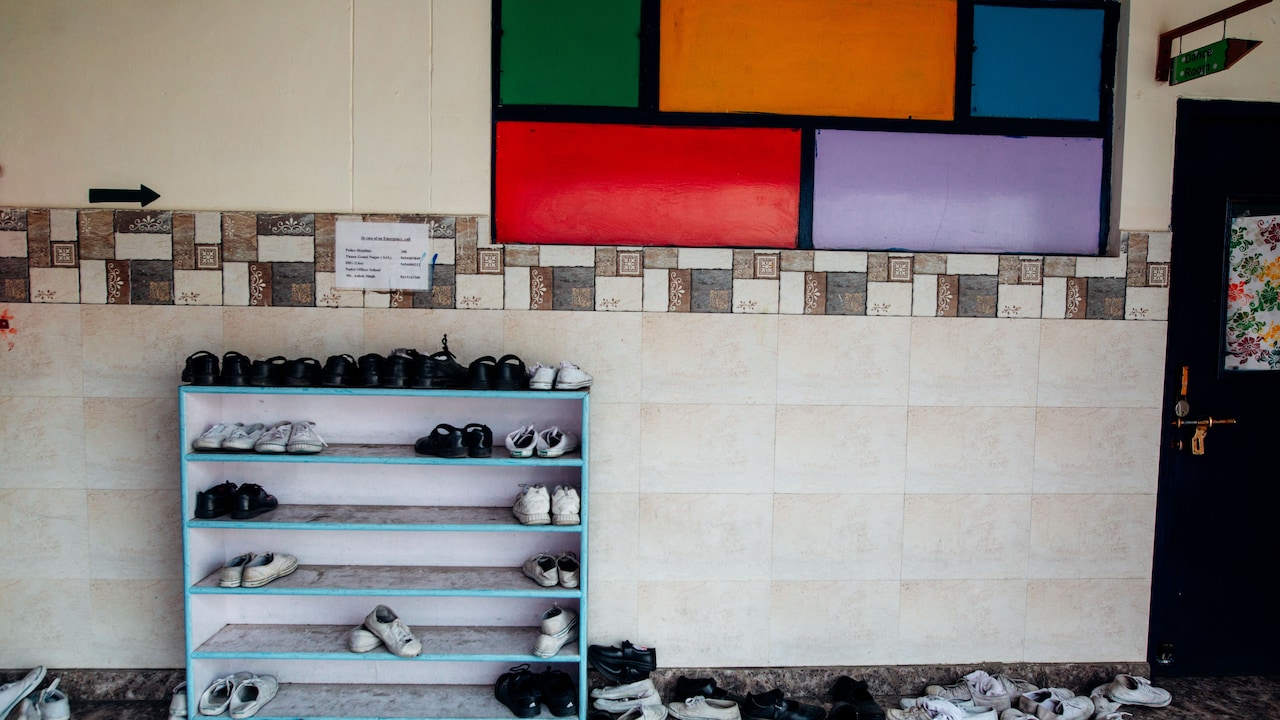
Step into any home and the story often begins at the entrance, a pile of shoes spilling out of a cramped rack, a lonely sandal hiding beneath a sneaker, and that one missing pair that never turns up on time. It feels harmless at first, even familiar. Yet beneath this everyday chaos lies a quiet pattern of neglect.
Shoes are not just accessories; they are investments, memories, and companions through crowded streets, office corridors, festive evenings, and unexpected rains. Treating them all alike inside a single storage solution often leads to avoidable wear and tear. The problem is not always the rack, the cupboard, or the space. It is the assumption that one method suits all.
Understanding how different shoe types behave, how they breathe, bend, absorb moisture, or hold shape, can completely change the way storage works. When ignored, even the most stylish collection begins to deteriorate faster than expected.
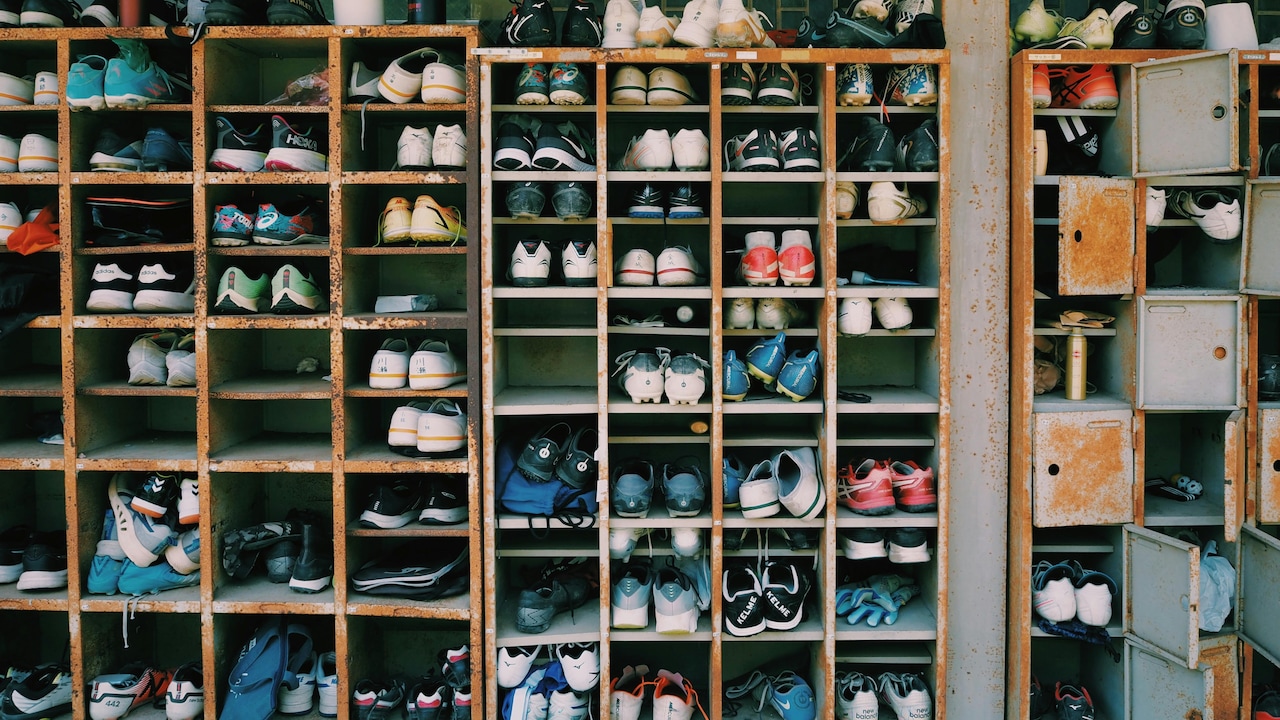
Why Shoe Storage Goes Wrong When Buyers Ignore Shoe Type; Photo Credit: Pexels
Common Shoe Storage Mistakes That Damage Different Footwear Types
Leather Shoes Lose Their Shape Without Proper Support
Leather shoes carry a certain elegance. Whether worn to the office or at formal gatherings, they reflect care and polish. Yet, when tossed into a generic rack without support, they quietly begin to lose their structure.
Leather is a natural material. It reacts to pressure, humidity, and neglect. Without shoe trees or structured compartments, the toe box collapses, creases deepen, and the surface loses its smooth finish. A ₹4,000 pair can start looking worn out in a matter of months.
Storage mistakes often stem from convenience. Sliding leather shoes under a pile or squeezing them into tight spaces feels harmless after a long day. However, this habit deprives them of the airflow they need. Over time, trapped moisture leads to odour and even mould.
A simple shift, allocating a dedicated space with enough breathing room, can preserve their life significantly. Leather thrives on attention. Ignore that, and even the finest pair begins to tell a tired story.
Also Read: Manage Monsoon Mess: 5 Top-Rated Shoe Racks Under ₹7,000 That Keep the Mud Out and Style In
Sports Shoes Trap Moisture When Stored Incorrectly
Sports shoes endure more than most footwear. From morning runs to crowded commutes, they absorb sweat, dust, and sometimes rainwater. Yet, many end up in closed cabinets immediately after use.
This is where things go wrong.
Damp trainers placed inside enclosed storage become breeding grounds for bacteria. The result is not just unpleasant odour but also deterioration of the inner lining. The cushioning breaks down faster, and the fabric weakens.
It is tempting to keep them out of sight, especially in smaller homes. However, airing them out for even a few hours before storage makes a noticeable difference. A well-ventilated rack or open shelf works far better than sealed cupboards.
Ignoring this simple need often leads to frequent replacements. Spending ₹2,500 on a new pair every few months feels unnecessary when better storage could extend their life. Sports shoes demand airflow, not confinement.
Heels And Delicate Footwear Suffer From Pressure Damage
Heels, especially those worn for weddings or celebrations, often come with delicate straps, embellishments, or slender structures. Unfortunately, they are among the most mistreated when it comes to storage.
Stacking them carelessly or placing heavier shoes on top causes subtle but lasting damage. Straps bend, embellishments loosen, and the heel structure weakens. The damage may not be visible immediately, but it shows up at the worst moment, right before an event.
These shoes are not built to endure pressure. They need space, ideally upright positioning, and sometimes even dust bags to prevent scratches. Yet, they are often squeezed into corners or buried beneath daily wear footwear.
The irony lies in their usage. Worn sparingly, these shoes should last years. Instead, poor storage shortens their lifespan dramatically. Respecting their fragility ensures they remain event-ready whenever needed.
Why Shoe Storage Goes Wrong When Buyers Ignore Shoe Type; Photo Credit: Pexels
Flip-Flops And Daily Wear Get Misplaced Without Simple Organisation
Flip-flops and daily wear sandals seem low maintenance. They are easy to slip on, easy to remove, and often inexpensive. This creates a casual attitude towards how they are stored.
They end up scattered, under beds, near doors, or tucked behind furniture. Over time, pairs get separated, soles wear unevenly, and the constant misplacement becomes a daily annoyance.
The issue is not durability but organisation. These shoes benefit from simple, accessible storage solutions. A designated lower shelf or a basic organiser keeps them visible and paired.
When ignored, the cost may seem small, but it adds up. Replacing a ₹500 pair repeatedly due to neglect feels unnecessary. More importantly, the clutter creates a sense of disarray that spills into everyday routines.
Sometimes, the simplest footwear needs the most consistent discipline.
Boots Collapse Without Vertical Storage Solutions
Boots, whether ankle-length or knee-high, present a unique challenge. Their structure demands vertical space, yet they are often forced into horizontal racks.
This leads to collapsing shafts, creased material, and permanent folds. Leather or faux leather boots, in particular, suffer when bent for long periods. Once the shape is lost, it rarely returns.
Many households avoid specialised storage due to space constraints. However, even simple solutions like stuffing boots with newspaper or using boot shapers can prevent collapse.
Ignoring this need turns stylish footwear into awkward, misshapen pieces that rarely get worn again. Considering the typical price range of ₹3,000 to ₹6,000, such damage feels avoidable.
Boots are designed to stand tall. Storage should reflect that.
Seasonal Shoes Deteriorate When Not Stored According To Climate
Certain shoes come out only during specific seasons, monsoon footwear, festive heels, or winter boots. When off-season arrives, they are often forgotten in storage.
The mistake lies in how they are stored.
Humidity, heat, and dust can silently damage unused shoes. Monsoon footwear left damp can develop mould. Festive shoes stored without protection gather dust and lose shine.
Seasonal storage requires preparation. Cleaning, drying, and placing shoes in breathable covers makes a significant difference. Adding silica gel packets or moisture absorbers helps maintain condition.
Ignoring climate impact leads to unpleasant surprises when the season returns. Shoes that once looked perfect may appear worn or unusable.
Proper storage ensures they are ready when needed, not a disappointment waiting to happen.
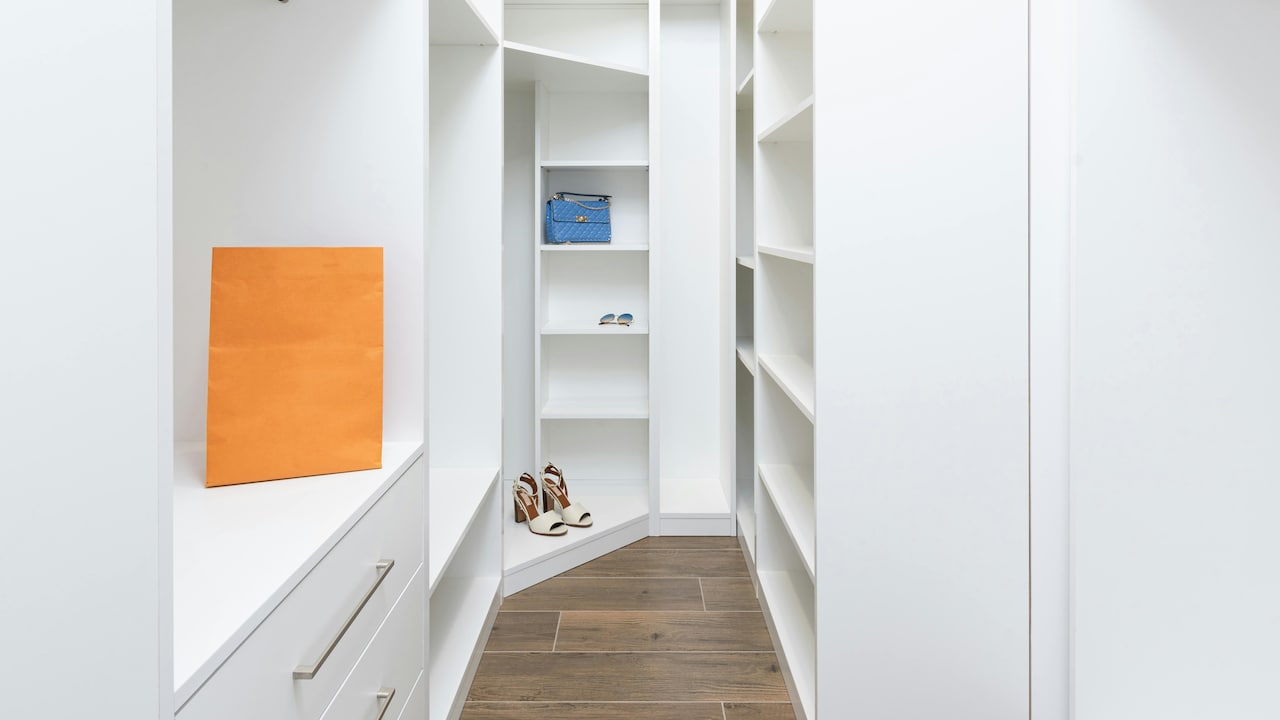
Why Shoe Storage Goes Wrong When Buyers Ignore Shoe Type; Photo Credit: Pexels
Children's Shoes Get Damaged Due To Frequent Mixing And Mishandling
Children's shoes have a short life cycle. They are outgrown quickly, used intensely, and often handled carelessly. Storage plays a crucial role in extending their usability.
When mixed with adult footwear, smaller shoes get crushed or misplaced. Velcro straps weaken, soles bend, and pairs get separated easily.
Creating a separate section for children's footwear helps maintain order. It also encourages responsibility, as children learn to place their shoes properly.
Given how often these need replacing, even a slight extension in lifespan saves money. Spending ₹1,000 repeatedly on replacements adds up over time.
More importantly, organised storage reduces daily chaos, especially during rushed mornings.
Office Footwear Wears Out Faster Without Rotation-Friendly Storage
Office shoes often follow a routine, worn daily, stored quickly, and reused without much thought. This repetitive cycle accelerates wear.
Without proper storage, these shoes do not get enough time to recover from moisture and pressure. Leather stiffens, soles weaken, and comfort reduces.
Rotation-friendly storage, where multiple pairs are easily accessible, encourages alternating use. This simple habit extends lifespan significantly.
However, cramped racks make rotation inconvenient. As a result, the same pair gets overused while others remain untouched.
Considering the importance of appearance in professional settings, worn-out shoes can affect overall presentation. Investing in better storage supports both durability and confidence.
Traditional Footwear Requires Special Care Often Overlooked
Traditional footwear, often worn during festivals or ceremonies, carries intricate designs and delicate materials. Despite their beauty, they are rarely stored with care.
Embellishments loosen, fabrics fade, and soles weaken when stored improperly. These shoes often come at a higher cost, sometimes ₹5,000 or more, making damage particularly frustrating.
They need soft storage solutions, protection from dust, and minimal stacking. Yet, they are frequently placed alongside everyday footwear without distinction.
This oversight reduces their lifespan and diminishes their charm. Proper care ensures they remain as striking as the day they were bought.
Improper Storage Leads To Clutter And Daily Frustration
Beyond damage, ignoring shoe type creates an everyday problem, clutter. A mismatched storage system leads to overcrowding, misplaced pairs, and constant searching.
The morning rush becomes more stressful when shoes cannot be found easily. Even a well-designed home feels chaotic when the entrance area lacks order.
This issue goes beyond aesthetics. It affects routines, mood, and even time management. Spending extra minutes searching for a missing shoe adds unnecessary pressure to already busy days.
A thoughtful approach to storage, tailored to different shoe types, brings clarity and ease. It transforms a messy corner into a functional space.
Sometimes, the biggest benefit is not preservation but peace of mind.
Products Related To This Article
1. HomeStrap Plastic Clear Multi Bins
2. Parssufy Shoe Storage Box, Shoe Organizer for Closet
3. AYSIS Premium Modular Plastic Shoe Rack for Home with Door
4. BOXJOY BJFZ0016-5 Shelf Shoe Rack Box Organizer
5. Zemic Plastic Shoe Rack for Home
Shoe storage often seems like a minor detail, tucked away in the background of daily life. Yet, it quietly influences both the longevity of footwear and the flow of everyday routines.
Ignoring shoe type leads to a chain of small mistakes, creased leather, damp trainers, damaged heels, and misplaced pairs. Each issue may seem insignificant on its own, but together they create unnecessary expense and frustration.
A mindful approach changes everything. Recognising that each type of shoe has its own needs allows storage to become purposeful rather than chaotic. It does not require expensive solutions, only thoughtful choices.
In the end, shoes carry more than footsteps. They carry stories, occasions, and comfort through countless moments. Storing them well is not just about organisation, it is about respect for the role they play in everyday life.
(Disclaimer: This article may include references to or features of products and services made available through affiliate marketing campaigns. NDTV Convergence Limited (“NDTV”) strives to maintain editorial independence while participating in such campaigns. NDTV does not assume responsibility for the performance or claims of any featured products or services.)






![Steam Iron Teflon Shoe Cover for ES-300,ST-96 [Only For ES-300 and ST-96 Model Electric Steam Irons]](https://m.media-amazon.com/images/I/51wwkttondL._SL160_.jpg)