Find Out Why Comforters Overheat and How to Pick Better Cooling Sleep Options
Many comforters trap heat and disrupt sleep, especially in warm climates. Discover why this happens and how to choose breathable, cooling bedding that keeps nights comfortable and sweat-free.

Sleeping Too Hot? Discover Why Comforters Overheat And How To Pick Cooling Bedding.
Sleep often feels like a small luxury after a long day filled with traffic jams, deadlines, and endless phone notifications. A comfortable bed should feel like a calm escape. Yet many people climb under a thick comforter expecting bliss and wake up hours later, kicking it aside, searching for cooler air.
Overheating during sleep remains surprisingly common. Heavy comforters trap warmth, restrict airflow, and turn a pleasant night into a sweaty battle with blankets. In warm climates, where humidity already sits high in the air, the wrong bedding worsens the problem.
The irony lies in the design of many comforters. They aim to retain warmth, which works wonderfully during cold winter nights in hill stations. However, in cities where nights stay warm most of the year, these same comforters behave like insulation panels.
Comfortable sleep relies heavily on temperature balance. The body naturally cools down during the night to support deeper sleep cycles. Bedding that blocks heat interferes with this process and leads to restless tossing.
Understanding why comforters overheat helps sleepers make smarter bedding choices. From materials and fillings to weave patterns and bedroom ventilation, several factors shape the cooling performance of bedding. With the right knowledge, finding a comforter that feels light, breathable, and comfortable becomes much easier.

Find Out Why Comforters Overheat And How To Pick Better Cooling Options
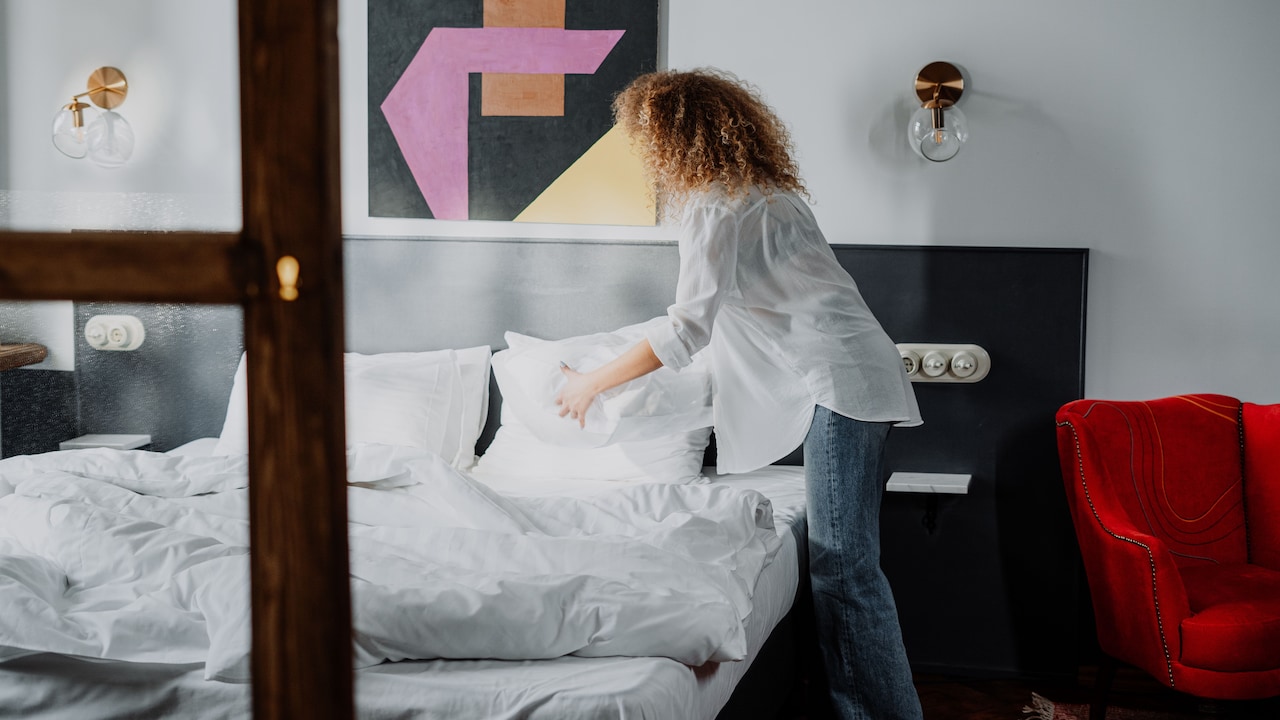
Photo Credit: Pexels
Understanding Why Comforters Trap Heat At Night
Heavy Fill Materials Trap Heat
Many comforters overheat because of the materials stuffed inside them. Synthetic fillings such as polyester often dominate budget bedding. These fibres hold warmth effectively but struggle to release it. The result feels similar to wearing a thick jacket indoors.
Polyester gained popularity because it costs less and lasts longer. Shops across cities often stock shelves with these options since they appeal to buyers looking for affordability. A comforter priced at ₹900 may seem like a bargain, but the trade-off often appears during sleep.
Natural materials behave very differently. Cotton, bamboo fibre, and certain wool blends allow air to move freely through the layers. Instead of locking heat inside, they help regulate temperature throughout the night.
Consider a typical summer evening when the ceiling fan spins steadily, but the room still feels warm. A polyester comforter quickly traps body heat, turning the bed into a warm pocket of air. Breathable materials allow warmth to escape instead.
The filling plays a far greater role than most shoppers realise. While the outer fabric may feel soft and smooth in the shop, the internal stuffing determines whether sleep remains cool or uncomfortable.
Choosing lighter fillings designed for airflow helps maintain balance. Bedding labelled as breathable or temperature-regulating often contains fibres engineered to prevent heat buildup.
Poor Airflow From Dense Fabric Weaves
Fabric weave determines how easily air moves through a comforter. Many bedding products feature tightly woven fabrics that feel smooth and luxurious at first touch. Unfortunately, this same tight weave restricts airflow and traps heat beneath the blanket.
High thread count bedding often carries an image of luxury. Shop assistants proudly mention numbers like 800 or even 1000 thread count. While such fabrics look premium, they tend to block ventilation. The comforter begins to behave like a sealed layer around the body.
A lighter weave creates tiny spaces between fibres. These spaces allow heat to escape and cooler air to circulate. Bedding made with breathable cotton percale or bamboo blends usually performs better in warmer climates.
The difference becomes noticeable within minutes of lying down. Dense fabrics trap warmth quickly, while breathable fabrics allow gradual airflow. This airflow prevents overheating during deeper sleep cycles.
Fabric technology has improved significantly over recent years. Many bedding brands now design fabrics specifically for airflow. Micro-perforated weaves and moisture-wicking materials help maintain a cooler sleep surface.
When selecting bedding, the feel of the fabric alone cannot reveal airflow performance. Looking at the weave type provides a clearer picture of how the comforter behaves through the night.
Thick Comforters Designed For Cold Climates
Many comforters sold in large retail stores originate from colder regions. These products often target winter use, where insulation becomes essential. In warmer environments, they quickly become overwhelming.
Shoppers frequently choose thick comforters simply because they appear luxurious. A fluffy, oversized blanket feels inviting inside a brightly lit store. However, that same comforter becomes far too warm once night arrives.
Seasonal bedding works best in climates with extreme winters. Mountain towns with chilly nights benefit from heavy comforters that retain warmth. In contrast, most cities experience mild winters and warm nights for much of the year.
Using a thick winter comforter during warm nights forces the body to struggle with heat retention. Sleep becomes interrupted as the body attempts to regulate temperature.
Lighter comforters provide a more practical solution. These versions feature reduced filling and thinner fabric layers. They still offer comfort but avoid the overheating associated with heavy winter bedding.
Some bedding collections now feature “all-season” options. These designs aim to balance insulation and breathability. The goal lies in providing gentle warmth without trapping excessive heat.
Understanding seasonal suitability helps prevent the common mistake of choosing bedding purely based on appearance.
Lack Of Moisture-Wicking Properties
Sweat plays an important role in regulating body temperature during sleep. When bedding fails to manage moisture properly, discomfort increases quickly. Many comforters absorb sweat but fail to release it efficiently.
Synthetic fabrics often hold moisture against the skin. This creates a damp, sticky sensation that disrupts sleep. Over time, trapped moisture also contributes to unpleasant odours and bacterial buildup.
Moisture-wicking fabrics behave differently. They draw sweat away from the body and allow it to evaporate quickly. This process helps maintain a dry and comfortable sleep environment.
Bamboo fabric, cotton blends, and certain performance textiles excel at moisture management. These materials spread moisture across a larger surface area, speeding up evaporation.
Anyone who has slept during humid monsoon nights understands the challenge. Even with a fan running, moisture can build up under thick bedding. A comforter lacking moisture-wicking ability worsens the situation dramatically.
Choosing fabrics designed for sweat control helps maintain consistent comfort. The bed feels fresher, cooler, and far more inviting throughout the night.
Bedroom Climate Plays A Major Role
The bedroom environment influences bedding comfort more than most people realise. A well-ventilated room allows heat to escape naturally. Poor ventilation, however, traps warm air and increases overheating.
Rooms facing direct sunlight often remain warm long after sunset. Thick walls absorb heat during the day and release it slowly through the evening. Adding a heavy comforter on top of this warmth rarely ends well.
Airflow improves significantly with cross ventilation. Windows placed opposite each other allow fresh air to move through the room. Ceiling fans also help disperse trapped heat around the bed.
Air conditioning solves the issue instantly, but comes with higher electricity costs. Running an AC unit nightly can easily add ₹2,000 or more to a monthly electricity bill, depending on usage.
For households trying to reduce energy costs, breathable bedding becomes essential. A cooling comforter paired with proper ventilation often removes the need for constant air conditioning.
Sleep quality improves dramatically when the bedroom environment supports temperature regulation.
Body Temperature Naturally Drops During Sleep
The human body follows a natural temperature cycle linked to circadian rhythms. As bedtime approaches, core body temperature begins to drop slightly. This cooling signals the brain that it is time to rest.
Heavy comforters interfere with this natural process. Instead of allowing the body to cool gradually, they trap warmth and disrupt the sleep cycle. The brain responds by waking the body briefly to restore balance.
This pattern explains why many people wake up in the middle of the night feeling too warm. The body attempts to release excess heat, often resulting in restless movements or kicking off blankets.
Lightweight bedding supports the body's cooling process rather than resisting it. Breathable fabrics allow heat to dissipate gradually throughout the night.
Temperature-regulating comforters work particularly well for people who tend to sleep warm. These designs balance warmth and airflow, creating a stable sleeping environment.
Understanding the body's natural rhythm helps explain why cooling bedding often improves sleep quality dramatically.
Mattress And Bedding Layers Add Extra Heat
Comforters rarely act alone in creating overheating. Mattresses, mattress protectors, and sheets all contribute to overall heat retention. Several layers combined can easily trap warmth.
Memory foam mattresses, for example, tend to retain heat. When paired with thick bedding, the heat buildup increases significantly. The sleeper becomes surrounded by insulating layers from both below and above.
Mattress protectors made from plastic-based materials further reduce airflow. While they protect against spills and stains, they also block ventilation.
Bedsheets also influence temperature control. Lightweight cotton sheets allow airflow, while heavy satin or polyester sheets hold heat.
The entire bedding system must work together to maintain comfort. A cooling comforter alone cannot solve overheating if the mattress and sheets trap warmth underneath.
Balancing breathable layers across the bed helps create a cooler sleep environment.
Marketing Labels Can Be Misleading
Bedding labels often promise cooling performance, but not all claims reflect real results. Words like “luxury,” “premium,” and “ultra-soft” appear frequently on packaging. Unfortunately, these terms reveal little about breathability.
Some comforters labelled as cooling rely on marketing rather than genuine technology. The product may still contain dense polyester fillings that trap heat.
Shoppers often assume a higher price guarantees better performance. While quality bedding may cost ₹3,000 or more, price alone does not guarantee cooling ability.
Checking material composition offers better insight. Natural fibres and specialised cooling fabrics provide more reliable performance than vague marketing claims.
Retail lighting and packaging often create a strong first impression. However, comforters reveal their true nature only during sleep.
Reading fabric details and understanding materials helps buyers avoid common mistakes.
Lightweight Designs Offer Better Temperature Control
Cooling comforters focus on lightweight construction rather than heavy insulation. These designs rely on airflow and moisture control instead of thick layers.
Modern bedding brands experiment with innovative fibre structures. Some comforters contain hollow fibres that allow air circulation inside the filling. Others combine breathable fabrics with minimal stuffing to prevent heat buildup.
The result feels surprisingly comfortable. Instead of feeling heavy, the comforter drapes gently across the body while allowing heat to escape.
Lightweight bedding also adapts well across seasons. During cooler nights, it provides enough warmth without becoming overwhelming.
Sleep often improves dramatically after switching from heavy bedding to a breathable comforter. The bed feels fresh rather than suffocating.
Choosing lighter designs often proves the simplest solution to overheating.

Find Out Why Comforters Overheat And How To Pick Better Cooling Options
Photo Credit: Pexels
Choosing The Right Cooling Comforter Matters
Selecting the right comforter requires careful attention to materials, weight, and airflow. Natural fibres such as cotton or bamboo typically offer better breathability than synthetic alternatives.
Weave style, filling type, and moisture-wicking ability all influence cooling performance. Comforters designed specifically for warm climates tend to feature thinner layers and breathable fabrics.
Bedroom conditions should also guide the choice. A room with limited ventilation benefits greatly from lightweight bedding.
Budget options exist as well. Quality cooling comforters range widely in price, with many reliable options available between ₹1,500 and ₹4,000, depending on fabric and brand.
Investing in breathable bedding often improves sleep quality more than expensive gadgets or sleep aids.
Comfortable sleep begins with the simple decision to choose bedding that supports the body's natural temperature balance.
Products Related To This Article
1. AYKA Printed Reversible Comforter 150 GSM Microfiber Reversible AC Comforter
2. King Size Comforter for Winter 92x106 Inch
3. Amazon Brand - Solimo Microfibre Reversible Comforter
4. COZY FURNISH Summer Single Bed Blanket 144x220CM
5. Luxury Ultrasonic Punch AC Comforter Blanket
6. VAS COLLECTIONS 220 GSM Microfiber Reversible AC Comforter
7. Reversible AC Comforter for Single Bed Roz use karne wala Blanket Quilt Blanket for Summer & AC Rooms
Comforters promise warmth and comfort, yet the wrong choice can easily lead to overheating and restless nights. Thick fillings, dense fabrics, and poor moisture control often trap heat beneath the blanket.
Understanding how materials, fabric weave, and bedroom conditions affect sleep temperature makes a significant difference. Breathable fabrics, lightweight designs, and moisture-wicking properties help maintain balance throughout the night.
Cooling comforters allow the body to follow its natural rhythm, releasing excess heat and settling into deeper sleep cycles. The bed becomes a place of genuine relaxation rather than a source of midnight frustration.
A thoughtful bedding choice transforms sleep quality dramatically. Instead of waking up searching for cooler air, sleepers enjoy consistent comfort from dusk to dawn.
Sometimes, the secret to better sleep lies not in expensive mattresses or complicated gadgets, but simply in choosing the right comforter.
(Disclaimer: This article may include references to or features of products and services made available through affiliate marketing campaigns. NDTV Convergence Limited (“NDTV”) strives to maintain editorial independence while participating in such campaigns. NDTV does not assume responsibility for the performance or claims of any featured products or services.)







![Steam Iron Teflon Shoe Cover for ES-300,ST-96 [Only For ES-300 and ST-96 Model Electric Steam Irons]](https://m.media-amazon.com/images/I/51wwkttondL._SL160_.jpg)