What Makes Some Blankets Feel Heavy Even When They Don't Provide Warmth
Some blankets feel heavy yet never warm you up. The reason lies in fabric density, weave, and design choices that create comforting weight without trapping heat.

Check Out The Real Reason Some Blankets Feel Heavy Without Providing Warmth.
A blanket usually promises comfort. It suggests warmth, rest, and the familiar feeling of settling in after a long day. Yet some blankets break that expectation. They feel dense and grounding but do little to chase away a chill. This often leads to confusion. How can something feel so heavy and still stay cool?
The answer does not sit in one place. It spreads across fabric choices, weaving styles, fillings, and even the way the human body responds to pressure. Climate also plays a role. In regions where winters stay gentle, and summers linger with humidity, comfort often means breathability rather than heat. Many homes choose blankets that calm the body without raising the temperature.
This article unpacks that curious contrast. It looks at how texture, structure, and psychology shape the sensation of heaviness. It also draws from everyday scenes, like afternoon naps under a cotton razai or quiet evenings with the fan humming overhead. The goal stays simple: to explain why weight and warmth do not always travel together.

What Makes Some Blankets Feel Heavy Even When They Don't Provide Warmth; Photo Credit: Pexels
Why Weight and Warmth Don't Always Go Hand in Hand
1. Fabric Density Versus Thermal Insulation
Heaviness often comes from density, not insulation. A tightly packed fabric weighs more because its fibres sit close together. Cotton, bamboo, and certain blends create this effect. They drape firmly over the body, giving a sense of substance. Yet these fibres breathe well. Air passes through them easily, which prevents heat from building up.
Warmth depends on trapped air. Wool and fleece hold tiny pockets of air that slow heat loss. Dense cotton lacks this ability. It feels solid but stays cool, even during long use. Many summer blankets rely on this balance. They comfort without causing sweat.
Think of a thick cotton bedsheet folded twice. It feels heavy in the hands but stays cool against the skin. The same principle works in blankets. Weight comes from material mass. Warmth comes from air retention. When a blanket favours mass over trapped air, it offers pressure without heat.
2. The Role Of Weaving and Stitching
The way fabric is woven shapes how a blanket behaves. Tight weaves add weight and strength. Loose weaves add softness and warmth. A blanket with dense stitching often feels heavier because more thread runs through each square inch.
Traditional weaving methods often focus on durability. These blankets survive years of washing and daily use. They feel substantial when spread out. Yet the close weave allows heat to escape. Air moves freely across the surface.
Quilted patterns also matter. Some designs spread the weight evenly without adding insulation. The stitches compress the fabric, which reduces loft. Less loft means less warmth. The blanket presses down gently but stays breathable.
This explains why some handloom blankets feel weighty yet cool. They showcase craftsmanship rather than insulation. The comfort comes from touch and texture, not heat.
Also Read: Top 5 Cosy Blankets Starting At ₹500 On Myntra Right To Fashion Sale
3. Natural Fibres That Stay Cool
Certain fibres carry a natural cooling effect. Cotton stands at the top of that list. It absorbs moisture and releases it quickly. This keeps the surface dry and cool. Bamboo and linen behave in a similar way.
These fibres often feel heavier because they absorb moisture from the air. During humid months, a cotton blanket can gain slight weight. Yet it still feels cool against the skin. This suits warm nights when a fan or air cooler runs softly in the background.
Warm fibres behave differently. Wool repels moisture and traps heat. Synthetic fleece does the same. Natural cooling fibres avoid that trap. They ground the body without raising the temperature.
Many households prefer these materials for everyday use. They suit changing seasons and offer comfort without discomfort. The weight reassures. The coolness refreshes.
4. Fillings That Add Pressure Without Heat
Some blankets contain fillings designed for weight rather than warmth. Microbeads, sand-like pellets, or dense cotton batting add heft. These fillings spread evenly and create a gentle downward pressure.
This design draws inspiration from weighted blankets. The pressure helps the body relax. It signals safety and calm. Yet the filling materials do not trap much air. Heat escapes easily, which keeps the blanket cool.
Such blankets work well during warmer months. They offer the soothing effect of weight without overheating. Many people enjoy them during afternoon rests or while reading in the evening.
The sensation feels similar to lying under a stack of thin sheets. Each layer adds weight. None adds warmth. Together, they create comfort through presence rather than heat.
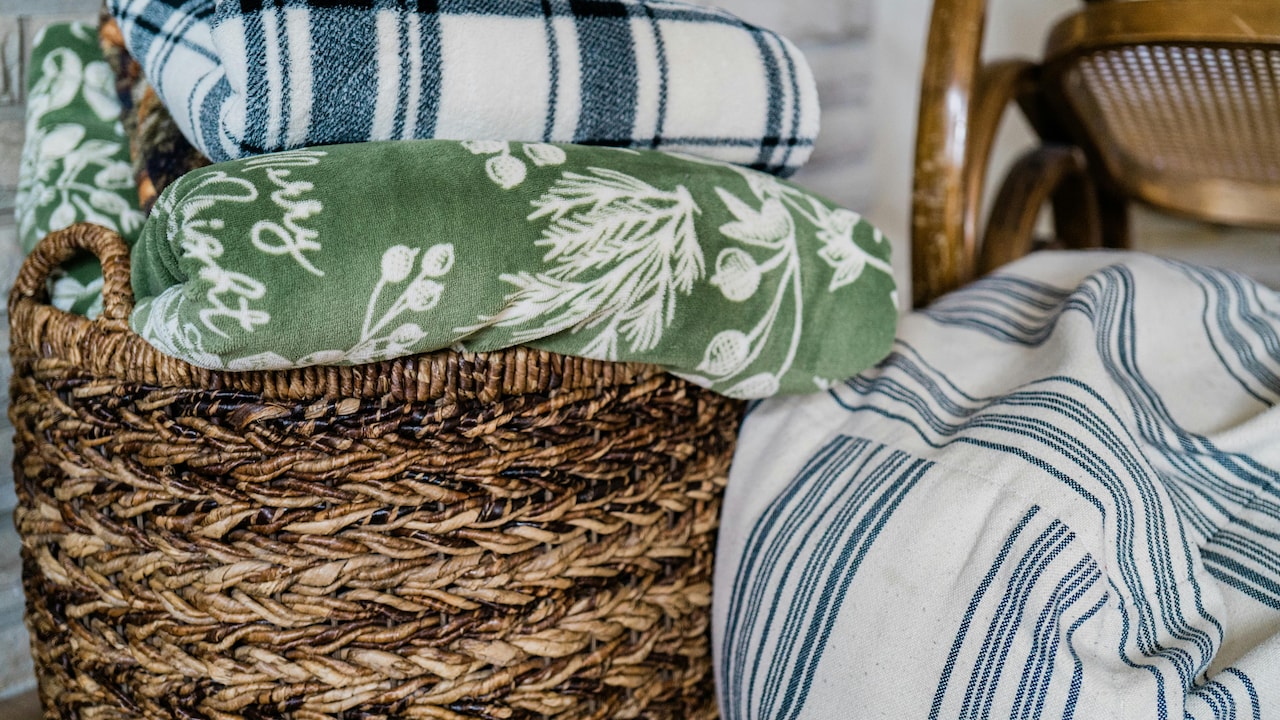
What Makes Some Blankets Feel Heavy Even When They Don't Provide Warmth; Photo Credit: Pexels
5. The Psychology of Heaviness
Heaviness does more than press on the body. It influences the mind. A weighted sensation often feels secure. It mimics the comfort of a firm hug or the familiar weight of a parent's hand resting on a shoulder.
This emotional response does not depend on warmth. The brain responds to pressure through deep touch stimulation. This can lower stress and slow the heart rate. The blanket feels comforting even when the air stays cool.
This explains why some people reach for a heavy blanket during summer storms or anxious moments. The comfort comes from sensation, not temperature.
Cultural habits also shape this response. Many households grow up sleeping under layers, even in mild weather. The body learns to associate weight with rest. Warmth becomes secondary.
6. Climate and Everyday Living
Local climate shapes blanket choices. In regions with long summers and short winters, warmth often feels excessive. Nights stay warm. Humidity lingers. A heavy but breathable blanket suits these conditions.
Ceiling fans and open windows keep air moving. A thick woollen blanket would feel suffocating. A dense cotton one feels just right. It settles on the body without trapping heat.
Daily routines also matter. Afternoon naps, early mornings, and late-night conversations all call for light comfort. A cool, heavy blanket fits into these moments with ease.
This balance explains why many homes store warm blankets for a few weeks each year. The rest of the time, heavier cool blankets take centre stage.
7. Manufacturing Choices and Cost
Blanket design often reflects cost considerations. Insulating materials cost more. Wool, specialised synthetics, and advanced thermal fillings raise prices. Dense cotton and simple weaves cost less to produce.
A heavy cotton blanket might cost around ₹1,500 to ₹3,000. A high-quality woollen blanket can cost ₹6,000. Many households choose value and versatility over seasonal warmth.
Manufacturers respond to this demand. They create blankets that feel premium through weight and texture rather than heat. The result feels satisfying without breaking the budget.
This approach also suits gifting traditions. A heavy blanket feels substantial and thoughtful. Warmth remains optional.

What Makes Some Blankets Feel Heavy Even When They Don't Provide Warmth; Photo Credit: Pexels
8. Maintenance and Longevity
Heavier cool blankets often last longer. Cotton and similar fibres handle frequent washing well. They dry quickly and resist odours. Warm insulating blankets need careful handling. Improper washing can damage fibres and reduce warmth.
This practical advantage influences buying decisions. A blanket used daily needs to survive spills, dust, and regular cleaning. Heavier breathable blankets meet that need.
Their weight also improves drape. They stay in place on the bed. They do not bunch up or slide off easily. This adds to the feeling of comfort and quality.
Over time, the blanket softens without losing structure. The weight remains. The cool touch stays familiar.
9. Cultural Comfort and Habit
Comfort habits form early. Many families grow up using cotton razais, thin quilts, or layered sheets. These provide weight without heat. The body adapts to that sensation.
During travel or hotel stays, a light duvet may feel strange. It lacks the familiar pressure. Even if it feels warm, it may not feel comforting.
This preference passes through generations. Heaviness signals rest. Warmth becomes a bonus rather than a requirement.
Festive seasons also influence this choice. Guests often receive blankets as gifts. A heavy blanket feels generous and useful across seasons.
10. The Balance Between Touch and Temperature
Ultimately, blankets serve more than one purpose. They regulate temperature. They also provide sensory comfort. Some designs focus more on one than the other.
A heavy blanket that stays cool focuses on touch. It reassures through pressure and presence. It suits climates, habits, and daily routines where warmth feels unnecessary.
This balance explains the enduring popularity of such blankets. They adapt. They comfort without overwhelming. They stay relevant across seasons.
Understanding this difference helps in choosing wisely. Not every heavy blanket promises warmth. Some simply promise rest.
Products Related To This Article
1. Sangria Yellow & White Printed 150 GSM Single Quilt
2. haus & kinder Comfy Flip Solid Reversibe 120 GSM Single Comforter
3. Cortina Grey Geometric AC Room 210 GSM Single Bed Blanket
4. Home Ecstasy Beige & White 150 GSM AC Room Cotton Single Bed Comforter
5. Arrabi Green Mild Winter 400 GSM Blanket
6. LA VERNE Pink & White Heavy Winter 500 GSM Double Bed Blanket
7. bsb home Red Fleece AC Room 300 GSM Single Bed Blanket
A blanket's weight does not guarantee warmth. Heaviness often comes from dense fabrics, tight weaves, and thoughtful design. Warmth relies on trapped air and insulation. When a blanket favours breathability, it stays cool despite its weight.
This distinction matters in everyday life. It explains why some blankets feel perfect on humid nights or during mild winters. They ground the body without causing discomfort. They offer calm rather than heat.
Comfort remains deeply personal. Some seek warmth. Others seek pressure and familiarity. Knowing how blankets work helps match choice with need. In the end, the best blanket feels right the moment it settles in place, heavy or light, warm or cool.
(Disclaimer: This article may include references to or features of products and services made available through affiliate marketing campaigns. NDTV Convergence Limited (“NDTV”) strives to maintain editorial independence while participating in such campaigns. NDTV does not assume responsibility for the performance or claims of any featured products or services.)









![Steam Iron Teflon Shoe Cover for ES-300,ST-96 [Only For ES-300 and ST-96 Model Electric Steam Irons]](https://m.media-amazon.com/images/I/51wwkttondL._SL160_.jpg)