The Real Reasons Carpets Lose Their Shape and What To Look For Instead
Some carpets lose their softness within months. This article explains why carpets flatten quickly and how to choose materials, fibres, and construction that last longer.
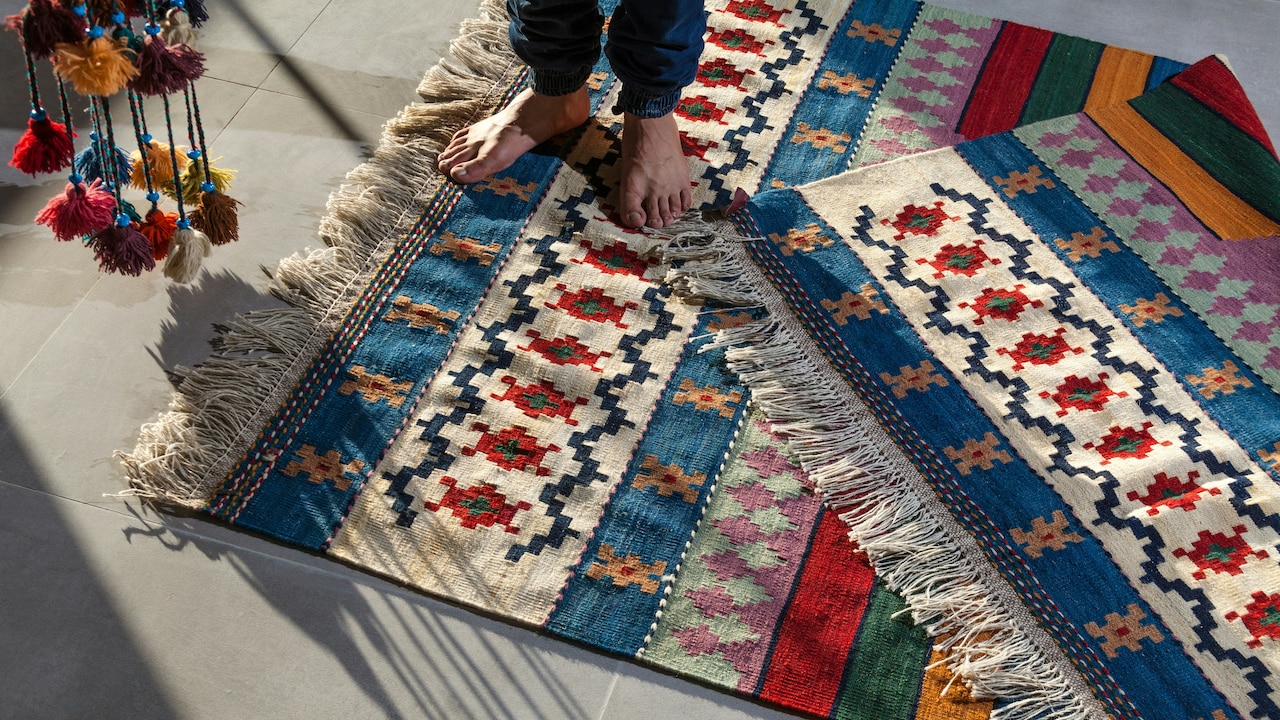
Here Is Why Some Carpets Flatten Quickly And What To Look For Instead | All Points Explained In Brief.
Buying a carpet feels simple until it isn't. The shop lights make every roll look luxurious. Fingers sink into soft piles. The salesperson talks about discounts, colours, and “premium quality”. A few months later, reality sets in. The carpet looks crushed near the sofa set, dull along walkways, and stubbornly flat no matter how much it gets brushed or vacuumed.
This problem shows up in homes, offices, rented flats, and even newly built houses. It causes frustration because carpets do not come cheaply. A decent one can easily cost ₹150 to ₹300 per square foot, sometimes more. No one enjoys spending that kind of money only to feel short-changed.
Carpets flatten quickly for specific reasons. Some are hidden in materials. Others lie in construction, lifestyle choices, or climate. Understanding these factors makes all the difference. The good news? Flattening is not inevitable. With the right knowledge, it becomes easy to choose carpets that age gracefully and still feel good underfoot long after the novelty fades.
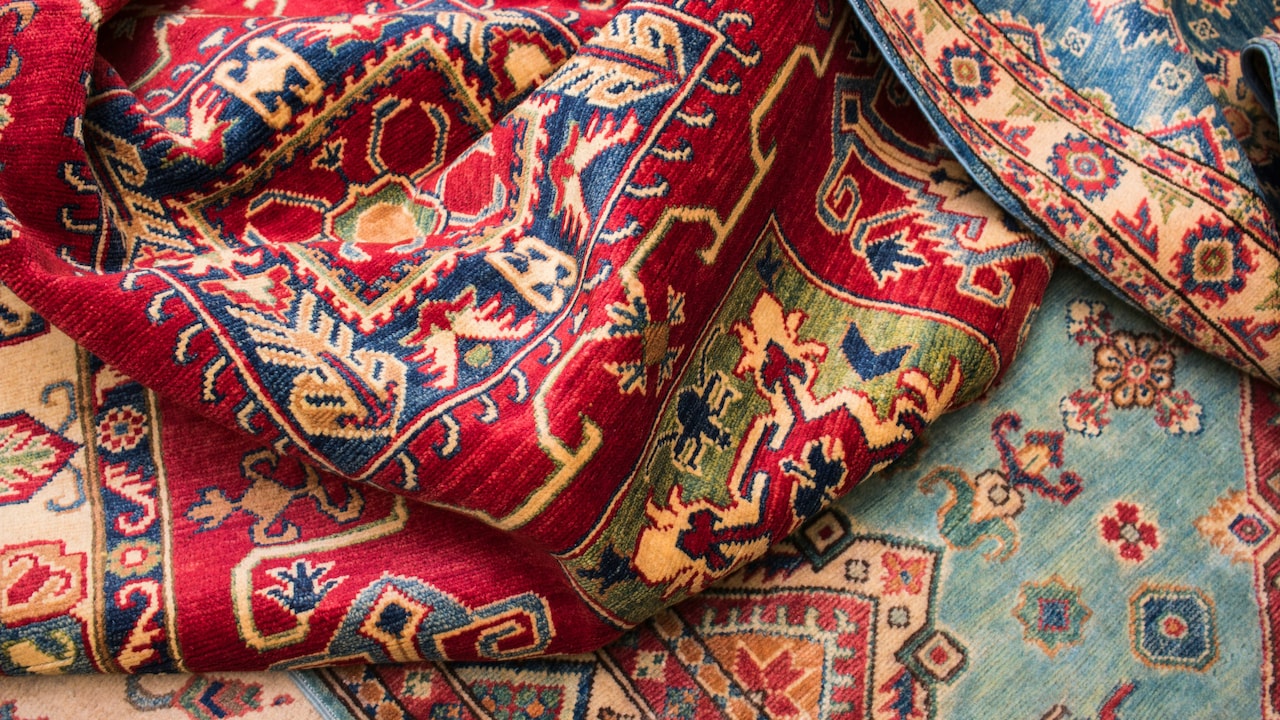
Why Some Carpets Flatten Quickly And What To Look For Instead; Photo Credit: Pexels
Understanding What Causes Carpets To Flatten Faster Than Expected
1. Low-Density Fibres Lose the Battle Early
Density matters more than most people realise. Many carpets feel thick because of long fibres, not because they are dense. When fibres sit loosely packed, they bend and stay down after pressure. Think of it like a crowded local train versus an empty one. People in a crowded coach stay upright because there is support on all sides.
Low-density carpets flatten quickly in high-use areas. Living rooms, corridors, and bedrooms near wardrobes suffer first. After daily walking, fibres spread apart and stop bouncing back.
A quick test helps. Press fingers firmly into the carpet and release. Dense carpets spring back fast. Loose ones leave a visible mark. Always check the number of tufts per square inch rather than relying on softness alone. Dense carpets cost more upfront but save money over time by staying attractive and functional.
2. Cheap Backing Means Weak Support
The backing of a carpet works like the foundation of a house. It holds everything together. Many budget carpets use thin latex or poor-quality synthetic backing. Over time, this backing breaks down, especially in warm and humid weather.
When backing weakens, fibres lose their anchor. They lean sideways, collapse, and refuse to stand up again. Even the best yarn cannot perform well without a solid backing beneath it.
Look for carpets with sturdy primary and secondary backing. Woven or high-quality action backing adds strength. It helps fibres stay upright and evenly spaced. Strong backing also improves carpet life when furniture gets moved or when deep cleaning happens. A carpet that feels heavy and firm underneath often signals better construction.
Also Read: Budget Home Makeover: 15 Stunning Carpets Starting from ₹999 for Instant Style
3. Long Pile Looks Luxurious but Ages Faster
Shaggy and long-pile carpets create instant drama. They look plush in showrooms and photographs. However, they flatten faster than most people expect. Long fibres bend easily and struggle to recover after pressure.
In homes with children, pets, or frequent guests, long-pile carpets show wear quickly. Walkways become visible. Furniture leaves deep dents. Even vacuuming struggles to lift fibres fully.
Shorter pile carpets offer better resilience. They maintain shape, handle traffic, and still feel comfortable. Cut-and-loop or textured styles strike a good balance between softness and durability. Long pile suits low-traffic rooms like guest bedrooms, not everyday living spaces.
4. Poor Yarn Twist Leads to Tired Carpets
Yarn twist plays a quiet but powerful role. Fibres twist together during manufacturing. Tight twists create strength and elasticity. Loose twists unravel under pressure and flatten sooner.
Many carpets look fluffy because of loosely twisted yarn. That fluff disappears quickly. After that, the fibres look thin and worn.
Check yarn twist by bending a sample backwards. If individual fibres separate easily, the twist remains weak. A tighter twist resists separation and lasts longer. Frieze carpets, with their tightly twisted yarn, often perform better in busy households. They hide footprints and bounce back after daily use.
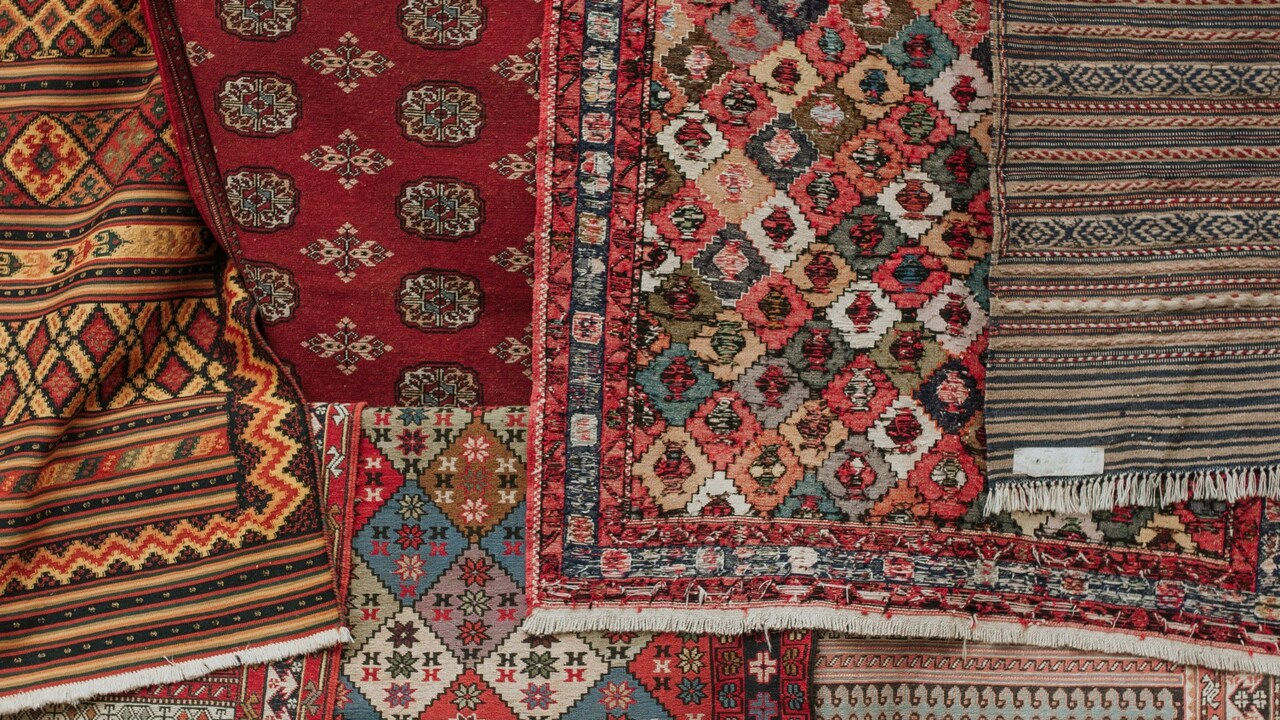
Why Some Carpets Flatten Quickly And What To Look For Instead; Photo Credit: Pexels
5. Wrong Fibre Choice for Daily Life
Not all fibres behave the same. Some handle pressure better than others. Polypropylene carpets attract buyers due to their low cost and stain resistance. However, these fibres crush easily and struggle to recover.
Nylon remains one of the most resilient carpet fibres. It springs back after compression and handles heavy use well. Wool offers natural elasticity and comfort, though it needs proper care and comes at a higher price.
Choosing fibre based on room function matters. Bedrooms can handle softer fibres. Living rooms and halls need resilience. Spending extra ₹100 to ₹150 per square foot on better fibre often doubles the carpet's lifespan.
6. Furniture Weight and Placement Matter
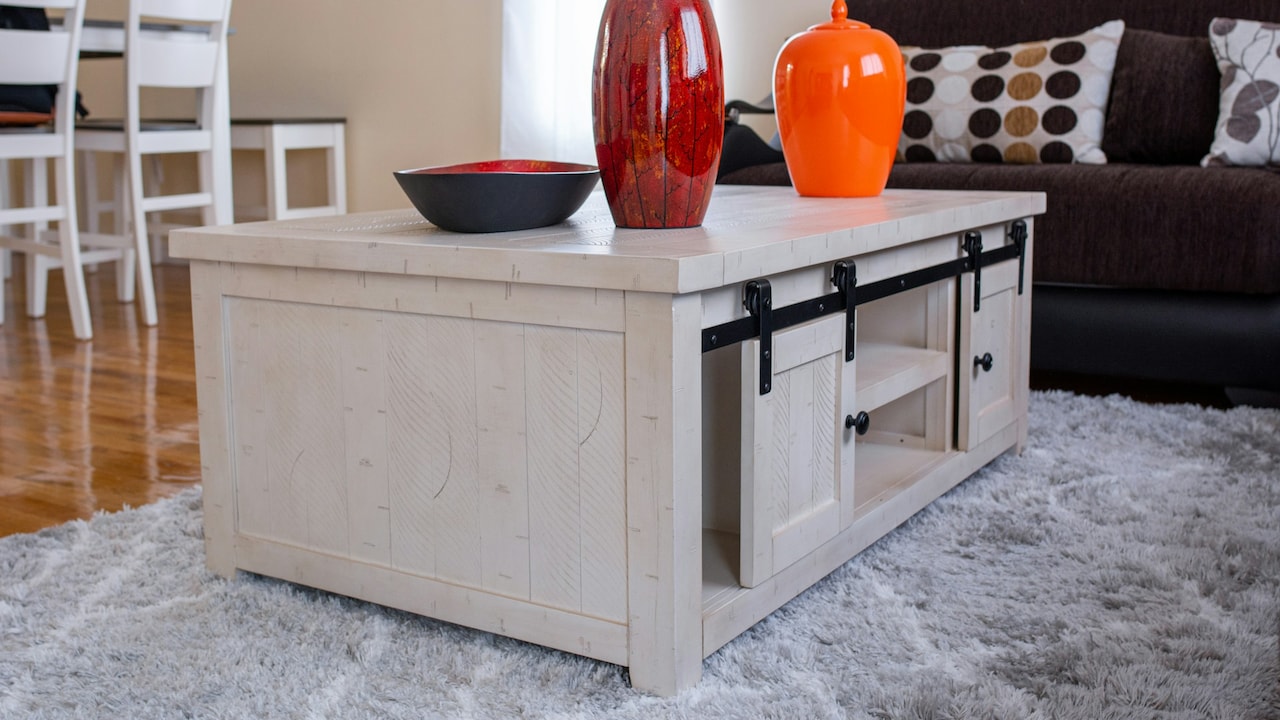
Heavy furniture creates pressure points. Sofas, beds, and cupboards press fibres down day and night. Over time, fibres forget how to stand.
This problem worsens when furniture never moves. Carpets beneath legs flatten permanently. The rest of the room looks uneven and worn.
Furniture coasters help spread the weight and reduce crushing. Rearranging furniture occasionally also allows fibres to recover. Even small shifts make a difference. Choosing carpets with high density and strong resilience further reduces visible dents. A carpet should support daily life, not suffer silently beneath it.
7. Climate Plays a Bigger Role Than Expected
Heat and humidity affect carpets deeply. Moist air weakens backing and softens fibres. Warm floors encourage compression. Dust sticks to fibres, adding weight and friction.
Homes in coastal or humid regions often face faster carpet wear. Air circulation helps. Dehumidifiers and regular ventilation reduce moisture buildup.
Certain fibres handle the climate better. Nylon resists humidity well. Wool naturally regulates moisture but needs careful cleaning. Avoid carpets with poor latex backing in humid areas. Climate-aware choices keep carpets fresher and more resilient for longer.
Why Some Carpets Flatten Quickly And What To Look For Instead; Photo Credit: Pexels
8. Infrequent or Incorrect Cleaning Accelerates Flattening
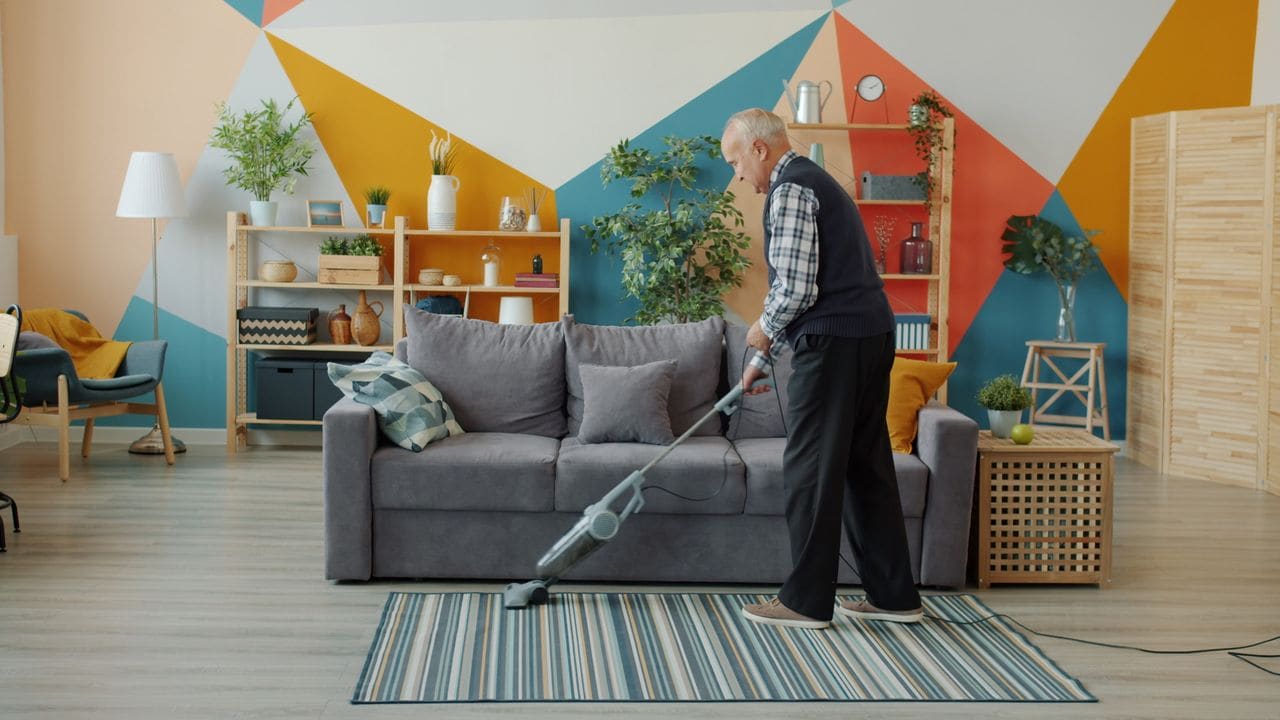
Many believe vacuuming flattens carpets. The opposite holds. Regular vacuuming lifts fibres and removes grit that acts like sandpaper.
Skipping cleaning allows dirt to settle deep. Each step grinds fibres down. Over time, carpets look dull and flat. Using the wrong vacuum head causes damage, too. Beater bars on delicate piles can harm fibres.
Choose a vacuum with an adjustable height. Clean high-traffic areas twice a week. Professional deep cleaning once or twice a year refreshes fibres and removes stubborn dirt. Proper care extends carpet life and maintains appearance.
9. Padding Often Gets Ignored
Carpet padding absorbs impact. Without good padding, fibres take the full force of footsteps. Thin or cheap padding compresses quickly and stops providing support.
Quality padding improves comfort and reduces flattening. It helps fibres recover faster after pressure. It also extends carpet life significantly.
Aim for padding thickness between 8 to 10 mm with good density. Avoid overly soft padding, which collapses under weight. Investing ₹40 to ₹60 per square foot in proper padding protects the larger carpet investment above it.
10. Choosing Looks Over Lifestyle Causes Regret
Design often wins over practicality. Light colours, plush textures, and trendy styles tempt buyers. Yet, lifestyle should lead the decision.
Homes with children, pets, or frequent visitors need durability first. Patterns and textured carpets hide wear better than solid colours. Medium tones show less dirt and flattening.
Ask how the space gets used. Choose carpets that match daily routines, not showroom dreams. A carpet that fits real life stays attractive and satisfying for years. Beauty and durability can coexist with informed choices.
Products Related To This Article
1. URBAN SPACE Cream Cream-Coloured Printed Cotton Carpet
2. DREAM WEAVERZ Printed Stain Resistant Chenille Carpet
3. BLANC9 & White & Orange Floral Cotton Carpets
4. THEGASBH Blue Striped Hand-Tufted Cotton Carpet
5. Kaleen India Pink Polyester Carpets
6. LUXEHOME INTERNATIONAL Black Abstract Traditional Carpet
7. Peepul Tree Rust Ethnic Motifs Cotton Carpet
Carpets flatten quickly for clear reasons, not bad luck. Weak materials, poor construction, and mismatched choices take their toll. Many carpet collections fail because they were never meant to handle the life placed upon them.
Understanding density, fibre type, backing, and padding changes everything. Small decisions at the buying stage prevent years of frustration later. Spending wisely upfront saves money, effort, and disappointment.
A good carpet supports daily living quietly. It cushions footsteps, warms rooms, and adds comfort without demanding constant attention. With the right knowledge, that promise lasts far longer than expected.
(Disclaimer: This article may include references to or features of products and services made available through affiliate marketing campaigns. NDTV Convergence Limited (“NDTV”) strives to maintain editorial independence while participating in such campaigns. NDTV does not assume responsibility for the performance or claims of any featured products or services.)